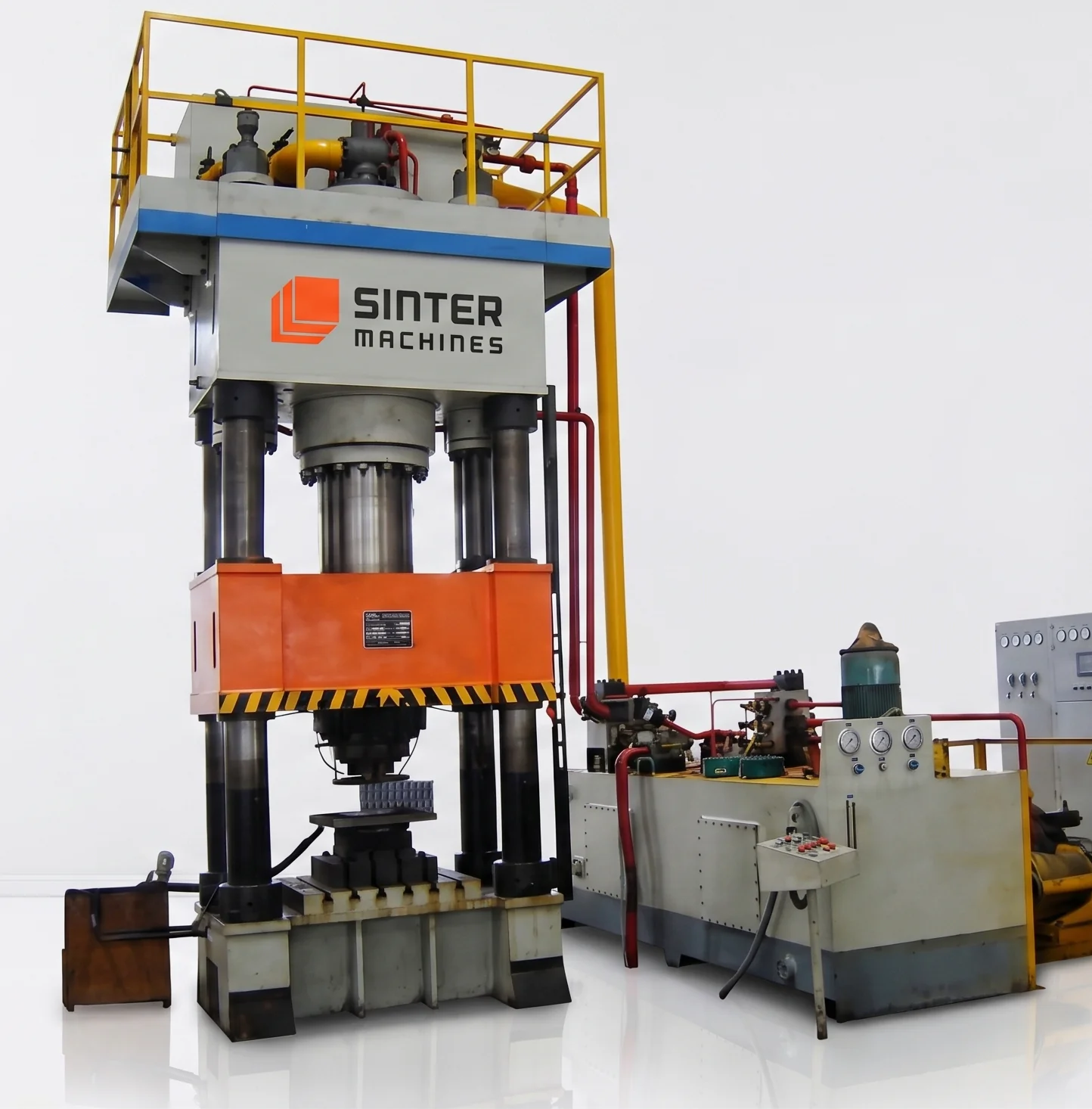
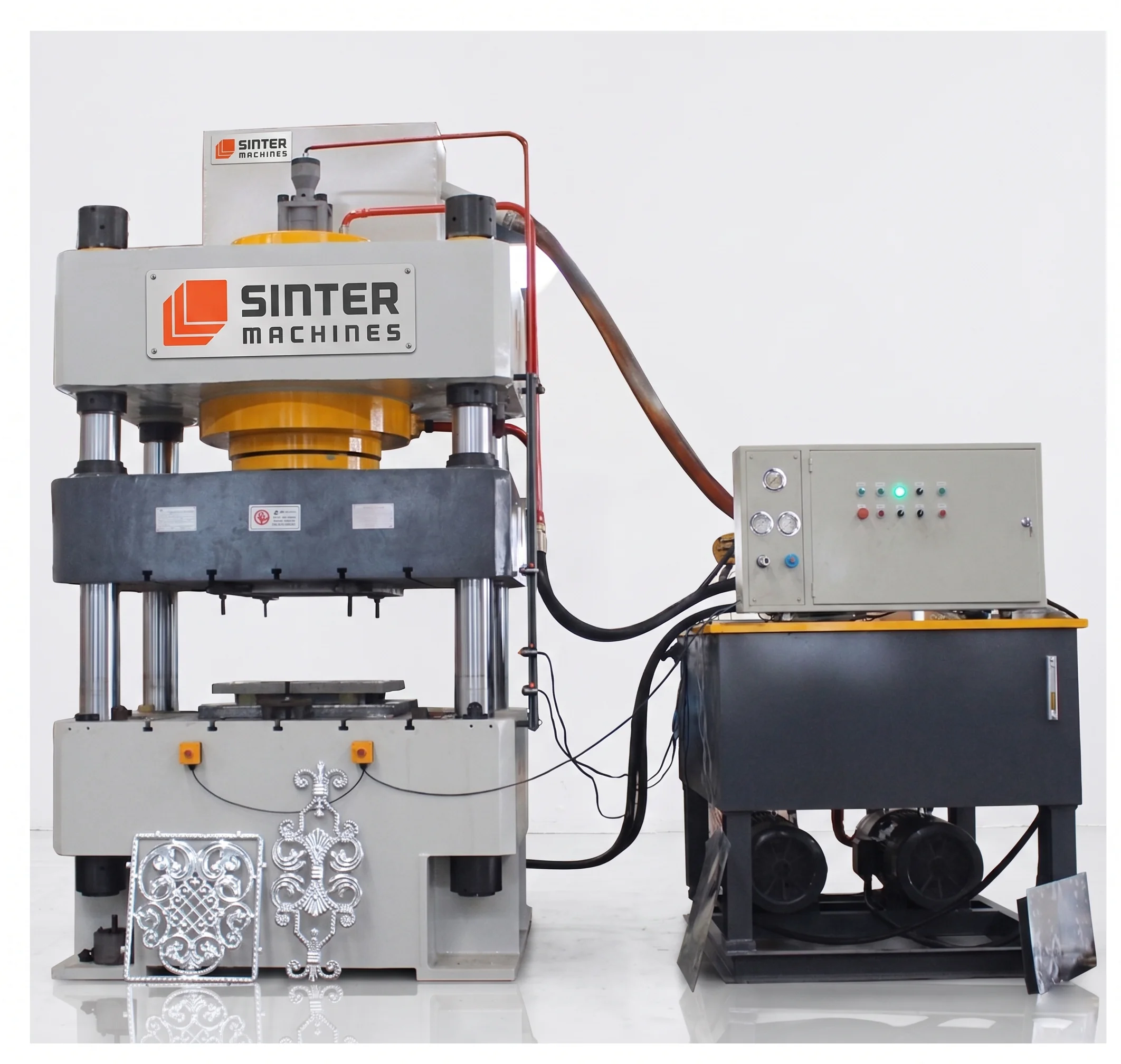
800T Water Tank Panel Press press view 1
FRP Water Tank Panels · Hydraulic Press Machine

800T Four Column Hydraulic Press for FRP Water Tank Panels

800T Rated Capacity
180 mm/s Slider Down Speed
9–18 mm/s Slider Pressing Speed
180 mm/s Slider Return Speed

01 — Press System

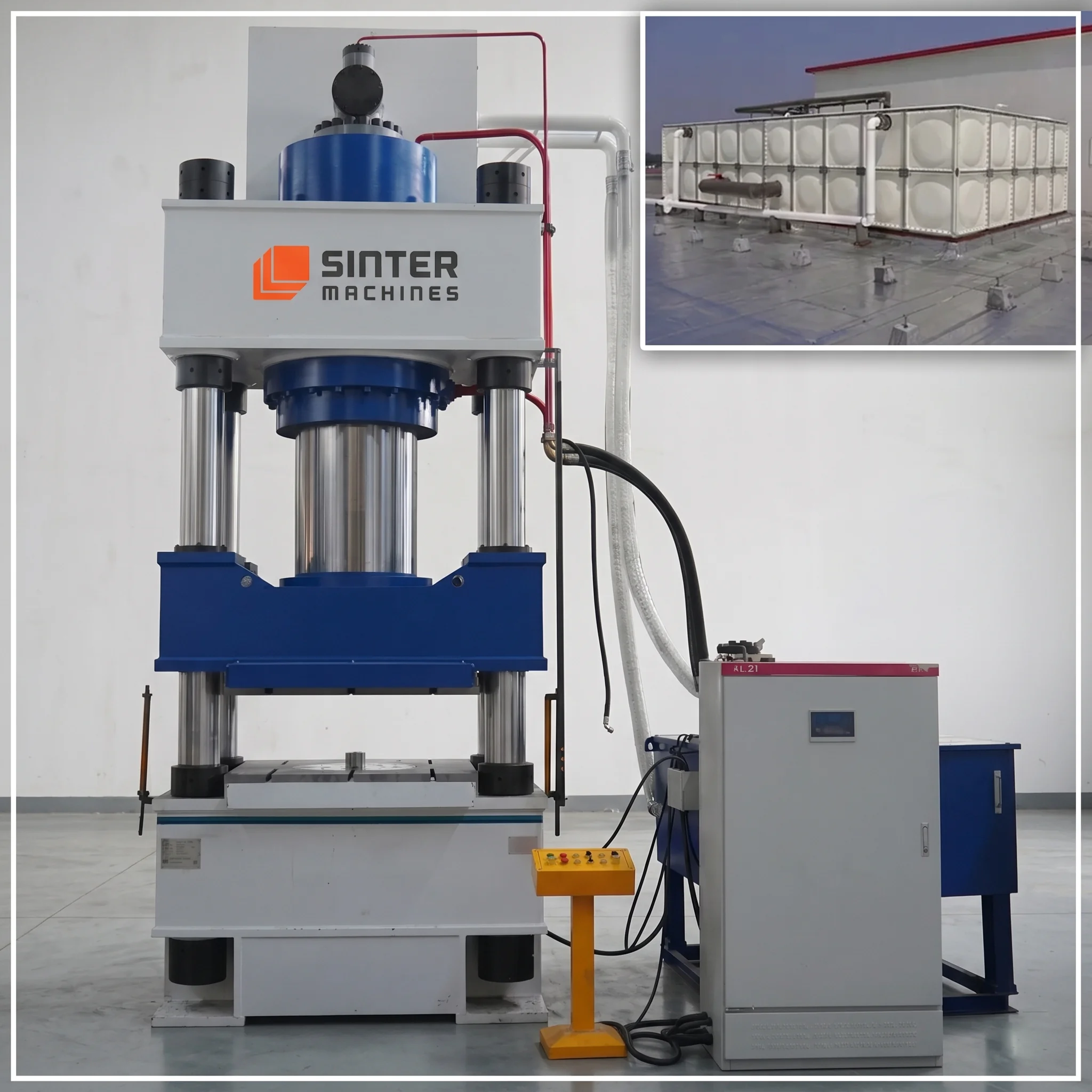
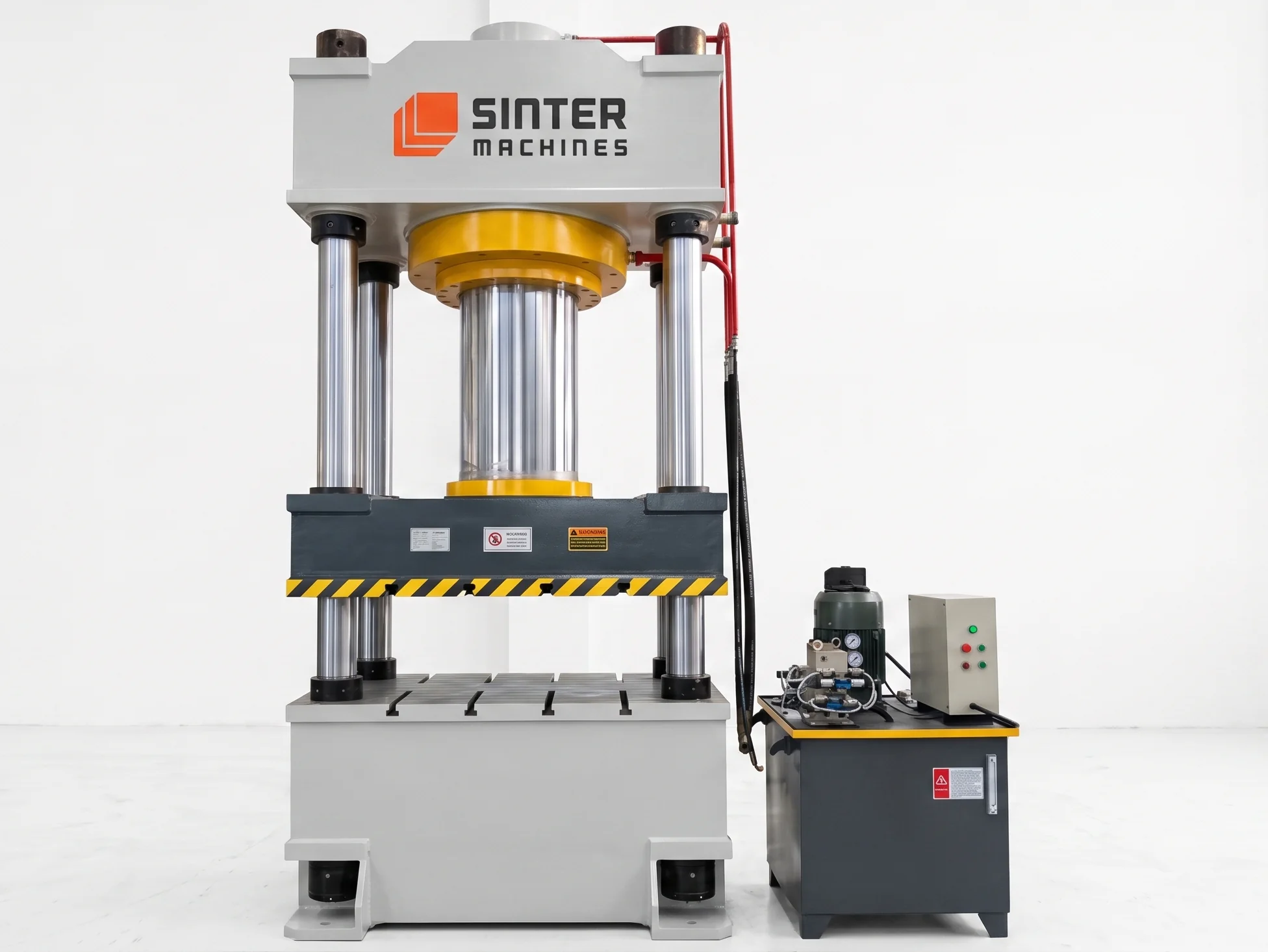
800T Four Column Hydraulic Press Machine

This 800-ton hydraulic hot press yields exceptionally strong, corrosion-free FRP water tank panels and structural components. Its integrated cooling system enables rapid production cycles, delivering a sustainable and highly cost-effective manufacturing solution.

Use Case

The 800-ton four-column press provides precise high-pressure consolidation for large thermoset composite panels used in water storage and cable management systems. It forms smooth, non-corrosive surfaces and deep reinforcement ribs with uniform curing across wide surface areas.

  • Core Applications: Modular water storage systems, heavy cable routing infrastructure, and ribbed industrial panel manufacturing.
  • Material: Glass fiber reinforcement with polyester or vinyl ester resins, ATH flame retardants, and food-grade anti-corrosion additives.
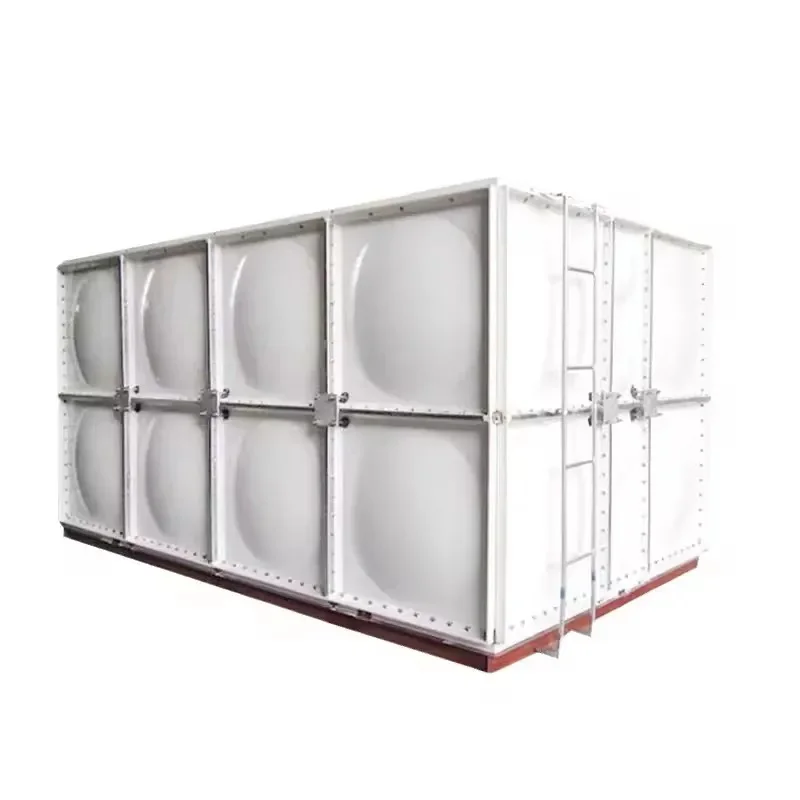
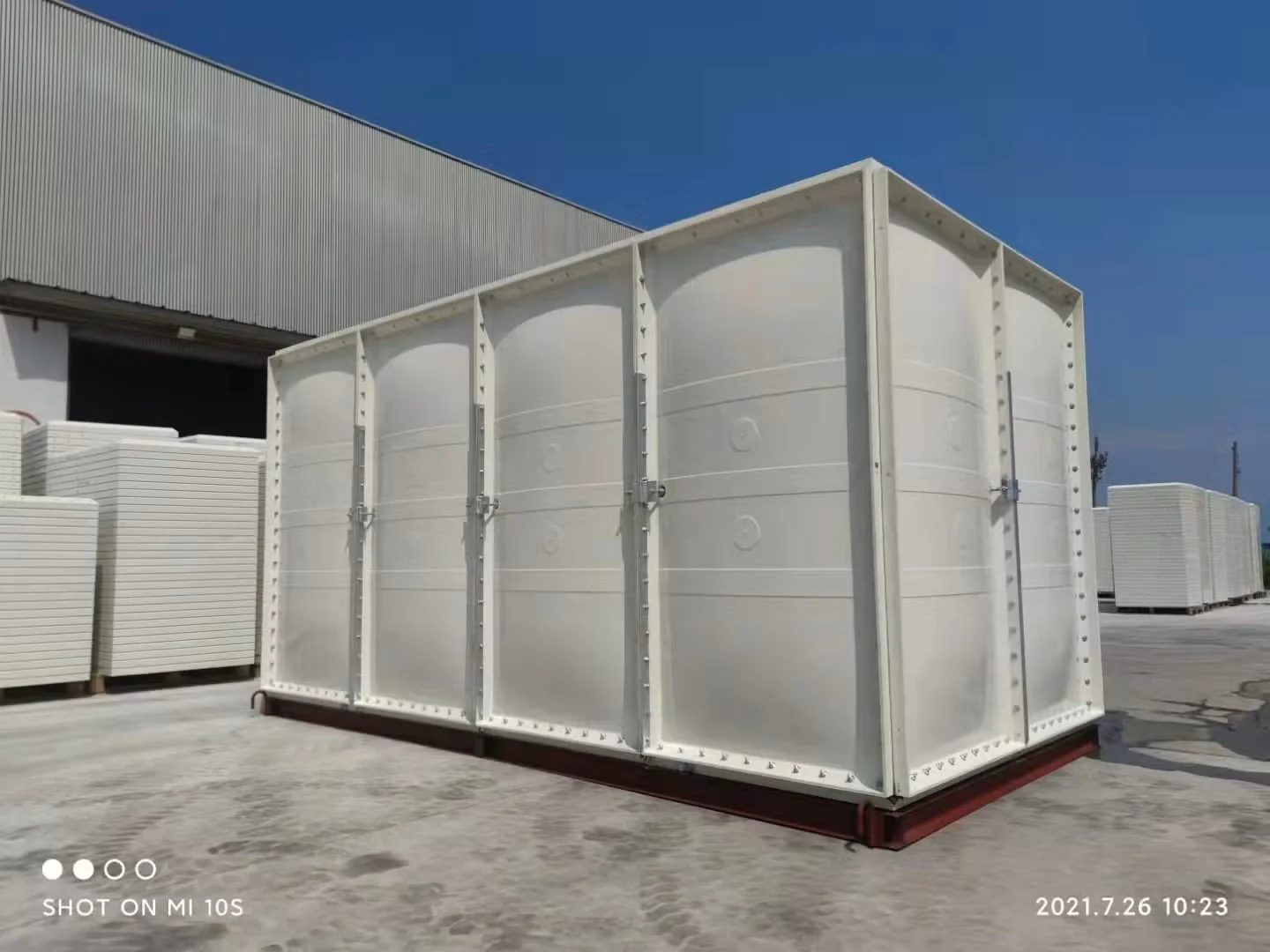
  • Products Processed: Sectional FRP water tank panels up to 1000 mm by 1000 mm width, cable bridge sections, and structural ribbed panels.
  • Why 800 Ton Hydraulic Press: Provides high pressure to form deep reinforcement ribs and achieve balanced consolidation across large panel dimensions.

02 — Technical Specifications

SM 800 HP – HYDRAULIC PRESS MACHINE COMPLETE TECHNICAL DATA

SM 800 HP – Hydraulic Press Machine delivers high-performance composite molding with precise control for FRP water tank panels. It ensures uniform curing, strong structural integrity, and consistent quality for efficient large-scale production.

Capacity & Structural Design

  • Rated Capacity: 800 Tons (≈ 7850 kN)
  • Type: Fourpillar hydraulic hot press
  • Frame: Heavy welded steel, stress relieved
  • Safety factor: ≥ 1.35–1.40
  • Elastic deflection: ≤ 0.08–0.10 mm

Hydraulic System

  • Main cylinder: Doubleacting
  • Bore: 480–600 mm
  • Stroke: 800–1200 mm
  • Pressure: 30–32 MPa
  • Servo/proportional control (recommended)

Compression Cycle

  1. Fast mold closing
  2. Precompression (fiber distribution)
  3. Main compression (full tonnage)
  4. Heat curing stage (thermoset reaction)
  5. Dwell (polymer cross-linking)
  6. Controlled decompression
  7. Mold opening

Heated Platen System

  • Heating type: Thermal oil circulation (preferred)
  • Temperature range: 120–180°C
  • Accuracy: ±2–3°C
  • Multi-zone heating control

Working Envelope

  • Platen size:
    • Standard: 1400 × 1400 mm
    • Optional: 1600 × 1400 mm
  • Daylight: 1400–2000 mm
  • Column diameter: 180–240 mm

Controls & Automation

  • PLC (Siemens / Mitsubishi)
  • HMI – recipe-based process
  • Pressure vs time vs temperature graph
  • Data logging (QA / traceability)
  • Safety PLC system

SM 800 HP — Model Specifications

  • Nominal Force: 8000 KN
  • Maximum Hydraulic Pressure: 25 MPa
  • Max Opening Height of the Slider: 1500 mm
  • Max Stroke of the Slider: 900 mm
  • Effective Bed Size: 1600×1600
  • Slider Down Speed: 180 mm/s
  • Slider Pressing Speed: 9–18 mm/s
  • Slider Return Speed: 180 mm/s
  • Ejector Cylinder Nominal Force: 600 KN
  • Stroke of the Ejection Cylinder: 300 mm
Production Case Study

FRP Water Tank Panels Production Line

1000 x 1000 mmWater tank panels
FRP CompositeMaterial
180 – 240 SecCycle Time
140–165°CTemperature
High overall production efficiency
Consistent panel wall thickness
Reduced raw material waste
Minimal manual labor requirements
High panel structural strength
Superior long-term corrosion resistance
Very low defect rate
03 — Die / Mold System

Precision FRP Water Tank Panel Die Mold Engineering

Precision FRP Water Tank Panel Die Engineering ensures accurate panel design, uniform thickness, and strong rib formation. It delivers consistent quality, leak-proof performance, and long-lasting durability for water storage applications.

Technical Specifications

Mold Type

  • Heavy-duty matched compression mold
  • Heated thermoset mold system

Mold Materials

  • Tool steel: H13 / CrMo / P20
  • Hardness: 48–55 HRC
  • Optional anti-corrosion coating

Mold Construction

  • Upper plate: Rib top geometry
  • Lower cavity: Base + structure
  • Precision guide pillars (±0.02 mm alignment)
  • Hydraulic ejector system

Heating System

  • Internal thermal oil channels
  • Multi-zone heating
  • Uniform curing temperature distribution

Venting & Degassing

  • Resin gas escape grooves
  • Air vents
  • Prevents:
    • Voids
    • Blisters
    • Dry spots

Surface Finish

Surface 

Finish 

Tank internal 

Smooth (hygienic) 

External 

Ribbed 

Cable bridge 

Smooth + anti-slip 

Mold Life: 200,000 – 400,000 cycles

Case Study (Die Performance)

Precision FRP Water Tank Panel Die Mold

P20 / 718H AlloyDie Steel
48 – 52 HRCHardness
Vacuum HardeningHeat Treatment
Superior surface finish output
Outstanding wear and tear resistance
Excellent thermal conductivity levels
Reduced maintenance downtime cycles
Prolonged tool service lifespan
Exceptional dimensional mold accuracy

04 — Product Application

Where FRP Water Tank Panels Are Used

FRP water tank panels are widely used in residential, commercial, industrial, and infrastructure applications for efficient water storage systems. They provide durable, corrosion-resistant, and hygienic solutions for long-term water management

Industry Applications

Water Storage Sector

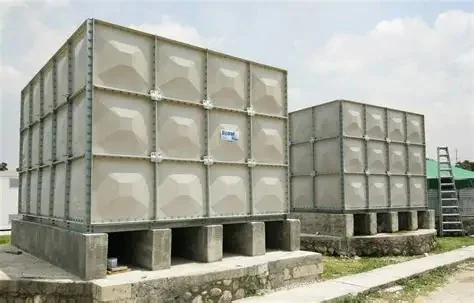
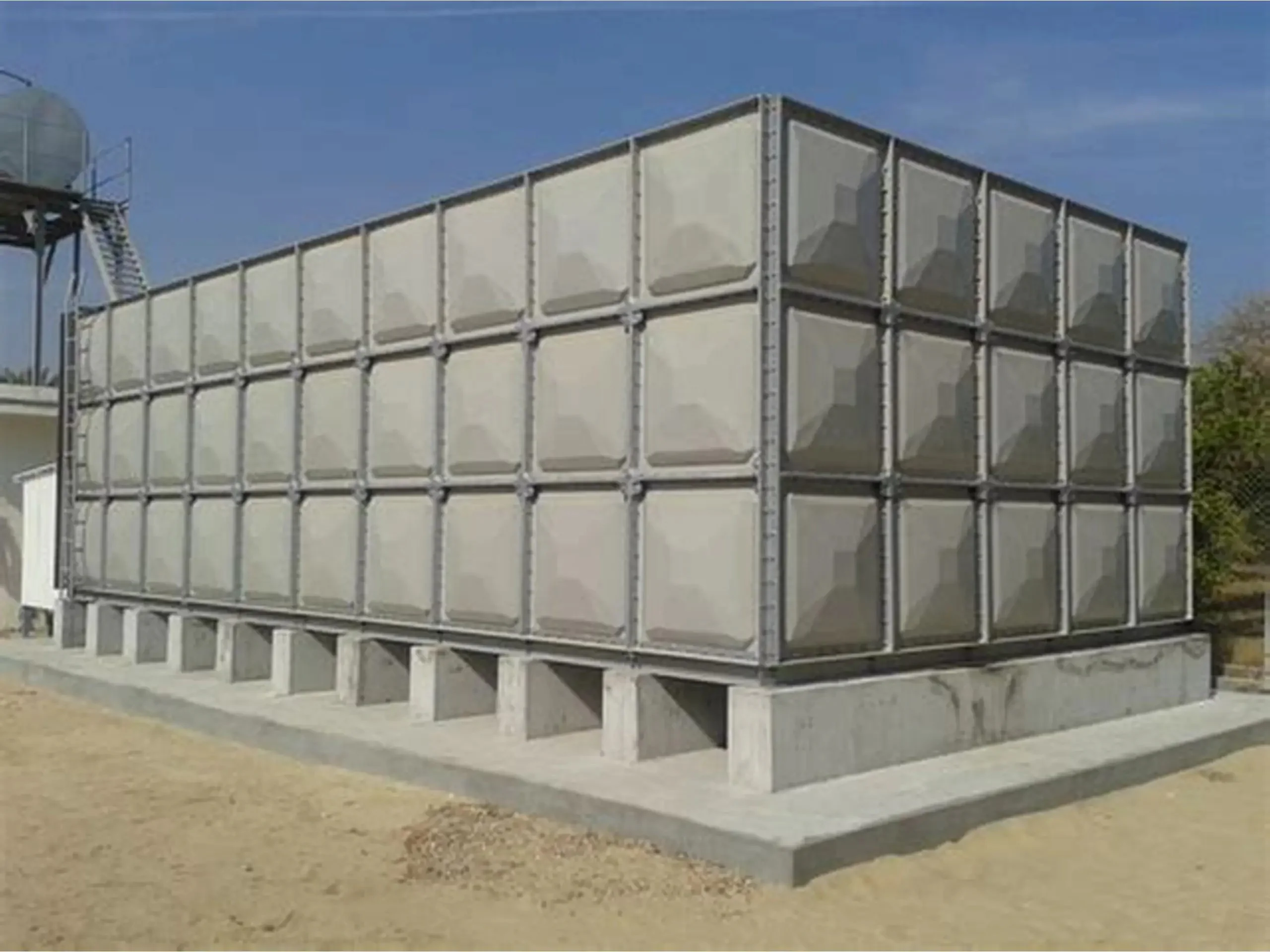
In the water storage sector, FRP water tank panels are used for residential overhead tanks, industrial storage, firefighting systems, and municipal tanks. They offer hygienic, durable, and corrosion-resistant solutions for long-term water management.

Electrical & Cable Infrastructure

In electrical and cable infrastructure, FRP water tank panels are used in cable bridge systems, routing panels, and substation cable management. They provide strength, corrosion resistance, and reliable performance for integrated utility applications.

Infrastructure Projects

In infrastructure projects, FRP water tank panels are used in metro rail systems, airports, smart cities, and utility corridors for reliable water storage solutions. They offer durability, corrosion resistance, and efficient performance in large-scale environments.

Industrial Applications

In industrial applications, FRP water tank panels are used in chemical plants, oil & gas facilities, and manufacturing units. They provide excellent corrosion resistance, durability, and reliable performance in harsh operating environments.

IndustryScenario
Water Supply Modular FRP water tanks
Power Sector Cable bridge structures
Infrastructure Metro & airport utilities
Industrial Corrosion-resistant panels
Smart Cities Integrated utility systems

Finished Product Gallery

05 — Key Advantages

Why Choose the 800-Ton Sinter Hydraulic Press

It delivers uniform pressure and precise curing for strong, leak-proof FRP panels. Designed for large-scale production, it ensures consistent quality, durability, and reliable performance in water storage applications.

01

Stable large-panel molding

Ensures uniform pressure distribution for consistent molding of large FRP panels. It delivers accurate shape, structural stability, and defect-free performance.

02

High repeatability

Ensures consistent molding results across repeated production cycles. It maintains uniform quality, precision, and reliability in large-scale FRP panel manufacturing.

03

Corrosion resistant

Produces FRP panels with excellent resistance to rust, chemicals, and harsh environments. It ensures long-lasting durability and minimal maintenance in demanding applications.

04

Hygienic (for water tanks)

Produces FRP panels with smooth, non-porous surfaces that prevent contamination. It ensures safe, clean, and hygienic water storage for long-term use.

05

Electrical insulation

Produces FRP panels with excellent non-conductive properties. It ensures safe performance in electrical and utility-related applications.

06

Replacement for metal and RCC solutions

Produces FRP panels that offer a lightweight, corrosion-resistant alternative to metal and RCC. It ensures longer service life with reduced maintenance and improved structural efficiency.