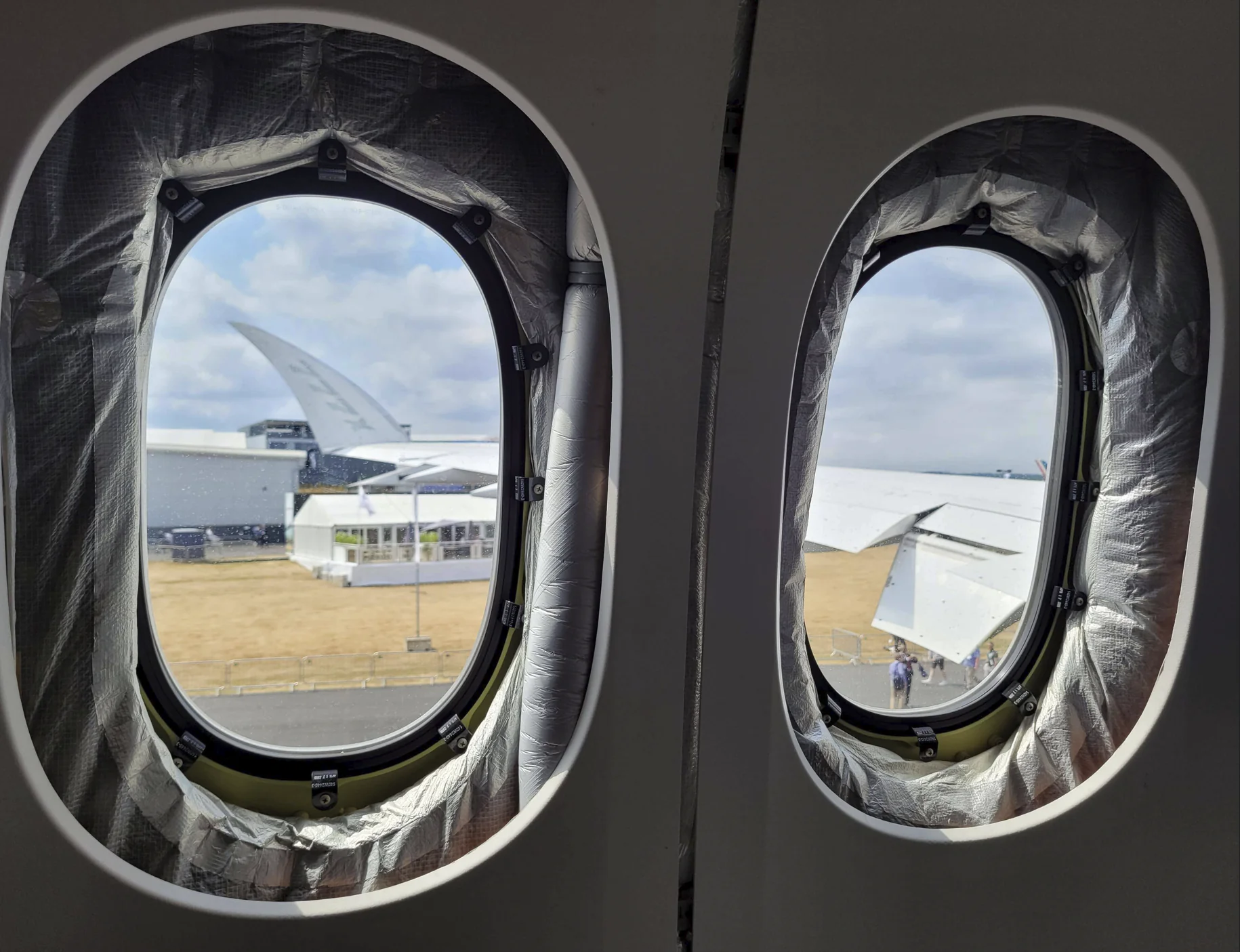
01 — Press System
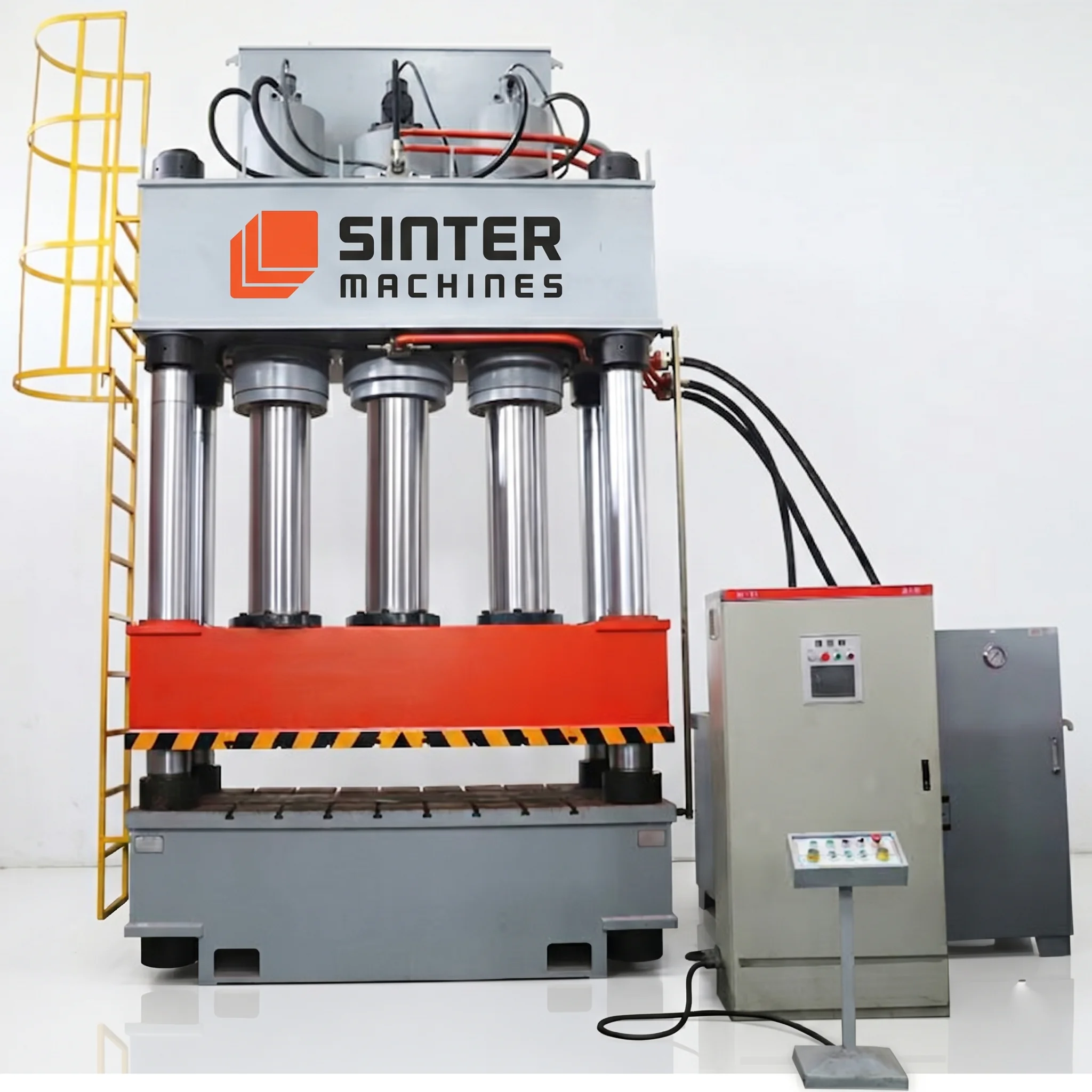
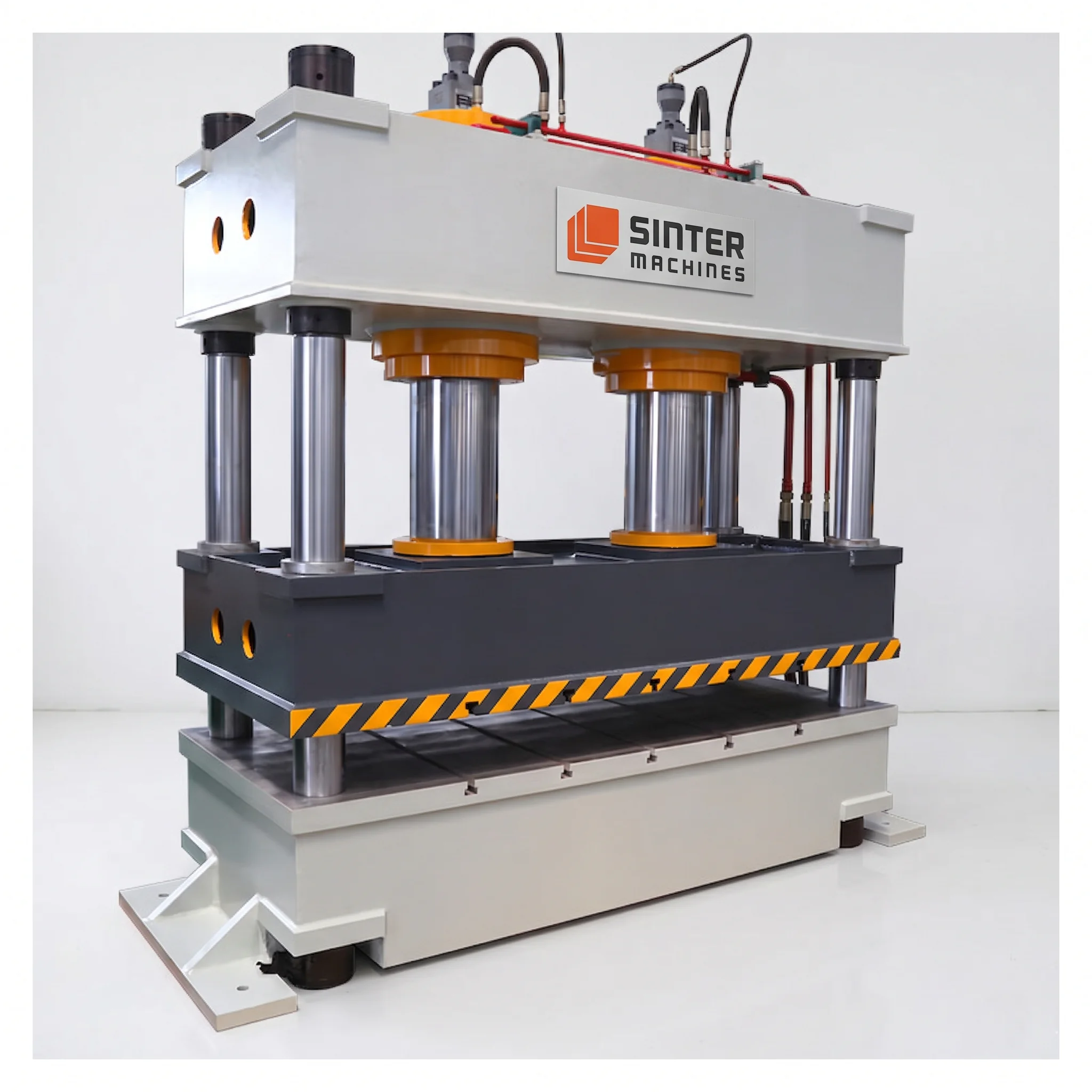
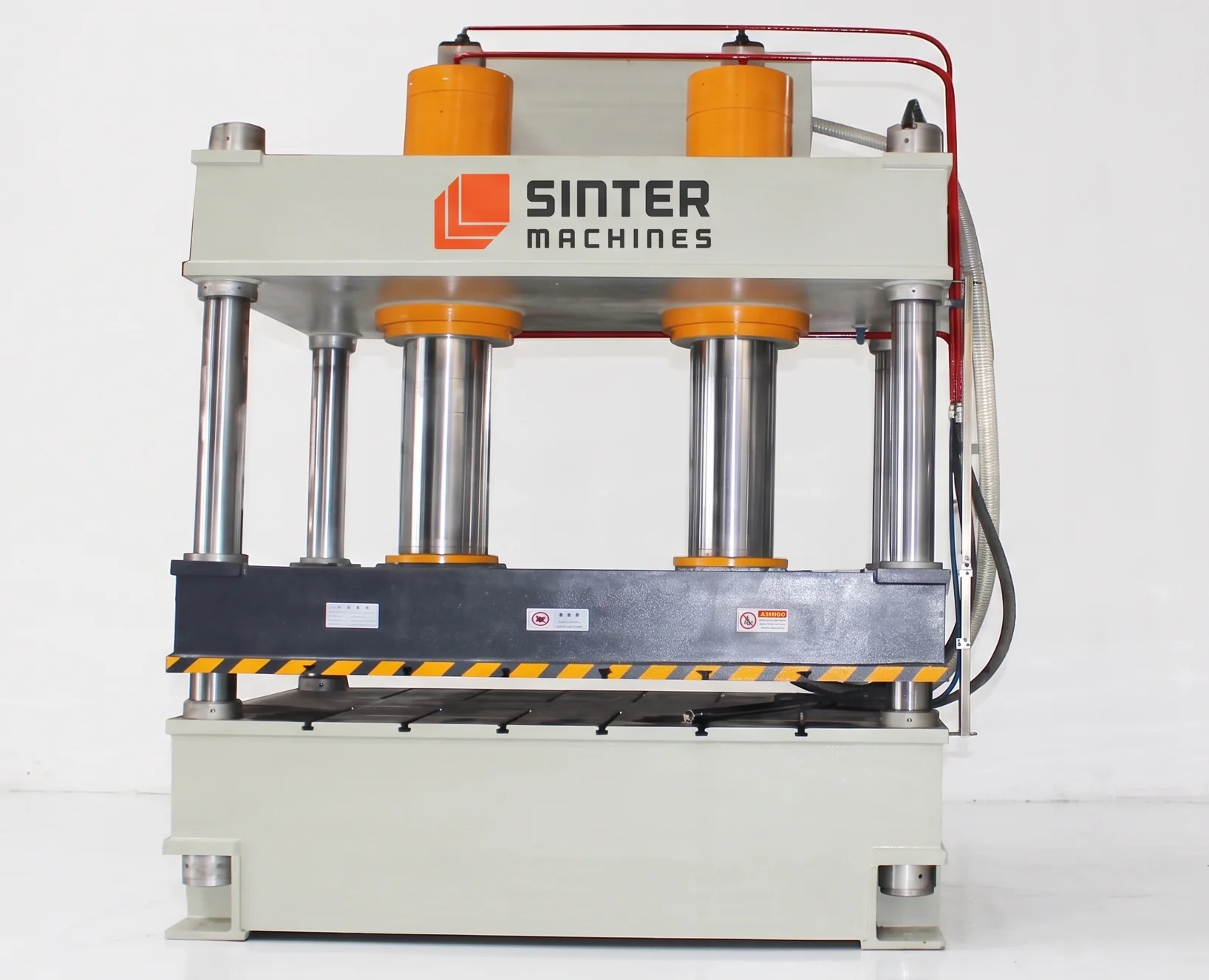
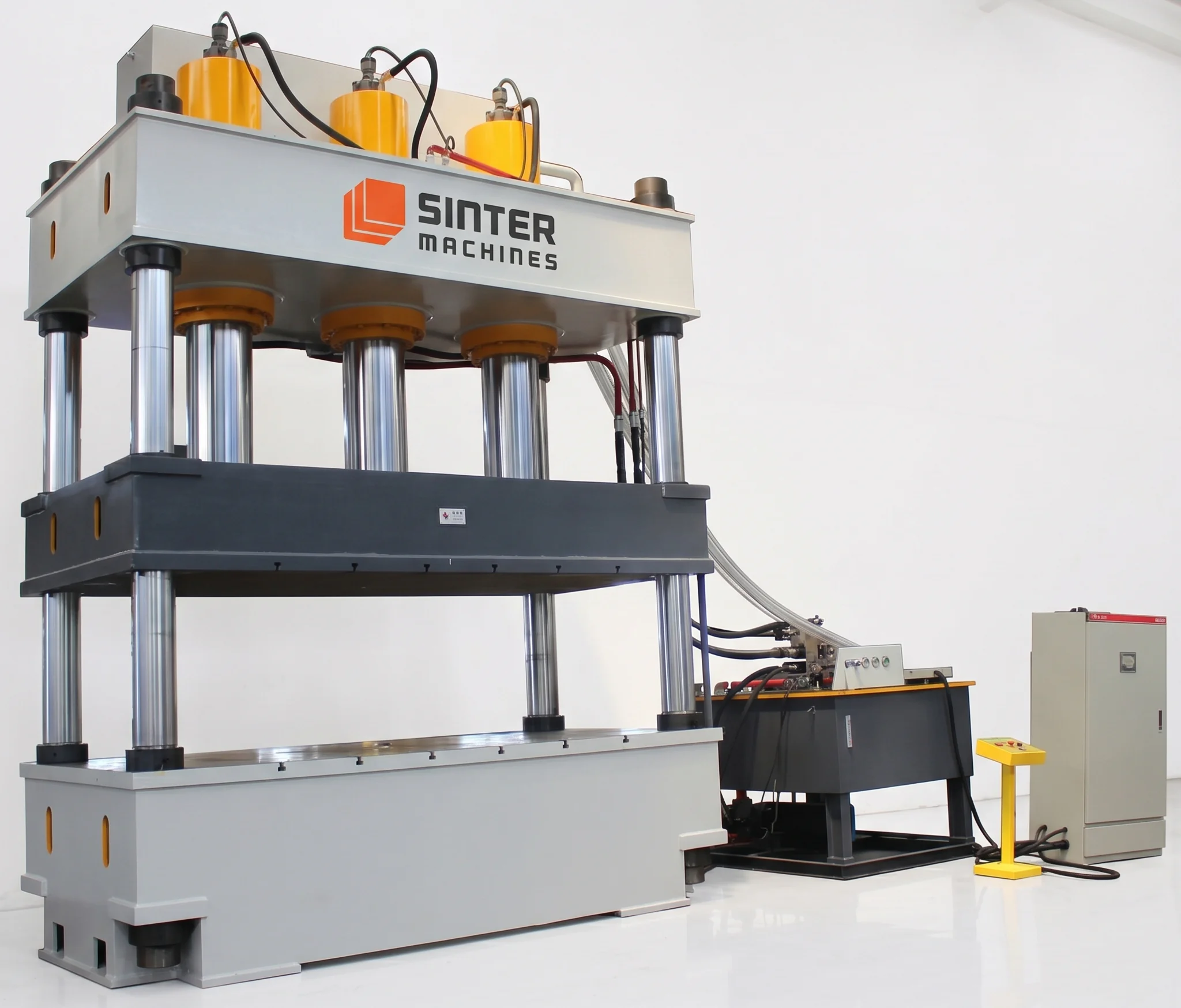
630 Ton Four Pillar Hydraulic Press Machine
The 630-ton four-pillar hydraulic press provides a proven, aerospace-ready solution for the high-precision punching and cutting of advanced composite sheets. It enables damage-free processing of carbon-fiber, glass-fiber, and honeycomb sandwich panels while securing long-term reliability in specialized aviation manufacturing cells.
Use Case
Aerospace interior composite components demand clean, stress-free cutting profiles to preserve their structural performance metrics and satisfy strict certification rules. This press delivers the uniform platen pressure and micro-programmable dynamics required to slot and trim fragile sandwich panels without causing layer separation.
Core Applications
- Precision edge trimming, geometric profiling, and fastener hole punching of aircraft interior laminates
- High-volume cutout generation and slotting operations for aerospace thermal and acoustic insulation barriers
Material
- Carbon-fiber reinforced plastic laminates and multi-directional woven fiberglass sheets
- Lightweight honeycomb sandwich core structures, resin-impregnated matrices, and soundproofing layers
Typical Products Processed
- Cabin overhead bins, internal partition walls, side panels, and flooring assemblies
- Pre-formed flight deck insulation barriers, environmental control ducting covers, and acoustic damping shields
Key Functions
- Multi-stage programmable velocity profiling to completely eliminate structural delamination during material breakthrough
- Micro-step variable depth control to cleanly shear fibers without damaging underlying core geometries
Why 630-Ton Hydraulic Press?
- Rigid four-pillar guidance ensures zero platen tilting, keeping punch clearances exact across wide-area panel faces
- Provides the controlled force distribution needed to process fragile honeycomb cores cleanly without crushing structural cells
02 — Technical Specifications
SM 1000 HP – HYDRAULIC PRESS MACHINE COMPLETE TECHNICAL DATA
The SM 630 HP hydraulic press delivers high-precision force distribution engineered specifically for processing delicate aerospace composite matrices. Its rigid four-column architecture combined with micro-adjustable fluid dynamics ensures zero platen tilting and flawless edge quality.
Capacity
- Maximum pressing force capacity of 6300 kN
- Minimum adjustable stripping force capacity of 630 kN
Structural Design
- Four pillar monolithic plate assembly optimized for low deflection
- Finite element analysis validated structure for uniform load distribution
Frame Type
- Ultra rigid pre tensioned tie rod column frame architecture
- Low stress welded steel base structure with high rigidity
Hydraulic System
- Variable displacement axial piston pump fluid delivery setup
- High efficiency dynamic oil filtration and temperature regulation circuits
Main Ram Stroke
- Maximum slide vertical travel distance of 750 mm
- Precision electronic depth adjustment resolution of 0.01 mm
Working Hydraulic Pressure
- Maximum continuous operating fluid pressure of 250 bar
- Safety relief valve peak pressure setting of 280 bar
Daylight Gap
- Maximum open vertical daylight window space of 1100 mm
- Minimum closed shut die space height of 350 mm
Approach Speed
- Fast downward advance slide travel speed of 240 mm/Sec
- Soft touch tool entry slowing speed of 10 mm/Sec
Pressing / Drawing Speed
- Micro controlled high precision cutting speed of 2 to 15 mm/Sec
- Infinitely variable pressing velocity profile for delicate matrices
Return Speed
- Rapid upward ram ascent extraction speed of 190 mm/Sec
- Integrated multi stage pre ascent decompression cycle timing
Bed / Platen Size Platen
- Total clear bolster bed width left to right of 1500 mm
- Total clear bolster bed depth front to back of 1300 mm
Columns
- Hardened induction chrome plated solid steel column diameter of 200 mm
- Extended guidance guide bushings with automated grease lubrication
Working Envelope
- Total horizontal interior clearance space of 1500 by 1300 mm
- Maximum permissible upper tool mass weight of 7500 kg
Control System
- Industrial programmable logic controller with graphic touchscreen interface
- Dual axis linear transducer position tracking accuracy of 0.01 mm
Main Motor Power
- Primary high efficiency electric motor output of 55 kW
- Secondary auxiliary pilot hydraulic system motor of 7 kW
Valves & Hydraulics
- High frequency response proportional flow control cartridge blocks
- Main cylinder fast pre fill valve integration setup
Automation
- Robotic arm loader and unloader communications interface ports
- Hydraulic quick die action clamping system control connections
Safety Features
- Dual channel safety light curtains guarding front and rear areas
- Automated mechanical anti drop safety locking block system
SM 630 HP — Model Specifications
- Nominal Force: 6300 KN
- Maximum Hydraulic Pressure: 25 MPa
- Max Opening Height of the Slider: 1500 mm
- Max Stroke of the Slider: 900 mm
- Effective Bed Size: 1500 × 1500 mm
- Slider Down Speed: 150 mm/s
- Slider Pressing Speed: 9–18 mm/s
- Slider Return Speed: 200 mm/s
- Ejector Cylinder Nominal Force: 300 KN
- Stroke of the Ejection Cylinder: 300 mm
03 — Die / Mold System
Precision Punching & Cutting of Aerospace Composite Panels Die Mold Engineering
This precision tooling system features razor-sharp cutting profiles specifically optimized to shear composite matrices cleanly without fracturing fragile fibers. Its low-deflection mechanical architecture prevents layer separation and core crushing during high-speed punching operations.
Use Case
The system is integrated into aerospace cleanrooms to clean-cut structural sheets and slot acoustic insulation sandwich assemblies. It automates wide-area interior panel profiling, maintaining the absolute edge quality needed for direct installation on aircraft assembly lines.
Technical Specifications (Tooling)
Die Type
- Ultra precision progressive matching punching and cutting die set
- Multi station customized shear contour tooling configuration
Die Materials
- Premium powder metallurgy matrix tool steel
- Solid sub micron tungsten carbide inserts at high stress shearing zones
Tool Configuration & Construction
- Modular matrix frame layout with easily replaceable punch blades
- Heavy duty stress relieved base shoes equipped with ball guiding pillars
Key Tooling Features
- Specialized spring loaded clamping stripper blocks to arrest panel movement
- Dynamic vacuum scrap extraction channels to clear fine debris cleanly
Alignment Accuracy
- Cutting clearance between punch and die held tight at 0.012 mm
- Guide pillar concentricity variance restricted within 0.004 mm
Materials Processed
- Carbon fiber reinforced plastic laminates and woven glass fiber matrices
- Lightweight honeycomb sandwich core structures and resin impregnated soundproofing layers
Surface Finish
- Active cutting blade edges diamond ground down to Ra 0.15 microns
- Advanced chromium nitride low friction coating applied at 0.003 mm thickness
Tool Life
- Expected production span of 100000 cycles before mandatory blade sharpening
- Total structural tooling lifespan reaching 1500000 production cycles
Precision Punching & Cutting of Aerospace Composite Panels Die Mold
04 — Product Application
Where Precision Punching & Cutting of Aerospace Composite Panels Are Used
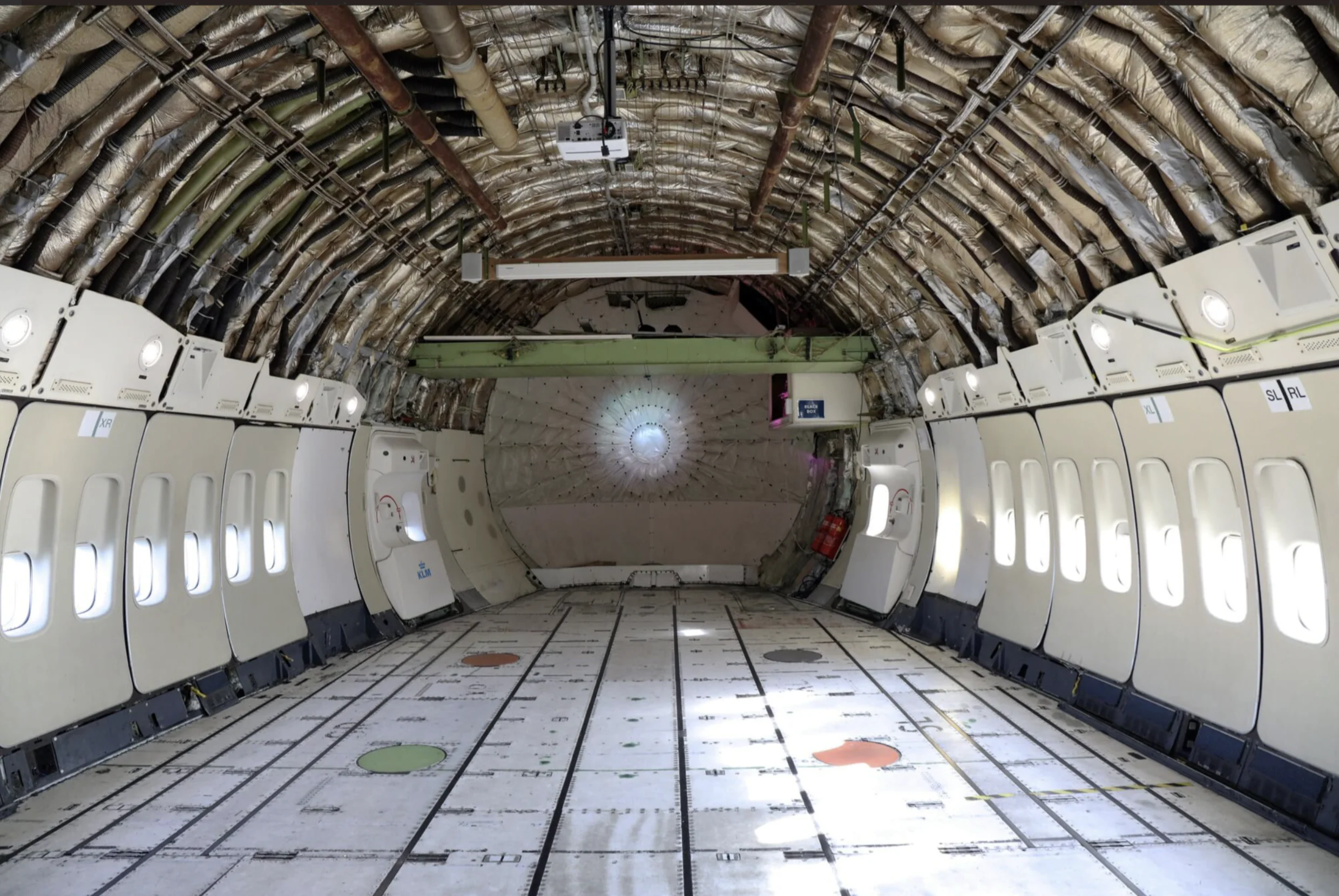
Precision-punched and cut aerospace composite panels serve as the structural framework and aerodynamic lining for modern commercial and military transport aircraft. These high-strength, lightweight structures optimize fuel efficiency and increase cabin payload capacity while safely enduring harsh flight stresses.
Industry Applications
These advanced composite panels are essential across specialized transport sectors where extreme weight reduction translates directly to increased range and operational economy. Beyond commercial commercial aviation, they are extensively utilized in military stealth drones, deep-space launch vehicles, orbital satellite housing structures, and high-speed passenger rail networks.
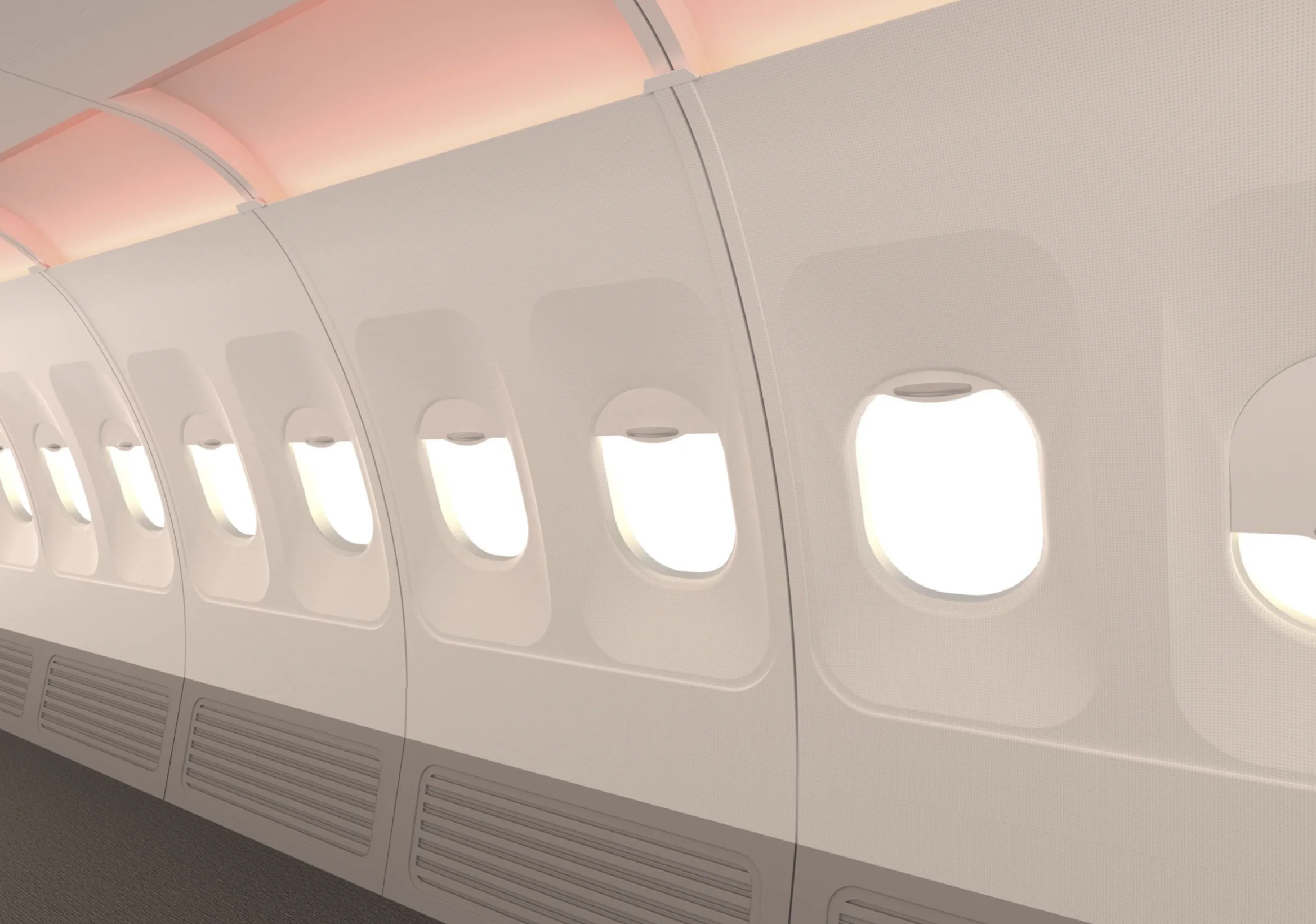
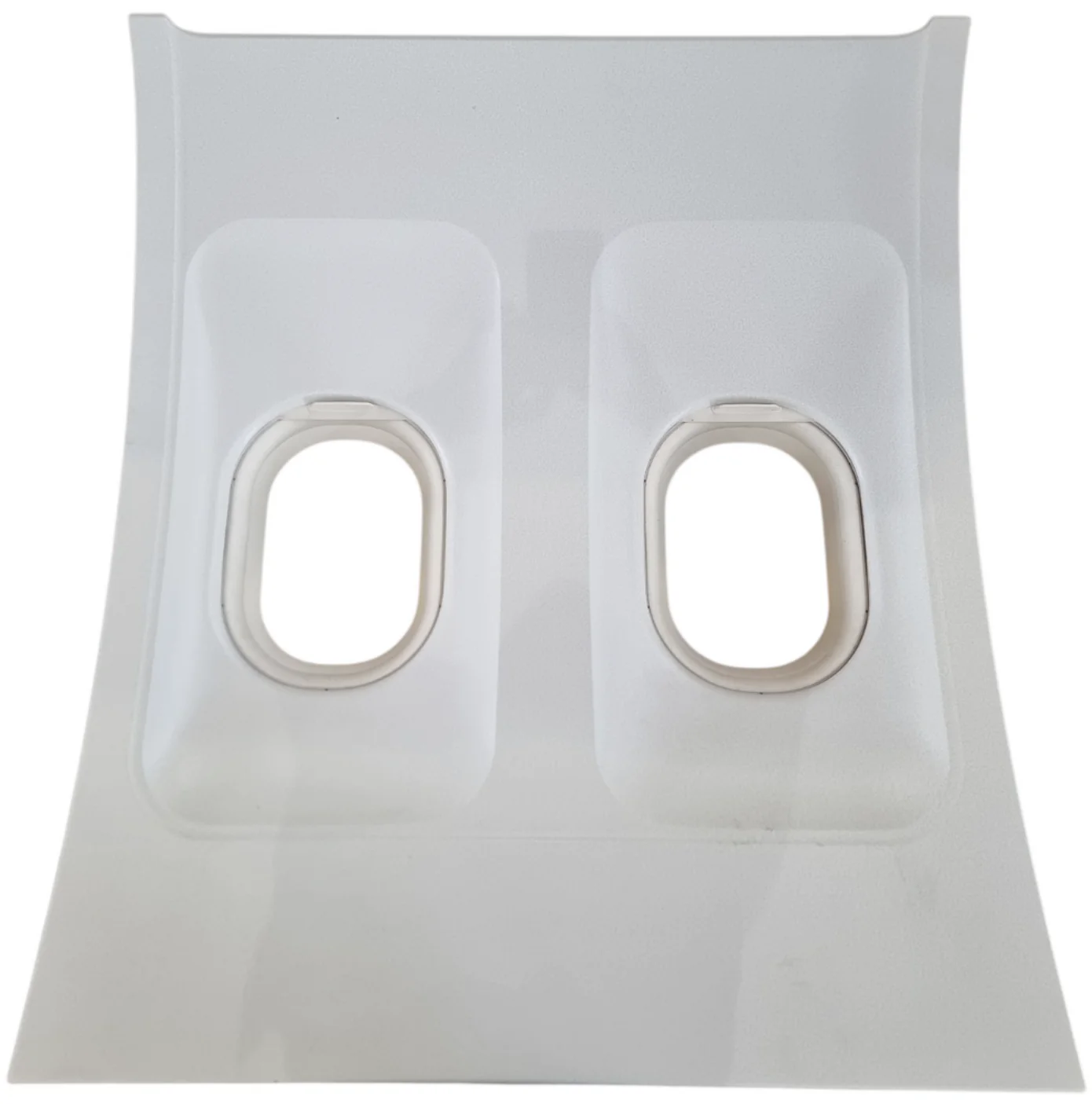
Aircraft Interior Cabin Walls
Precision-trimmed carbon-fiber and fiberglass sidewall panels form the primary visual and protective lining inside the main passenger cabin. These lightweight composite assemblies absorb structural noise and withstand continuous passenger impacts while meeting strict fire-retardant flight safety regulations.
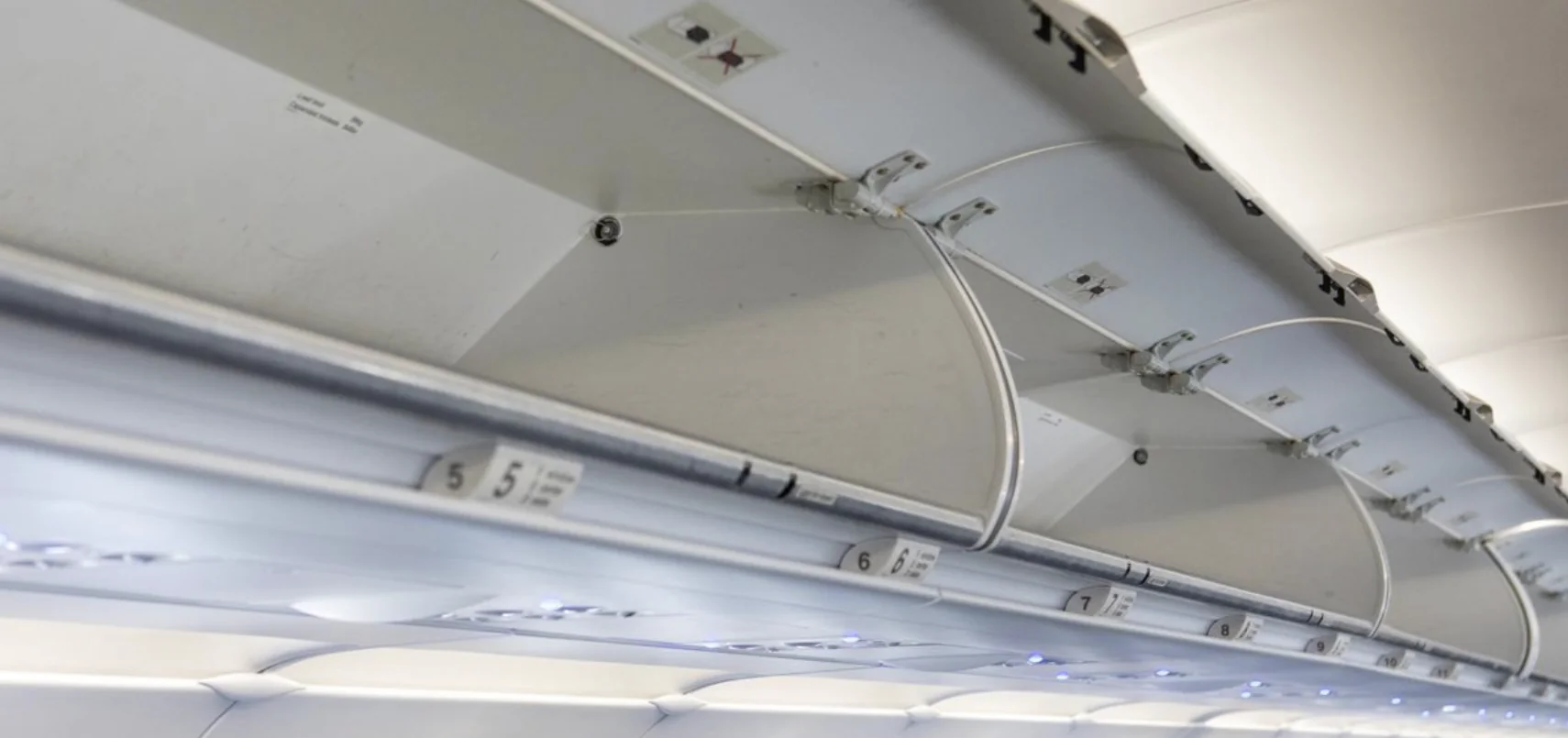
Overhead Storage Bins
Contour-cut honeycomb sandwich panels are assembled directly into high-capacity luggage compartments located above passenger seating areas. This specialized architecture provides high rigidity to support heavy passenger carry-on loads without warping or increasing the total weight of the aircraft.
Floor Boards and Cargo Liners
Heavy-duty multi-layer composite floor panels create the main walking and cargo loading decks running throughout the airframe structure. The clean-sheared edges prevent moisture ingress and deliver high impact resistance against rolling galley carts and heavy baggage handling equipment.
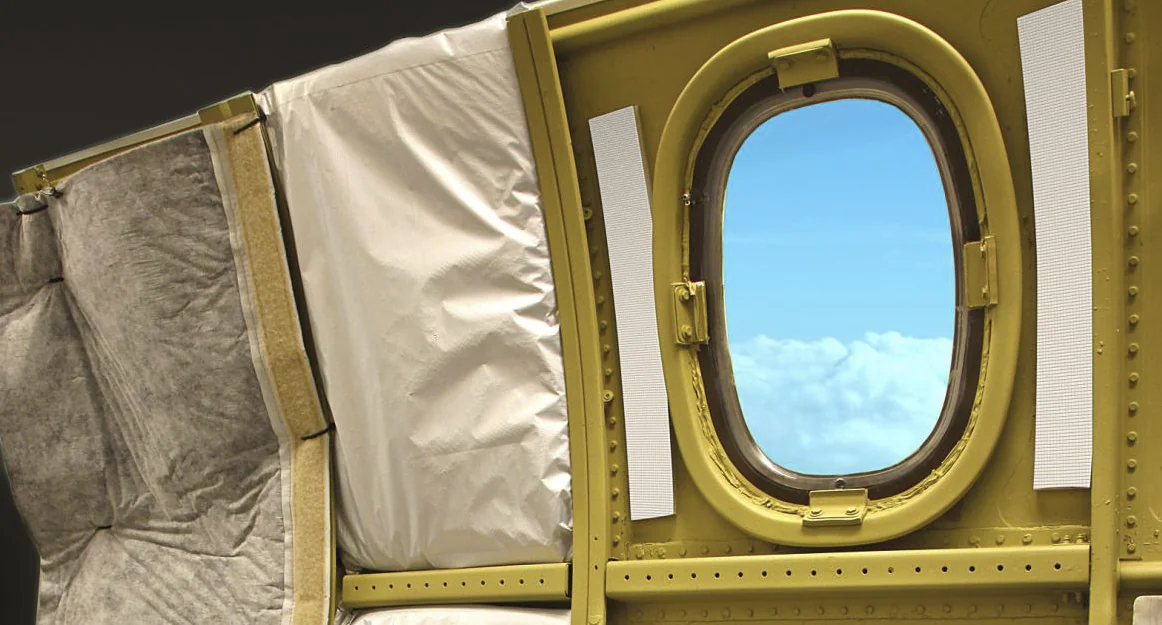
Acoustic and Thermal Insulation Barriers
Precision-slotted resin-impregnated sheets and composite damping panels wrap around the internal fuselage framing to regulate interior temperatures. These acoustic shields block freezing outside atmospheric temperatures and severe engine vibrations, ensuring a comfortable environment for flight crews and passengers.
Finished Product Gallery
05 — Key Advantages
Why Choose the 630-Ton Sinter Hydraulic Press
The 630-Ton Sinter Hydraulic Press delivers extreme platen parallelism and micro-adjustable stroke profiles engineered specifically for advanced composite matrices. It prevents structural delamination and fiber pull-out while maximizing daily throughput and material cost-efficiency on high-value aerospace lines.
Technical & Commercial Benefits
Zero-Deflection Platen Parallelism
The robust four-pillar guidance architecture keeps the upper and lower platens perfectly parallel throughout the entire cutting stroke. This uniform force distribution prevents uneven tool penetration, avoiding fiber tearing and structural matrix distortion across wide composite panels.
Micro-Programmable Velocity Profiling
Advanced proportional hydraulic systems let operators precisely slow the ram speed down right at the exact moment of material breakthrough. Controlling this deceleration phase protects fragile sandwich layers, completely eliminating internal delamination and core crushing defects.
Complete Bypassing of Secondary Processing
The press executes razor-sharp punch alignment to consistently deliver clean, factory-finished component edges straight out of the tool. Eliminating manual grinding or secondary routing operations drastically cuts factory floor cycle times and individual unit labor costs.
Minimized Raw Material Waste Rates
Excellent repeatability and exact depth control down to fractions of a millimeter ensure part dimensions remain identical from batch to batch. Reducing process variation protects expensive carbon-fiber and honeycomb stocks from scrap errors, driving down direct manufacturing costs.
Extended Precision Tooling Service Life
Smooth hydraulic transitions combined with dynamic shock dampening limit the violent impact vibrations usually generated during panel breakthrough. Lowering this mechanical stress prevents edge chipping on expensive tool steel dies, extending time between required resharpenings.
Regulated Energy Consumption and Operational Economy
Variable-displacement pump systems automatically adjust fluid flow to draw power only when the press ram is actively moving under load. This smart energy management lowers factory power consumption bills while maintaining the high cycling speeds needed for demanding aerospace programs.