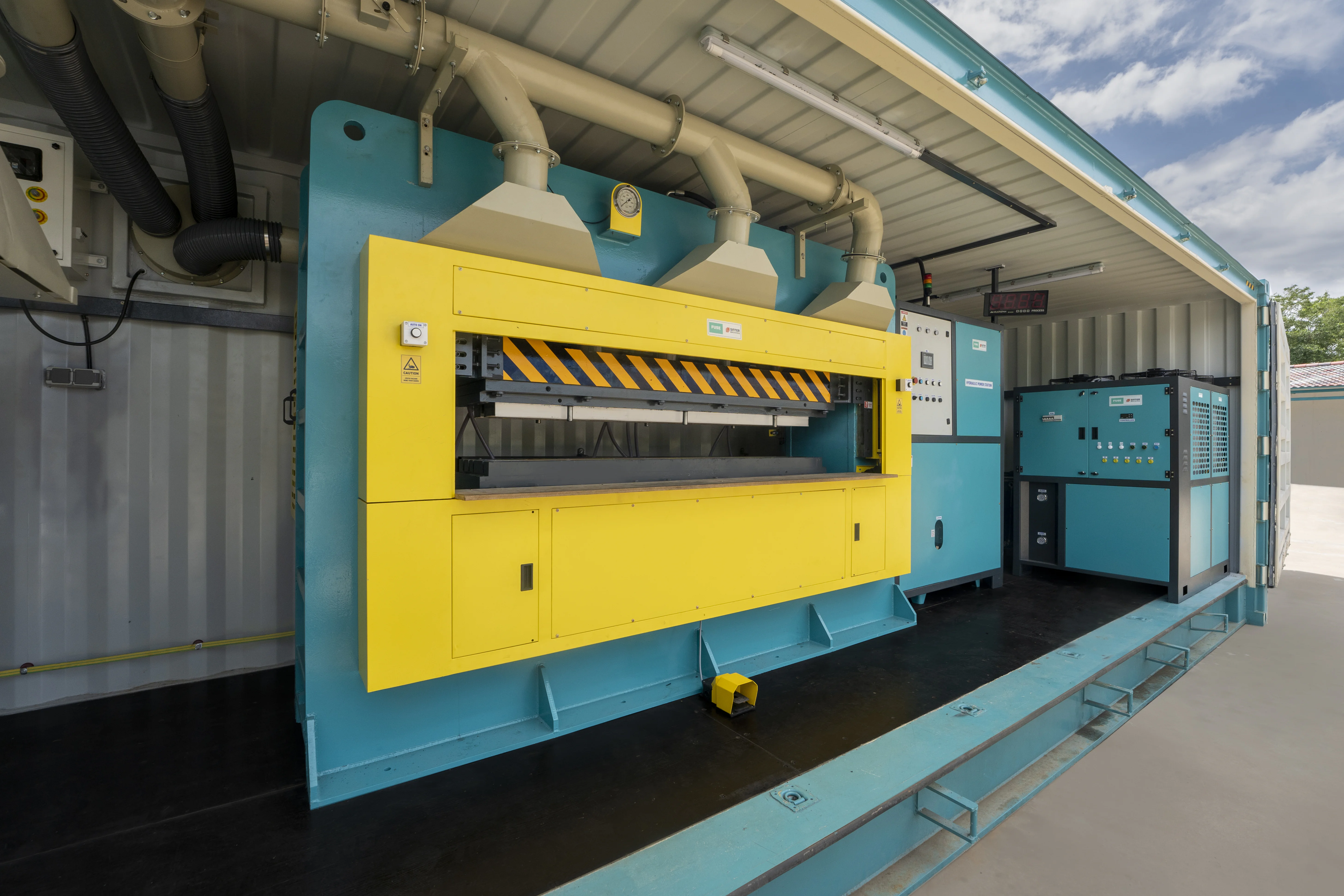
Park Bench Planks Press — hydraulic press 1
Park Bench Lumber Planks · Hydraulic Press Machine

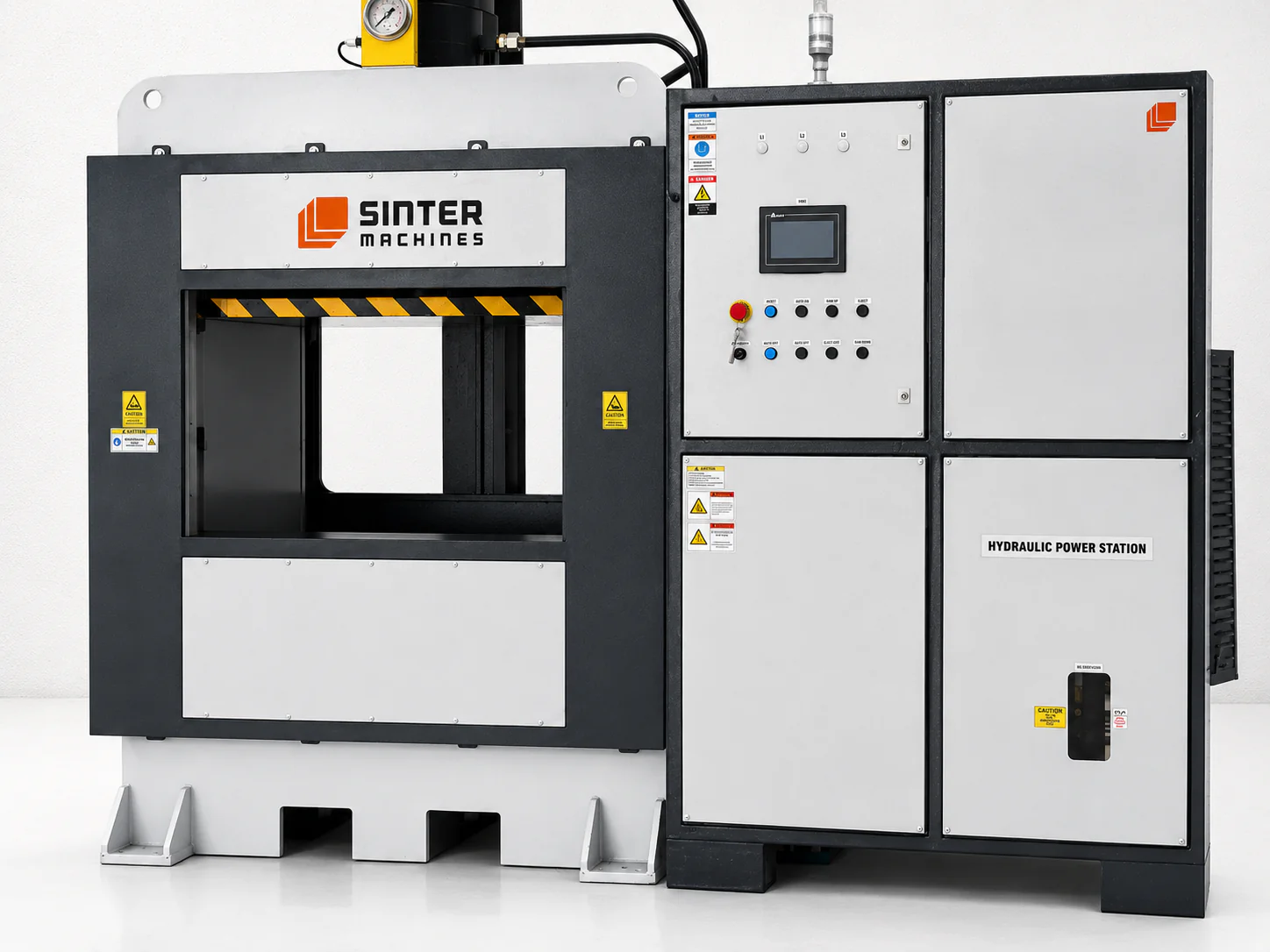
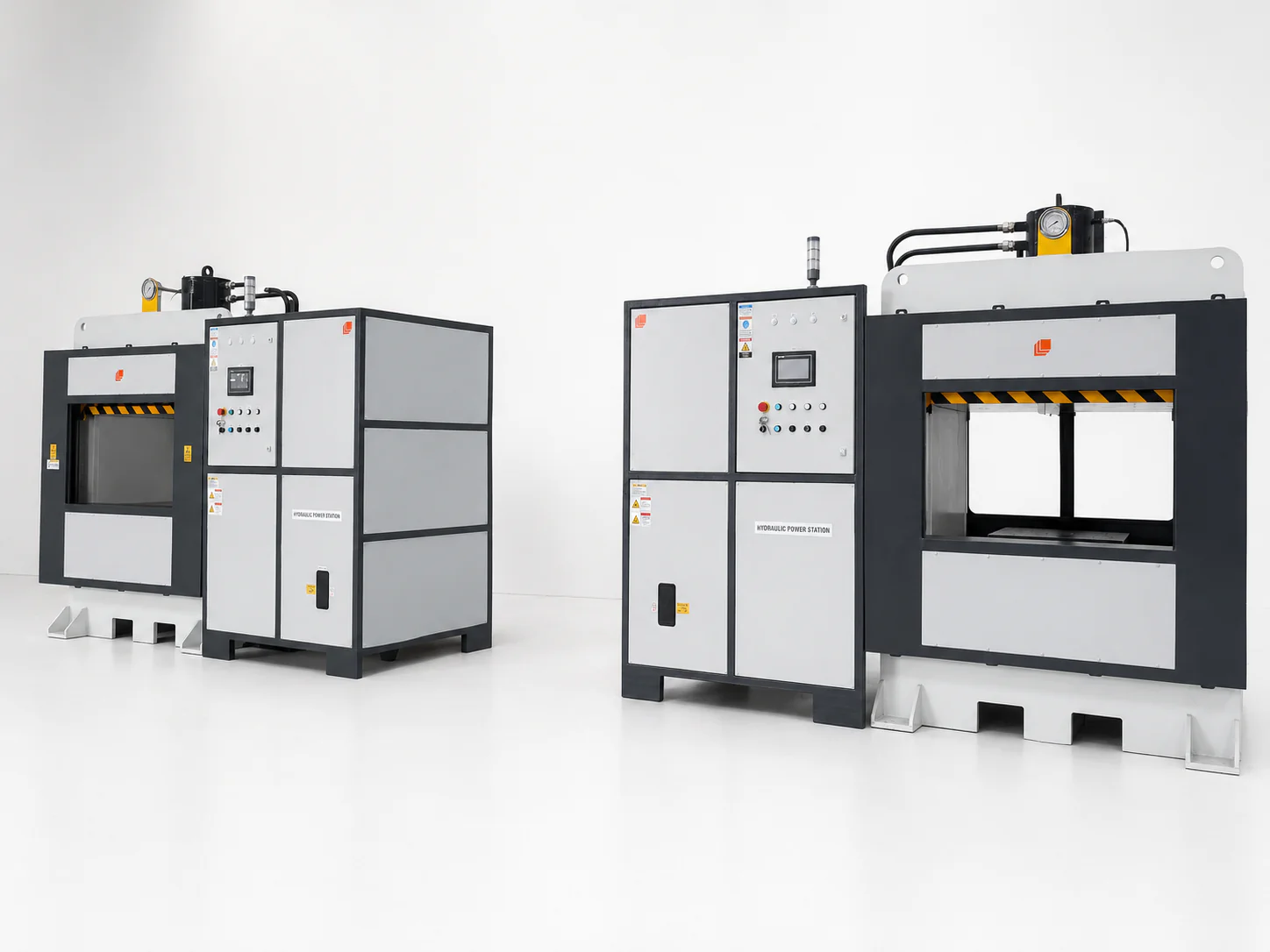
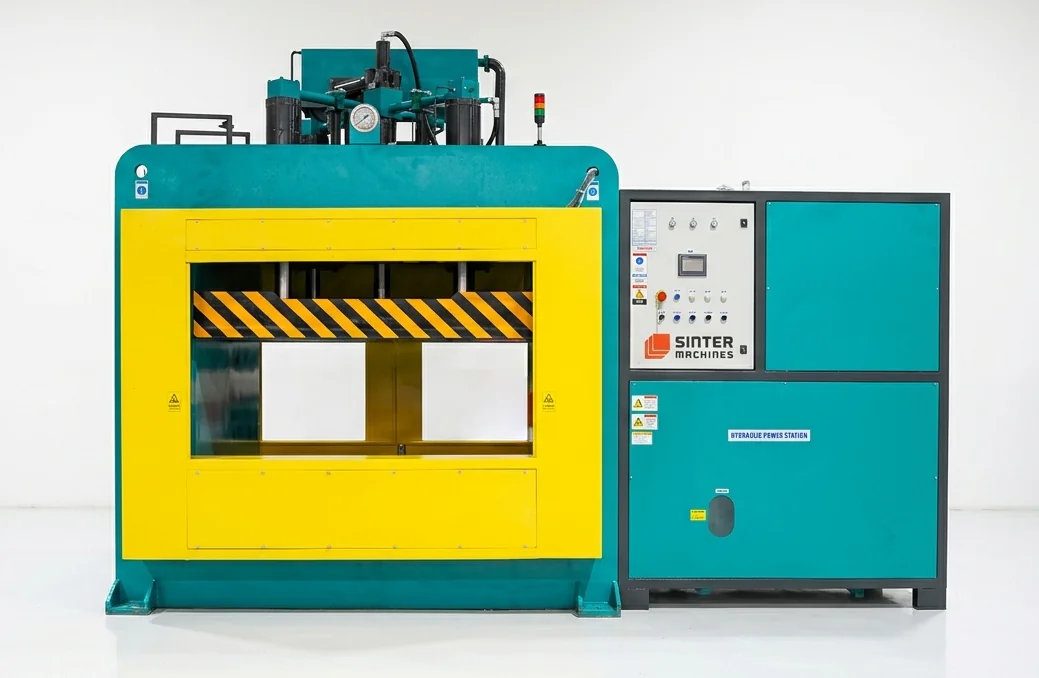
315 Ton Four Pillar Hydraulic Press for Park Bench Lumber Planks

315T Rated Capacity
100 mm/s Slider Down Speed
7–12 mm/s Slider Pressing Speed
90 mm/s Slider Return Speed

01 — Press System

315 Ton Four Pillar Hydraulic Press Machine

The 315-Ton Four Column Hydraulic Press line delivers exceptional structural density and vibrant multi-color composite park bench lumber planks. It ensures maximum material compaction, rapid cooling cycles, and high daily output using recycled HDPE plastic and fly ash matrixes. The Raw Material Composition: Waste Recycled Plastics (Waste HDPE Plastics): 30 Percent, Fly Ash: 70 Percent, Pigment: 3 Percent & UV Additives: As required

Use Case

The integrated 315-Ton Hydraulic Press line automates material melting, precise volumetric dosing, high-pressure molding, and rapid chill-solidification. It is designed for continuous industrial manufacturing of heavy-duty, weather-resistant plastic sand composite park bench lumber planks with high structural uniformity.

  • Core Applications: Public park benches, garden seating, outdoor street furniture, school campus benches, and recreational seating planks
  • Material: Waste Recycled Plastics + Sand + Pigments Homogeneously mixed matrix of high-density polyethylene waste, fly ash filler, stable color pigments, and UV stabilizers
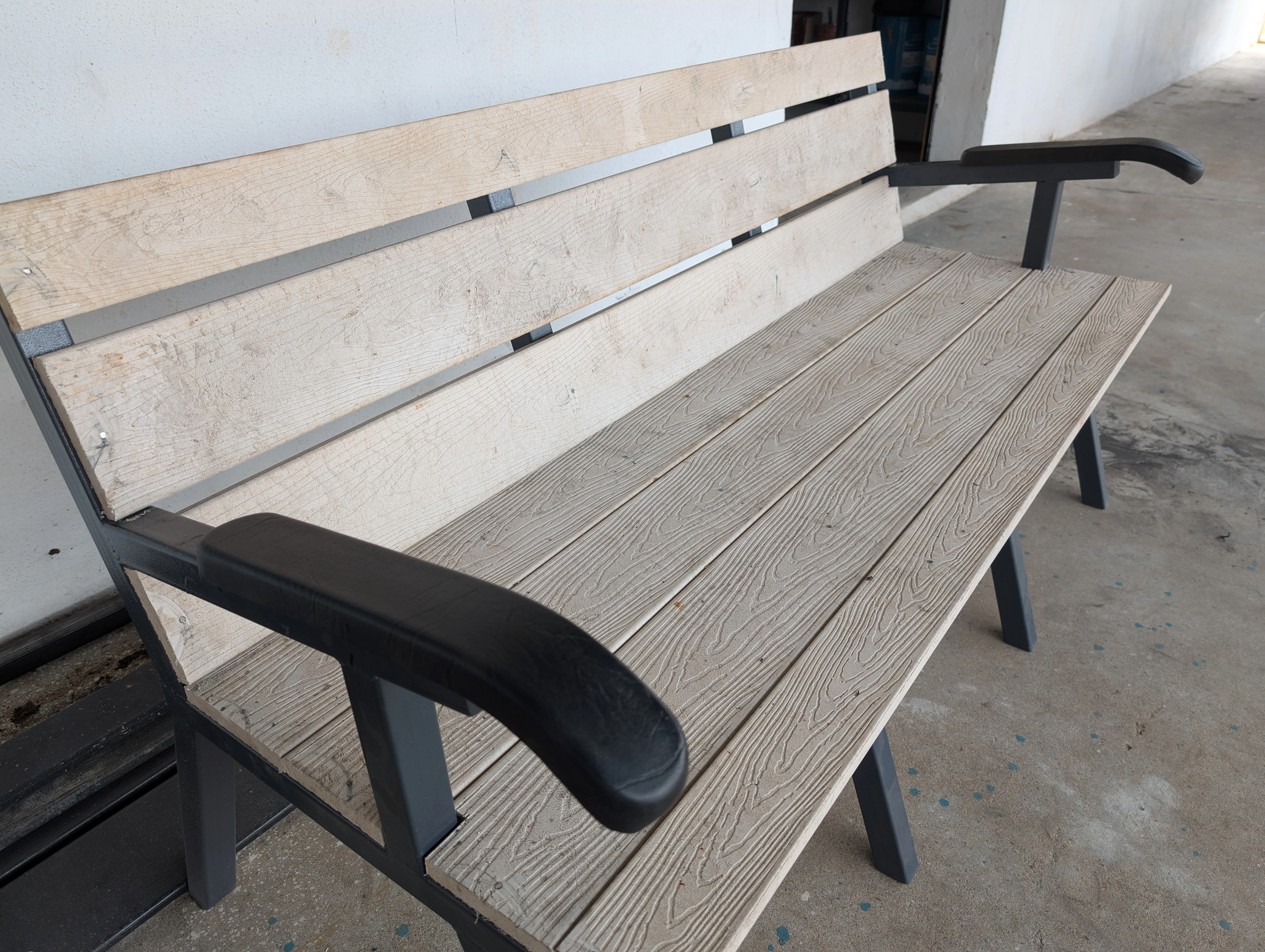
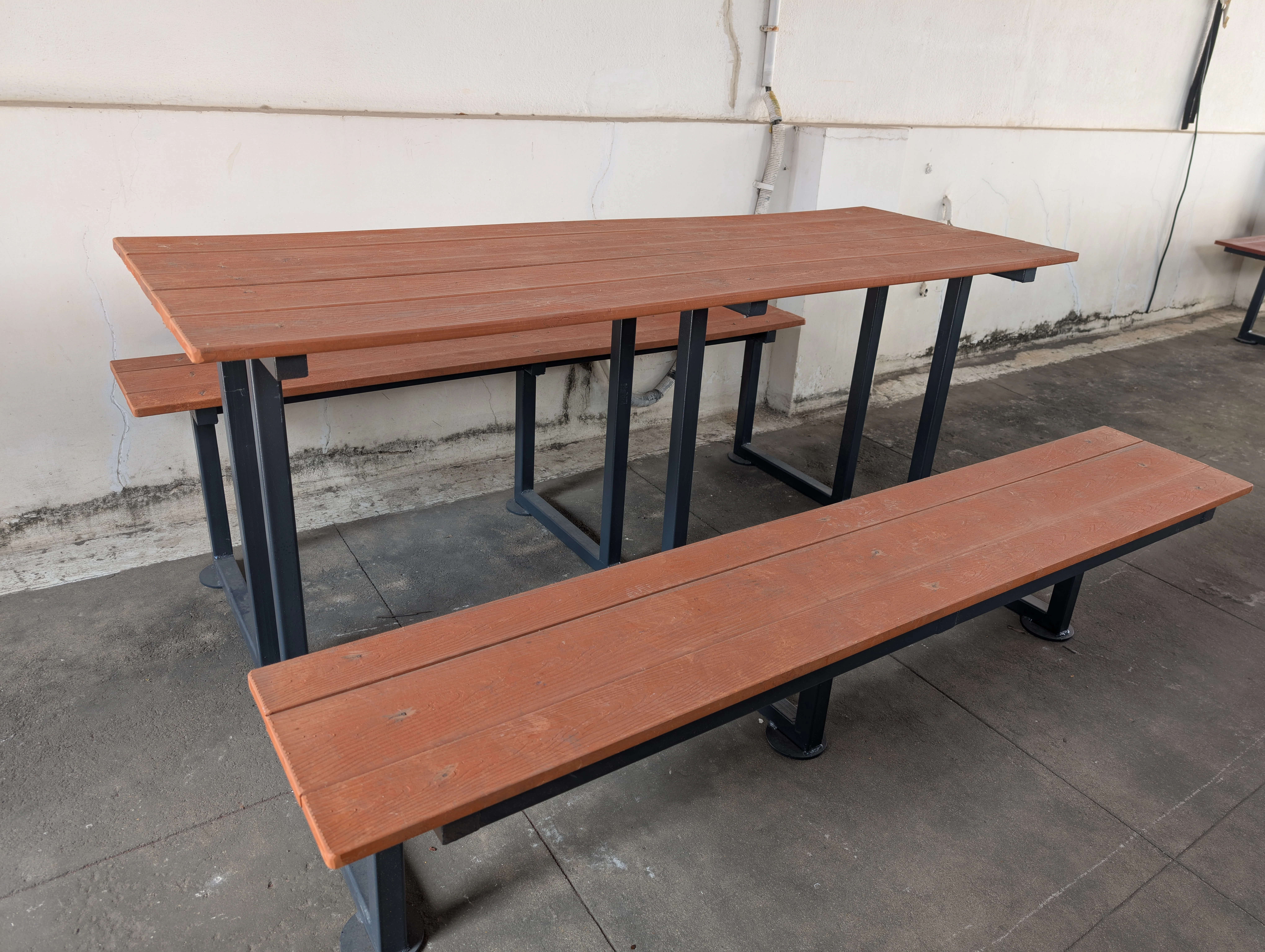
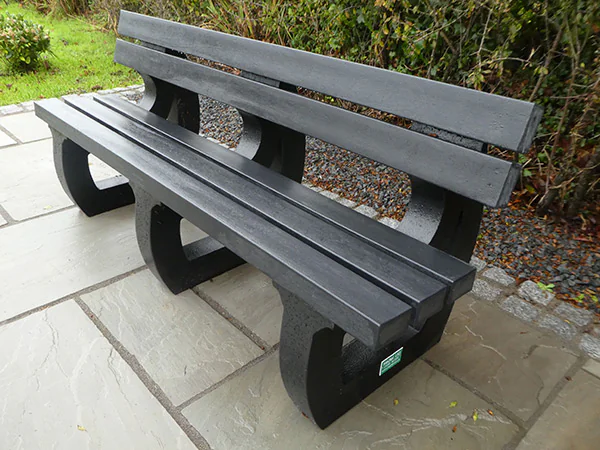
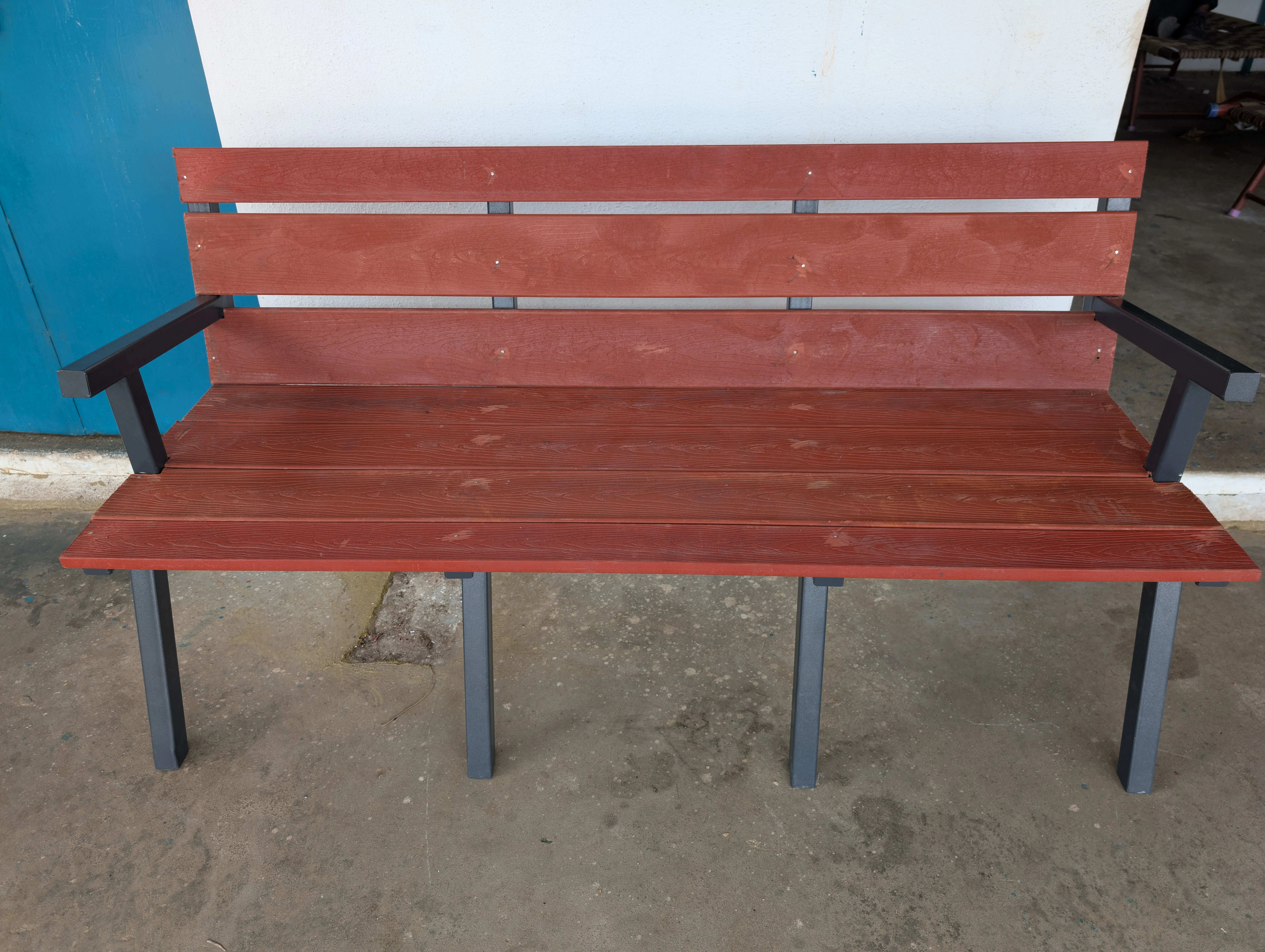
  • Products Processed: Plastic Sand Composite Park Bench Lumber Plank Multi-color, non-fading, waterproof, non-corrosive, highly impact-resistant, lightweight planks with all-weather durability
  • Why 315 Ton Hydraulic Press: Delivers the precise compaction force needed to eliminate voids across dense fly ash and polymer mixtures while preserving tight profile tolerances

02 — Technical Specifications

SM 315 HP – Hydraulic Press Machine Complete Technical Data

The SM 315 HP provides precise 315-ton hydraulic compaction designed for processing high-density fly ash and recycled plastic composites into durable park bench planks. Its rigid four-column construction ensures exact platen alignment, uniform material density, and minimum structural deflection during full-pressure pressing.

Capacity

  • Pressing Capacity: 315 Ton

Structural Design

  • Frame Type: Heavy duty four column rigid tie rod structure

Hydraulic System

  • Main Ram Stroke: 500 mm
  • Working Hydraulic Pressure: 250 Bar
  • Daylight Gap: 900 mm
  • Approach Speed: 120 mm per Sec
  • Pressing / Drawing Speed: 8 to 15 mm per Sec
  • Return Speed: 100 mm per Sec
  • Bed / Platen Size: 1200 x 800 mm
  • Columns: 4 Solid hard chrome plated steel pillars

Working Envelope: Maximum operational clearance for deep cavity mold systems

Control System

  • Main Motor Power: 25 HP
  • Valves and Hydraulics: Proportional pressure and flow control block manifold system
  • Automation: PLC controlled with human machine interface touchscreen panel

Safety Features: Dual palm switch buttons, safety light curtains, and automatic overload protection valves

SM 315 HP — Model Specifications

  • Nominal Force: 3150 KN
  • Maximum Hydraulic Pressure: 25 MPa
  • Max Opening Height of the Slider: 1000 mm
  • Max Stroke of the Slider: 600 mm
  • Effective Bed Size: 800 × 800 mm
  • Slider Down Speed: 100 mm/s
  • Slider Pressing Speed: 7–12 mm/s
  • Slider Return Speed: 90 mm/s
  • Ejector Cylinder Nominal Force: 300 KN
  • Stroke of the Ejection Cylinder: 300 mm
Production Case Study

315 Ton Polymer Sand Composite Park Bench Lumber Plank Production Line

Plastic Sand CompositeMaterial
1830 L x 140 W mmLumber Plank Size
20-25 mmPlank Thickness
120 SecondsCycle Time
High Daily Production Capacity
Superior Core Compaction Density
Zero Internal Air Voids
Maximum Recycled Plastic Utilization
Consistent Dimensional Thickness Control
Rapid Mold Chill Solidification
All Weather Bench Durability
03 — Die / Mold System

Precision 2 Cavity Park Bench Lumber Plank Die Mold Engineering

Produces high-precision synthetic lumber planks designed for outdoor park bench assembly. Delivers durable weather resistant structural profiles with consistent cross sectional dimensions.

Technical Specifications (Tooling)

Die Type

  • Mold Cavity: 2 Cavity Mold

Die Materials

  • Core and Cavity Steel: Hardened Tool Steel H13
  • Mold Base Steel: Standard Carbon Steel S50C

Tool Configuration and Construction

  • Construction Type: Split modular assembly with balanced runner channels
  • Cooling Circuit: High flow rate internal cooling lines at 15 mm per Sec

Key Tooling Features

  • Ejection System: Hydraulic ejector pin layout with auto strip action
  • Venting Profile: Precision perimeter venting grooves at 0 point 02 mm depth

Alignment Accuracy

  • Guide Pin Tolerance: Precision match within 0 point 005 mm
  • Parting Line Positional Accuracy: Deviation within 0 point 01 mm

Surface Finish

  • Cavity Surface Polish: SPI A2 high gloss polish
  • Surface Roughness: Ra value 0 point 4 mm

Tool Life

  • Expected Operational Life: 1000000 production cycles
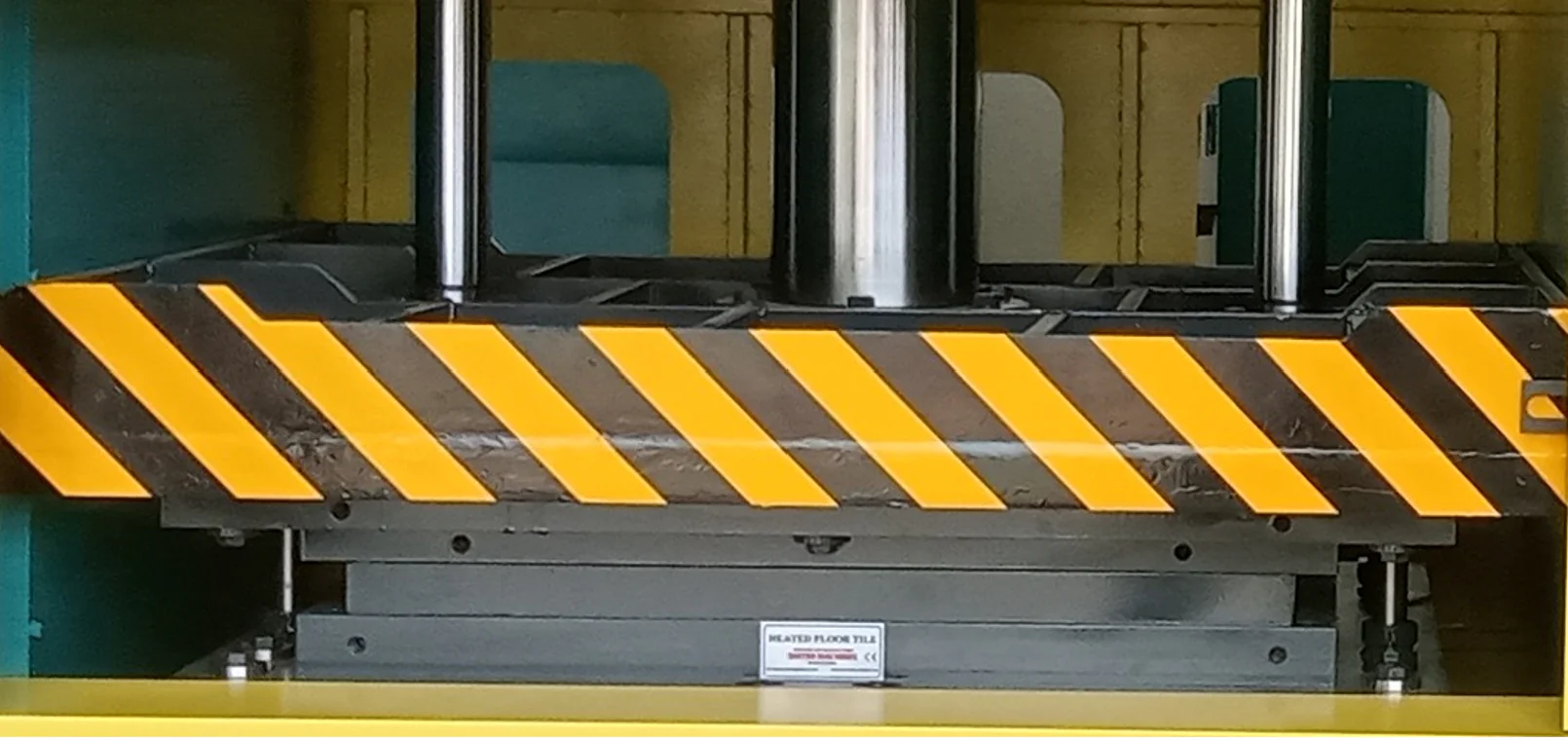
Park Bench Planks Press — die mould
Case Study (Die Performance)

Precision 2 Cavity Park Bench Lumber Plank Die Mold

H13 steel AlloyDie Material
56-60 HRCHardness
Vacuum HardeningHeat Treatment
Reduced cycle time significantly
Extended operational tool lifespan
Achieved high dimensional accuracy
Minimized material wall variation
Improved profile surface finish
Enhanced internal cooling efficiency

04 — Product Application

Where Plastic Sand Composite Park Bench Lumber Planks Are Used

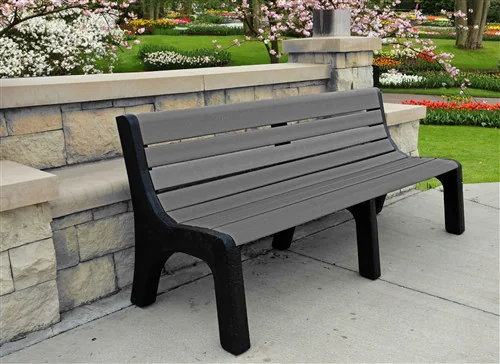
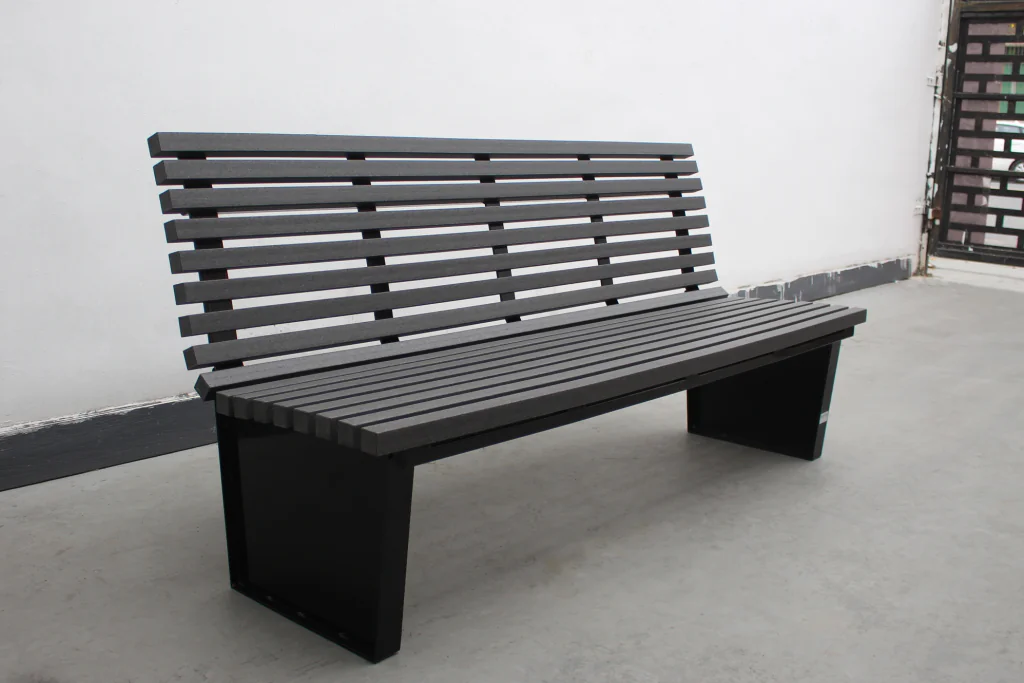
Plastic sand composite park bench lumber planks offer an eco-friendly alternative to traditional timber, combining recycled plastics with sand to create high-durability outdoor structural profiles. These synthetic planks resist moisture, rot, and heavy weathering, making them ideal for high-traffic public and commercial infrastructure.

Industry Applications

Urban Public Parks and Playgrounds

Installed extensively on municipal park benches, picnic tables, and boundary seating throughout public recreational zones.These planks withstand continuous heavy daily exposure and resist vandalism without splintering or requiring regular repainting.

Coastal and Waterfront Boardwalks

Utilized for beachfront benches, promenade seating, and pier rests exposed to harsh marine environments.The composite material naturally repels saltwater corrosion, humidity, and intense sun exposure without rotting or warping over time.

Commercial and Educational Campuses

Featured in outdoor seating areas across corporate offices, university grounds, and school courtyards.Provides low-maintenance structural seating that accommodates heavy foot traffic while supporting institutional sustainability initiatives.

Transit Hubs and Open Air Terminals

Deployed at bus stops, railway platform waiting areas, and airport exterior passenger waiting zones.Offers robust structural integrity under constant physical wear while providing comfortable all-weather seating for commuters.

Finished Product Gallery

05 — Key Advantages

Why Choose the 315-Ton Sinter Hydraulic Press

The 315-Ton Sinter Hydraulic Press provides precise pressure and heat control required to compress dense plastic-sand mixtures into structural planks. Its heavy-duty design ensures consistent density, minimal material defect rates, and rapid continuous production cycles for high-volume manufacturing.

Technical & Commercial Benefits

01

High Structural Density and Strength

Delivers 315 tons of uniform force to eliminate air pockets and internal voids within the heavy plastic-sand composite matrix.

This creates highly durable, solid planks capable of supporting high load capacities without structural flexing or warping under stress.

02

Optimized Thermal and Pressure Control

Integrates precise hydraulic force regulation with multi-zone heating plates to ensure complete plastic melting and thorough sand encapsulation.

The controlled sintering process guarantees uniform core density and prevents surface defects or weak spots across the entire profile.

03

High Production Throughput and Yield

Features fast press-closing speeds and efficient hydraulic power units that significantly shorten overall molding cycle times.

Maximized output capacity lowers the per-unit manufacturing cost and maximizes daily factory output for large-scale supply contracts.

04

Lower Raw Material and Energy Expenses

Utilizes low-cost recycled plastics mixed with abundant sand aggregate while operating on an energy-efficient hydraulic circuit.

The resulting reduction in material waste and electricity consumption significantly improves overall profit margins for manufacturers.

05

Extended Tooling and Equipment Lifespan

Built with rugged structural steel frames and rigid guiding systems that minimize mechanical deflection and uneven die wear.

Reduced strain on the press frame and mold cavity prolongs the operational service life of expensive tooling and minimizes maintenance downtime.

06

Low Maintenance and Operational Reliability

Equipped with heavy-duty hydraulic valves, automatic lubrication systems, and advanced diagnostic PLCs for uninterrupted long-term service.

Fewer moving parts and stable operating pressures reduce unscheduled downtime and keep long-term routine maintenance costs low.