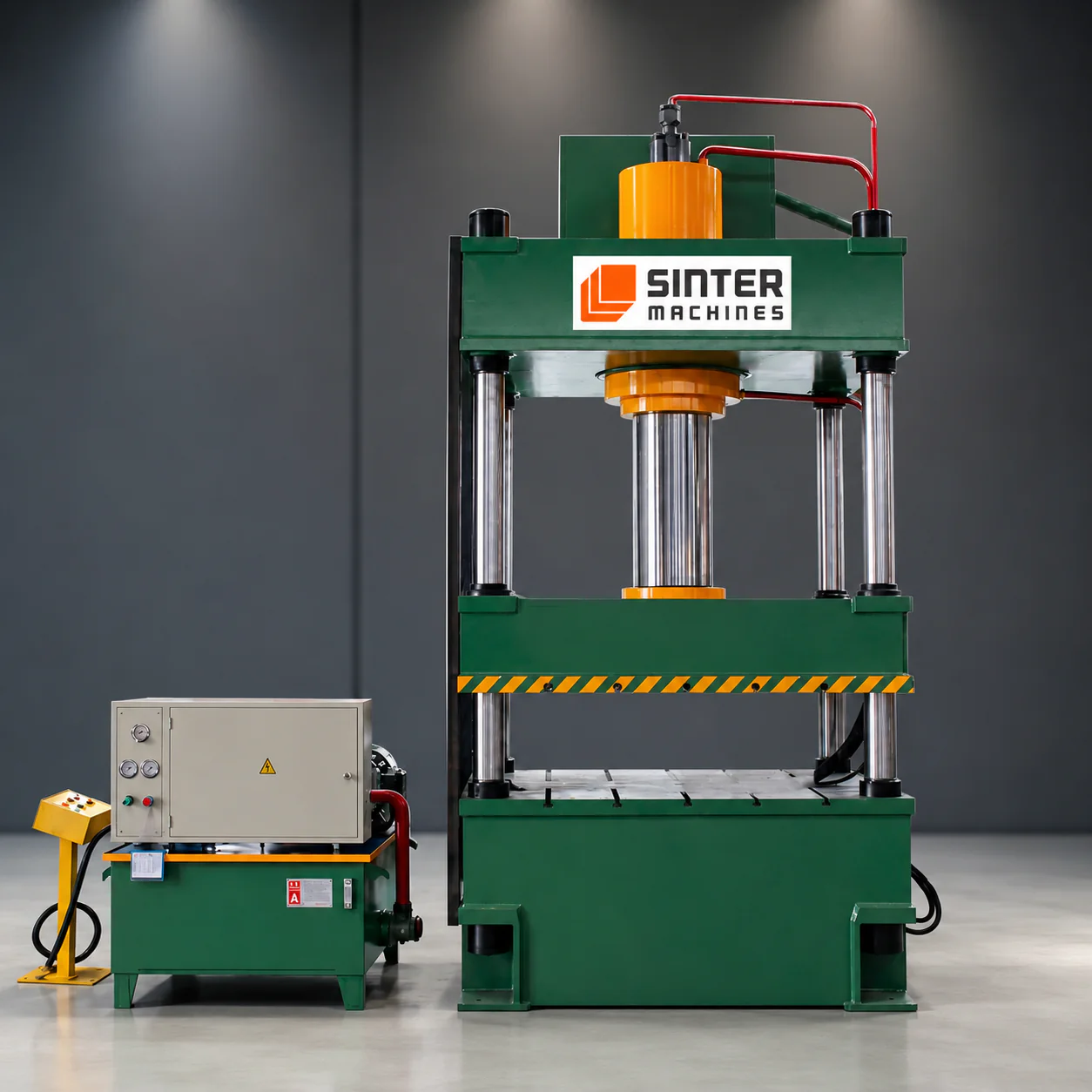
Floor Slabs Press — hydraulic press 1
Plastic Sand Parking Floor Slabs · Hydraulic Press Machine

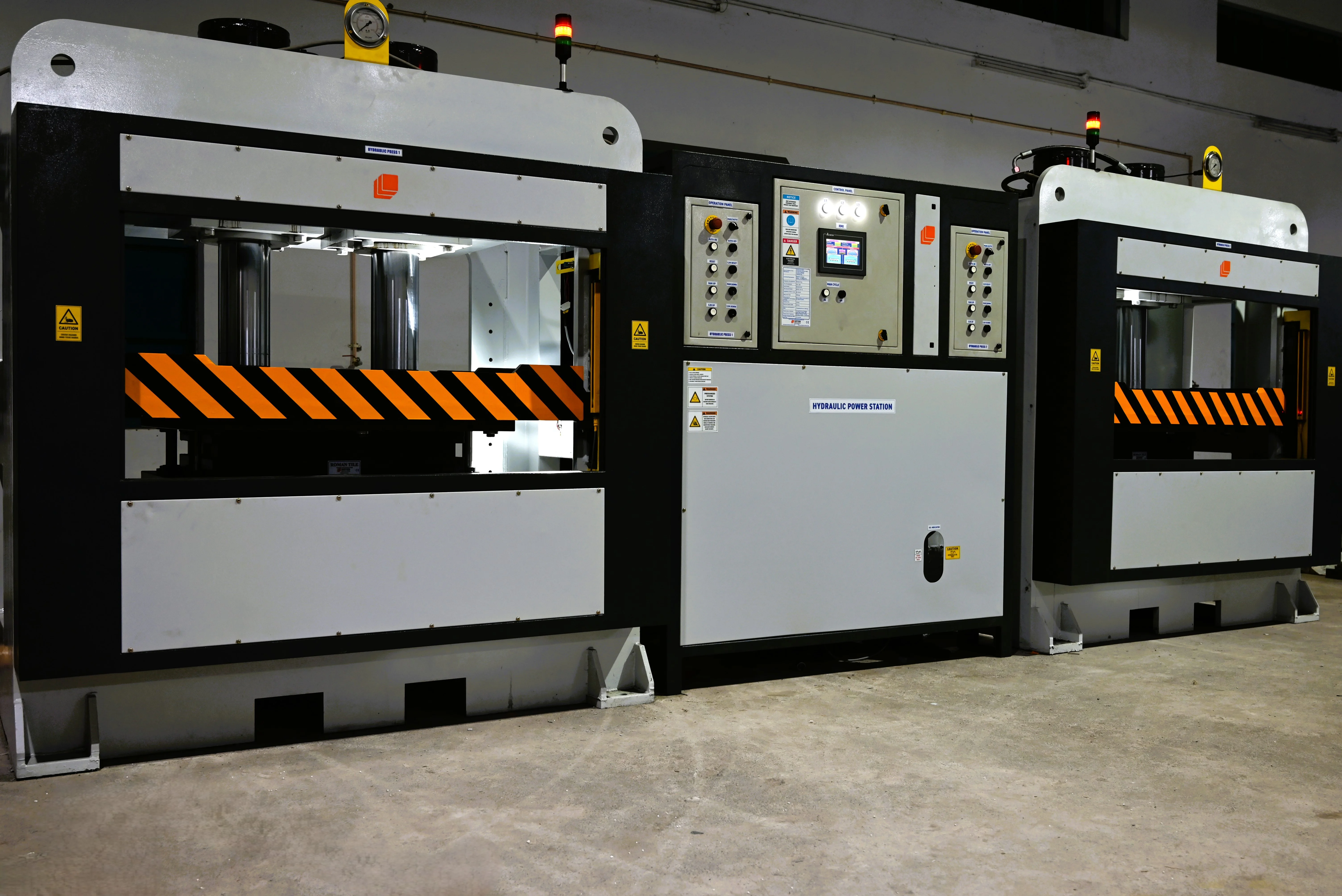
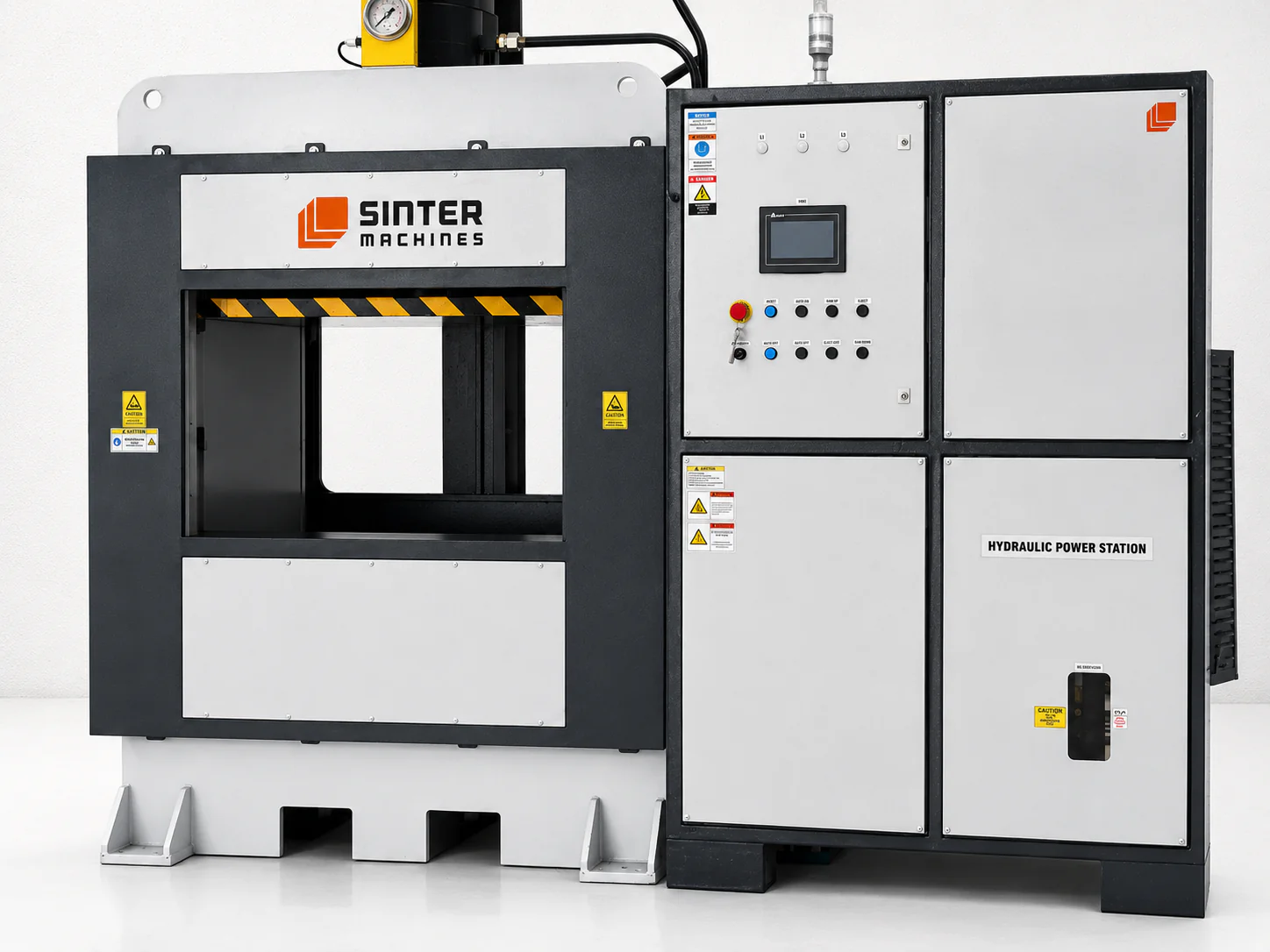
200T Four Column Hydraulic Press for Plastic Sand Parking Floor Slabs

200T Rated Capacity
100 mm/s Slider Down Speed
7–18 mm/s Slider Pressing Speed
90 mm/s Slider Return Speed

01 — Press System

200T Four Column Hydraulic Press Machine

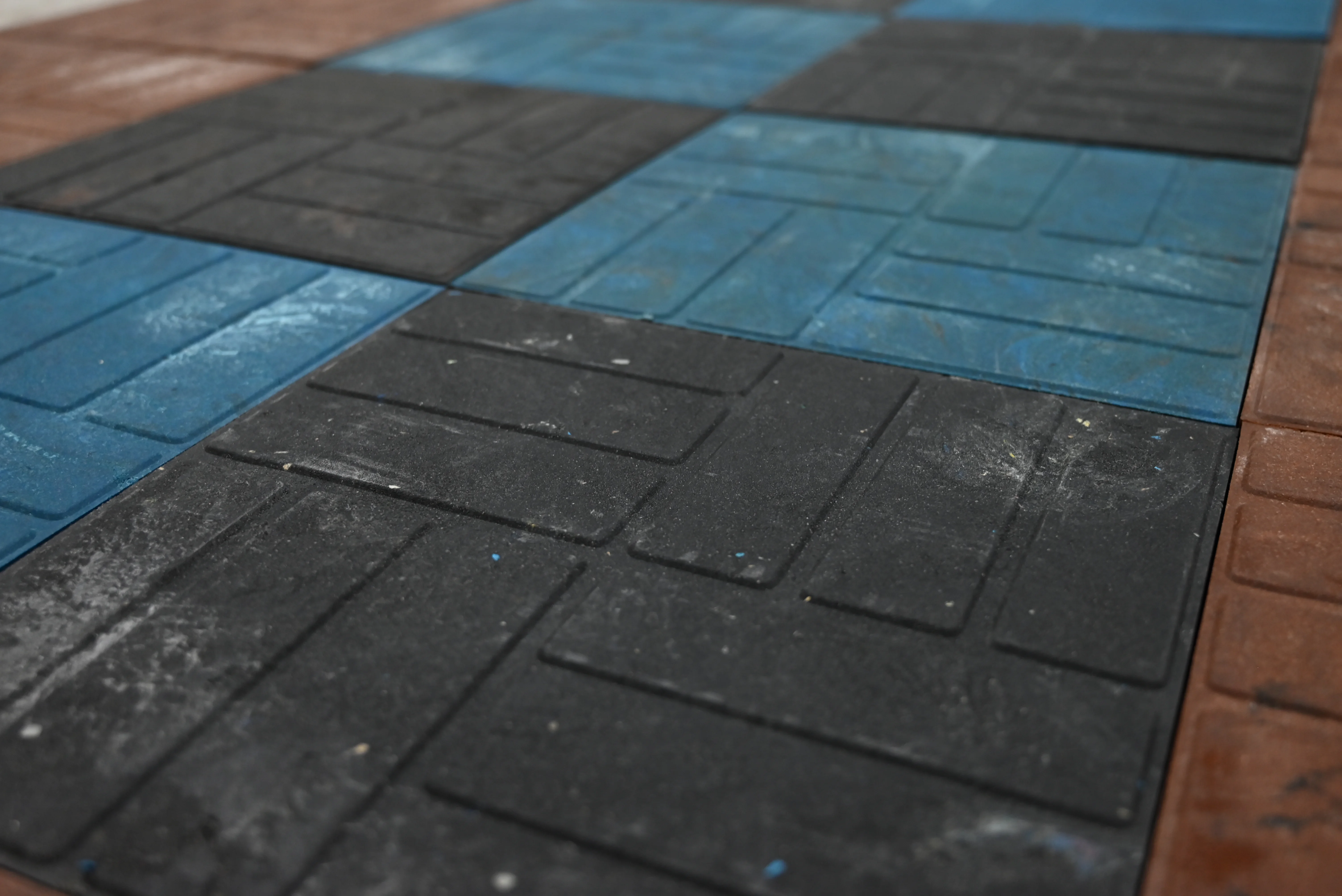
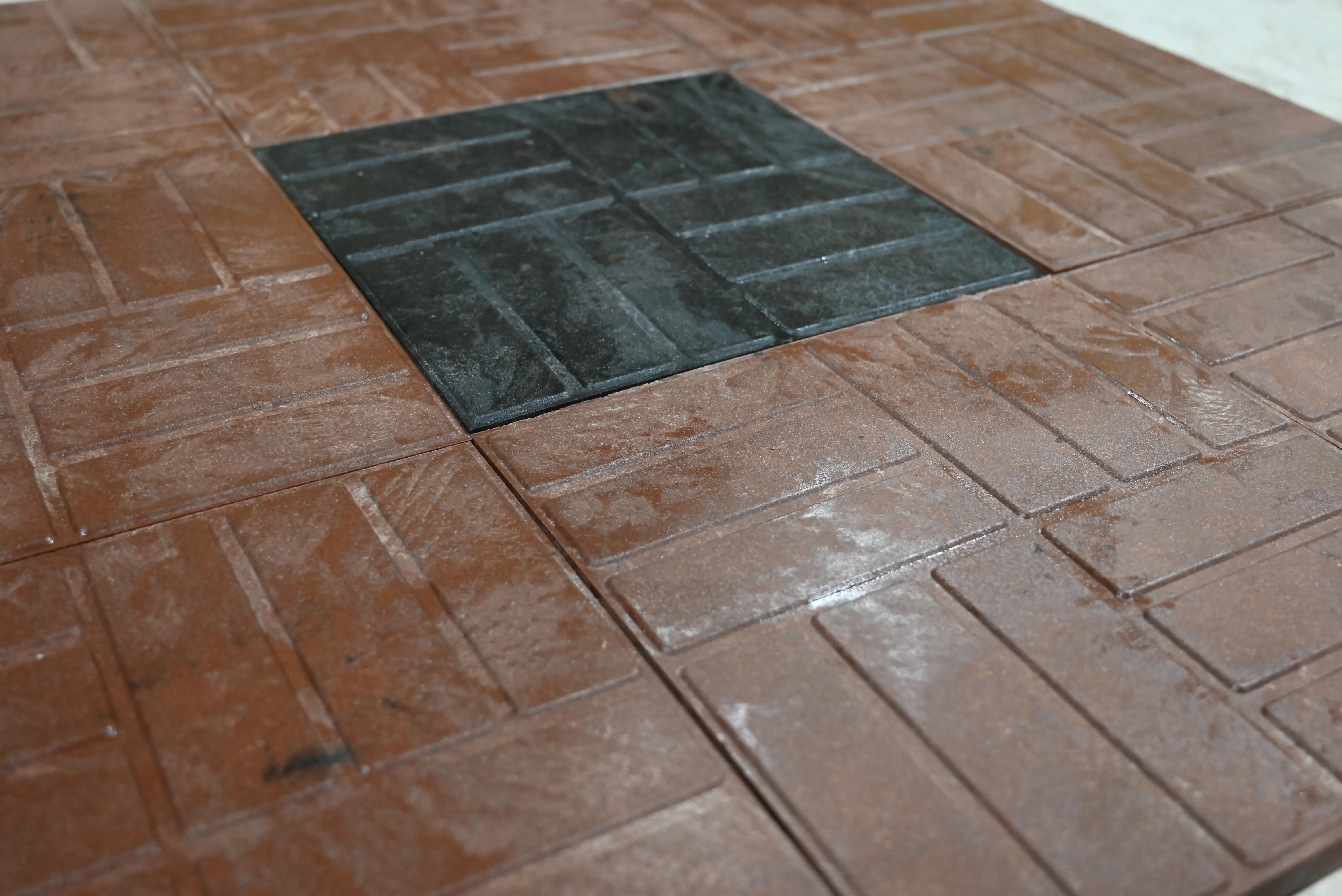
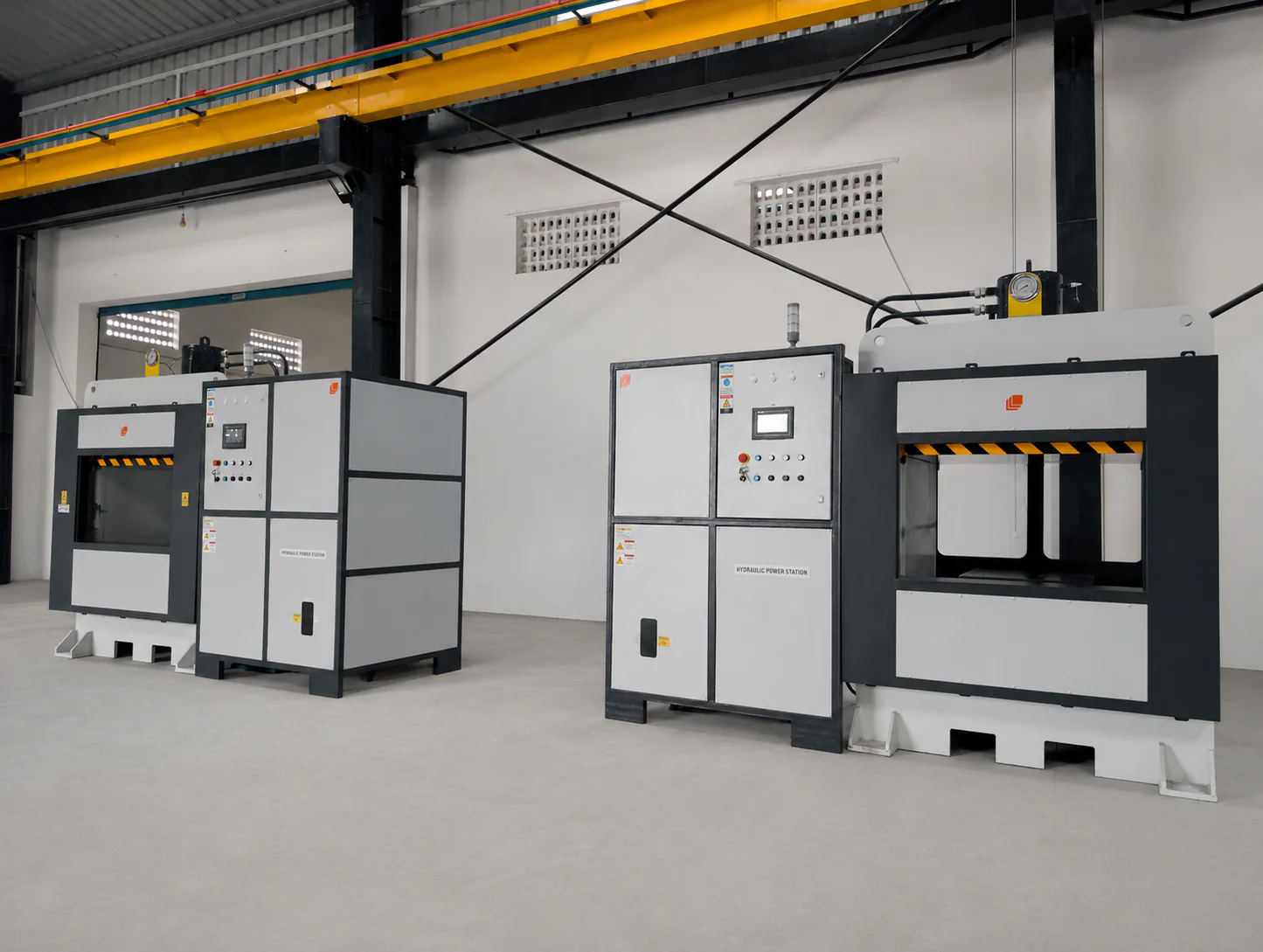
This complete production line integrates automated material loading, thermal extrusion mixing, high-pressure hydraulic forming, and rapid water-chilled cooling for efficient manufacturing. The system delivers dense, highly durable, and multi-colored plastic-sand composite parking floor slabs designed to withstand continuous vehicle traffic and extreme weather.

Use Case

The integrated 200-ton press line uses an auto-loader and extruder to melt and mix ocean and river recycled plastics with cryolite waste sand, feeding hot molten material directly into the hydraulic press. Under high compaction force and rapid ~15°C chilled water cooling, the molten mix is molded into dense, void-free parking floor slabs that cool quickly from 200°C to 60°C for fast demolding.

  • Core Applications: Commercial and residential parking lots, driveway paving, vehicle staging bays, multi-level garage floors, and outdoor parking zones.
  • Material: Waste Recycled Plastics + Cryolite Waste Sand + Pigments
  • Products Processed: Plastic Sand Composite Parking Floor Slabs
  • Why 200 Ton Hydraulic Press: Provides optimal tonnage compaction required to eliminate micro-voids, achieve 30 to 40 percent weight reduction compared to standard concrete, and deliver superior impact resistance and vehicle load-bearing capacity across parking slab profiles.

02 — Technical Specifications

SM 200 HP – Hydraulic Press Machine Complete Technical Data

The SM 200 HP 200-Ton Hydraulic Press Machine offers high-precision compaction and fast processing speed for manufacturing composite parking floor slabs. Built with heavy-duty structural components and advanced controls, it guarantees uniform density and long-term operating reliability.

Capacity

  • Nominal Force: 200 Ton
  • Max Hydraulic Capacity: 200 Ton

Structural Design

  • Construction: Rigid heavy duty welded steel plate
  • Rigidity: High dynamic load resistance structure

Frame Type

  • Design: Four Column Type Frame

Hydraulic System

  • Drive System: High pressure hydraulic power unit
  • Fluid Circuit: Integrated proportional valve manifold circuit

Main Ram Stroke

  • Stroke Length: 500 mm

Working Hydraulic Pressure

  • Operating Pressure: 22 MPa

Daylight Gap

  • Maximum Opening: 800 mm

Approach Speed

  • Fast Down Speed: 150 mm Sec

Pressing / Drawing Speed

  • Working Press Speed: 10 to 15 mm Sec

Return Speed

  • Fast Up Speed: 120 mm Sec

Bed / Platen Size

  • Bolster Platen Area: 1000 x 1000 mm

Columns

  • Column Count: 4 Solid Steel Columns
  • Column Diameter: 150 mm

Working Envelope

  • Clear Clearance Between Columns: 800 x 650 mm

Control System

  • System Type: PLC with Human Machine Interface touch screen

Main Motor Power

  • Electric Motor Capacity: 18.5 kW

Valves & Hydraulics

  • Valve Components: High speed logic cartridge valves

Automation

  • Operation Mode: Automatic semi automatic and manual modes

Safety Features

  • Protection Systems: Dual safety light curtains emergency stop pushbuttons and hydraulic circuit safety valves

SM 200 HP — Model Specifications

  • Nominal Force: 2000 KN
  • Maximum Hydraulic Pressure: 25 MPa
  • Max Opening Height of the Slider: 1100 mm
  • Max Stroke of the Slider: 700 mm
  • Effective Bed Size: 1000 × 1000 mm
  • Slider Down Speed: 100 mm/s
  • Slider Pressing Speed: 7–18 mm/s
  • Slider Return Speed: 90 mm/s
  • Ejector Cylinder Nominal Force: 200 KN
  • Stroke of the Ejection Cylinder: 200 mm
Production Case Study

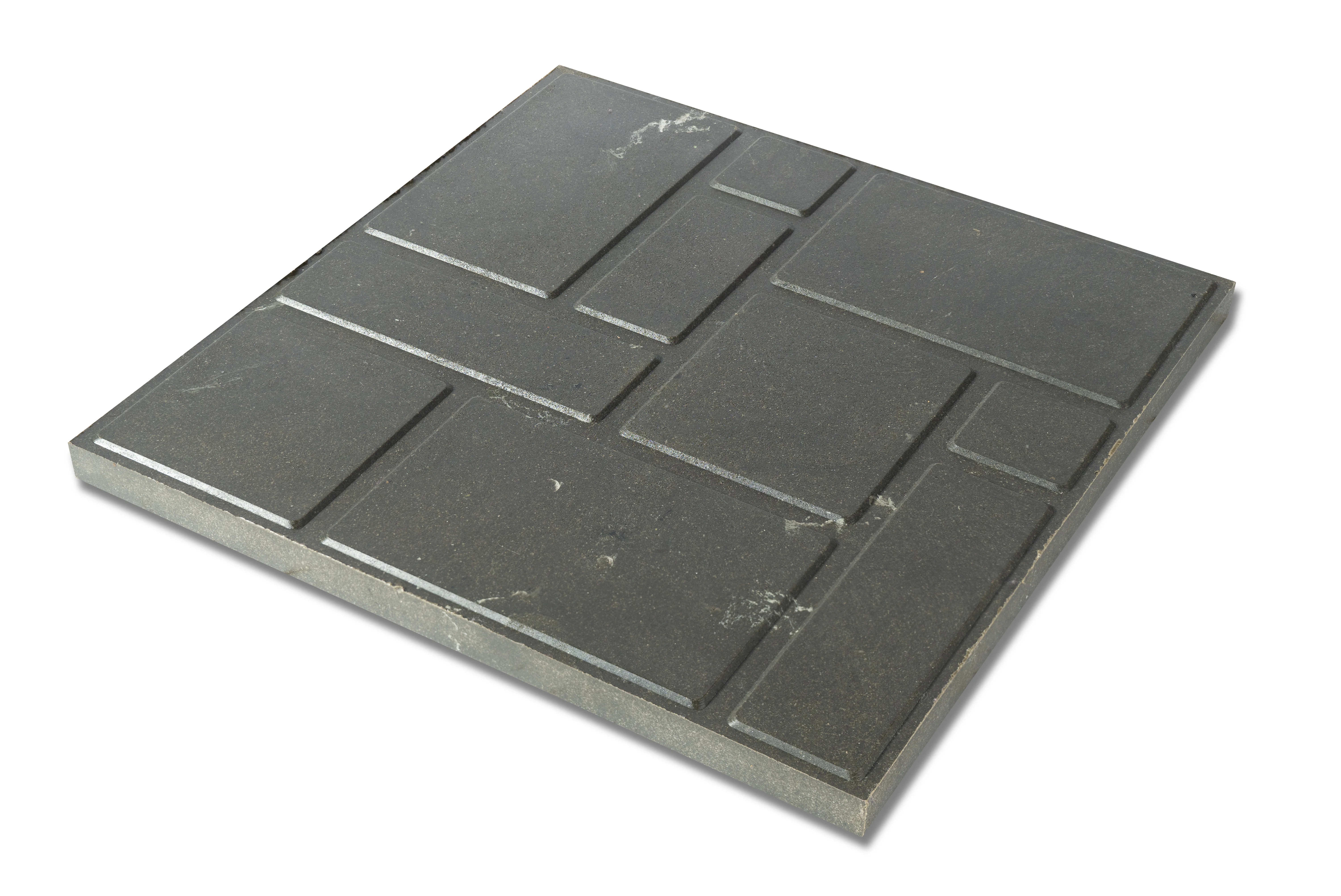
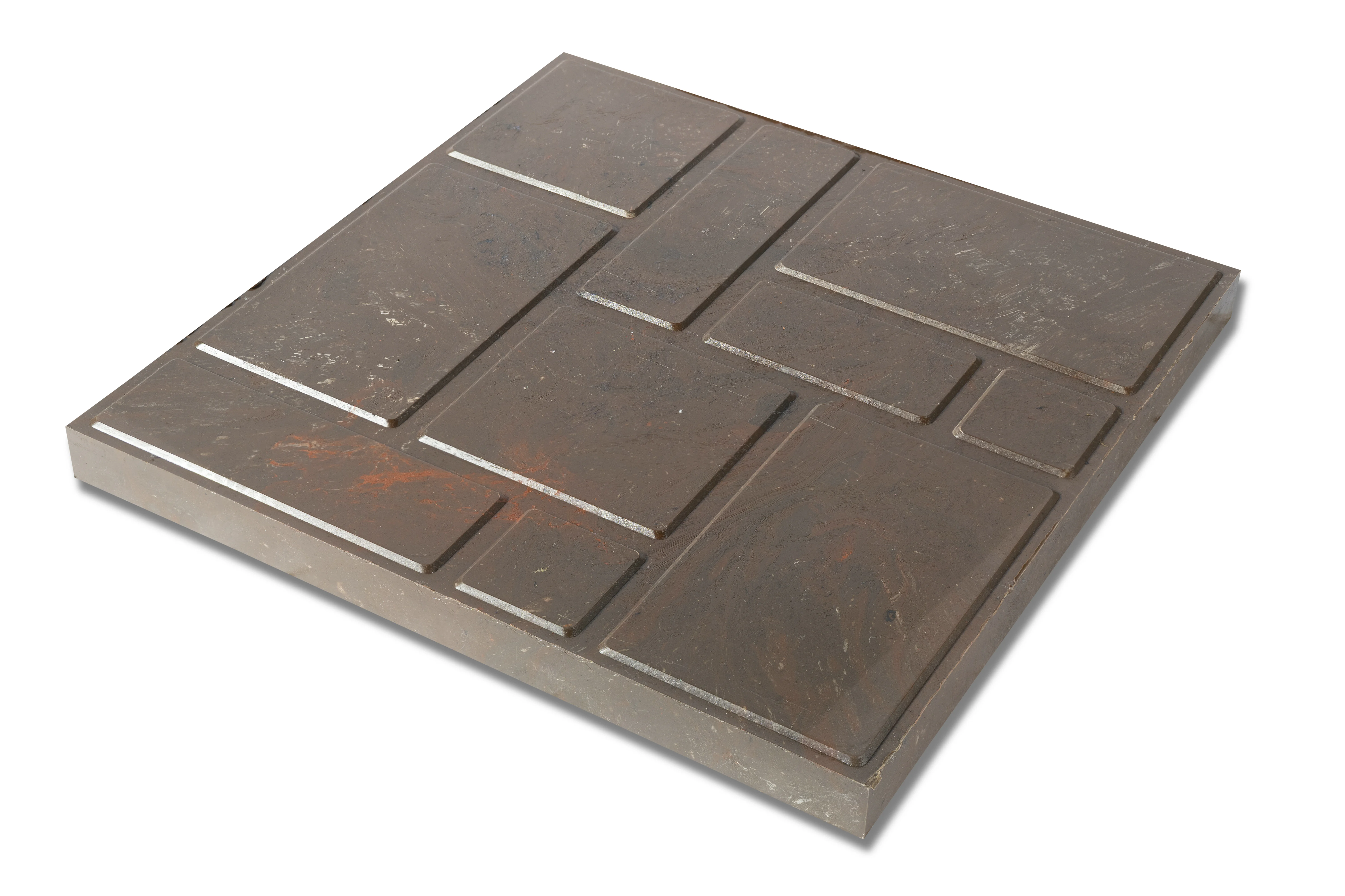
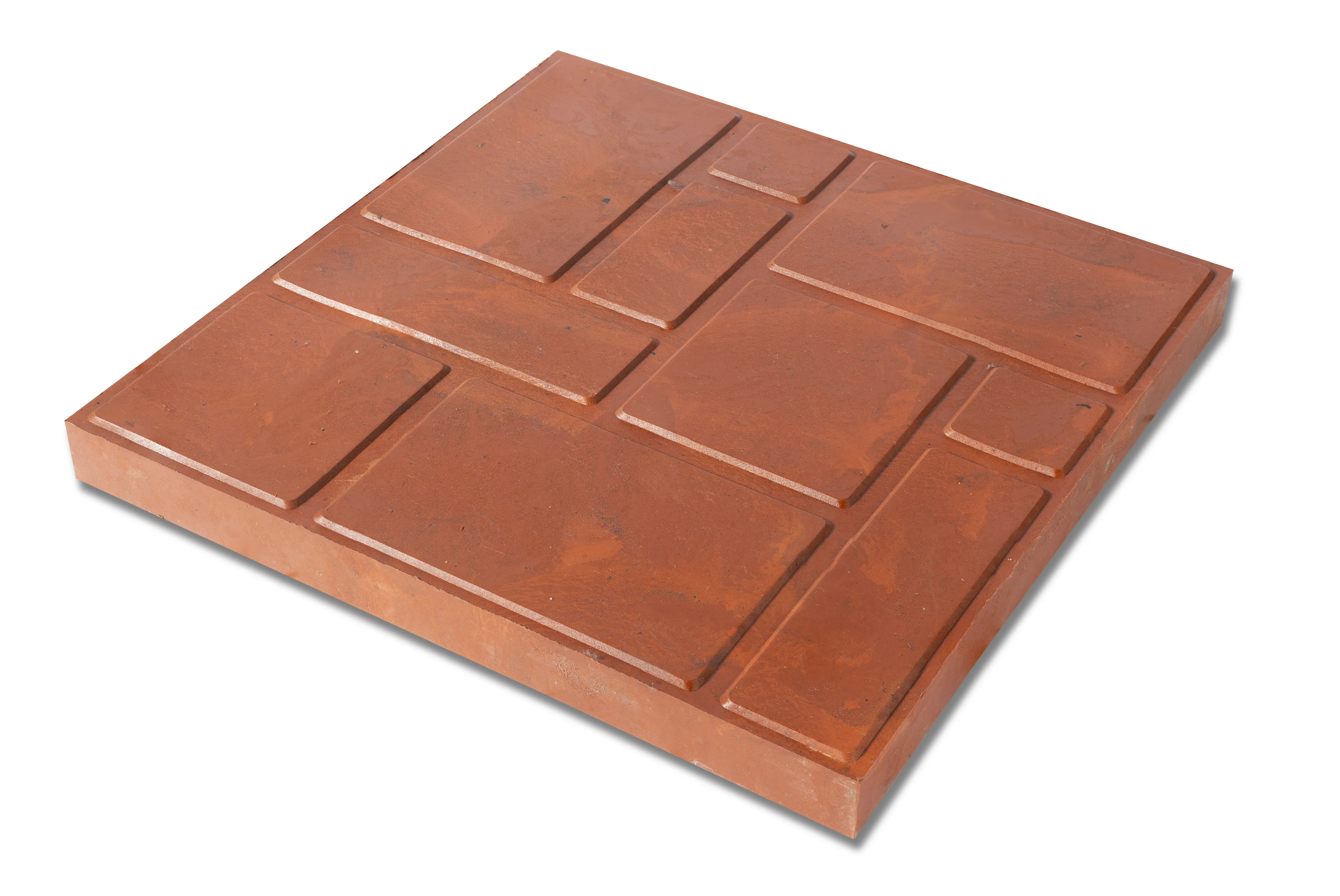
200 Ton Plastic Sand Composite Parking Floor Slabs Production Line

Plastic Sand CompositeMaterial
330 x 330 mmSlab Size
10-30 mmSlab Thickness
120 SecondsCycle Time
High molding density output
Consistent slab surface finish
Precise dimension dynamic accuracy
Fast integrated cycle times
Low thermal deformation rate
Optimal energy usage efficiency
Zero structural material defects
03 — Die / Mold System

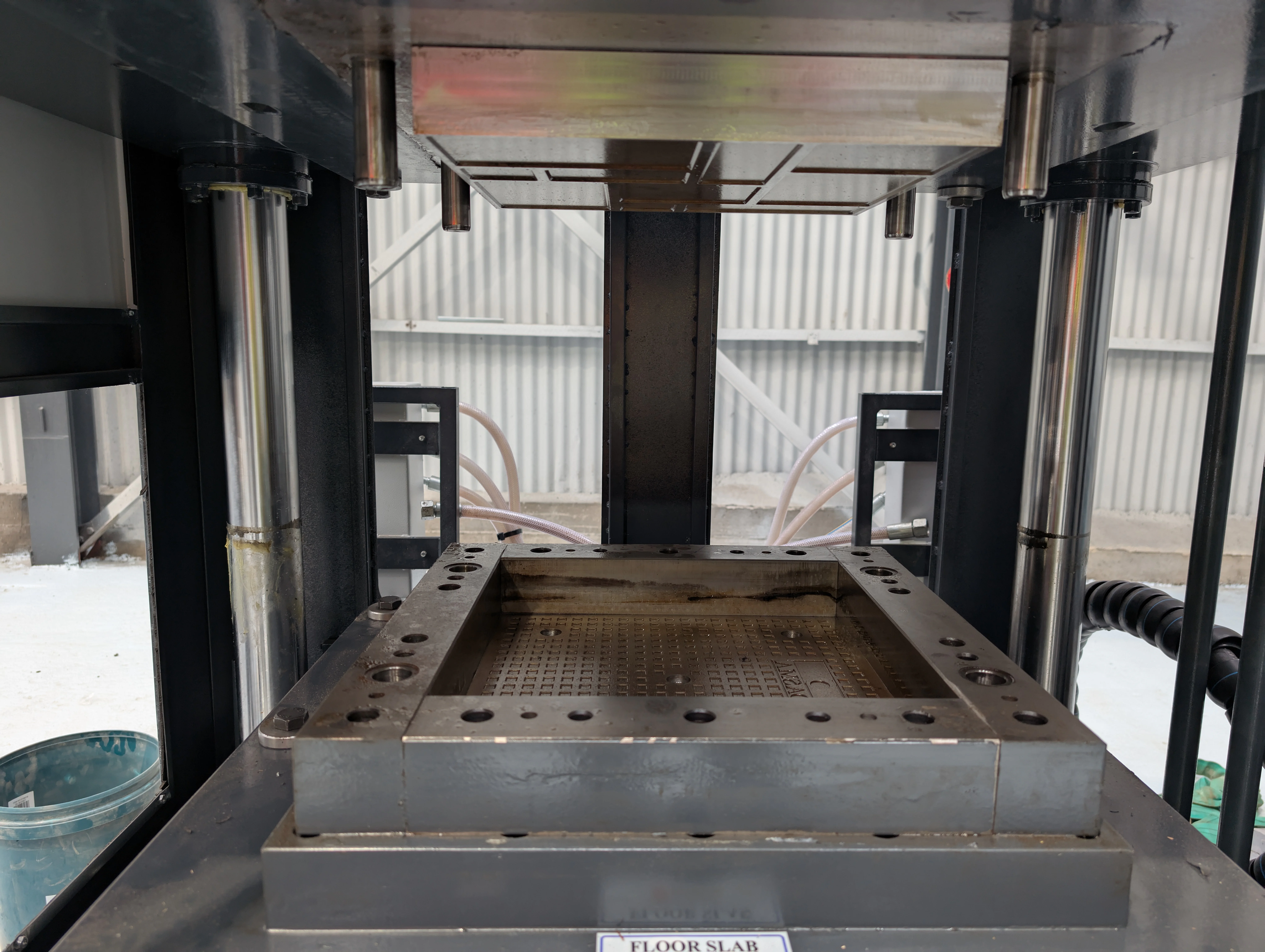
Precision 2 Cavity Plastic Sand Floor Slabs Die Mold Engineering

Designed for high-precision, multi-cavity injection or compression molding of miniature parking floor slab components used in architectural models and toy scale sets. Ensures high repeatability, sharp edge definition, and dimensional consistency across mass production runs.

Technical Specifications (Tooling)

Die Type

  • Configuration: Precision 2 Cavity Mold

Die Materials

  • Core and Cavity Steel: Hardened P20 or H13 Tool Steel
  • Mold Base: C45 or P20 Standard Steel
  • Guide Bushings and Pins: Case Hardened Alloy Steel

Tool Configuration and Construction

  • Ejection Mechanism: Multi Pin Ejector System
  • Cooling Channels: Conformal Line Cooling Passages
  • Feeding System: Cold Runner with Submarine Gates

Key Tooling Features

  • Interchangeable Inserts: Rapid Replacement Design
  • Venting System: Integrated Micro Venting Slots
  • Clamping System: Standard Plate Clamping Slots

Alignment Accuracy

  • Positional Precision: Within 0.005 mm
  • Parting Line Repeatability: Within 0.002 mm

Surface Finish

  • Cavity Polish Level: SPI A2 High Polish
  • Texturing: Mold Tech Textured Patterns

Tool Life

  • Production Longevity: 1000000 Cycles
Floor Slabs Press — die mould 2
Case Study (Die Performance)

Precision 2 Cavity Plastic Sand Parking Floor Slabs Die Mold

Hardened H13 Tool SteelDie Material
52 to 54 HRCHardness
Vacuum HardeningHeat Treatment
Reduced cycle times
Zero flash formation
Excellent surface finish
High dimensional accuracy
Extended mold life
Minimal ejection force
Low maintenance downtime

04 — Product Application

Where Plastic Sand Composite Parking Floor Slabs Are Used

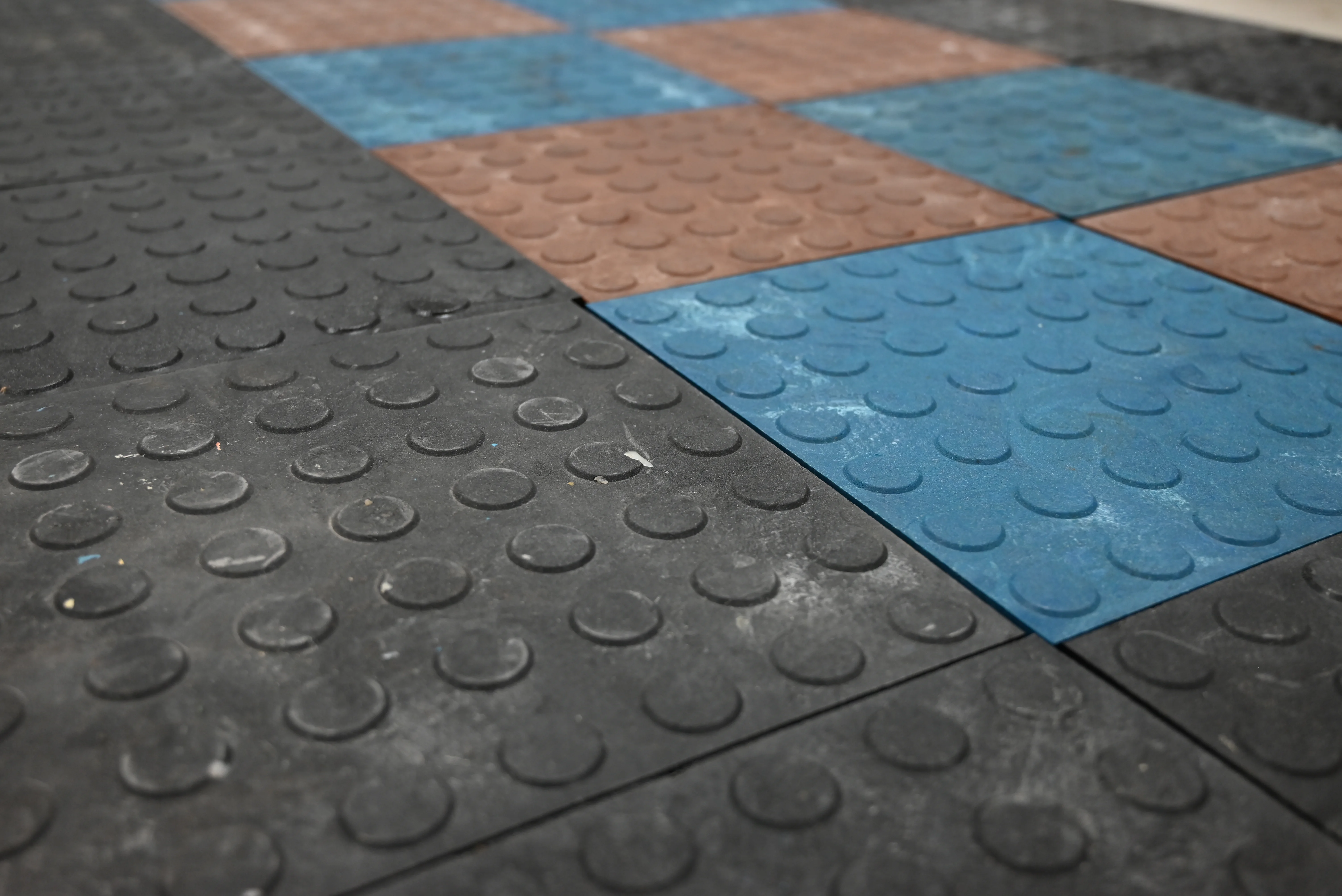
Plastic sand composite parking floor slabs offer an eco-friendly, high-strength alternative to traditional concrete, utilizing recycled polymers and silica sand to resist heavy vehicle loads and environmental wear.

Industry Applications

Commercial Building Parking Garages

Multi-story parking structures and shopping mall lots benefit from these durable slabs because they reduce structural dead weight while providing superior resistance to automotive fluid spills and heavy daily vehicular traffic without cracking.

Residential Driveways and Visitor Spaces

Homeowners and residential complex developers utilize these composite slabs to create clean, modular parking surfaces that prevent weed growth, handle high point loads, and maintain long-term aesthetic appeal with minimal maintenance needs.

Temporary and Event Parking Facilities

Event venues and temporary construction zones deploy these interlocking slabs on open ground to establish stable, non-slip parking zones without requiring permanent concrete foundations or damaging the underlying soil and landscape.

Industrial and Logistics Yard Parking

Warehouses and heavy manufacturing plants install plastic sand composite floor slabs in staging areas to withstand continuous forklift movement, heavy truck loads, and chemical exposure without surface spalling or degradation over time.

Finished Product Gallery

05 — Key Advantages

Why Choose the 200-Ton Sinter Hydraulic Press

The 200-Ton Sinter Hydraulic Press delivers high-density compaction and uniform heat distribution, enabling efficient conversion of plastic-sand mixtures into ultra-durable composite floor slabs. It ensures low operational costs while maintaining exceptional structural integrity across high-volume production runs.

Technical & Commercial Benefits

01

High Structural Density and Strength

Delivers 200 tons of controlled pressure to eliminate air pockets, ensuring every slab achieves maximum compressive strength and load-bearing capacity required for heavy vehicle parking.

02

Superior Energy and Thermal Efficiency

Optimized hydraulic heating platens reduce overall power consumption while maintaining consistent temperatures across the entire mold surface, significantly lowering utility expenses per cycle.

03

Extended Mold and Machine Lifespan

Smooth proportional pressure control minimizes mechanical shock to the 2-cavity die, reducing tool wear, preventing flash formation, and extending maintenance intervals.

04

Fast Cycle Times and Higher Output

Rapid press closure, automated sintering cycles, and quick decompression phases optimize cycle times to maximize daily unit production and meet demanding market schedules.

05

Eco-Friendly Recycled Material Processing

Handles high ratios of unsorted waste plastics and silica sand without clogging, supporting sustainable manufacturing while drastically reducing raw material sourcing costs.

06

Low Operational and Labor Costs

Fully programmable logic control allows single-operator monitoring and precise process repeatability, minimizing human error, material scrap rates, and ongoing labor overhead.