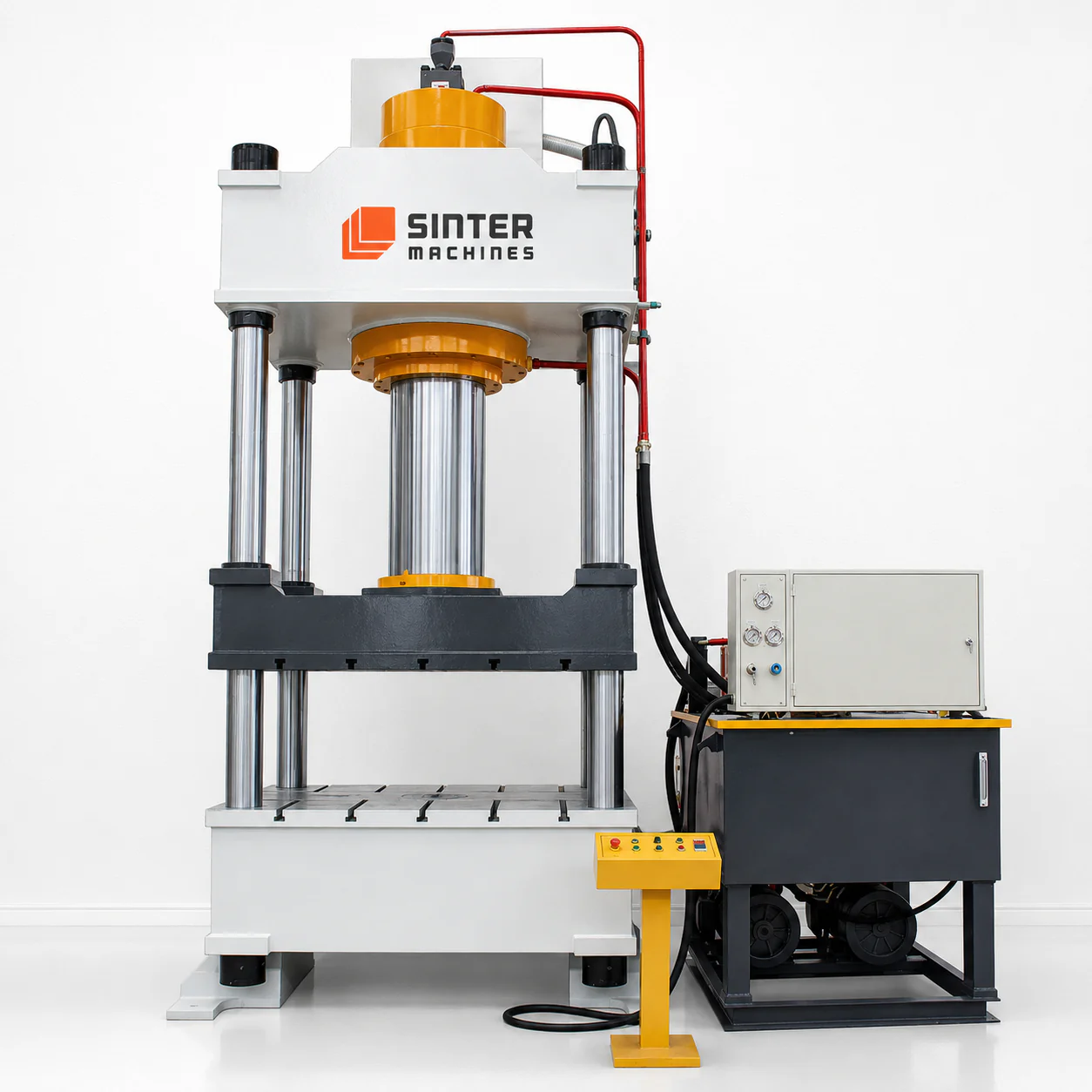
01 — Press System
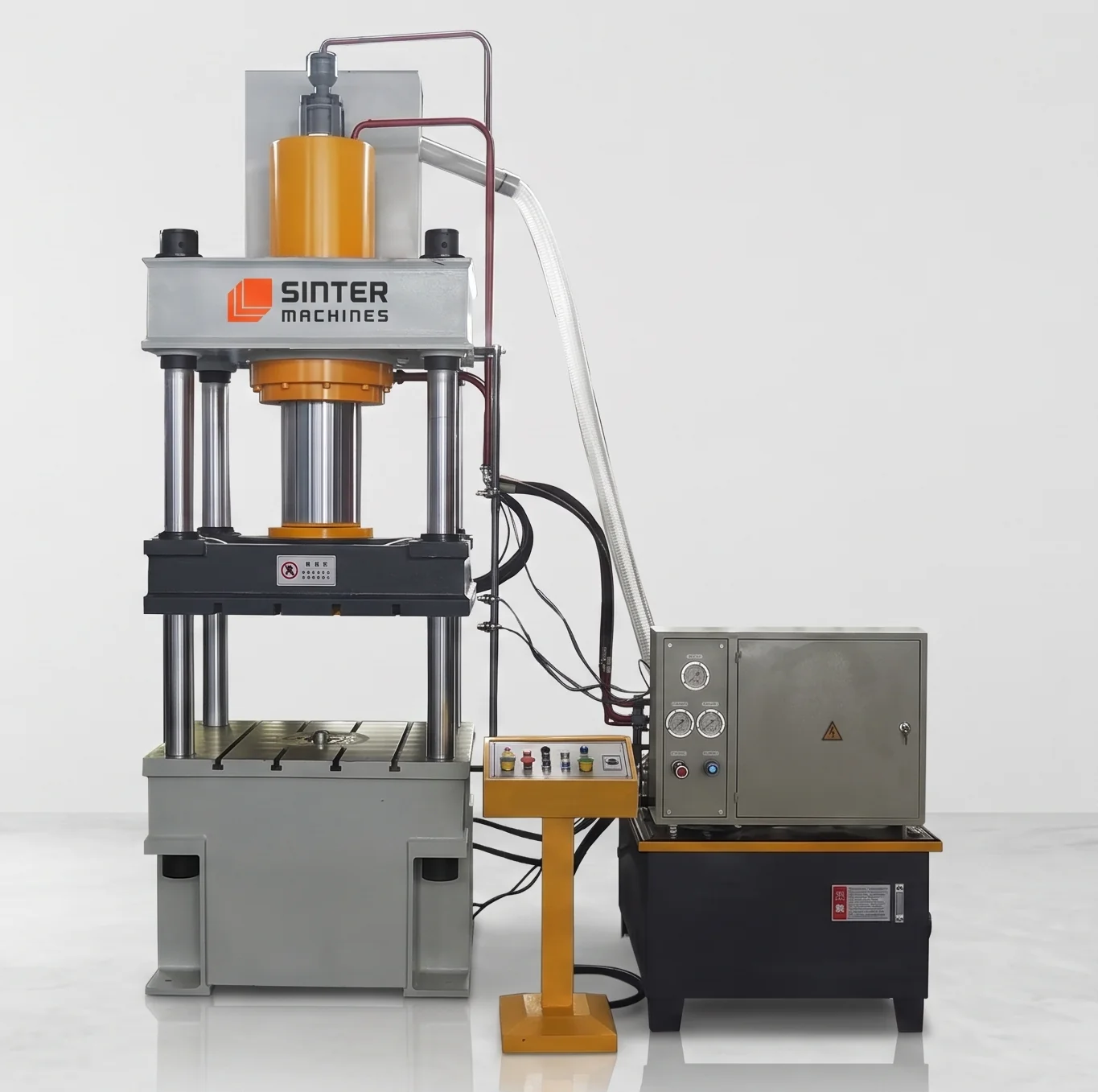
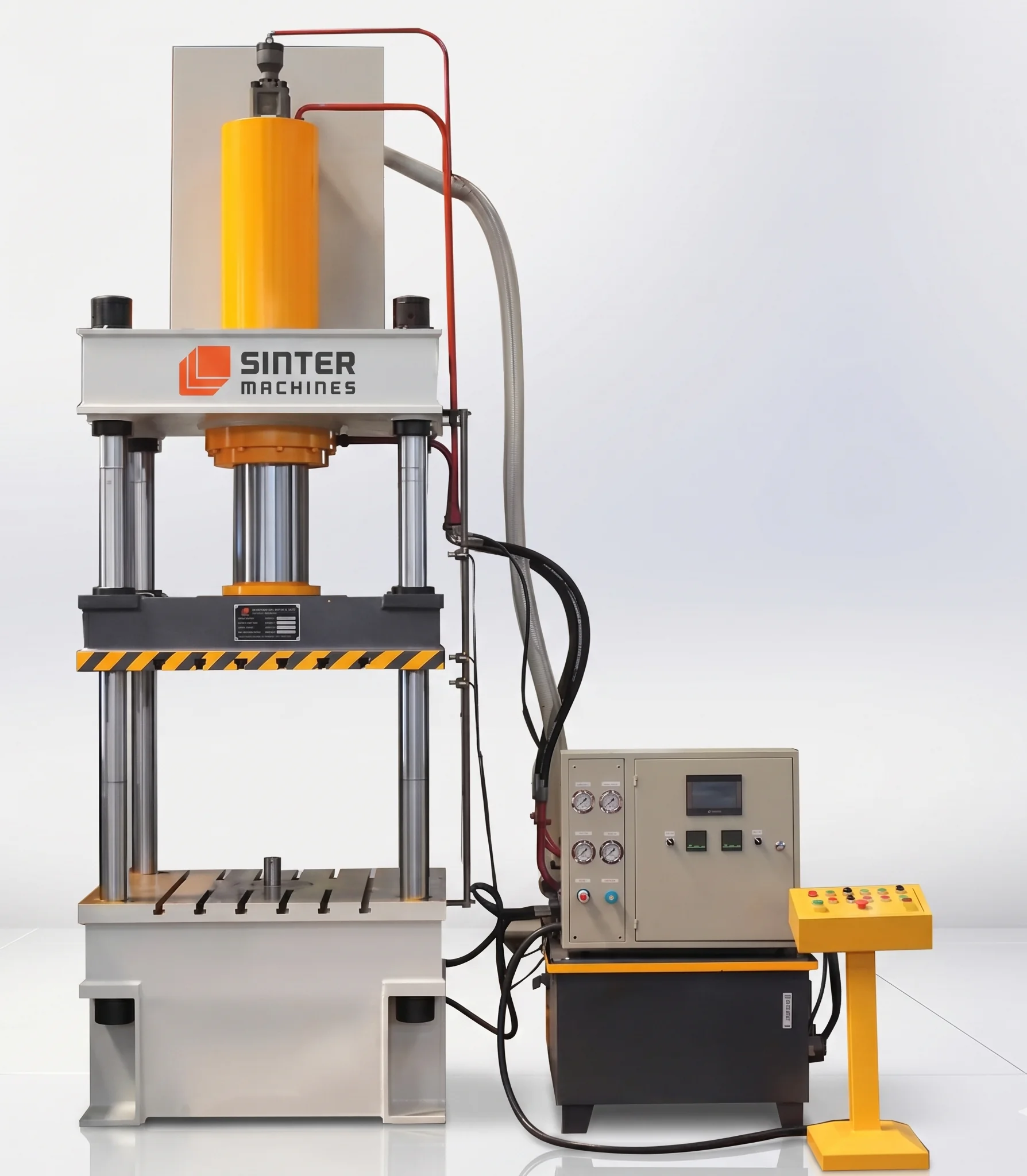
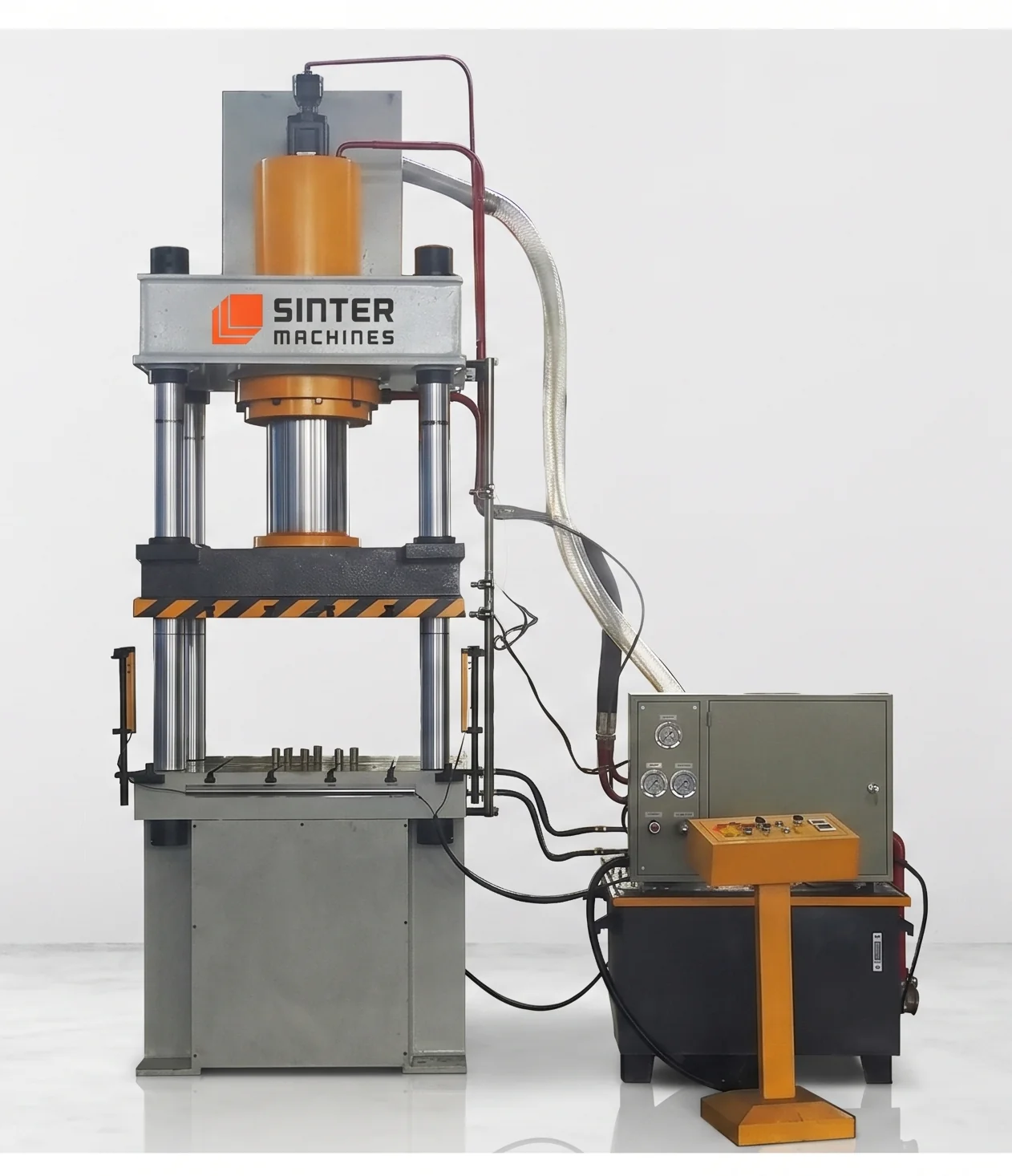
200 Ton Four Pillar Hydraulic Press Machine
A high-precision 200-ton four-pillar hydraulic press specifically designed for cleanroom powder metallurgy compaction of micro-to-small medical components. It features ultra-precise positional repeatability and delicate multi-axis pressure controls to produce uniform, defect-free green compacts.
Use Case
Engineered for cold compaction of biocompatible medical metal powders mixed with clean-burning organic additives. It reliably shapes intricate dental and orthopedic implant preforms with exact dimensional control before high-temperature sintering.
- Core Applications: Essential for manufacturing biocompatible dental implants, spinal fixation hardware, small bone plates, and orthopedic joint replacement fittings. Widely utilized across medical device manufacturing, dental reconstructive engineering, and specialized surgical instrument production.
- Material: Processes medical-grade metal powders including Ti-6Al-4V titanium alloys, cobalt-chromium, stainless steel, and specialized biocompatible powders. Formulated with clean-burning organic binders, lubricants, and flow agents to facilitate uniform mold filling and clean debinding.
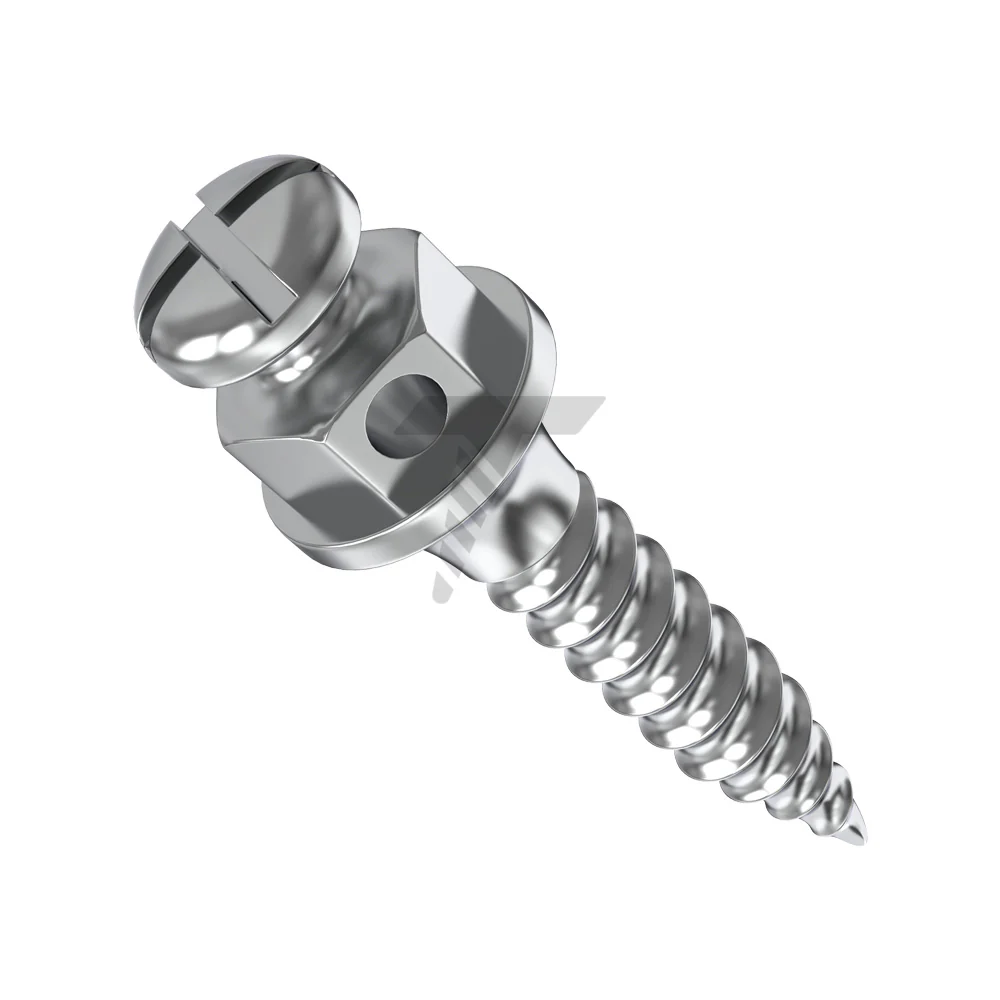
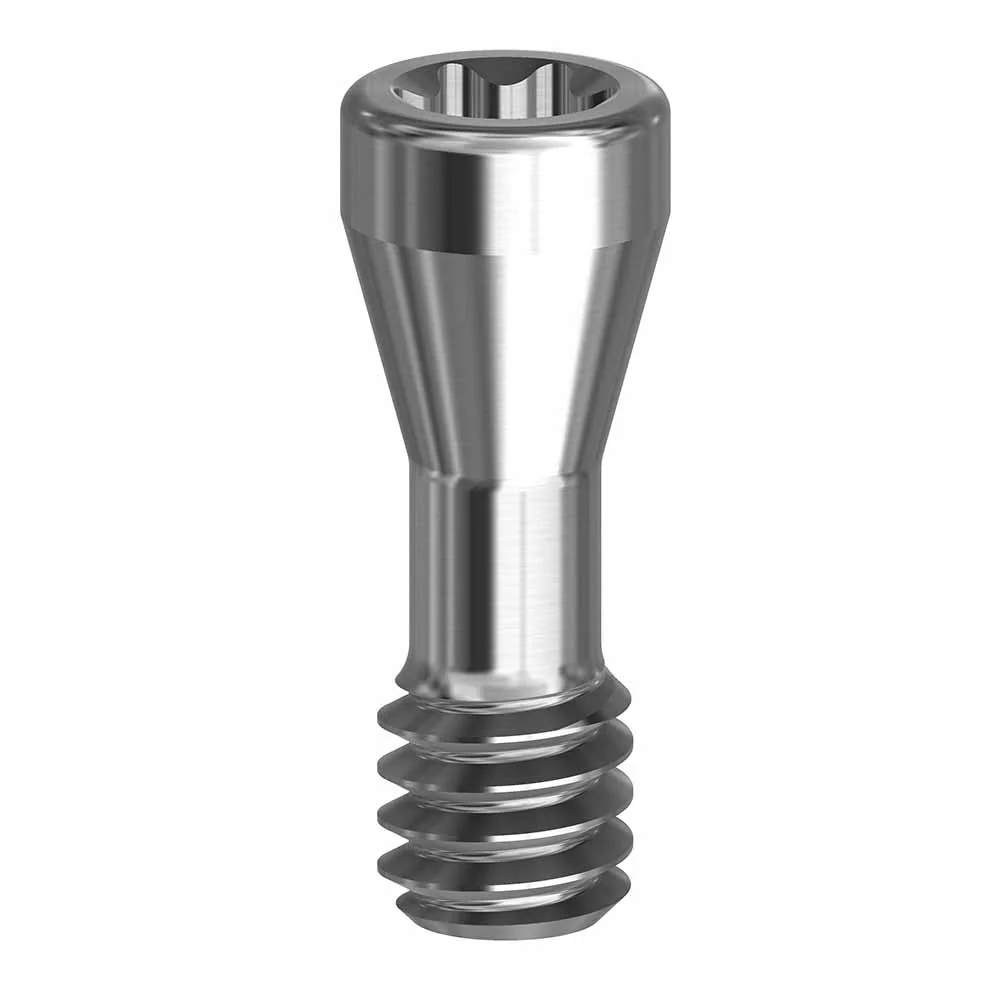
- Products Processed: Produces dental implant posts, abutments, spinal cages, bone screws, mini plates, and orthopedic joint fixation components. Delivers net-shape green preforms with smooth surface finishes and tight tolerances to minimize surgical post-processing.
- Why 200-Ton Hydraulic Press: Delivers calibrated, highly repeatable pressing force suited for compacting fine medical-grade powders without over-densification. Provides exceptional structural rigidity and micro-meter level ram accuracy needed for small, delicate implant geometries.
02 — Technical Specifications
SM 200 HP – HYDRAULIC PRESS MACHINE COMPLETE TECHNICAL DATA
SM 200 HP – 200 Ton Hydraulic Press Machine is a high-precision powder metallurgy (PM) compaction system specifically engineered for the manufacture of small dental and orthopedic implant components requiring superior dimensional accuracy, density uniformity, and biocompatibility. The machine delivers precise force control and stable four-pillar guidance, enabling the production of high-quality medical implants, surgical components, and fixation devices that meet stringent healthcare industry standards.
Capacity & Structural Design
- Rated Press Capacity: 200 metric tons (≈ 1,960 kN)
- Press Configuration: Fourpillar / fourcolumn guided hydraulic press
- Frame Construction: Welded steel frame, fully stressrelieved
- Design Duty: Precision PM production (medical & specialty parts)
- Structural Safety Factor: ≥ 1.30
- Deflection at Full Load: ≤ 0.04–0.06 mm
- Load Distribution: Highly uniform (essential for microparts)
Hydraulic System
Main Cylinder
- Type: Doubleacting, precisionguided
- Bore Diameter: 250–300 mm
- Stroke: 300–450 mm
Maximum Working Pressure: 25–30 MPa (250–300 bar)
Hydraulic Features
- Proportional or servo pressure control
- Closedloop force feedback
Pressing Modes
- Constantpressure compaction
- Positioncontrolled compaction
- Multistage pressure with dwell (for density uniformity)
Platen & Working Envelope
Upper / Lower Platen Size
- Standard: 450 × 450 mm
- Optional: up to 600 × 600 mm
Guide Columns
- Quantity: 4
- Diameter: 80–100 mm
- Finish: Hardened, hardchromed & ground
- Daylight Opening: 600–800 mm
- Platen Parallelism Accuracy: ±0.01–0.02 mm per 300 mm
Controls & Safety
Control System: PLC + medicalgrade HMI
Process Monitoring
- Press force vs stroke
- Dwell time
- Tool cycle count
- SPCready data output
Safety Features
- Twohand operation (manual mode)
- Full guarding or light curtain
- Pressurerelief & overload protection
- Emergency stop (medical manufacturing compliant)
SM 200 HP — Model Specifications
- Nominal Force: 2000 KN
- Maximum Hydraulic Pressure: 25 MPa
- Max Opening Height of the Slider: 1100 mm
- Max Stroke of the Slider: 700 mm
- Effective Bed Size: 1000 × 1000 mm
- Slider Down Speed: 100 mm/s
- Slider Pressing Speed: 7–18 mm/s
- Slider Return Speed: 90 mm/s
- Ejector Cylinder Nominal Force: 300 KN
- Stroke of the Ejection Cylinder: 200 mm
03 — Die / Mold System
Precision Powder Metallurgy (PM) Small Dental and Orthopaedic Implant Components Die Mold Engineering
Technical Specifications (Tooling)
Tool Type
- High-precision single-level and multi-level powder compaction dies engineered for miniature, complex medical implant geometries.
- Suitable for automated PM presses operating at high compaction pressures with tight dimensional control.
Tool Materials
- Die inserts manufactured from carbide (WC-Co), high-speed steel (HSS), or PM tool steels for superior wear resistance.
- Punches and core rods utilize hardened tool steels with specialized coatings to withstand repeated compaction cycles.
Tool Construction
- Modular die set construction with precision-ground punches, dies, guide pillars, and support plates.
- Designed for rapid maintenance, tool replacement, and consistent component quality during mass production.
Multi-Level Tooling
- Multi-level punch systems enable complex implant features such as shoulders, steps, threads, and varying section thicknesses.
- Reduces secondary machining operations while maintaining near-net-shape accuracy.
Alignment Accuracy
- Precision guiding systems maintain punch-to-die alignment within ±0.005 to ±0.01 mm.
- Ensures uniform density distribution and minimizes tool wear and dimensional variation.
Powder Filling & Ejection
- Optimized cavity filling mechanisms provide uniform powder distribution for miniature implant components.
- Controlled ejection systems prevent cracking, chipping, and surface damage during part removal.
Compatible PM Materials
- Titanium and titanium alloys (Ti-6Al-4V), 316L stainless steel, cobalt-chromium alloys, and other biocompatible PM materials.
- Suitable for both conventional PM and metal injection molding (MIM) feedstock applications.
Surface Finish
- Polished die cavity surfaces with Ra 0.1–0.4 µm for superior component finish and reduced friction.
- Supports production of medical components requiring high surface integrity and post-processing efficiency.
Lubrication
- Internal powder lubricants and external die-wall lubrication systems reduce friction and ejection forces.
- Enhances tool life while improving part density consistency and dimensional stability.
Tool Life
- Typical tooling life ranges from 500,000 to over 2 million compaction cycles depending on material and geometry.
- Wear-resistant coatings and preventive maintenance programs maximize productivity and tooling performance.
Precision Powder Metallurgy (PM) Small Dental and Orthopaedic Implant Components Die Mold Tooling
04 — Product Application
Where Powder Metallurgy (PM) Small Dental and Orthopaedic Implant Components Are Used
Powder Metallurgy (PM) small dental and orthopaedic implant components are widely used in the medical industry where high precision, biocompatibility, and complex geometries are required. The PM process enables cost-effective production of strong, reliable, and near-net-shape components for both dental restoration and orthopaedic surgical applications.
Industry Applications
Dental Implants and Abutments
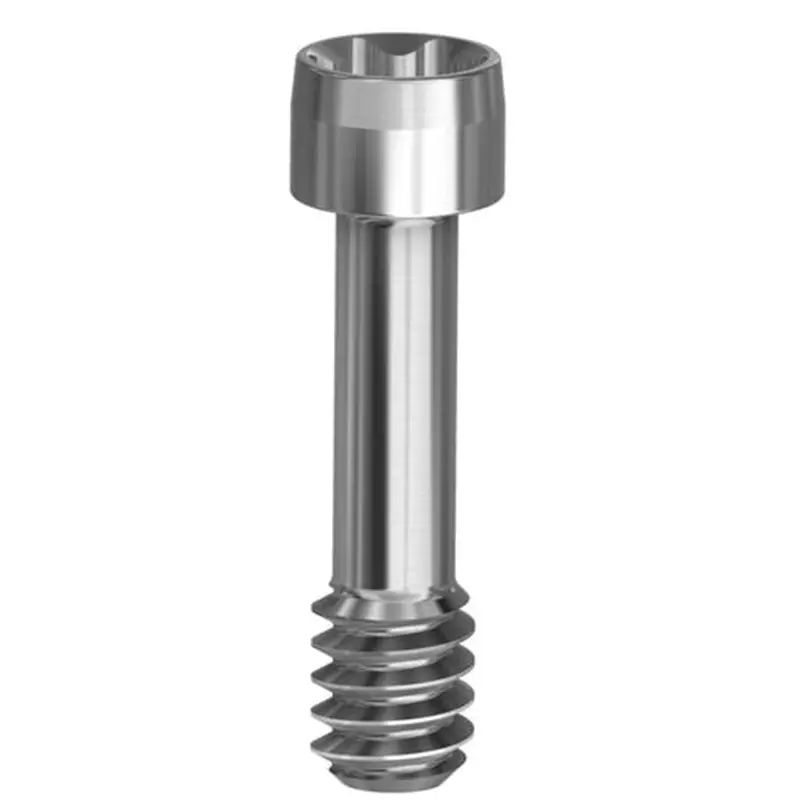
PM-produced dental implants, abutments, and connectors provide high dimensional accuracy and excellent biocompatibility for tooth replacement procedures. Their consistent quality and surface characteristics support long-term osseointegration and patient comfort.
Orthopaedic Bone Fixation Devices
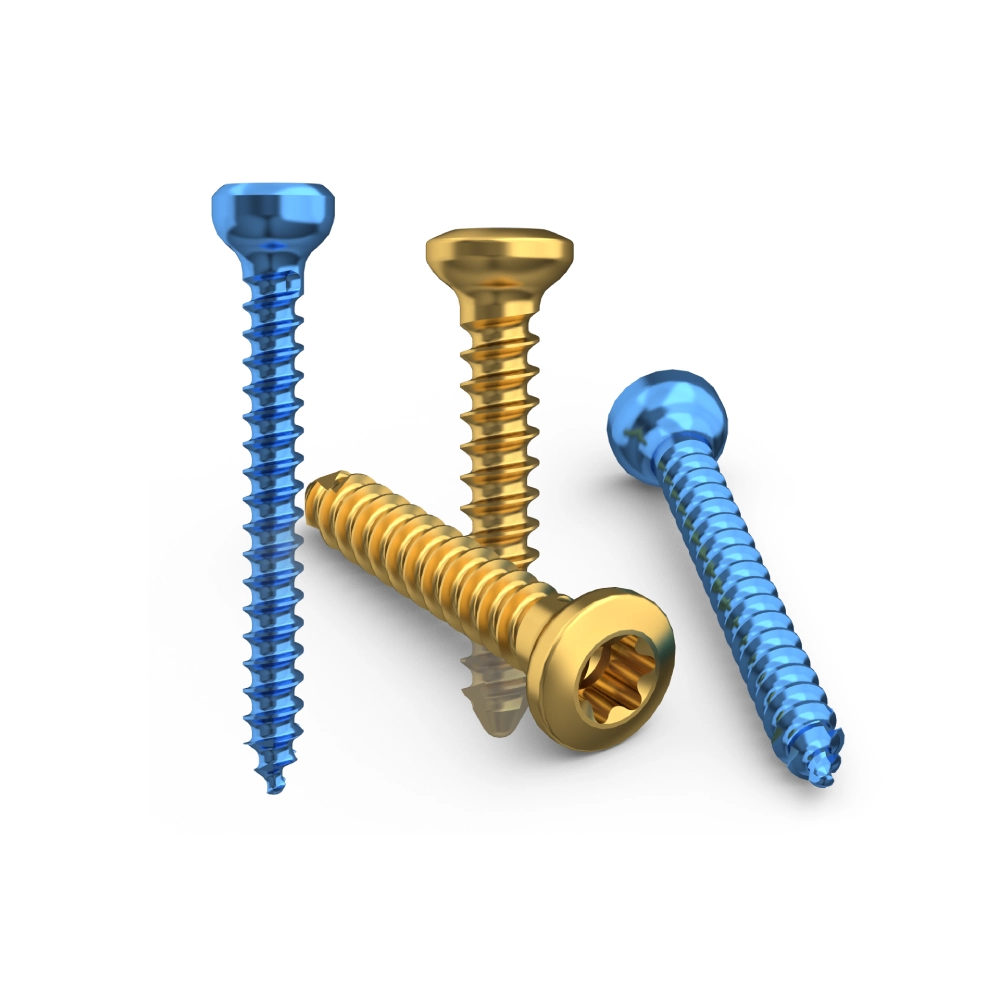
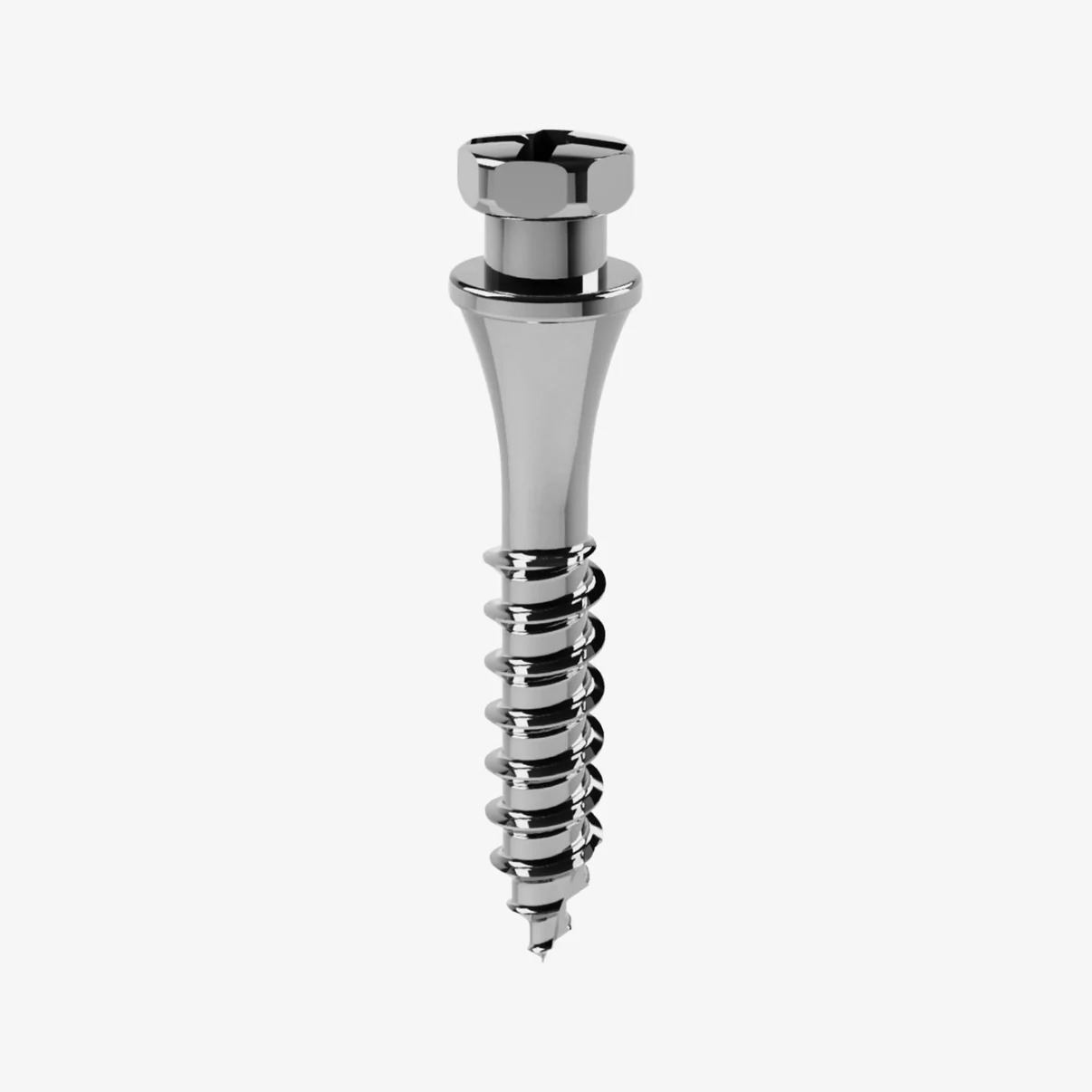
Small PM components are used in bone screws, fixation plates, pins, and locking mechanisms for fracture repair applications. The process delivers strong and durable components capable of withstanding repetitive physiological loads.
Spinal Implant Systems
PM technology is utilized to manufacture miniature spinal implant parts such as cages, anchors, connectors, and fixation components. These precision-engineered parts help provide spinal stability while supporting complex implant geometries.
Joint Reconstruction and Trauma Devices
PM components are incorporated into hip, knee, shoulder, and trauma implant assemblies requiring high wear resistance and reliability. Their near-net-shape manufacturing capability reduces machining requirements while maintaining consistent implant performance.
Finished Product Gallery
05 — Key Advantages
Why Choose the 200-Ton Sinter Hydraulic Press
The 200-Ton Sinter Hydraulic Press is an ideal solution for manufacturing small dental and orthopaedic implant components that demand high precision, uniform density, and repeatable quality. Its controlled compaction force, advanced automation, and reliable performance ensure efficient production of complex medical-grade PM parts.
High Precision Compaction
Delivers accurate and consistent pressing force for miniature implant components with tight dimensional tolerances. Ensures uniform part geometry and reduces variations between production batches.
Superior Density Uniformity
Provides controlled powder compaction for achieving consistent density throughout the component. Improves mechanical strength, reliability, and sintering performance of medical implants.
Excellent Surface Quality
Precision pressing minimizes surface defects and enhances green part integrity before sintering. Reduces the need for extensive secondary finishing and machining operations.
High Production Efficiency
Supports automated and high-speed production cycles for large-volume manufacturing requirements. Increases throughput while maintaining consistent quality and process stability.
Compatibility with Medical-Grade Materials
Suitable for processing titanium alloys, stainless steel, cobalt-chromium, and other biocompatible PM materials. Enables production of a wide range of dental and orthopaedic implant components.
Lower Manufacturing Cost
Near-net-shape compaction reduces material waste and minimizes secondary machining. Longer tool life and efficient production cycles contribute to significant cost savings over time.