Roof Tiles Press — hydraulic press 3
Plastic Sand Roof Tiles · Hydraulic Press Machine

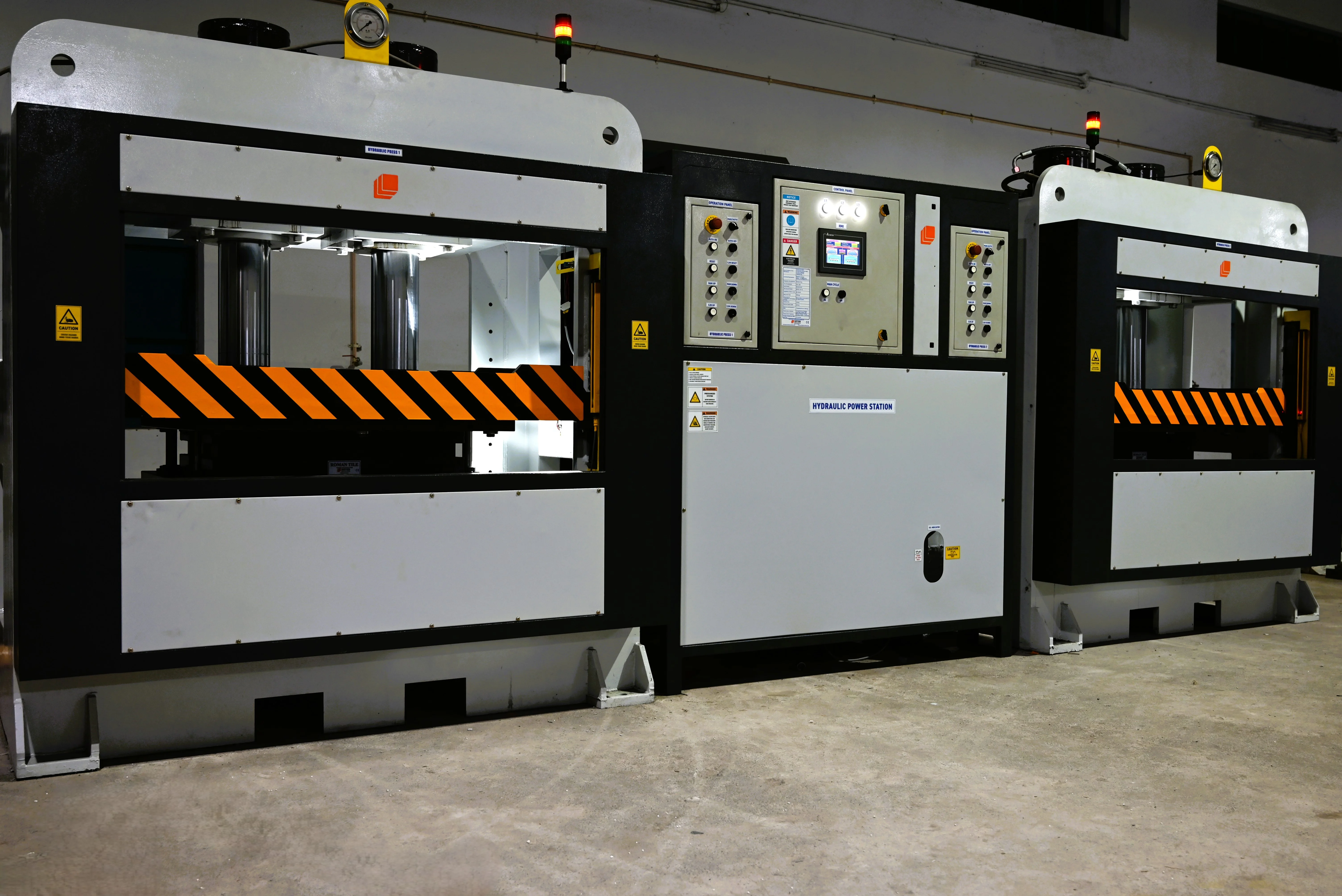
200T Four Column Hydraulic Press for Plastic Sand Roof Tiles

200T Rated Capacity
100 mm/s Slider Down Speed
7–18 mm/s Slider Pressing Speed
90 mm/s Slider Return Speed

01 — Press System

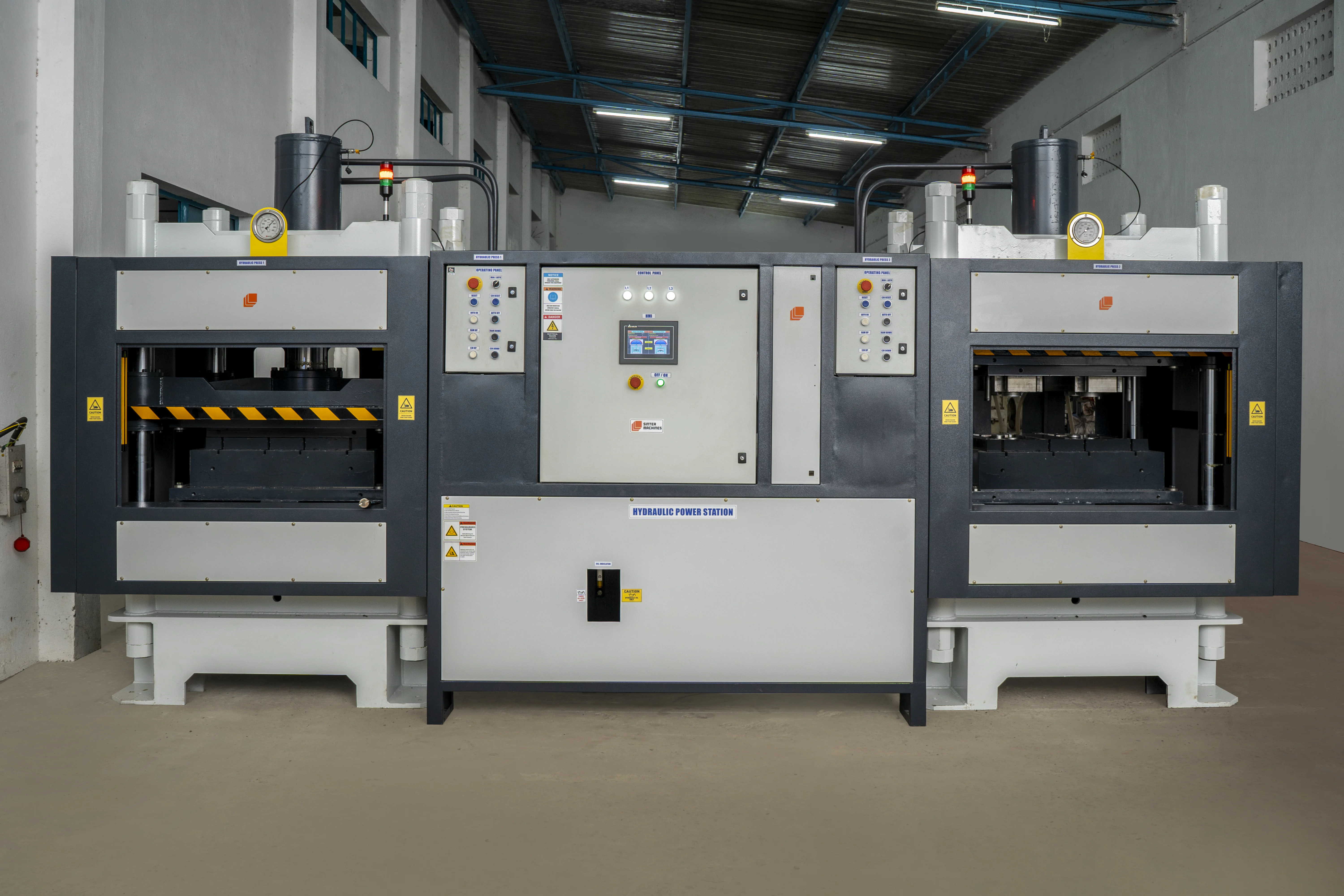
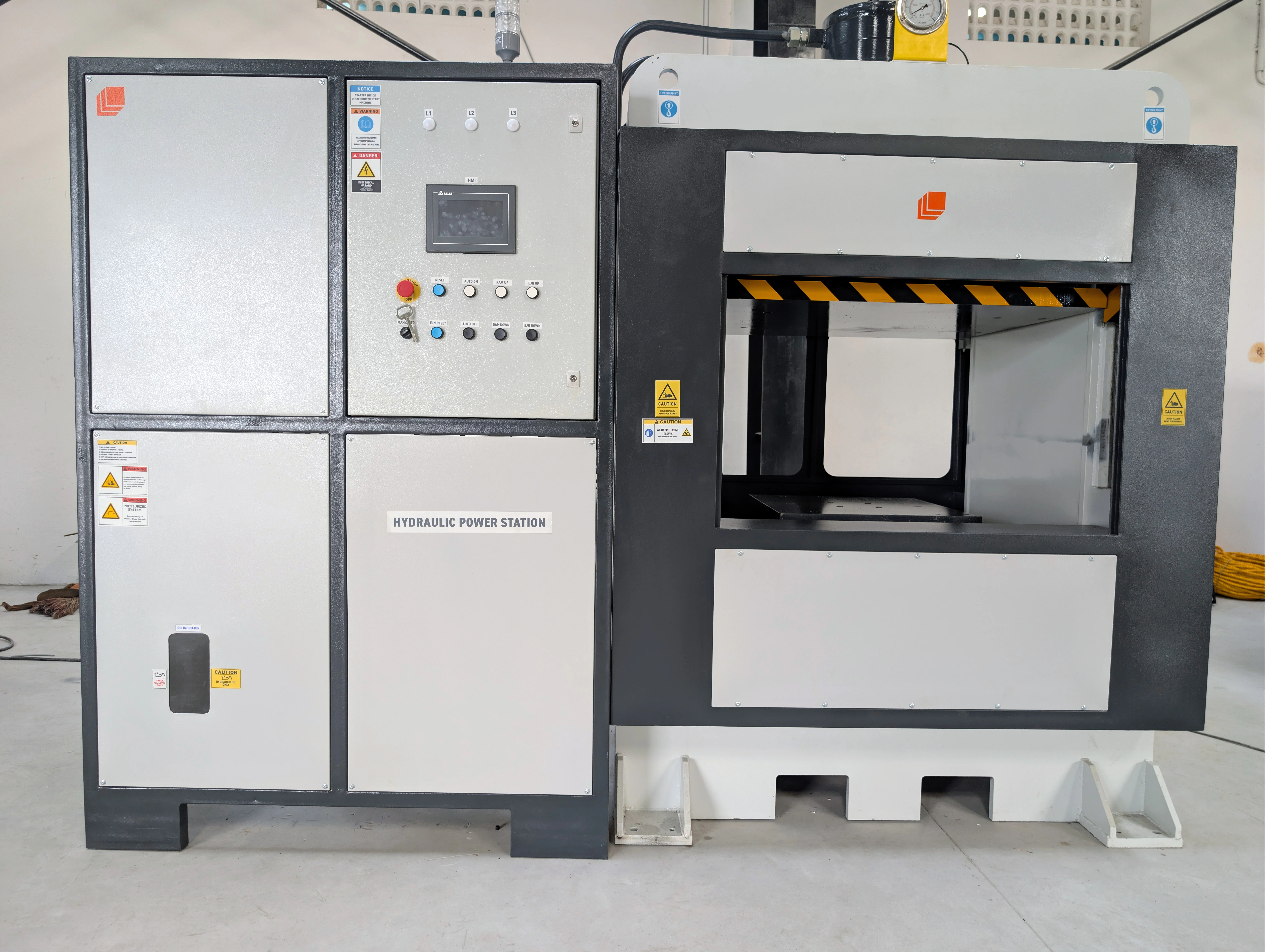
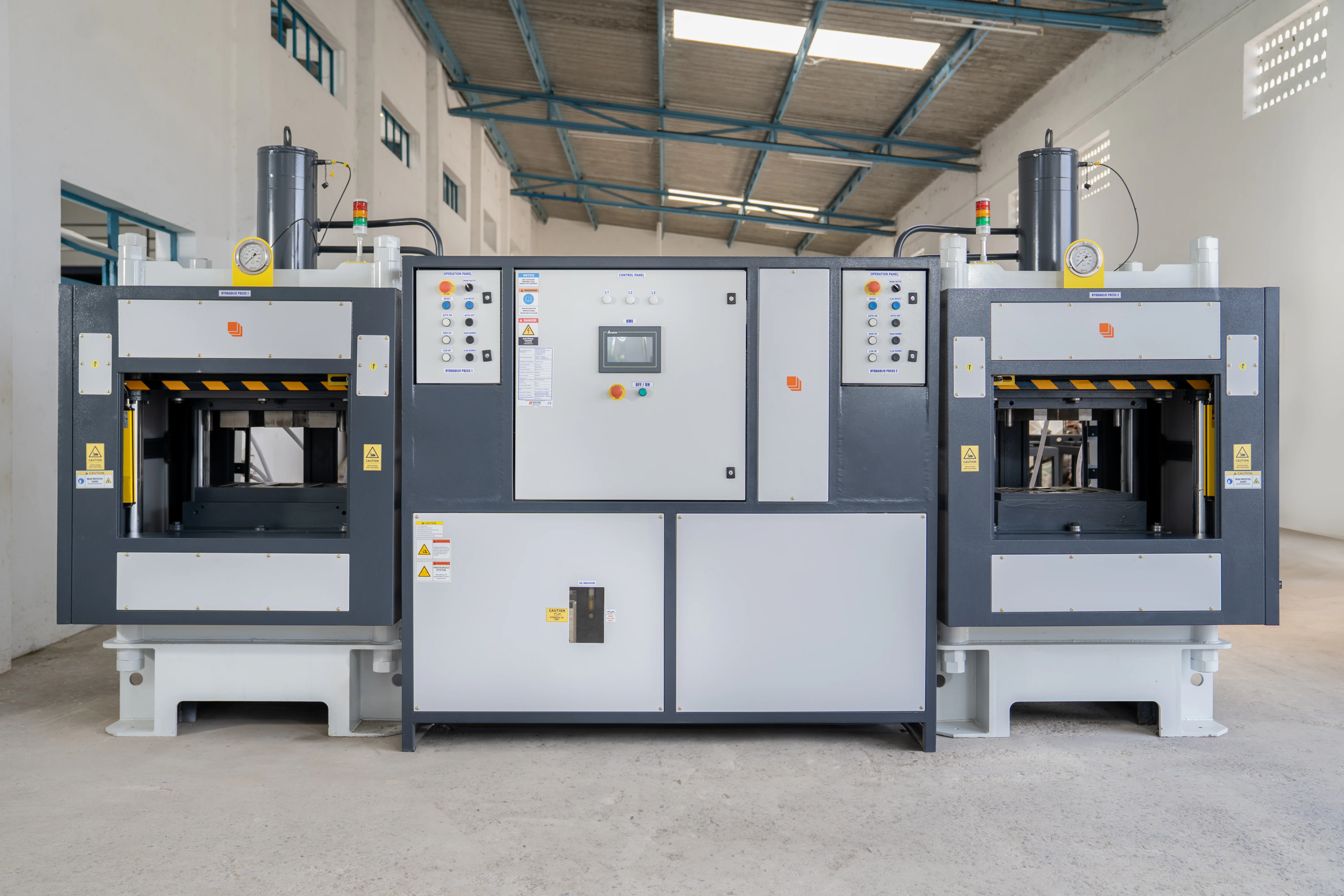
200T Four Column Hydraulic Press Machine

The 200 Ton Four Column Hydraulic Press provides precise, high-pressure compression to form dense plastic-sand composite roof tiles. It compacts hot molten mixtures to eliminate internal air voids and lock in exact product dimensions.

Use Case

This integrated line automates extrusion, high-force pressing, and rapid chilled-water cooling to transform recycled plastic waste into durable roofing products. It provides a continuous industrial solution for manufacturing lightweight, non-corrosive, and weather-resistant composite tiles.

  • Core Applications: Industrial and residential roofing installations requiring durable, waterproof, UV-resistant, and impact-resistant materials that are 30–40% lighter than traditional concrete tiles.
  • Material: Waste recycled plastics (70% LDPE/PP) combined with quartz sand (30%), pigments (3%), and functional UV additives.
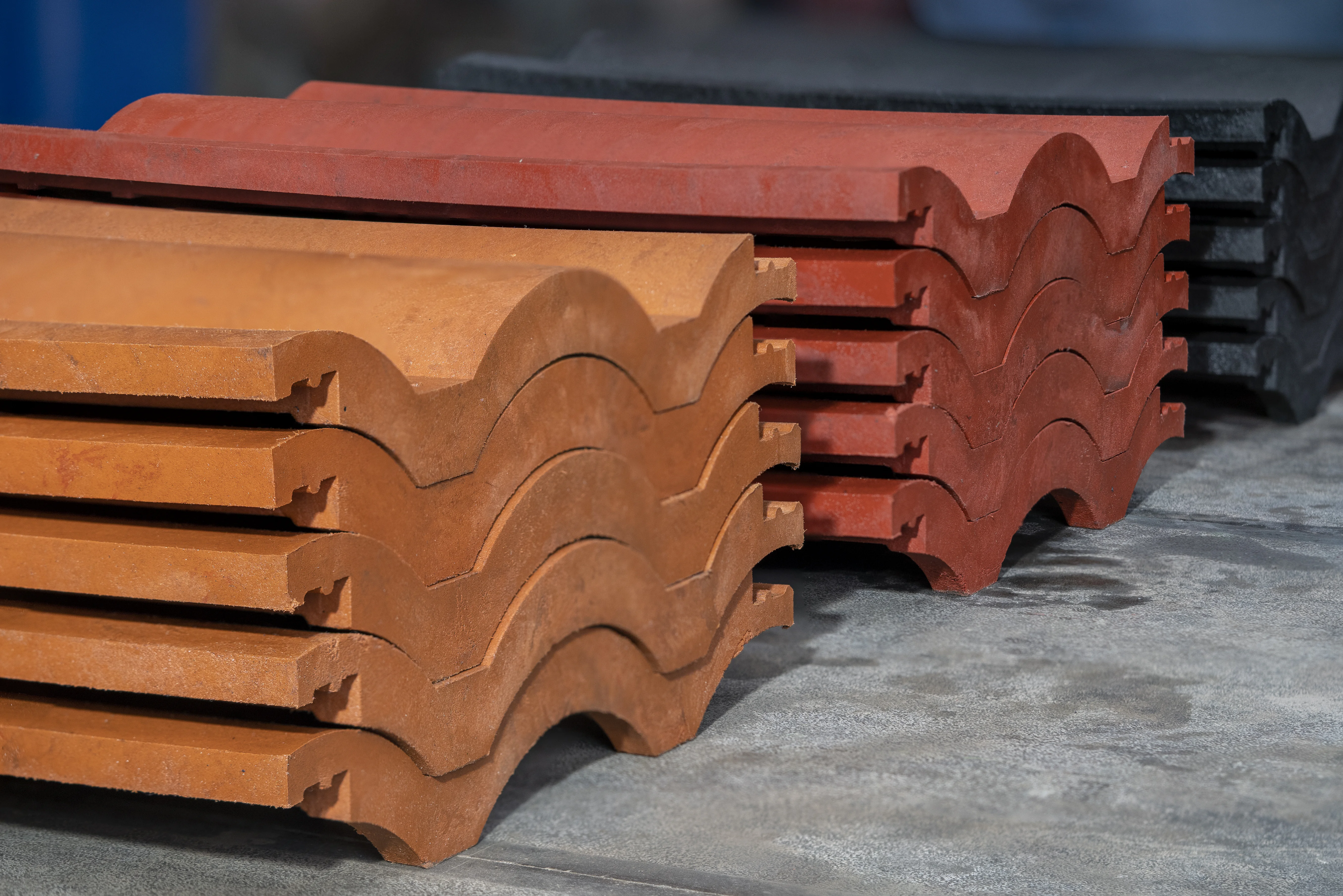
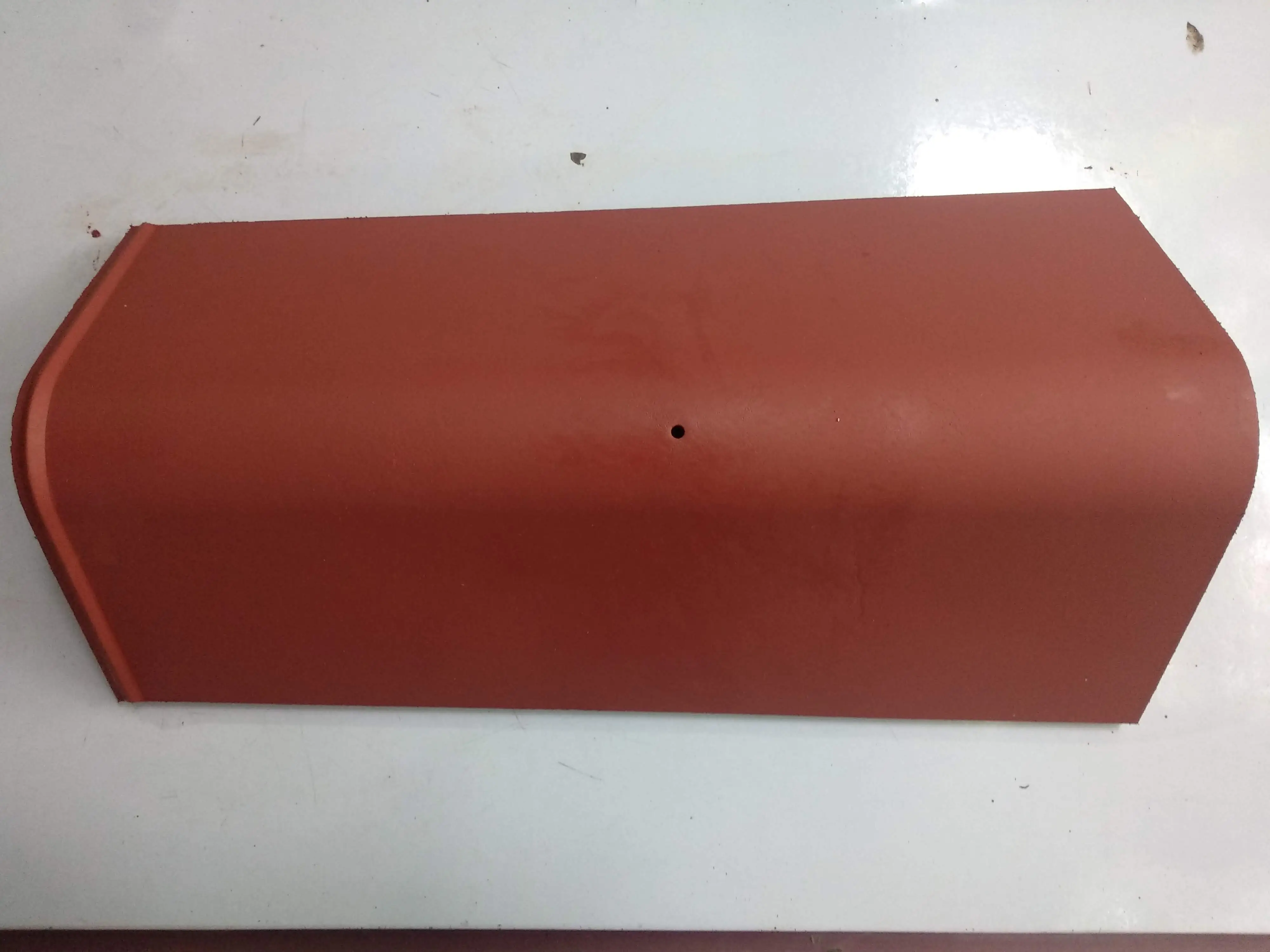
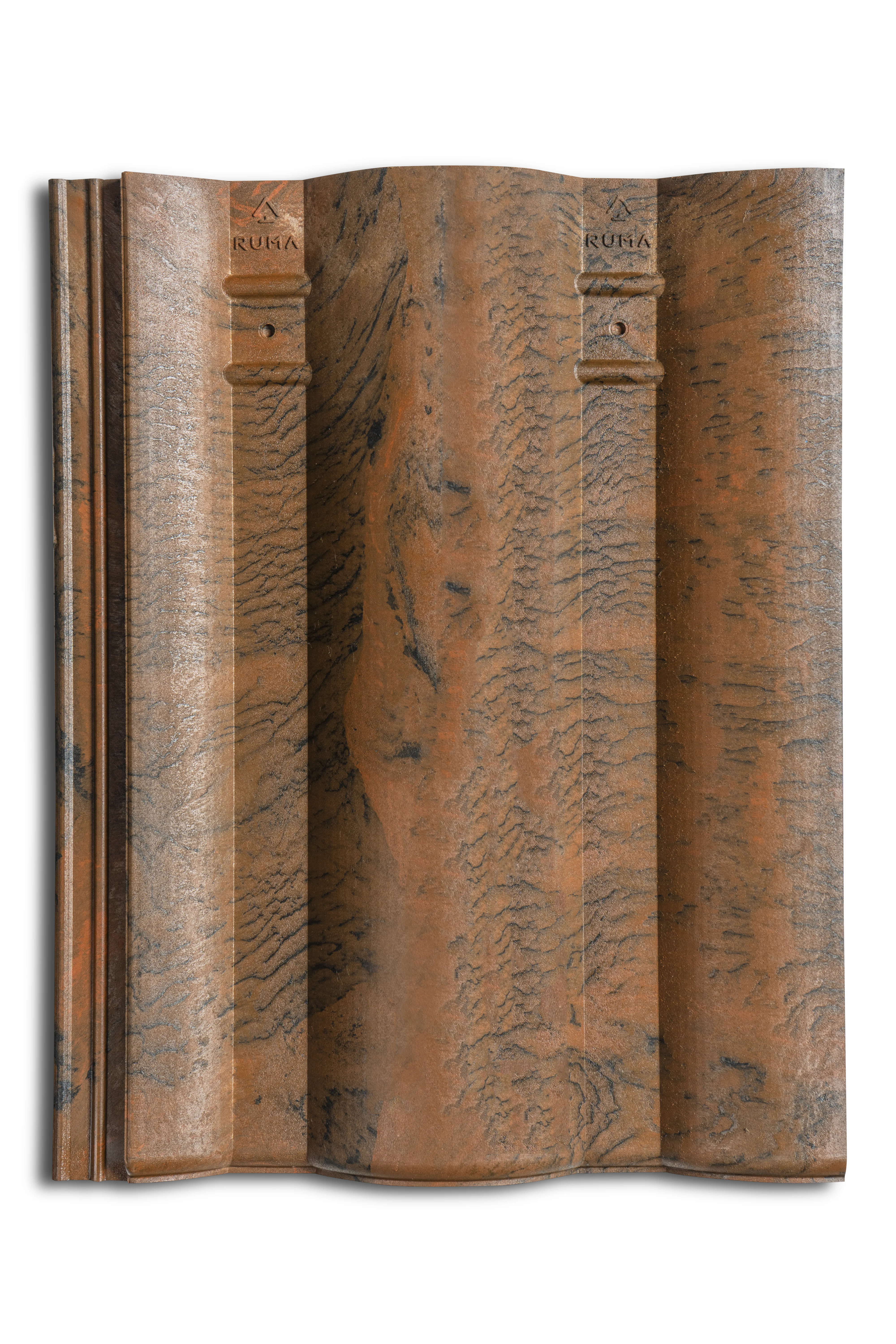
  • Typical Products Processed: Plastic sand multi-color composite roof tiles.
  • Why 200 Ton Hydraulic Press: Provides the high compaction force essential for eliminating voids in dense molten plastic-sand mixtures and ensuring high structural integrity across the mold shape.

02 — Technical Specifications

SM 200 HP – Hydraulic Press Machine Complete Technical Data

The SM 200 HP is a 200-ton four-column hydraulic press optimized for high-density compression molding of plastic-sand composite roof tiles. It delivers robust structural stability, precise hydraulic control, and automated cycling to ensure consistent product density and high operational output.

Capacity: 200 Ton clamping force

Structural Design: Heavy duty stress relieved steel structure

Frame Type: Four column round guide pillar frame

Hydraulic System: High pressure dual action hydraulic cylinder unit

Main Ram Stroke: 500 mm adjustable stroke

Working Hydraulic Pressure: 210 Bar maximum pressure

Daylight Gap: 800 mm daylight opening

Approach Speed: 120 mm Sec fast approach

Pressing / Drawing Speed: 12 mm Sec pressing speed

Return Speed: 100 mm Sec return speed

Bed / Platen Size Platen: 1000 mm x 1000 mm platen dimensions

Columns: 4 solid chrome plated guide columns

Working Envelope: 1000 mm x 1000 mm working space

Control System: PLC based automated control system with HMI

Main Motor Power: 15 HP electric motor power

Valves & Hydraulics: Proportional manifold block assembly and direction control valves

Automation: Fully automated pressing cycle integrated with auto loading system

Safety Features: Safety light curtains dual palm buttons and emergency stop buttons

SM 200 HP — Model Specifications

  • Nominal Force: 2000 KN
  • Maximum Hydraulic Pressure: 25 MPa
  • Max Opening Height of the Slider: 1100 mm
  • Max Stroke of the Slider: 700 mm
  • Effective Bed Size: 1000 × 1000 mm
  • Slider Down Speed: 100 mm/s
  • Slider Pressing Speed: 7–18 mm/s
  • Slider Return Speed: 90 mm/s
  • Ejector Cylinder Nominal Force: 200 KN
  • Stroke of the Ejection Cylinder: 200 mm
Production Case Study

200 Ton Plastic Sand Roof Tiles Production Line

Plastic Sand CompositeMaterial
420 x 390 mmTile Size
30 TilesOutput / Hour
120 SecondsCycle Time
High structural density
Zero void formation
Superior impact resistance
Waterproof weather sealing
Consistent dimension accuracy
Lightweight composite construction
Uniform color distribution

03 — Die / Mold System

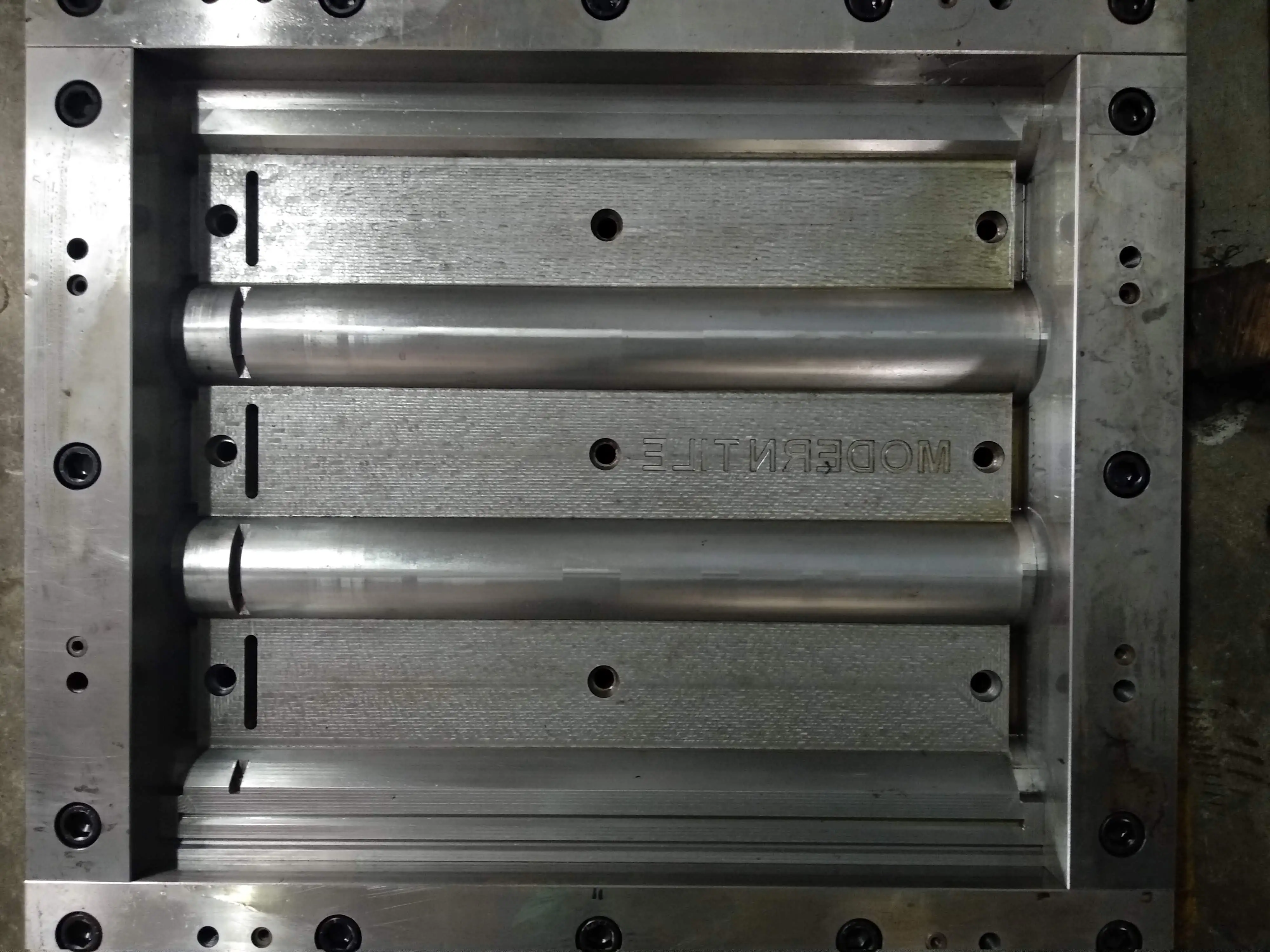
Precision Single Cavity Plastic Sand Roof Tiles Die Mold Engineering

The precision single cavity die mold forms hot plastic-sand composite material under 200 tons of hydraulic pressure into solid, accurately defined roof tiles. Integrated internal water-chilled channels cool the mold continuously, allowing rapid solidifying and smooth part ejection without thermal distortion.

Technical Specifications (Tooling)

Die Type: Single Cavity Mold

Die Materials: High grade pre hardened alloy tool steel

Tool Configuration & Construction: Core and cavity block layout with integral cooling channels

Key Tooling Features: Continuous internal water cooling channels and mechanical ejector pin system

Alignment Accuracy: 002 mm precision guide pillar and bush alignment

Surface Finish: Polished mirror texture for easy mold release

Tool Life: 500000 typical production cycles

Roof Tiles Press — die mould 2
Case Study (Die Performance)

Precision Single Cavity Plastic Sand Roof Tiles Die Mold

P20 / 2738 Alloy SteelDie Material
58-62 HRCHardness
Vacuum HardeningHeat Treatment
High thermal conductivity
Superior wear resistance
Precise dimension tolerance
Rapid mold cooling
Effortless tile release
Extended tool longevity
Zero surface defects

04 — Product Application

Where Plastic Sand Composite Roof Tiles Are Used

Plastic sand composite roof tiles offer a durable, eco-friendly alternative to traditional clay or concrete roofing across various structural sectors. Their lightweight, waterproof, and high-impact properties make them an ideal solution for modern sustainable building projects.

Industry Applications

Residential Roofing Systems

Plastic sand composite tiles provide long-lasting, weatherproof protection for modern housing developments and private residential roofs. Their lightweight structure reduces load-bearing demands on roof frames while ensuring high thermal insulation and zero water leakage.

Commercial Building Structures

These composite tiles are widely installed on commercial warehouses, office complexes, and retail centers requiring durable structural coverage. They withstand harsh environmental exposure, resist color fading, and eliminate ongoing maintenance costs compared to conventional materials.

Industrial Sheds & Facilities

Ideal for factory roofs, agricultural sheds, and industrial storage units that face chemical fumes or coastal air exposure. Their non-corrosive properties prevent degradation from acid rain and salt air while offering high impact resistance against falling debris.

Low-Cost & Sustainable Housing

These recycled composite tiles serve as an economical, eco-friendly roofing choice for government housing schemes and green building projects. By converting waste plastics and quartz sand into sturdy tiles, they deliver affordable, UV-resistant shelter solutions for high-volume housing needs.

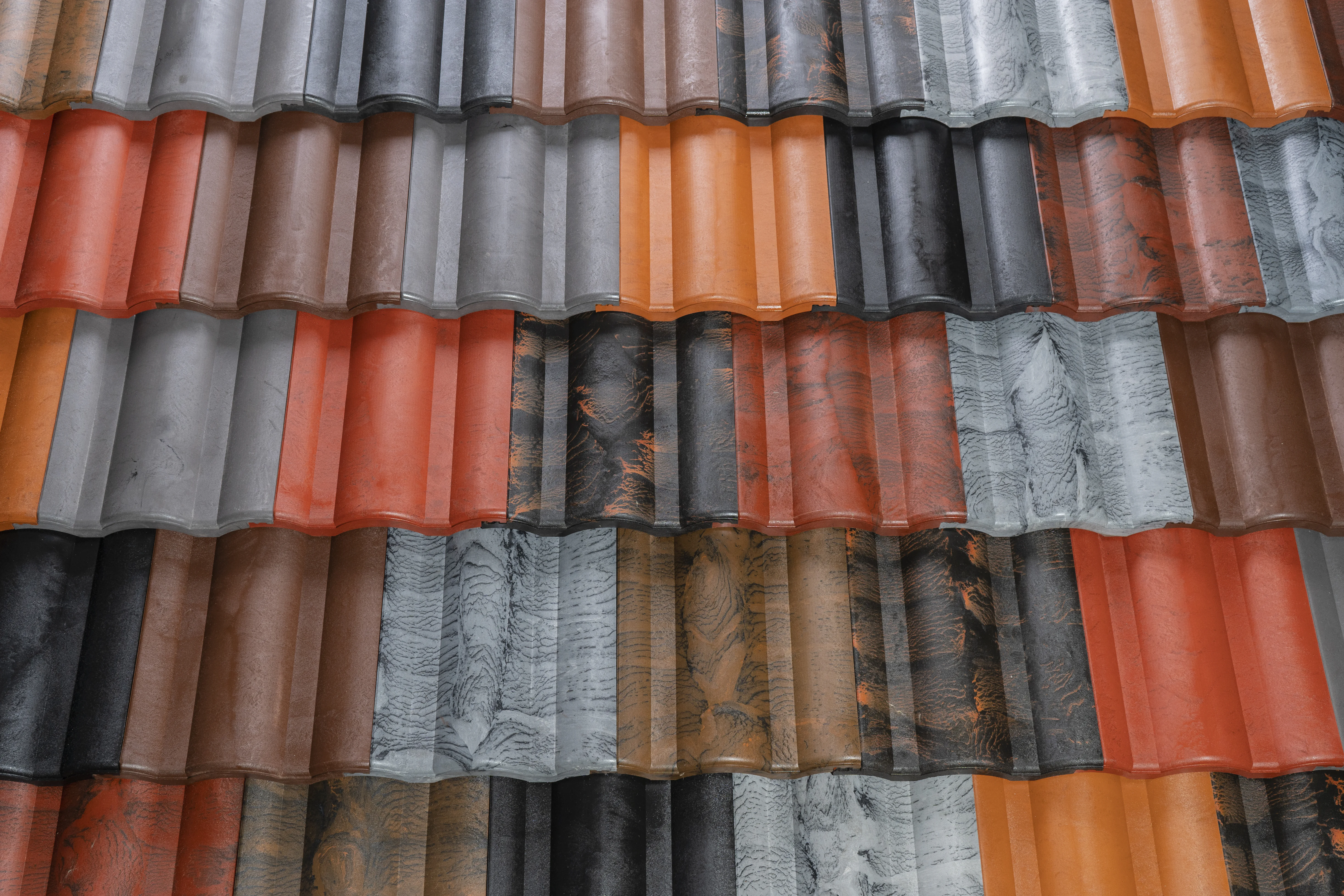
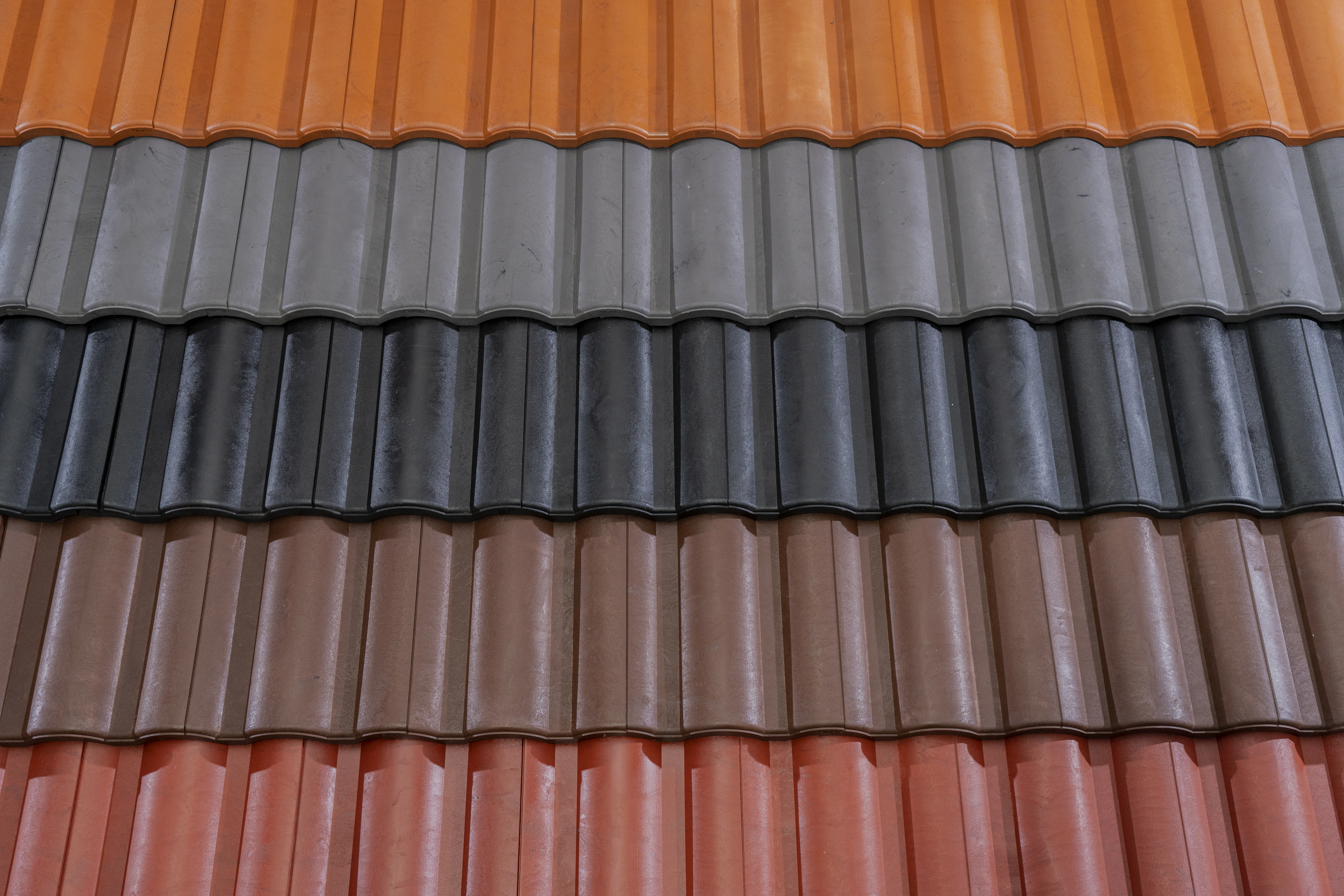
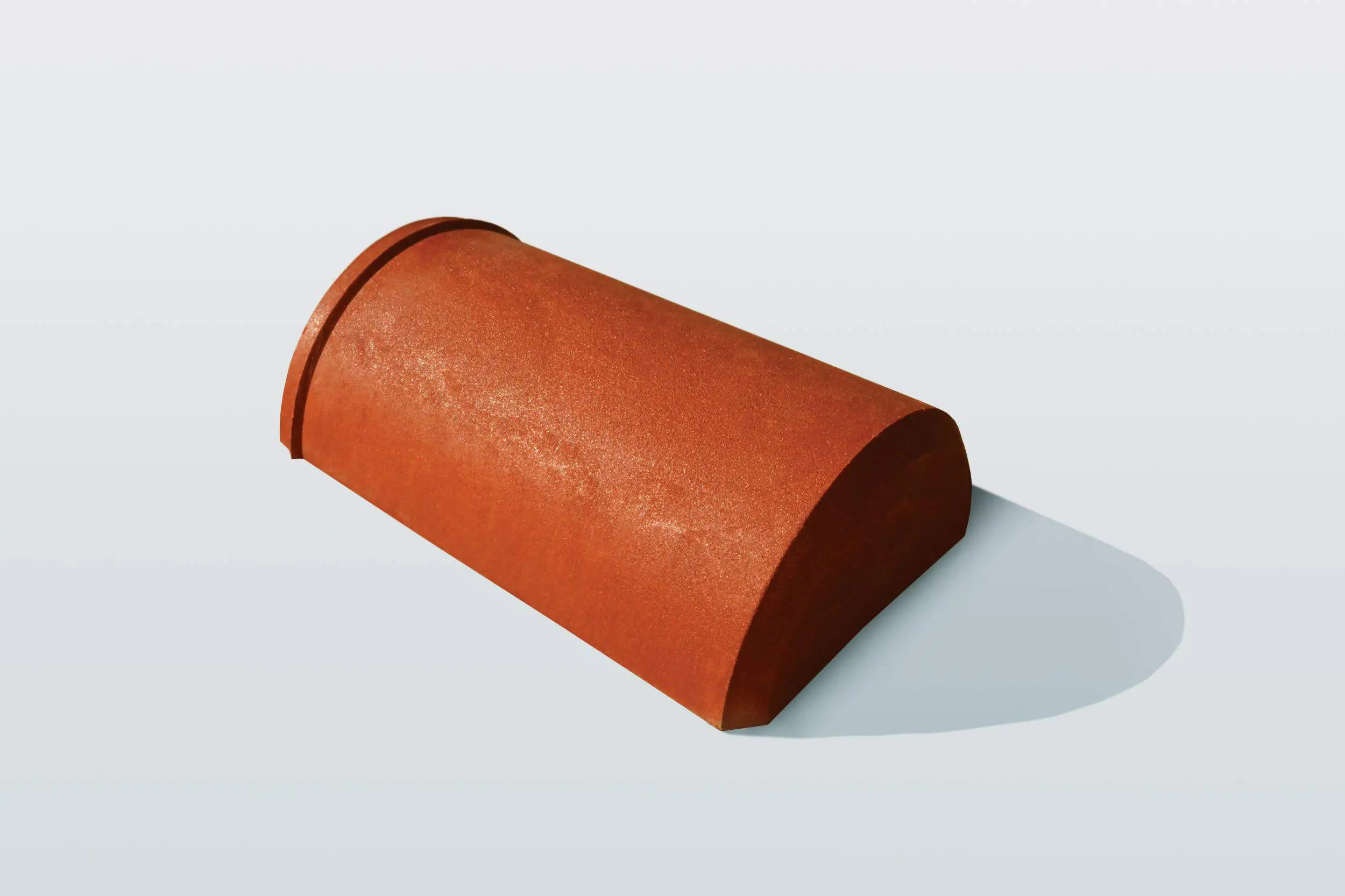
Finished Product Gallery

05 — Key Advantages

Why Choose the 200-Ton Sinter Hydraulic Press

The 200 Ton Sinter Hydraulic Press offers an optimized, high-efficiency solution for manufacturing premium plastic-sand composite roof tiles. It bridges the gap between raw waste recycling and high-density structural production, delivering strong technical and commercial returns.

Technical & Commercial Benefits

01

High Compaction Force & Density

The 200-ton hydraulic capacity ensures uniform pressure distribution across the mold to completely eliminate internal air voids. This generates exceptionally dense composite roof tiles with superior structural strength and long-term mechanical reliability.

02

Automated High-Speed Production

Fully integrated automation coordinates auto-loading, precise hydraulic pressing, and rapid mold chilling for efficient continuous operation. This streamlines the manufacturing workflow to deliver reliable output rates with minimal manual labor requirements.

03

Superior Material Versatility & Sustainability

Specifically engineered to process dense matrices of 70% waste plastics (LDPE/PP) mixed with 30% quartz sand and color pigments. It turns low-cost post-consumer waste materials into profitable, high-demand eco-friendly building supplies.

04

Low Operational Costs & Energy Efficiency

Advanced hydraulic proportional valve technology minimizes power consumption by optimizing pressure delivery throughout every pressing stroke. Reduced cycle times paired with low maintenance demands lower total utility and operating overheads.

05

Exceptional Mold Alignment & Product Consistency

The heavy-duty four-column round guide design maintains rigid parallel accuracy during high-tonnage compression cycles. This guarantees tight dimensional tolerances, smooth surface finishes, and zero tile warping across every production run.

06

Rapid Return on Investment

Low raw material costs combined with automated high-speed output create high profit margins on finished composite roof tiles. The durable system engineering ensures a long operational lifespan, yielding fast capital payback for production facilities.