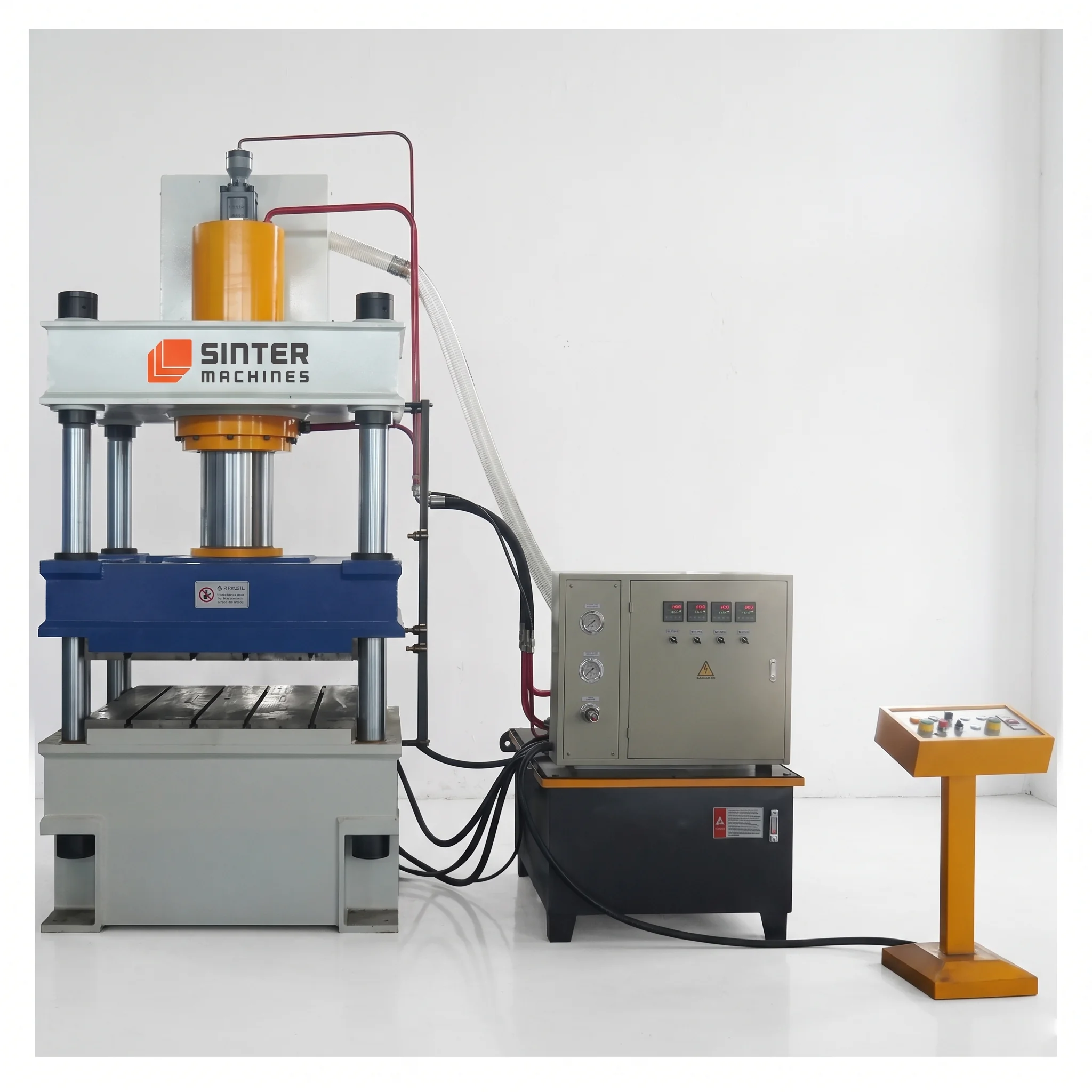
01 — Press System
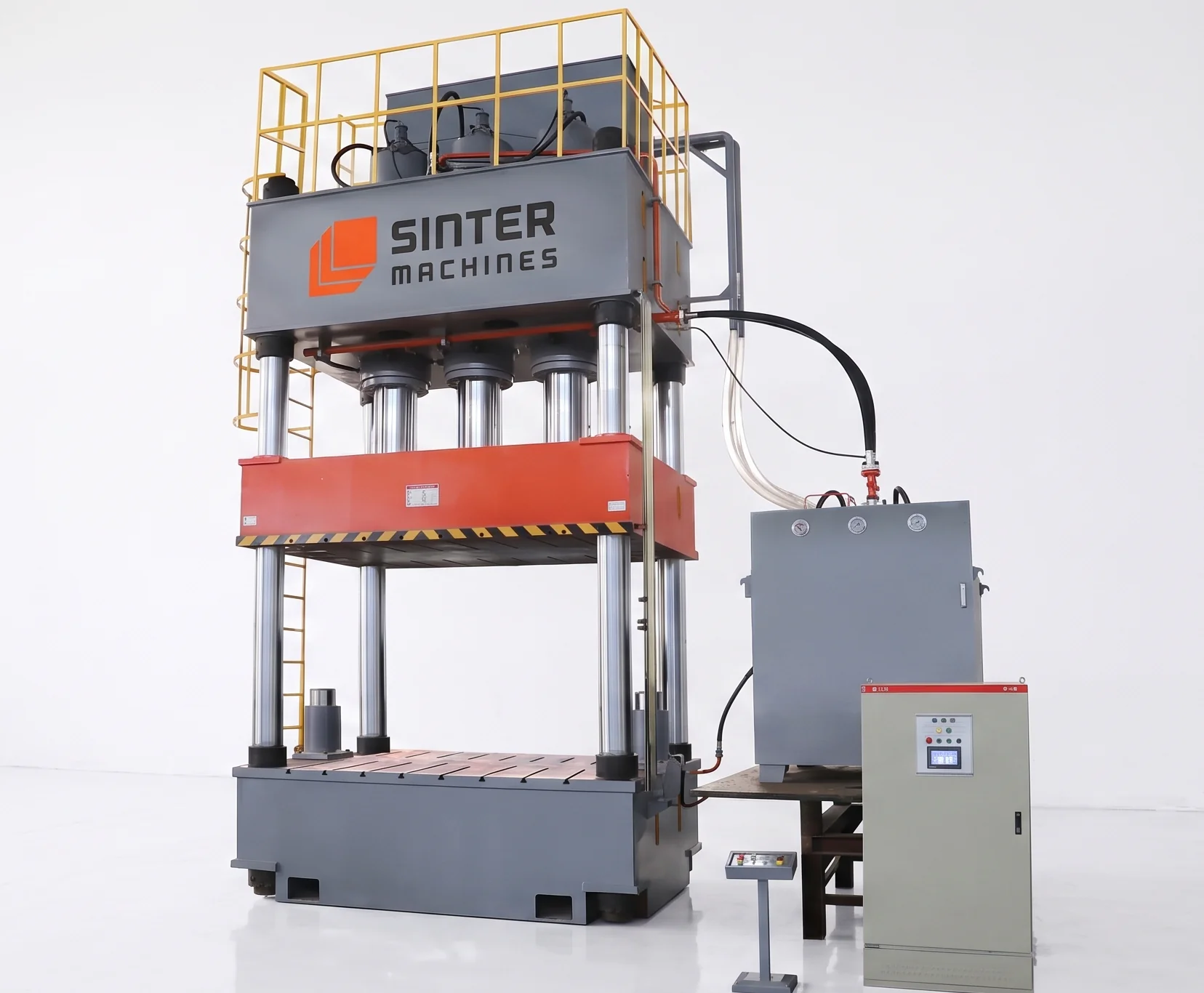
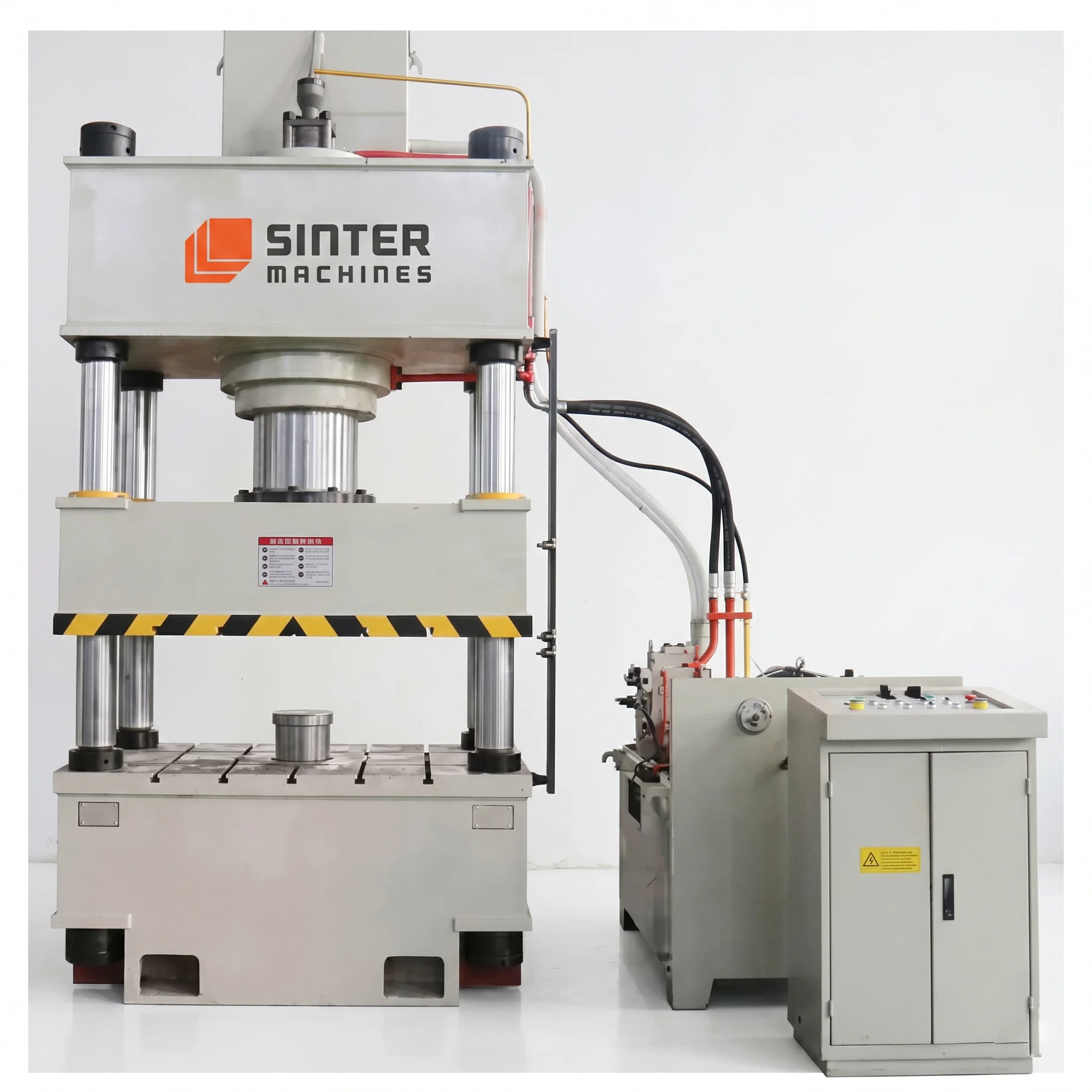
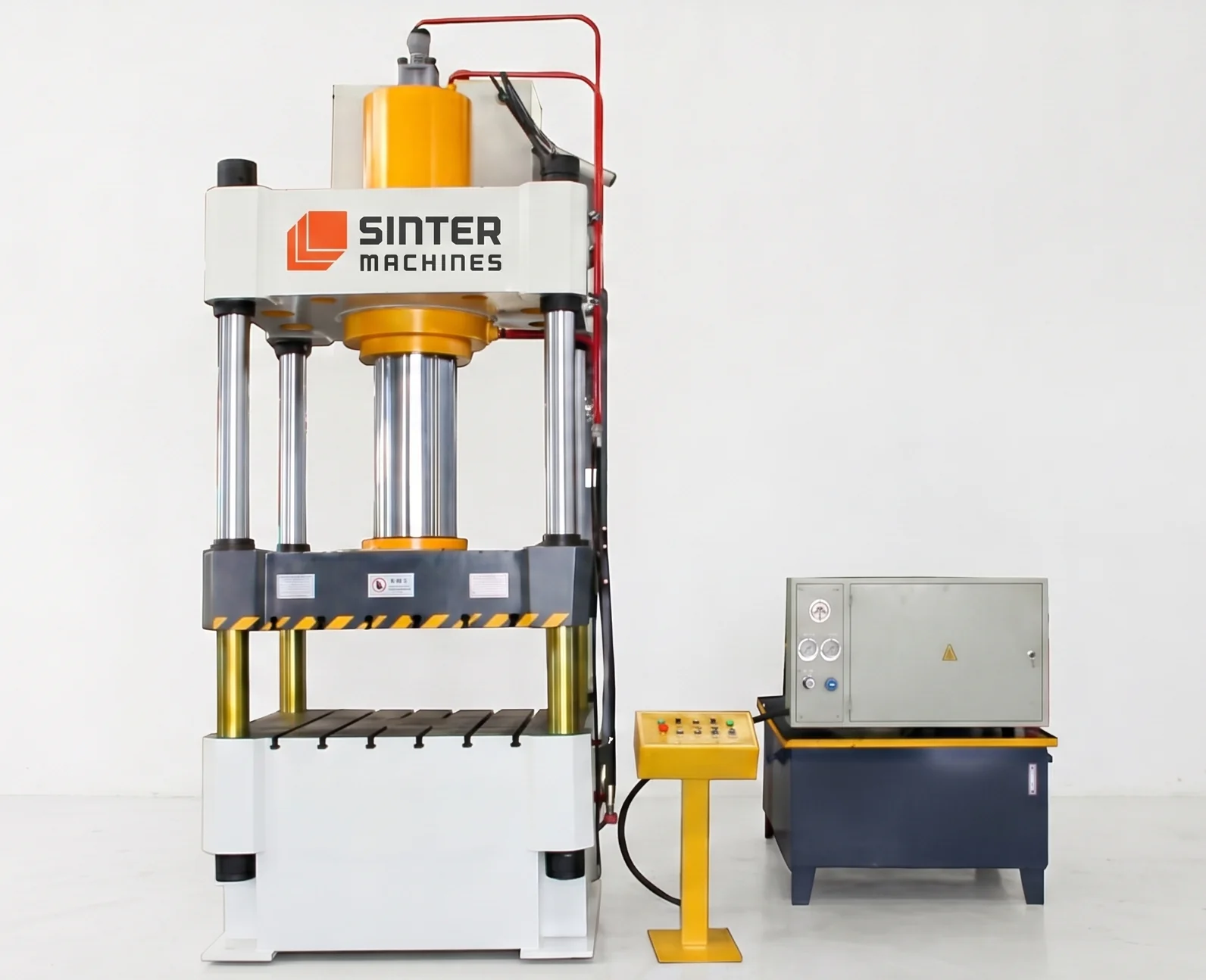
315T Four Pillar Hydraulic Press Machine
The 315-ton four-pillar hydraulic press delivers balanced compaction force with precise position control for medium-sized powder metallurgy components. Its sturdy four-pillar structure guarantees high structural rigidity, ensuring parallel pressing and uniform density distribution throughout the part.
Use Case
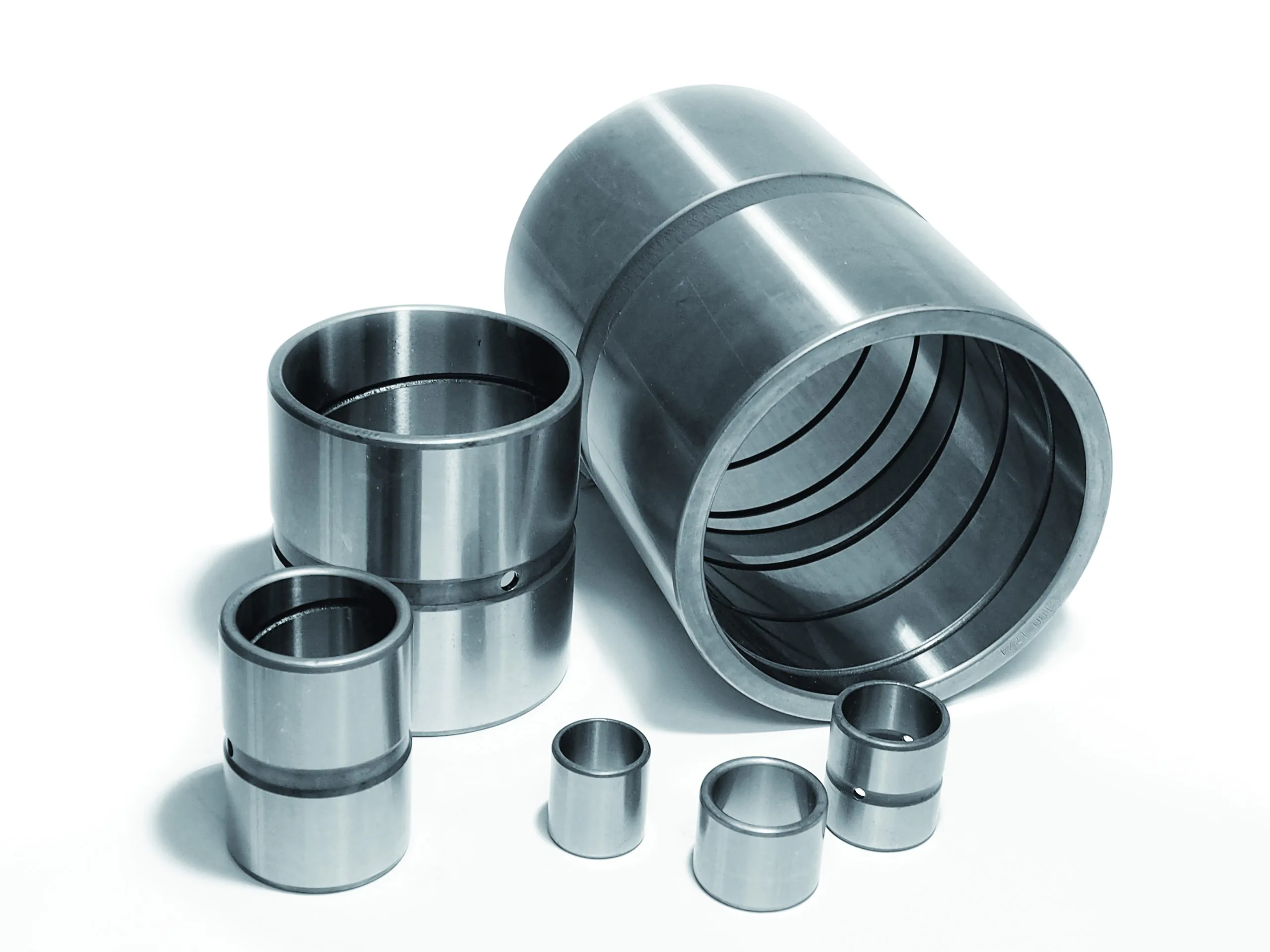
This press system is optimized for high-volume manufacturing of medium-sized bushings, self-lubricating sleeve bearings, and structural sleeves. It provides precise pressure management to achieve target green densities and uniform porous networks for post-sintering oil impregnation.
- Core Applications: Engineered for automotive powertrain, industrial machinery, electric motors, and heavy-duty agricultural equipment. It produces medium-sized bearing sleeves, wear bushings, and structural spacer rings that demand high wear resistance and load capacity.
- Material: Utilizes iron-based powders, bronze (Cu-Sn), iron-copper alloys, and stainless steel powders mixed with graphite and lubricants. These material systems support controlled density matrix formation essential for oil retention and self-lubricating capabilities.
- Products Processed: Compacts medium automotive bushings, flanged journal bearings, thick-walled cylindrical sleeves, suspension arm bushings, and pump shaft bearings. It processes multi-step geometries with strict requirements for concentricity and radial strength.
- Why 315-Ton Hydraulic Press: Delivers the necessary pressing force to achieve high green density across medium cross-sectional areas without overloading the tooling. Its controlled hydraulic pressing speed and multi-stage ejection safeguard thick-walled parts against laminar cracking during compaction.
02 — Technical Specifications
SM 315 HP – HYDRAULIC PRESS MACHINE COMPLETE TECHNICAL DATA
The SM 315 HP – 315 Ton Hydraulic Press Machine is a high-precision compaction system designed for the production of medium-size powder metallurgy (PM) bushings and bearings. Its optimized 315-ton pressing capacity provides uniform densification, controlled porosity, and excellent dimensional accuracy, making it ideal for automotive and industrial bearing applications.
Capacity & Structural Design
- Rated Capacity: 315 Tons (≈ 3090 kN)
- Type: Four Pillar hydraulic PM compaction press
- Frame: Rigid welded structure (stress-relieved)
- Safety factor: ≥ 1.30–1.35
- Parallelism accuracy: ≤ 0.02–0.04 mm (critical)
Hydraulic System
- Cylinder type: Doubleacting / multi-action
- Bore: 300–350 mm
- Stroke: 300–700 mm
- Working pressure: 25–30 MPa
- Control: Servo-proportional system
Multi-Level Compaction
- Upper punch independent control
- Lower punch control
- Floating die system (optional)
Benefits:
- Uniform density across wall thickness
- Reduced internal stresses
- Better sintering results
Compaction Cycle
- Powder filling into die cavity
- Upper and lower punch movement
- Pre-compaction (air removal)
- Main compaction (densification)
- Holding stage (stabilization)
- Decompression
- Ejection of green component
Working Envelope
- Platen size: 600 × 600 mm
- Daylight: 600–900 mm
- Column diameter: 120–160 mm
Control System
- PLC: Siemens / Mitsubishi / Delta
- HMI: Advanced process control interface
Controlled parameters:
- Pressure profile
- Displacement/stroke
- Compaction speed
- Density consistency
Features:
- Real-time monitoring
- Process data logging
- Industry 4.0 integration
- Safety PLC
SM 315 HP — Model Specifications
- Nominal Force: 3150 KN
- Maximum Hydraulic Pressure: 25 MPa
- Max Opening Height of the Slider: 1000 mm
- Max Stroke of the Slider: 600 mm
- Effective Bed Size: 800 × 800 mm
- Slider Down Speed: 100 mm/s
- Slider Pressing Speed: 7–12 mm/s
- Slider Return Speed: 90 mm/s
- Ejector Cylinder Nominal Force: 300 KN
- Stroke of the Ejection Cylinder: 300 mm
03 — Die / Mold System
Precision Powder Metallurgy Medium Bushings & Bearings Die Engineering
Successfully engineered and optimized dies for precision powder metallurgy medium-sized bushings and bearings, ensuring high dimensional accuracy and consistent product quality. Improved die performance through robust design practices, reducing tooling wear and enhancing production efficiency. Collaborated with manufacturing and quality teams to achieve reliable part compaction, longer tool life, and reduced process variations.
Technical Specifications (Tooling)
Tool Type
- Precision cylindrical PM compaction tooling
- Core rod-based system
Tool Materials
- Tool steels: H13 / D2 / carbide inserts
- Hardness: 58–64 HRC
Tool Construction
- Upper punch → outer geometry
- Lower punch → structural support
- Die cavity → outer diameter control
- Core rod → inner bore formation
Core Rod System:
- High precision ground rods
- Replaceable inserts
- Wear-resistant materials
Ensures:
- Accurate bore diameter
- Smooth internal surface
Alignment Accuracy: ±0.01–0.02 mm
Surface Finish
| Area | Finish |
| Inner bore | Precision polished |
| Outer surface | Smooth |
| Functional zones | Ground finish |
Lubrication
- Internal powder lubrication
- Tool coatings (optional: TiN, DLC)
Tool Life: 200,000 – 500,000 cycles
Precision Powder Metallurgy Medium Bushings & Bearings Die Mold
04 — Product Application
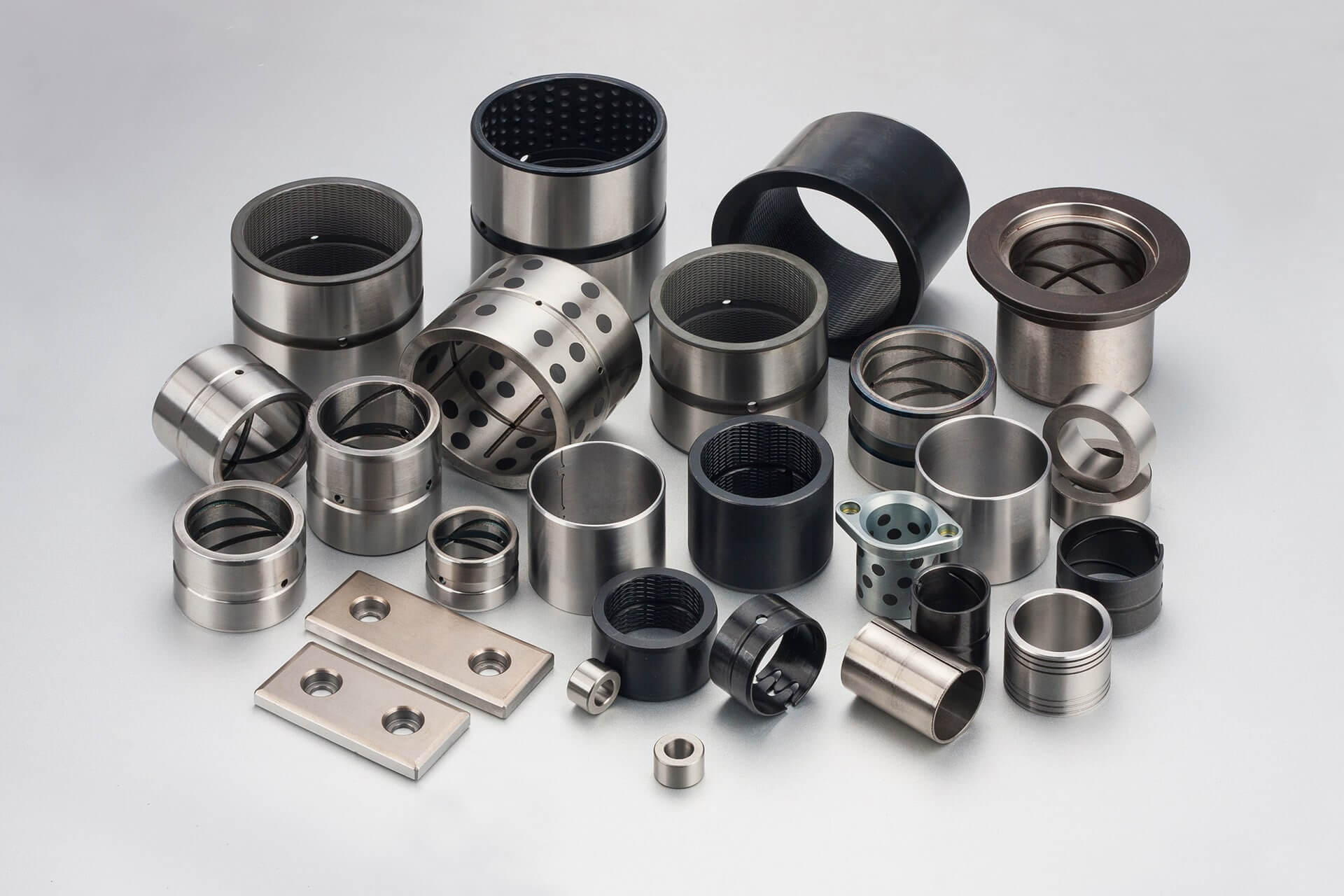
Where Powder Metallurgy Medium Bushings & Bearings Are Used
Powder metallurgy medium bushings and bearings are widely used in automotive systems, electric motors, pumps, compressors, power tools, home appliances, and industrial machinery where reliable rotational or sliding motion is required. Their self-lubricating properties, high wear resistance, and cost-effective manufacturing make them ideal for reducing friction and supporting shafts under moderate loads.
Industry Applications
Automotive Industry
In the automotive industry, powder metallurgy medium bushings and bearings are extensively used in engine bushings, transmission bearings, starter motor bushings, and alternator bearings. These components provide excellent wear resistance, dimensional accuracy, and self-lubricating performance, ensuring smooth operation under varying loads and speeds.
Industrial Machinery
In industrial machinery, powder metallurgy medium bushings and bearings are commonly used in conveyor systems, rotating shafts, gearbox bushings, and machine tool bearings. These components provide reliable support for moving parts, offering excellent wear resistance, load-bearing capability, and smooth operation.
Mobility Sector
In the mobility sector, powder metallurgy medium bushings and bearings are widely used in two-wheeler bushings and small engine components. These components provide excellent wear resistance, dimensional stability, and reliable performance under continuous operating conditions.
Electrical & Appliances
In electrical and appliance applications, powder metallurgy medium bushings and bearings are widely used in motor bushings, fan bearings, and pump components. These components offer excellent wear resistance, low friction, and self-lubricating performance, ensuring smooth and reliable operation of rotating equipment.
| Industry | Scenario |
|---|---|
| Automotive | Engine & gearbox bushings |
| Industrial | Heavy rotating systems |
| Machinery | Shaft and bearing supports |
| Appliances | Motor & pump systems |
| Mobility | Compact drive systems |
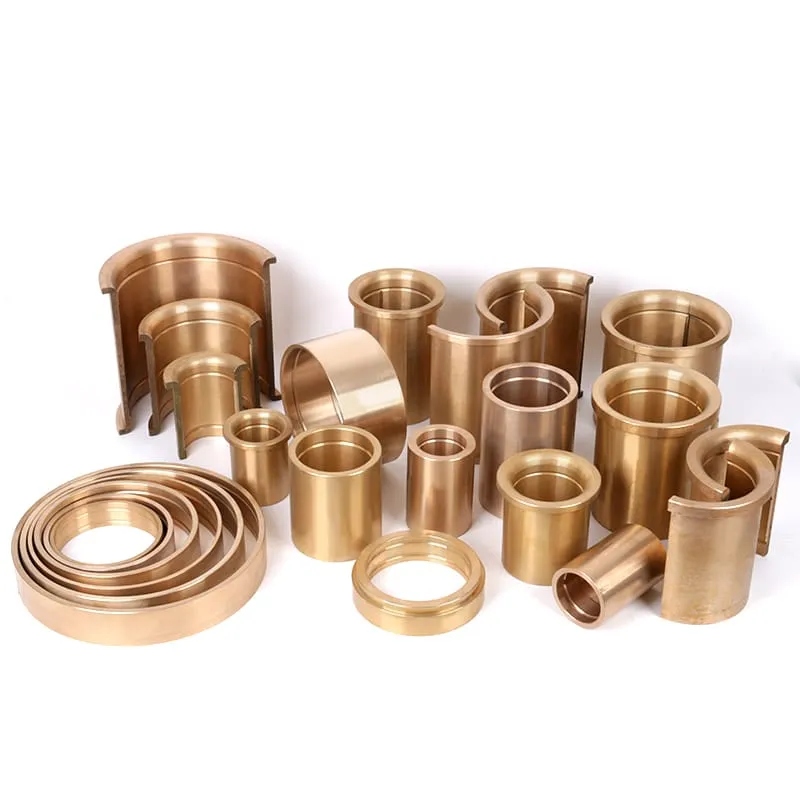
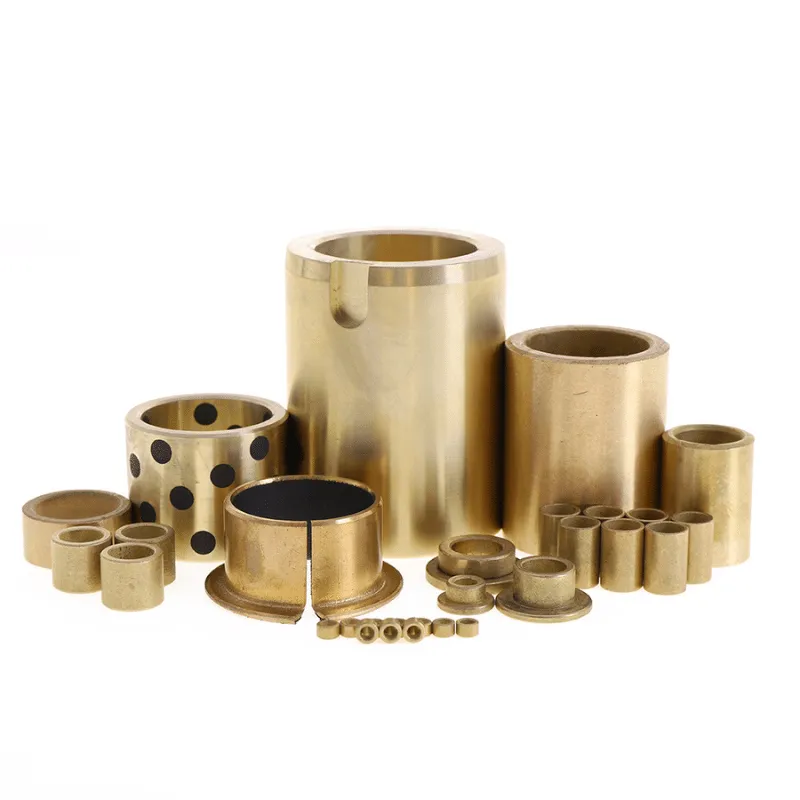
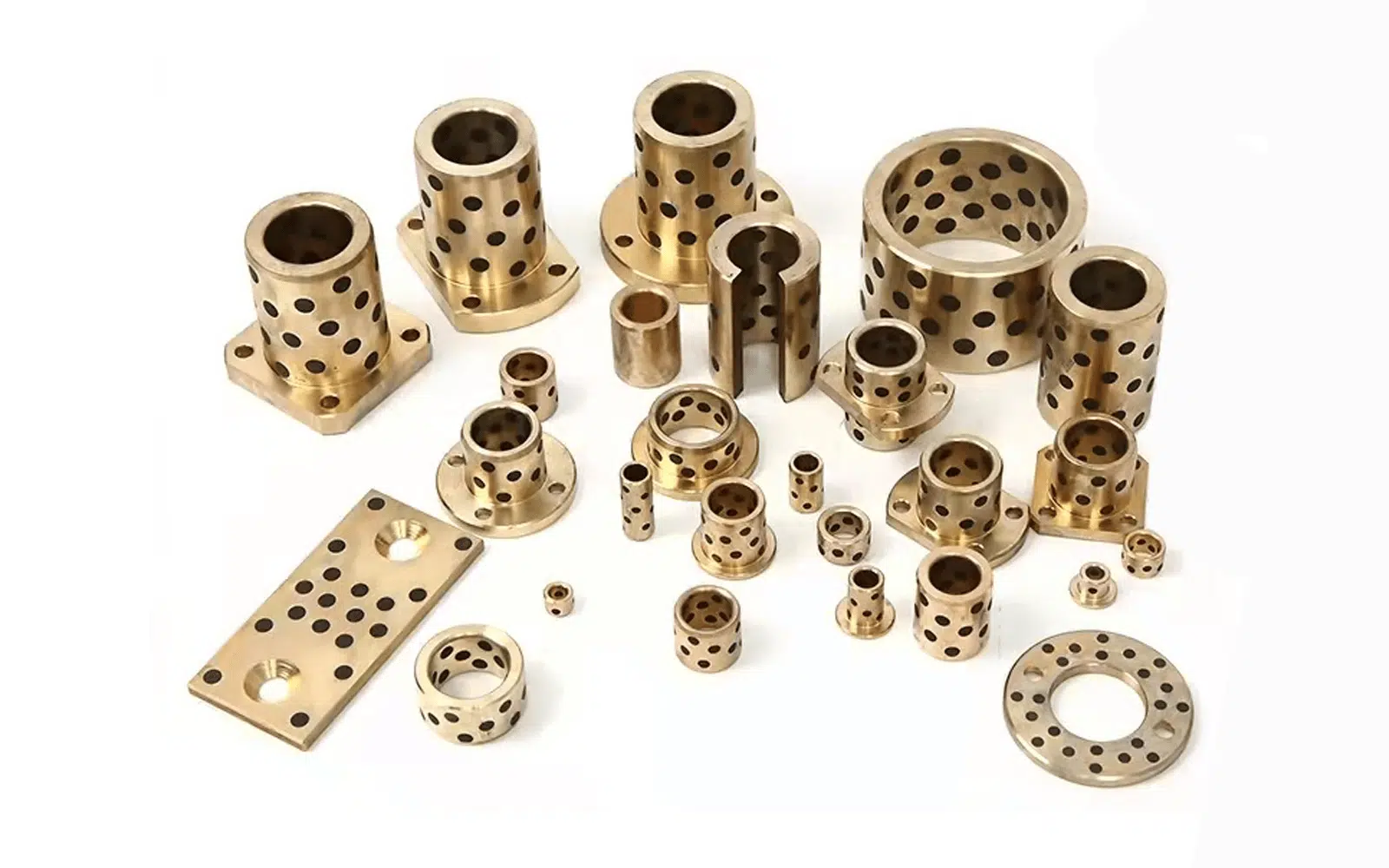
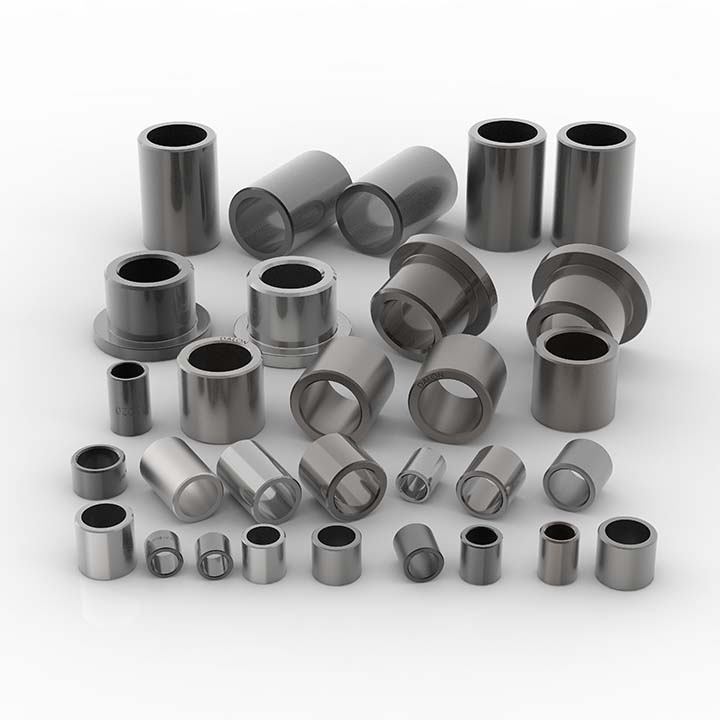
Finished Product Gallery
05 — Key Advantages
Why Choose the 315-Ton Sinter Hydraulic Press
The 315-Ton Sinter Hydraulic Press is engineered to deliver precise and consistent compaction for powder metallurgy components, ensuring superior density control and dimensional accuracy. Its robust hydraulic system provides reliable performance for producing medium-to-large PM parts with excellent green strength and minimal material variation.
High-speed compaction (seconds per part)
Implemented high-speed powder compaction processes, achieving production cycle times of only a few seconds per part while maintaining stringent dimensional and density requirements. Optimized die design and compaction parameters to ensure consistent part quality, minimize defects, and enhance productivity. This enabled efficient large-volume manufacturing, reduced production costs, and improved overall equipment utilization.
Controlled porosity (critical for bearings)
Controlled porosity is a key advantage of powder metallurgy bearings, enabling the retention and distribution of lubricating oil throughout the component structure. By precisely controlling pore size and density during compaction and sintering, manufacturers ensure optimal self-lubricating performance, reduced friction, and enhanced wear resistance.
Self-lubricating performance
Self-lubricating performance is a key benefit of powder metallurgy bushings and bearings, achieved through their controlled porous structure that retains lubricating oil within the component. During operation, the lubricant is released to the bearing surface, reducing friction, minimizing wear, and ensuring smooth, maintenance-free performance.
High wear resistance
High wear resistance is a critical characteristic of powder metallurgy bushings and bearings, enabling them to withstand continuous friction, heavy loads, and demanding operating conditions. Through optimized material composition, controlled porosity, and precision manufacturing, these components deliver excellent durability and surface performance.
Long service life
Long service life is a major advantage of powder metallurgy bushings and bearings, resulting from their high wear resistance, controlled porosity, and self-lubricating characteristics. These features minimize friction, reduce component degradation, and maintain consistent performance over extended operating periods.
Cost-efficient manufacturing
Cost-efficient manufacturing is a significant advantage of powder metallurgy bushings and bearings, as the near-net-shape process minimizes material waste and reduces the need for secondary machining operations. High-volume production capabilities, short cycle times, and excellent dimensional consistency contribute to lower manufacturing costs while maintaining product quality.