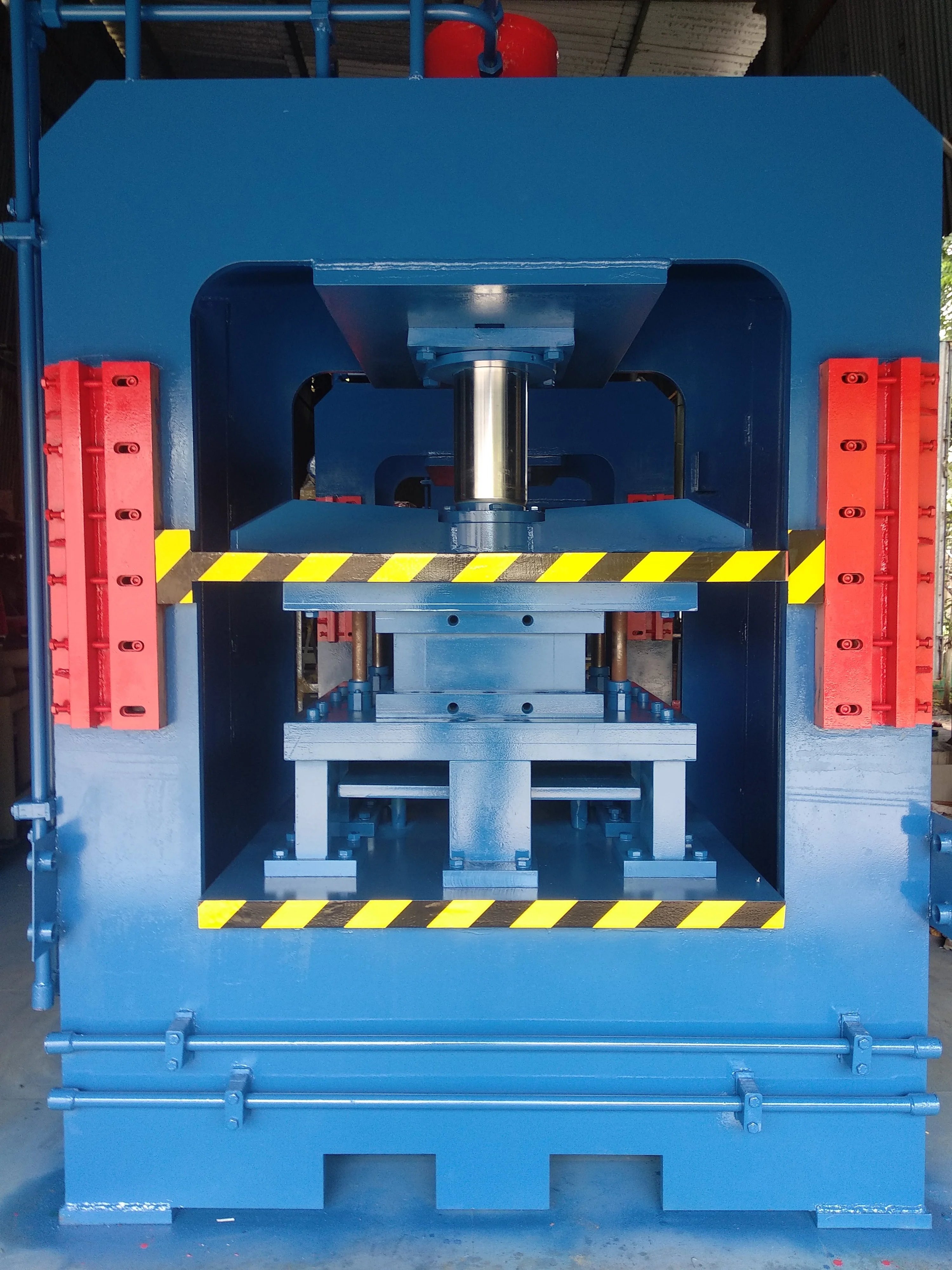
Kerbstone Press — hydraulic press 1
Plastic Sand Kerbstone · Hydraulic Press Machine

100T Four Column Hydraulic Press for Plastic Sand Kerbstone

100T Rated Capacity
100 mm/s Slider Down Speed
7–15 mm/s Slider Pressing Speed
90 mm/s Slider Return Speed

01 — Press System

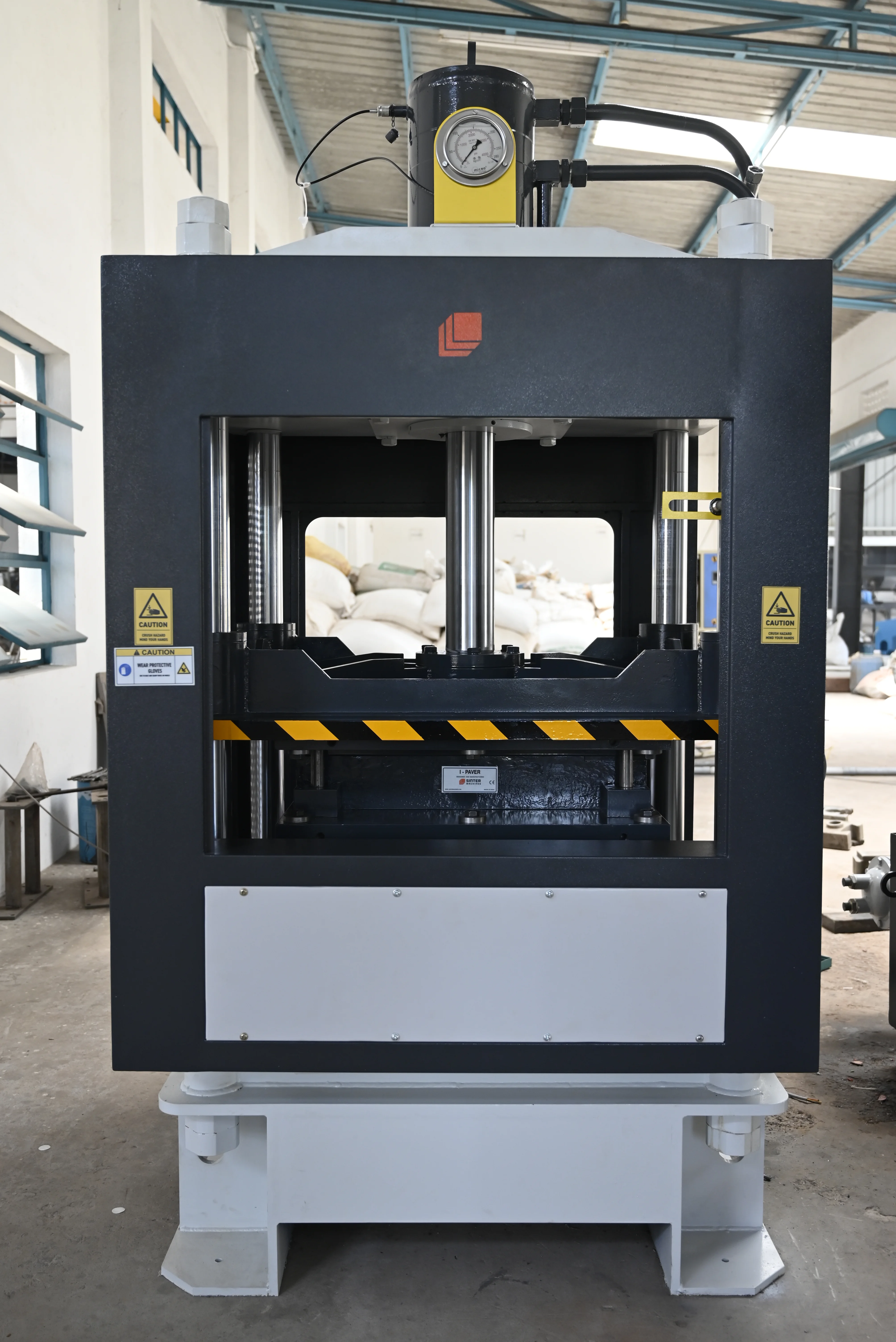
100T Four Column Hydraulic Press Machine

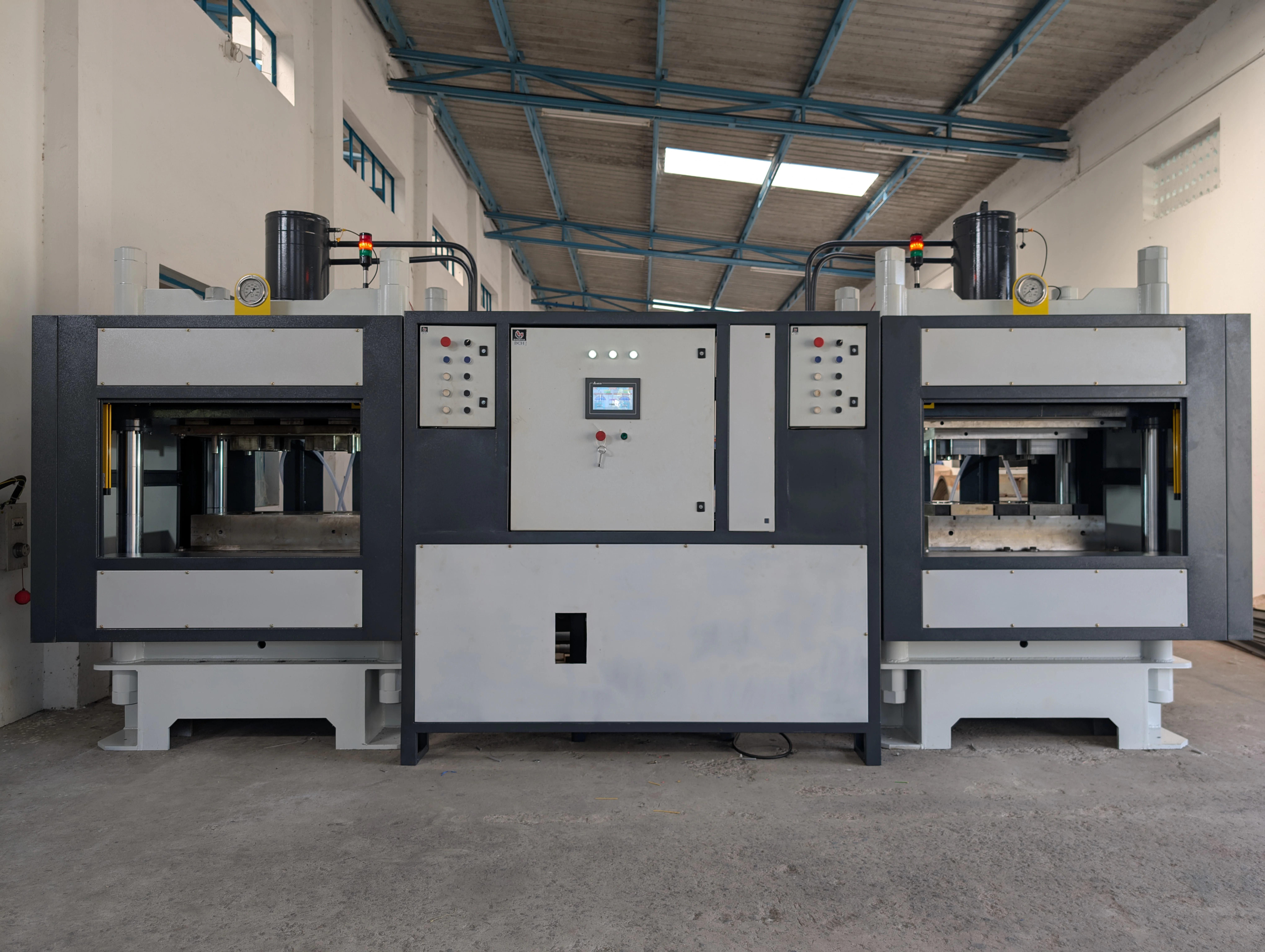
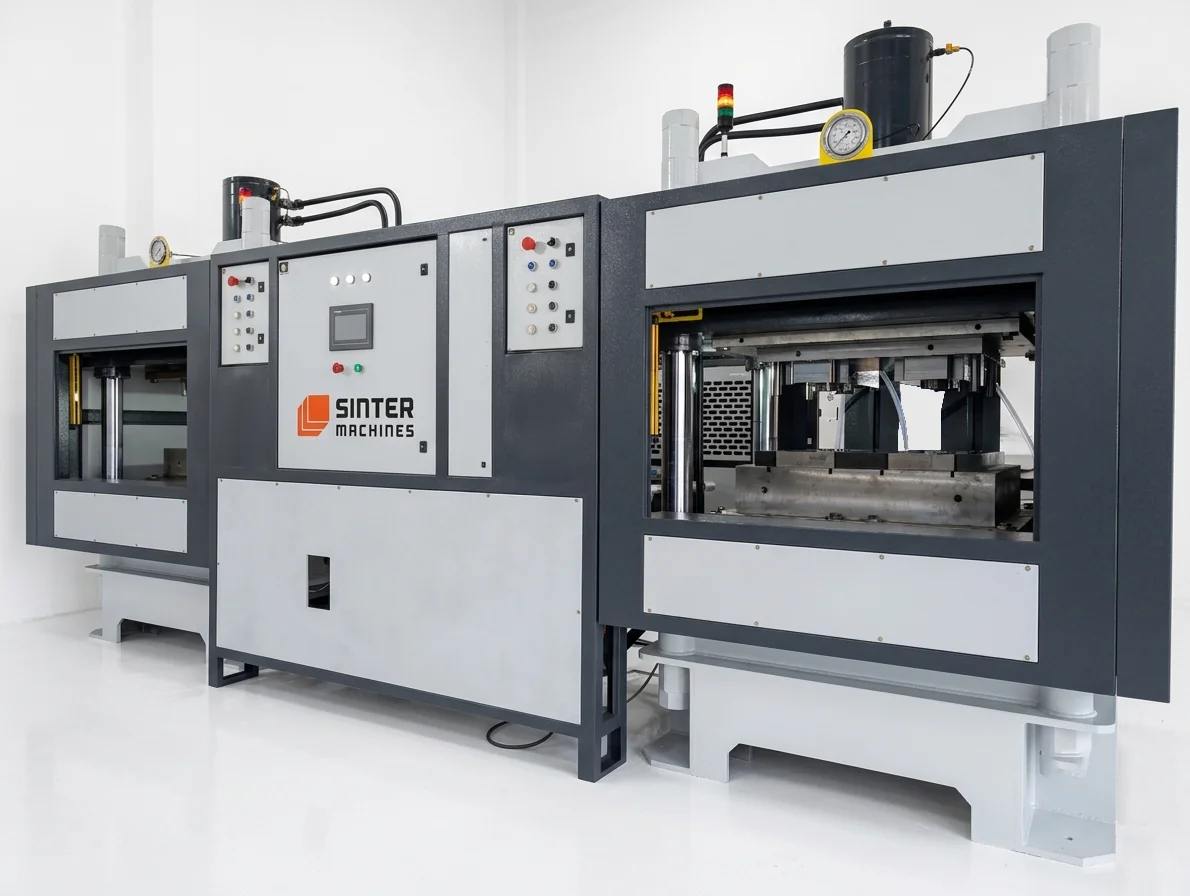
The 100-Ton Four Column Hydraulic Press production line integrates automated loading, extrusion melting, high-pressure compaction, and rapid chill-molding to process recycled waste plastics and eco sand into durable, multi-color composite kerbstones. This eco-friendly industrial solution ensures high structural density, zero internal voids, and precise dimensional consistency for heavy-duty civil infrastructure applications.

Use Case

Serves as an automated, high-efficiency manufacturing line engineered to process 70 percent agri-fleece waste plastics and 30 percent cement slurry eco sand into durable, eco-friendly kerbstones. The system delivers 100 tons of uniform compaction force while rapid-cooling molten material from 200°C to 60°C to maximize throughput and structural performance.

  • Core Applications: Used in highway edging, urban road dividers, pedestrian sidewalk borders, landscaping barriers, and municipal civil infrastructure projects requiring lightweight, impact-resistant kerbstones.
  • Material: Waste Recycled Plastics + Sand + Pigments: Formulated using 70 percent agri-fleece waste recycled plastics, 30 percent cement slurry eco sand, 3 percent color pigments, and necessary UV additives for long-term outdoor durability.
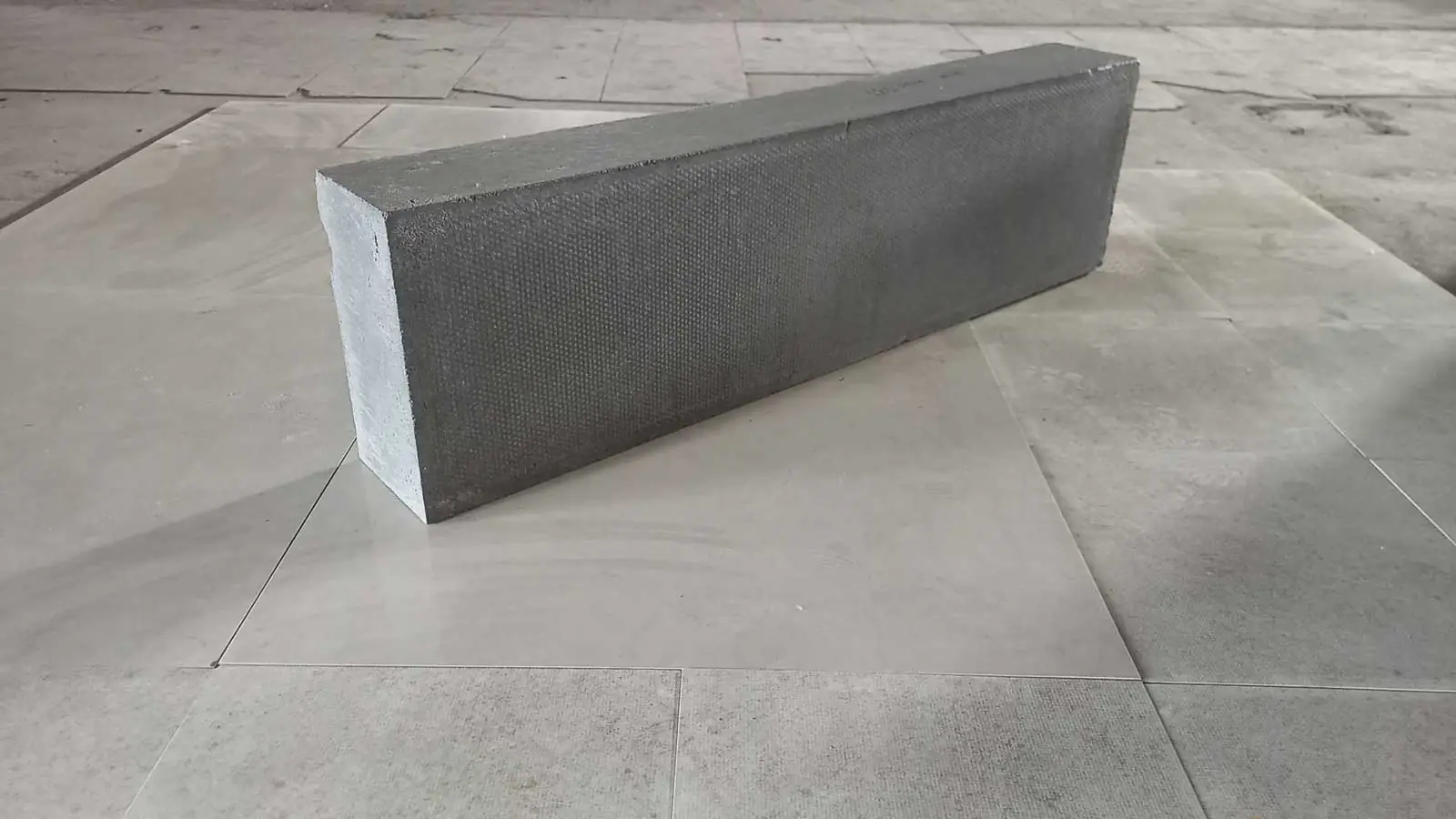
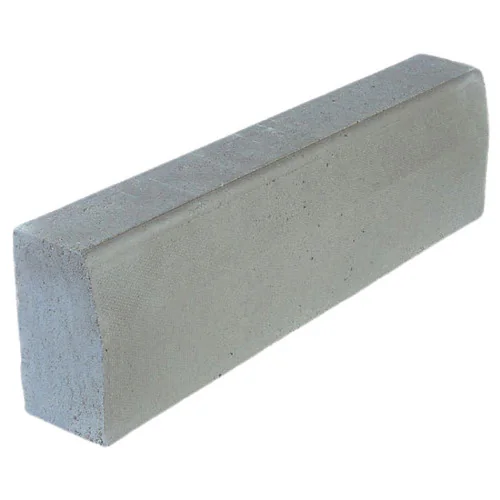
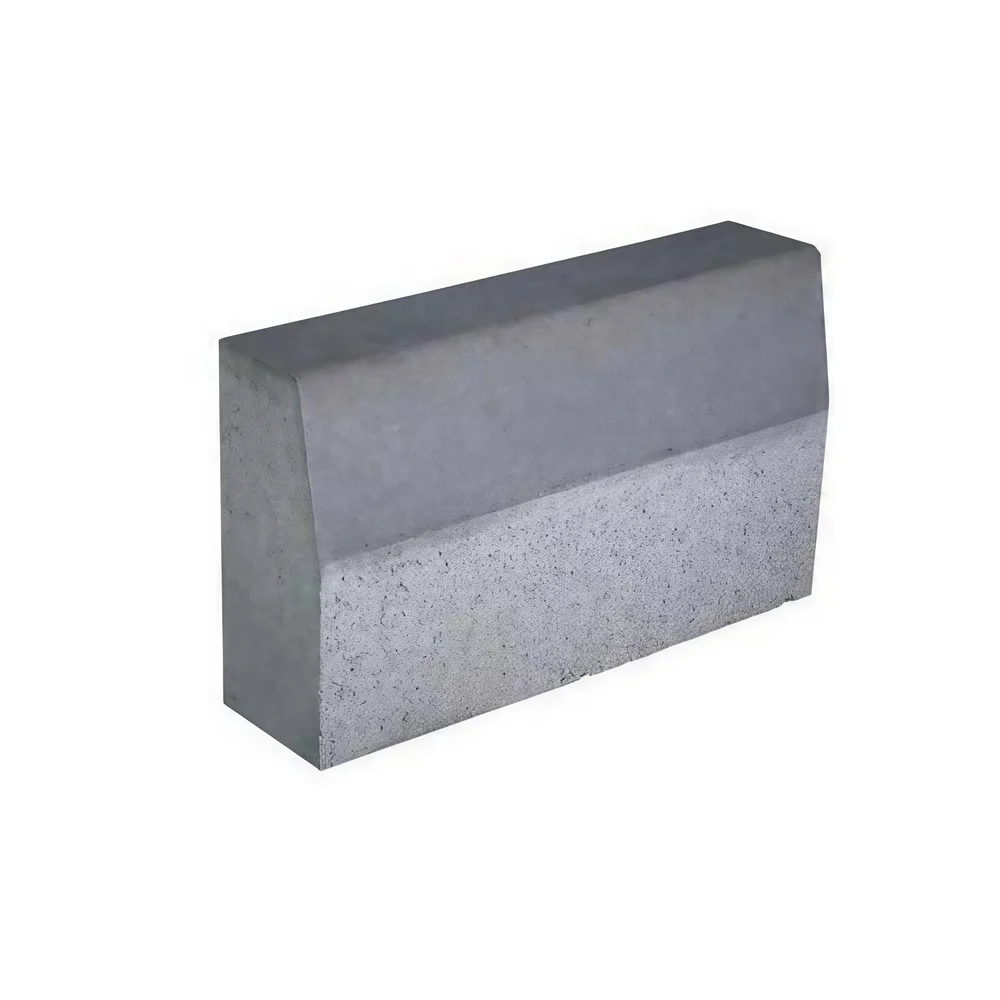
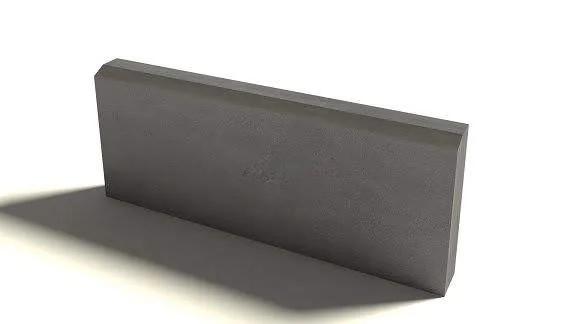
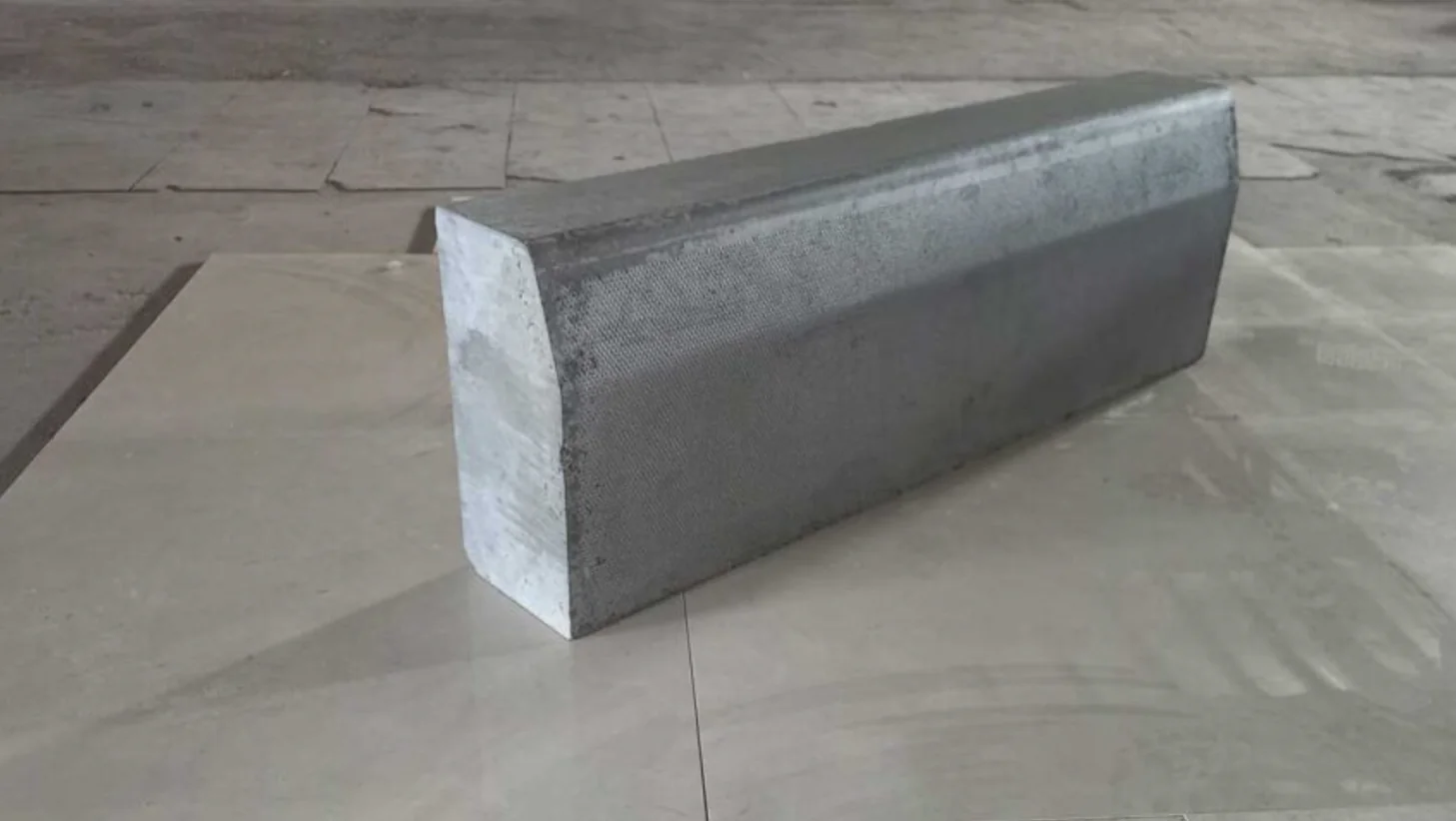
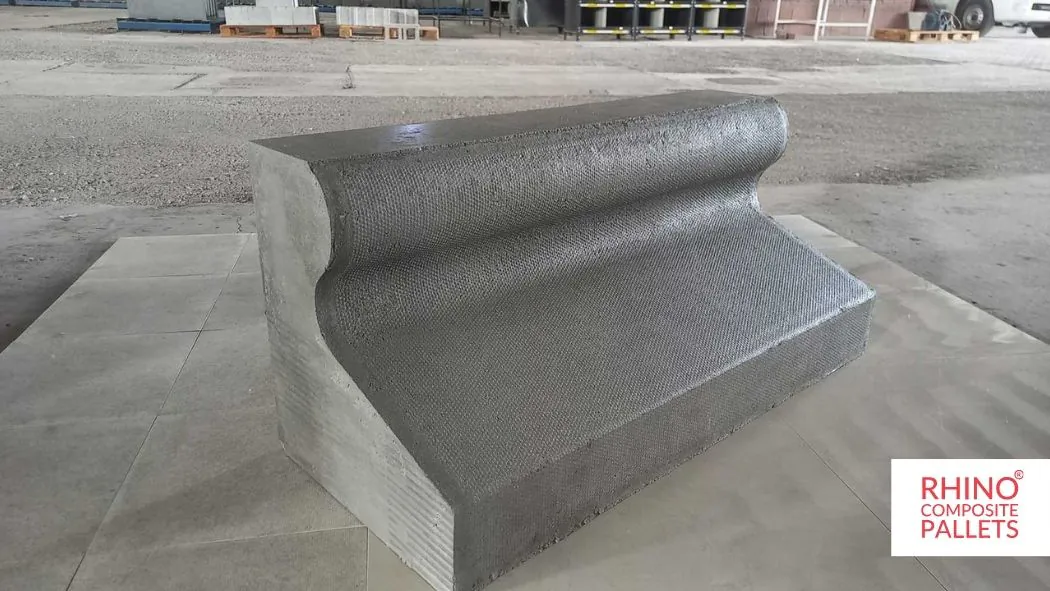
  • Products Processed: Plastic Sand Composite Kerbstone: Manufactures multi-color, non-corrosive, waterproof, and high-impact kerbstones that are 30 to 40 percent lighter than traditional concrete alternatives.
  • Why 100 Ton Hydraulic Press: Delivers optimal high-pressure compaction to completely eliminate internal air voids, ensuring sharp edge definition, high compressive strength, and uniform density across thick kerbstone profiles.

02 — Technical Specifications

SM 100 HP – Hydraulic Press Machine Complete Technical Data

The SM 100 HP delivers 100 tons of high-precision compaction force engineered specifically for continuous, high-density manufacturing of plastic sand composite kerbstones. Featuring a heavy-duty four-column frame, rapid approach speed, and advanced programmable controls, it ensures superior structural density and void-free molding across every cycle.

Capacity

  • Press Capacity: 100 Ton

Structural Design

  • Construction Type: Heavy Duty Four Column Design

Frame Type

  • Structure: High Rigidity Solid Steel Column Frame

Hydraulic System

  • System Configuration: Low Noise Industrial Hydraulic Power Pack Unit

Main Ram Stroke

  • Stroke Length: 400 mm

Working Hydraulic Pressure

  • System Operating Pressure: 160 Bar

Daylight Gap

  • Maximum Daylight Opening: 700 mm

Approach Speed

  • Rapid Downward Movement: 120 mm Per Sec

Pressing / Drawing Speed

  • Controlled Working Speed: 10 mm Per Sec

Return Speed

  • Upward Clearance Speed: 100 mm Per Sec

Bed / Platen Size

  • Working Area Dimensions: 800 mm x 800 mm

Columns

  • Column Diameter and Count: 100 mm Diameter Four Hardened Chrome Columns

Working Envelope

  • Clear Clearance Between Columns: 600 mm x 600 mm

Control System

  • Automation Interface: Programmable Logic Controller with Human Machine Interface Touch Screen

Main Motor Power

  • Drive Motor Rating: 10 HP Three Phase Electric Motor

Valves & Hydraulics

  • Hydraulic Control Unit: High Precision Proportional Directional and Pressure Valves

Automation

  • Operational Mode: Auto Semi Auto and Manual Operating Cycles

Safety Features

  • Operator Protection: Dual Hand Push Button Operation Light Curtains and Emergency Stop Button

SM 100 HP — Model Specifications

  • Nominal Force: 1000 KN
  • Maximum Hydraulic Pressure: 25 MPa
  • Max Opening Height of the Slider: 800 mm
  • Max Stroke of the Slider: 500 mm
  • Effective Bed Size: 630 × 550 mm
  • Slider Down Speed: 100 mm/s
  • Slider Pressing Speed: 7–15 mm/s
  • Slider Return Speed: 90 mm/s
  • Ejector Cylinder Nominal Force: 100 KN
  • Stroke of the Ejection Cylinder: 200 mm
Production Case Study

100 Ton Plastic Sand Composite Kerbstone Blocks Production Line

Plastic Sand CompositeMaterial
500 x 200 mmKerbstone Size
30 to 45 mmSlab Thickness
120 SecCycle Time
Higher daily output rate
Zero internal void formation
Superior impact structural strength
Lower energy power consumption
Consistent kerbstone profile control
Reduced total scrap rate
03 — Die / Mold System

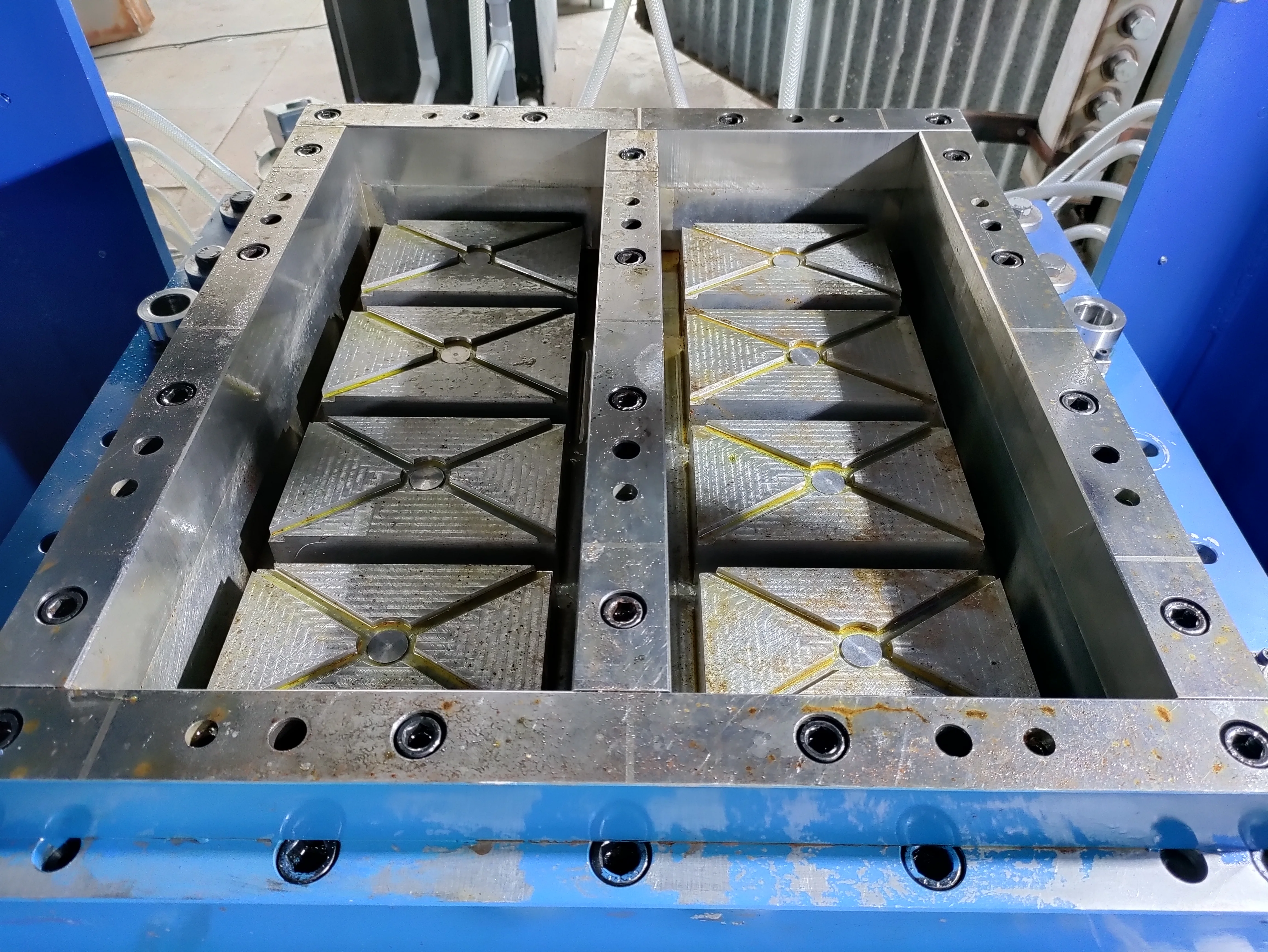
Precision 2 Cavity Kerbstone Block Die Mold Engineering

Engineered for high-compaction compression molding of heavy-duty recycled plastic sand composite kerbstone blocks used in civil infrastructure. Delivers precise chamfered edges, consistent block thickness, and high structural density across multi-cavity mass production runs.

Technical Specifications (Tooling)

Die Type

  • Configuration: Precision 2 Cavity Mold

Die Materials

  • Core and Cavity Steel: Hardened P20 or H13 Tool Steel
  • Mold Base: Heavy Duty C45 Steel Plate Structure
  • Guide Bushings and Pins: Case Hardened Alloy Steel

Tool Configuration and Construction

  • Ejection Mechanism: Multi Pin Mechanical Ejector Grid
  • Cooling Channels: Conformal Internal Cooling Water Passages
  • Feeding System: Direct Top Loading Open Cavity Design

Key Tooling Features

  • Side Formers: Precision Chamfer Edge Forming Inserts
  • Venting System: Integrated Micro Venting Grooves Around Perimeter
  • Clamping System: Standard Heavy Duty Bolted Plate Slots

Alignment Accuracy

  • Positional Precision: Within 0.008 mm
  • Parting Line Repeatability: Within 0.003 mm

Surface Finish

  • Cavity Polish Level: SPI B2 Fine Machined Finish
  • Texturing: Smooth or Mold Tech Textured Surface

Tool Life

  • Production Longevity: 750000 Cycles
Kerbstone Press — die mould
Case Study (Die Performance)

Precision 2 Cavity Kerbstone Block Die Mold

H13 Tool SteelDie Material
48 to 52 HRCHardness
Vacuum HardeningHeat Treatment
High Dimensional Precision ±0.5 mm
Extended Service Life Over 100K Cycles
Superior Surface Wear & Impact Resistance
Smooth Demolding Reduces Concrete Sticking
Excellent Vibration Fatigue Resistance
Reduced Maintenance & Mold Downtime

04 — Product Application

Where Plastic Sand Composite Kerbstone Blocks Are Used

Plastic sand composite kerbstones are modern eco-friendly construction materials made by fusing recycled waste plastics with fine sand. They serve as durable, lightweight, and weather-resistant alternatives to traditional concrete kerbs in urban infrastructure and landscaped environments.

Industry Applications

Urban Road Infrastructure

These kerbstones are installed along city highways, arterial roads, and expressways to define traffic lanes and protect pedestrians. Their high impact resistance helps absorb vehicular contact while reducing maintenance costs caused by chemical or salt erosion.

Pedestrian Footpaths & Cycle Tracks

They are widely used to border walkways, public parks, and bicycle corridors, ensuring clean structural boundaries between roads and paths. Their smooth finishing and customizable colors enhance urban aesthetic quality while preventing edge cracking under foot traffic.

Commercial & Residential Landscaping

Properties incorporate these kerbs around parking lots, residential driveways, green lawns, and flower beds to manage drainage and soil boundaries. The material's UV resistance prevents discoloration and degradation, maintaining clean lines in exposed outdoor settings.

Industrial & Port Facilities

They are deployed around factory premises, logistics hubs, and ports to withstand heavy chemical exposure, oil spills, and harsh weather. Unlike traditional concrete, these composites do not absorb moisture or corrode, ensuring a long operational lifespan under tough industrial conditions.

Finished Product Gallery

05 — Key Advantages

Why Choose the 100-Ton Sinter Hydraulic Press

The 100-ton Sinter Hydraulics press delivers the high compaction pressure and uniform heat distribution required to fuse plastic-sand mixtures seamlessly. It ensures precise structural density, fast cycle times, and minimal material waste for scalable, cost-effective kerbstone manufacturing.

01

High Compaction Pressure & Structural Density

The 100-ton hydraulic force ensures deep, uniform compaction of the dense plastic-sand composite matrix. This eliminates air voids within the mold, producing high-strength kerbstones with superior load-bearing capacity.

02

Thermal Efficiency & Faster Sintering Cycles

Integrated heating plates ensure consistent temperature transfer throughout the mold cavity during the pressing phase. This accelerates resin melt bonding, reducing overall cycle times and boosting production yield.

03

Dimensional Accuracy & Minimal Material Waste

Precision hydraulic control maintains exact stroke depth and pressure holding throughout the curing period. This guarantees uniform kerbstone dimensions, sharp edge definitions, and virtually zero raw material flash.

04

Lower Operational Costs & Energy Efficiency

Advanced hydraulic circuitry optimizes power usage by only drawing peak energy during the high-pressure pressing phase. This significantly cuts electricity costs compared to continuous-duty mechanical presses.

05

Reduced Mold Wear & Long Service Life

Smooth, controlled hydraulic RAM movement reduces violent mechanical shocks on die mold surfaces during closure. This minimizes surface abrasion, extending the operational lifespan of expensive two-cavity tooling.

06

High Commercial ROI & Production Flexibility

The machine accommodates various mold sizes and composite mix ratios without requiring costly structural modifications. Its high reliability and low maintenance demands ensure rapid payback and maximum uptime.