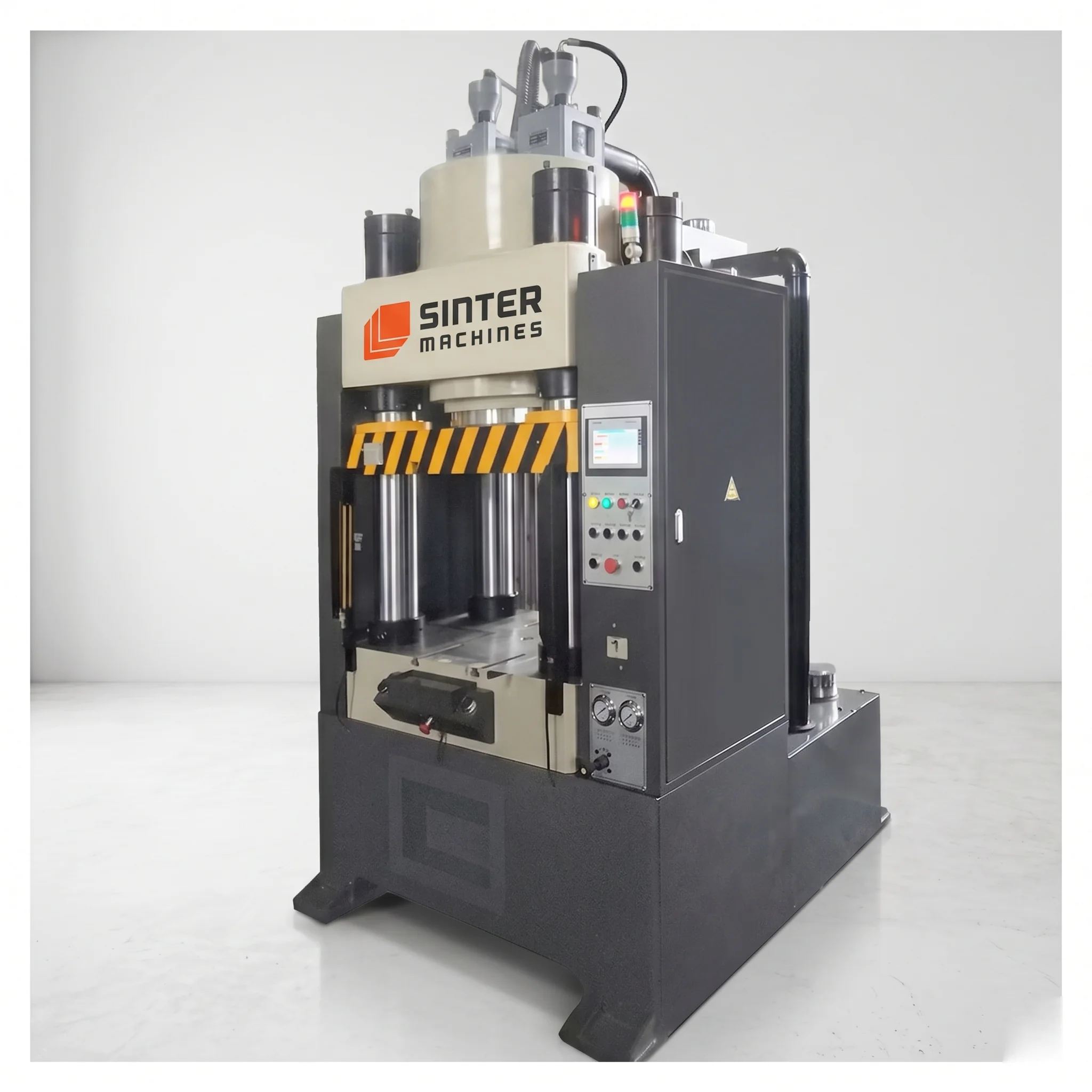
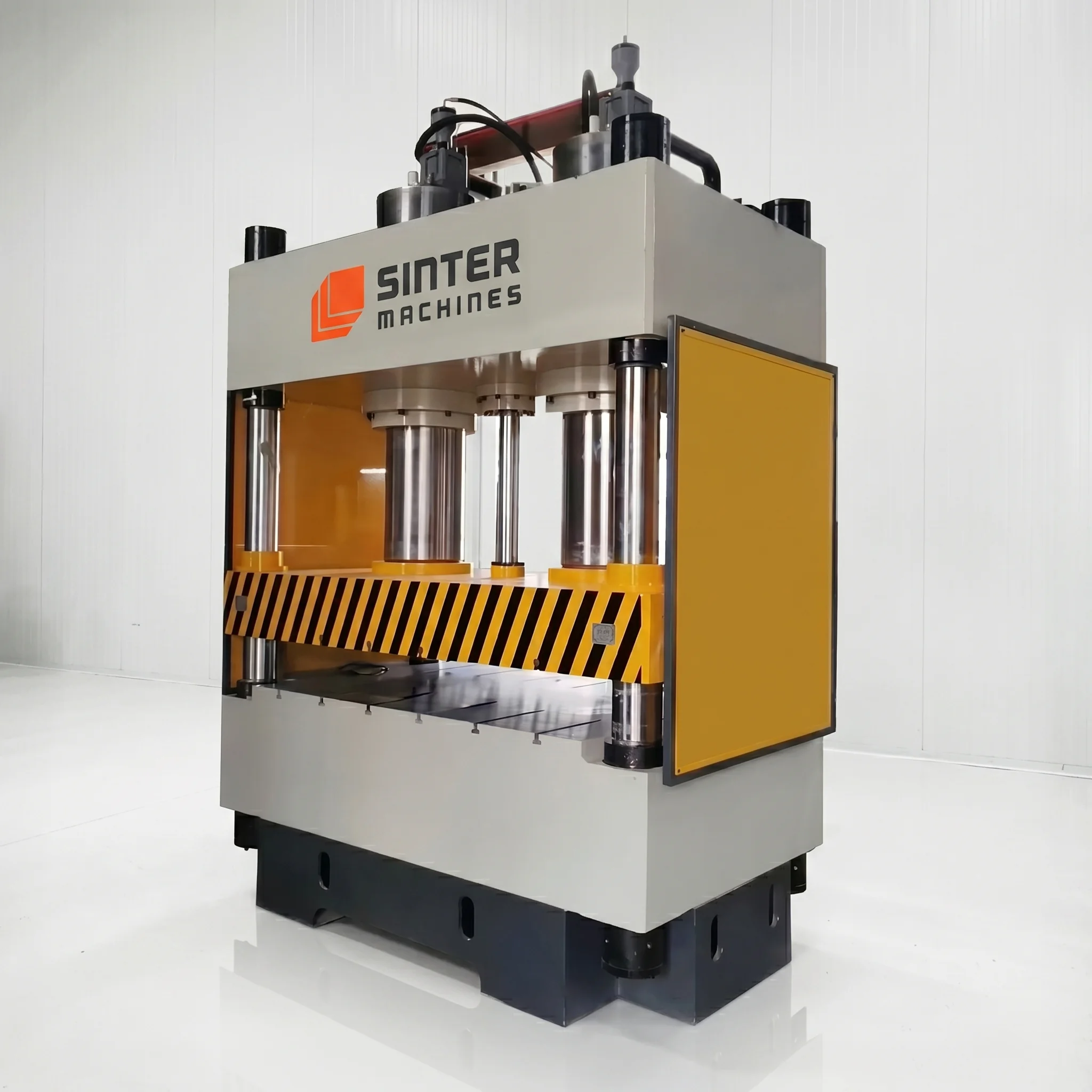
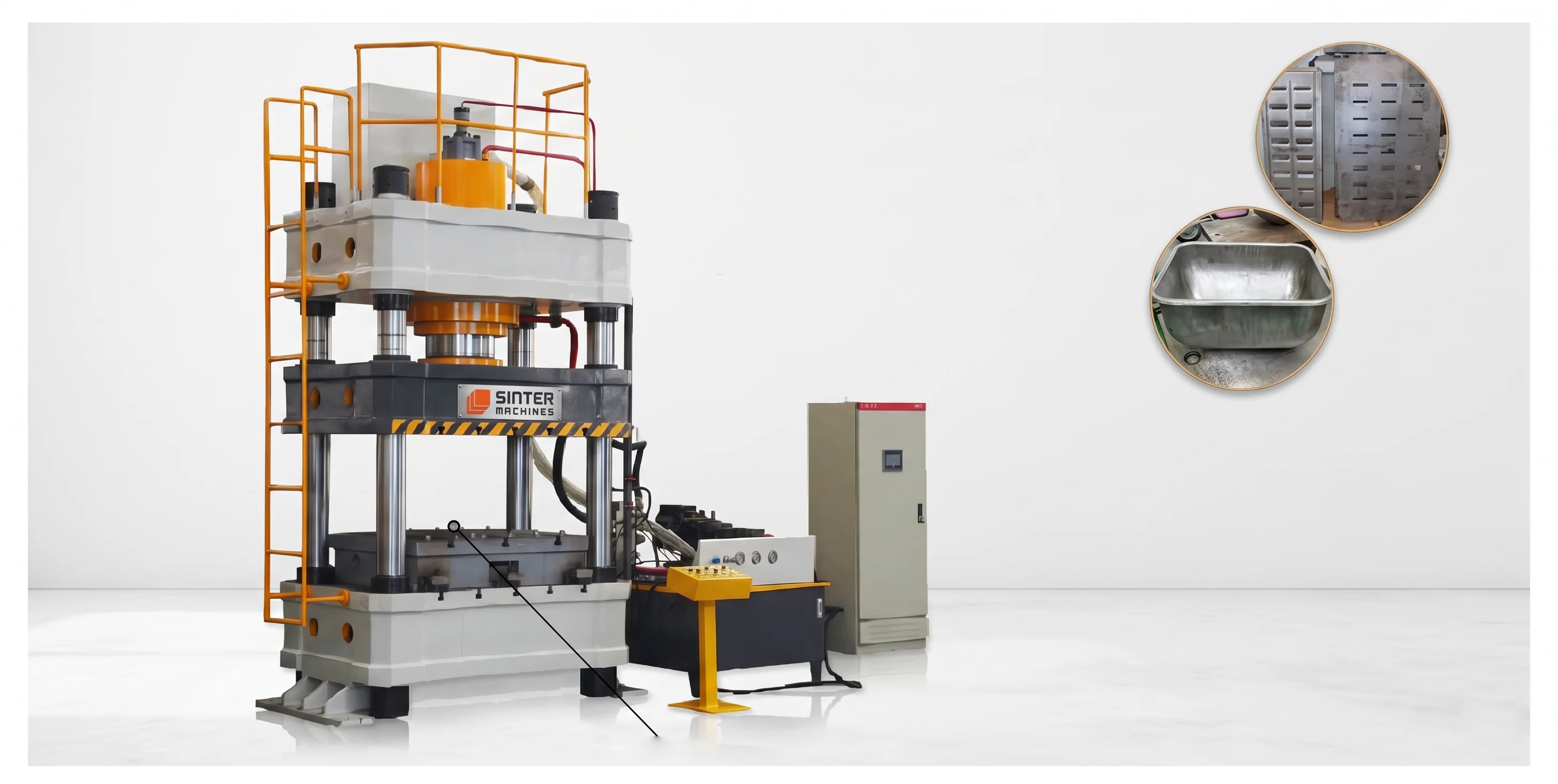
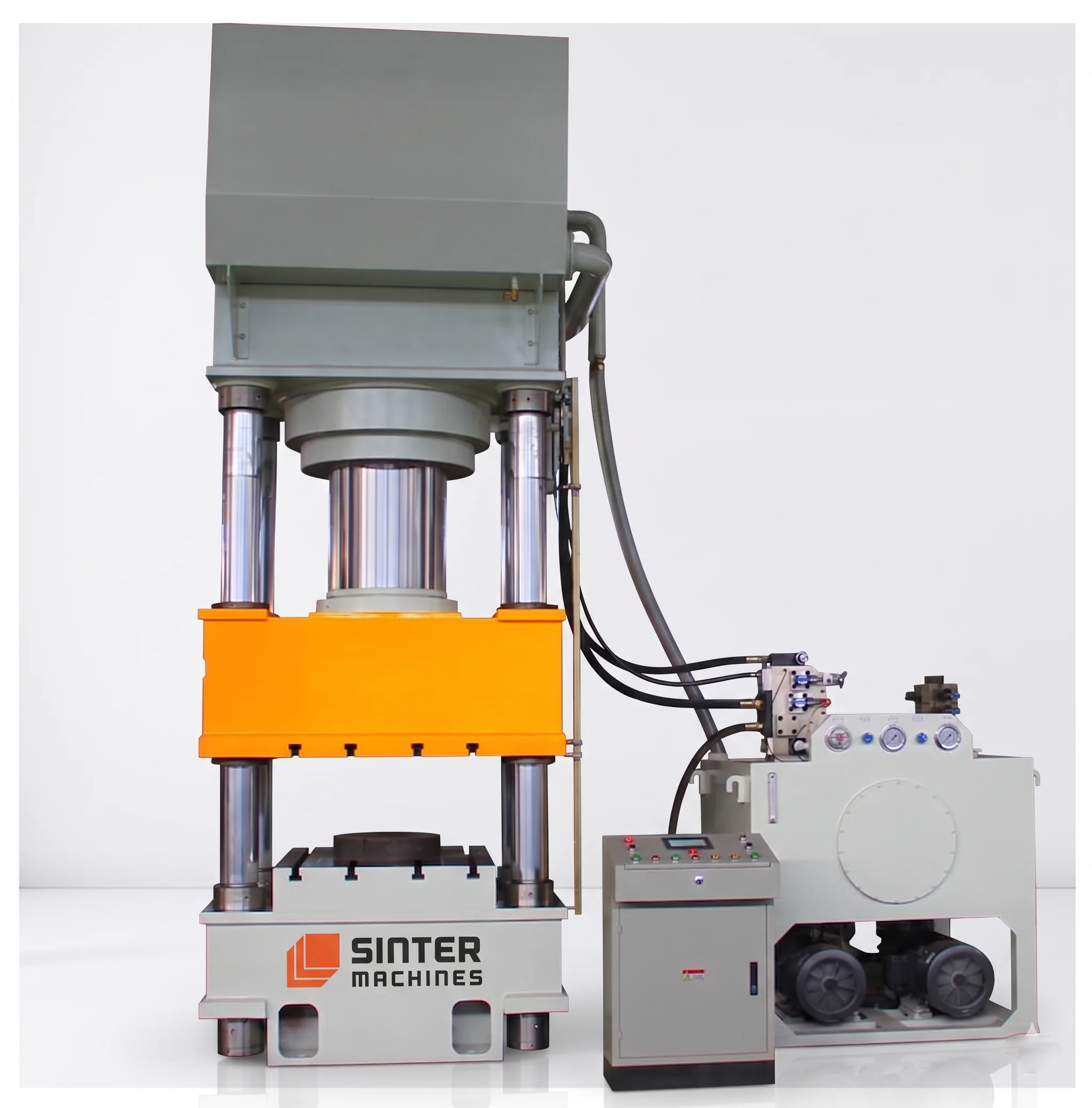
630T Cold Forged Precision Fasteners Press press view 1
Cold Forged Precision Fasteners · Hydraulic Press Machine

630 Ton Four Pillar Hydraulic Press for Cold Forged Precision Automotive Fasteners

630T Rated Capacity
150 mm/s Slider Down Speed
9–18 mm/s Slider Pressing Speed
200 mm/s Slider Return Speed

01 — Press System

630 Ton Four Pillar Hydraulic Press Machine

The 630-ton four-pillar hydraulic press provides a high-efficiency manufacturing platform engineered specifically for the high-volume fabrication of safety-critical fasteners. This machine setup utilizes robust mechanical guiding and responsive fluid circuits to meet the strict quality benchmarks of the international automotive and industrial supply chains.

Use Case

Cold-forged fasteners and bearing components must withstand high shear and fatigue loads without experiencing structural failure during service. This press system applies deep, uniform compression at room temperature to work-harden the steel matrix and align grain boundaries along the high-stress geometric profiles of the tool.

Core Applications

  • High-volume single-station and multi-station cold extrusion forging of automotive-grade fastening hardware
  • Precision cold upsetting, heading, and forward/backward extrusion of solid and semi-hollow steel blanks
  • Near-net-shape processing of critical internal and external splines, shoulders, and specialized stepped profiles

Material

  • High-quality carbon steels, specialized low-alloy forging steels, and micro-alloyed industrial wire rods
  • Case-hardening steels, high-tensile chrome-vanadium alloys, and medium-carbon steels optimized for cold work
  • Corrosion-resistant ferritic and austenitic stainless steel grades engineered for high-durability fastening applications

Typical Products Processed

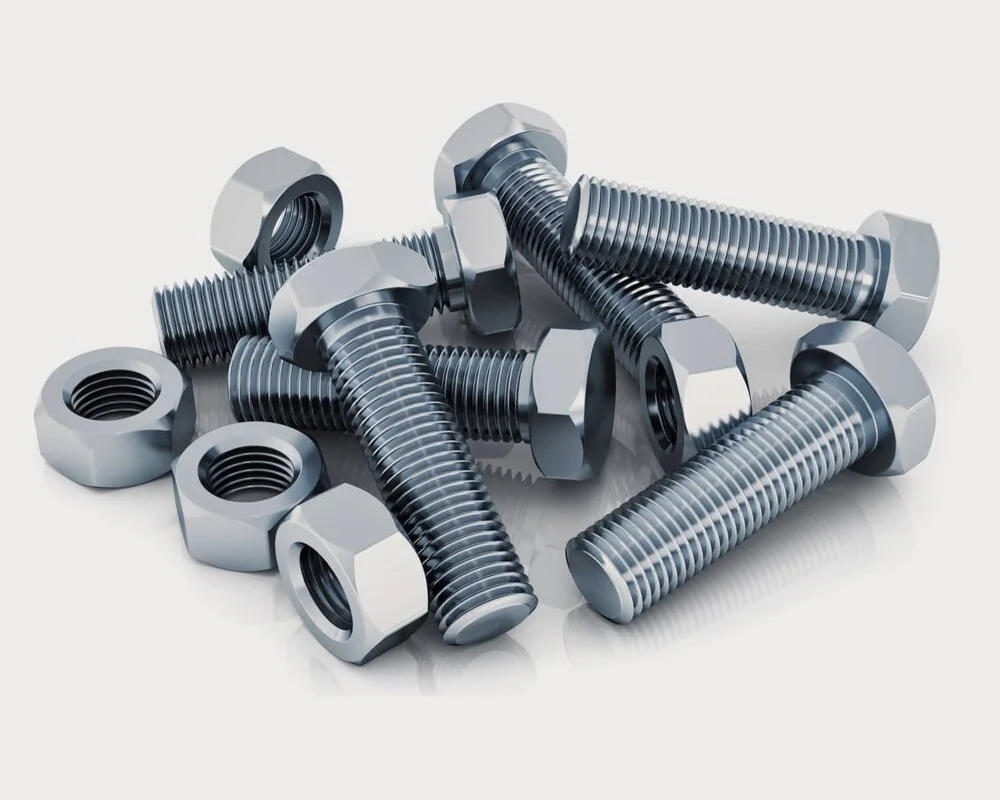
  • High-tensile automotive wheel bolts, heavy-duty cylinder head bolts, and structural flange nuts
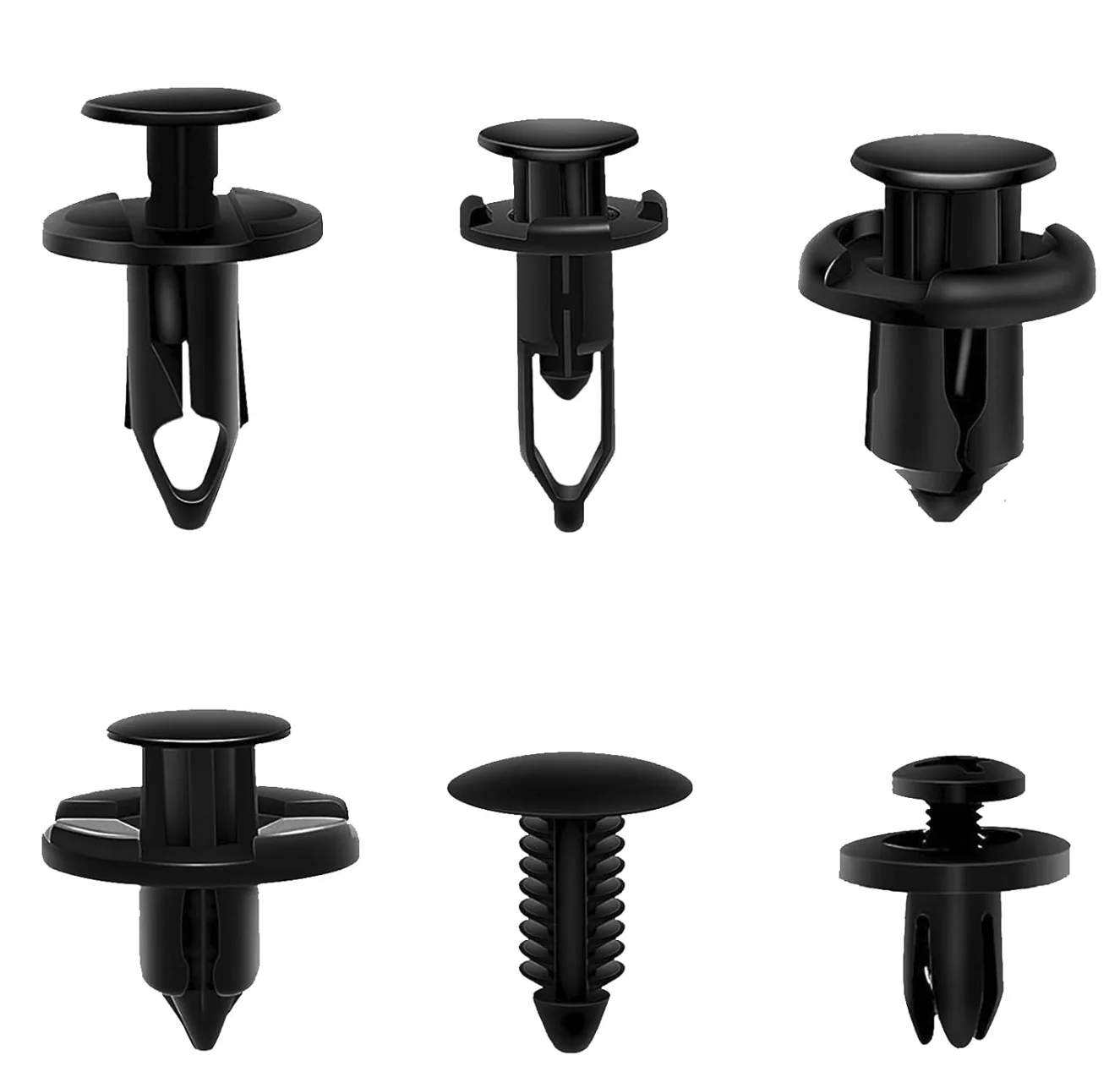
  • Solid, semi-hollow, and blind rivets along with heavy-duty structural anchoring pins
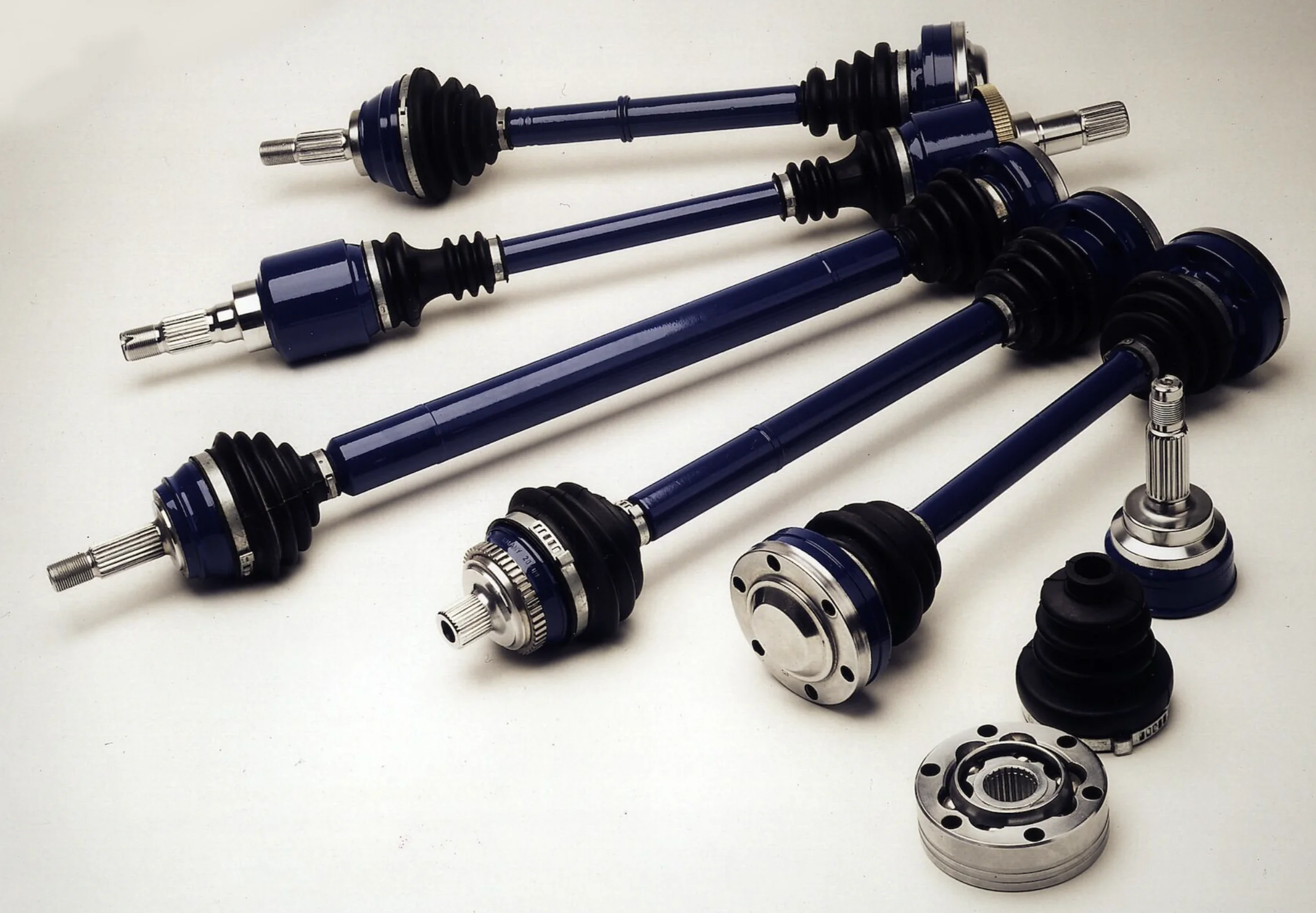
  • Stepped gearbox shafts, small input steering shafts, and high-precision inner/outer bearing blanks

Key Functions

  • Multi-stage velocity profiling to control material displacement rates and prevent severe internal stress fractures
  • Integrated high-speed mechanical knockout pins to provide rapid and reliable part ejection from the die cavity
  • Programmable bottom dead center dwell control to guarantee absolute consistency across millions of parts

Why 630 Ton Hydraulic Press?

  • Delivers the massive concentrated pressure needed to overcome the high yield strength of steel blanks at room temperature
  • Pre-stressed four-column frame limits structural stretching and angular deflection, drastically extending the service life of precision carbide dies

02 — Technical Specifications

SM 630 HP – HYDRAULIC PRESS MACHINE COMPLETE TECHNICAL DATA

The SM 630 HP hydraulic press delivers high-precision dimensional repeatability and fast cycle speeds optimized for cold forging automotive fasteners. Its rigid four-column architecture and micro-precise stroke control ensure consistent material flow within tungsten carbide dies while maximizing high-volume component throughput.

Capacity

  • Maximum continuous cold forging compression force capacity of 6300 kN
  • Dedicated high speed bottom ejector stripping force capacity of 450 kN

Structural Design

  • High fatigue resistant pre stressed four column configuration built for high speed production
  • Finite element analysis structural simulation frame designed to absorb intense cold forming stresses

Frame Type

  • Precision aligned solid induction hardened pillar frame guide structure
  • Stress relieved heavy welded steel plate bolster and upper moving slide assembly

Hydraulic System

  • High output variable displacement axial piston pump fluid power assembly
  • Multi stage high capacity offline oil filtration loop with integrated oil coolers

Main Ram Stroke

  • Maximum vertical slide forming travel distance capability of 400 mm
  • Electronic stroke length limitation positioning resolution accurate within 0.01 mm

Working Hydraulic Pressure

  • Maximum continuous operating main hydraulic system fluid pressure of 250 bar
  • Peak shock safety valve pressure relief calibration threshold limit of 280 bar

Daylight Gap

  • Maximum open vertical daylight window working clearance of 850 mm
  • Minimum closed shut die height tool workspace space of 350 mm

Approach Speed

  • Accelerated downward advance slide rapid travel speed of 350 mm/Sec
  • Controlled cold material tool engagement deceleration velocity of 15 mm/Sec

Pressing / Drawing Speed

  • Dynamic high pressure cold forging extrusion speed of 5 to 30 mm/Sec
  • Maximum resistance continuous metal displacement squeezing velocity of 40 mm/Sec

Return Speed

  • High speed upward ram extraction retraction travel speed of 320 mm/Sec
  • Ultra fast automated hydraulic pre return system decompression cycle timing

Bed / Platen Size Platen

  • Total clear bolster bed width left to right of 950 mm
  • Total clear bolster bed depth front to back of 850 mm

Columns

  • Ultra high tensile forged alloy steel pillar diameter of 180 mm
  • Heavy duty wear resistant bronze guide bushings with automatic grease lubrication

Working Envelope

  • Total horizontal internal clear workspace area of 950 by 850 mm
  • Maximum permissible upper die tool assembly mass weight of 3000 kg

Control System

  • Industrial programmable logic controller linked with a graphical touchscreen station
  • Dual redundant non contact linear transducer position tracking systems accurate within 0.005 mm

Main Motor Power

  • High efficiency primary hydraulic pump electric drive motor power of 75 kW
  • Dedicated auxiliary cooling and continuous oil filtration motor power of 7 kW

Valves & Hydraulics

  • High dynamic response proportional servo flow control cartridge manifold block
  • Integrated fast acting overhead gravity pre fill oil valve unit assembly

Automation

  • Digital interface connection ports for synchronized industrial automatic feeder loops
  • High temperature hydraulic quick action die clamping system connecting lines

Safety Features

  • Dual channel infrared light curtain barriers guarding operator workspace zones
  • Automated heavy duty dual fail safe mechanical anti drop ram safety locking blocks

SM 630 HP — Model Specifications

  • Nominal Force: 6300 KN
  • Maximum Hydraulic Pressure: 25 MPa
  • Max Opening Height of the Slider: 1500 mm
  • Max Stroke of the Slider: 900 mm
  • Effective Bed Size: 1500 × 1500 mm
  • Slider Down Speed: 150 mm/s
  • Slider Pressing Speed: 9–18 mm/s
  • Slider Return Speed: 200 mm/s
  • Ejector Cylinder Nominal Force: 500 KN
  • Stroke of the Ejection Cylinder: 300 mm
Production Case Study

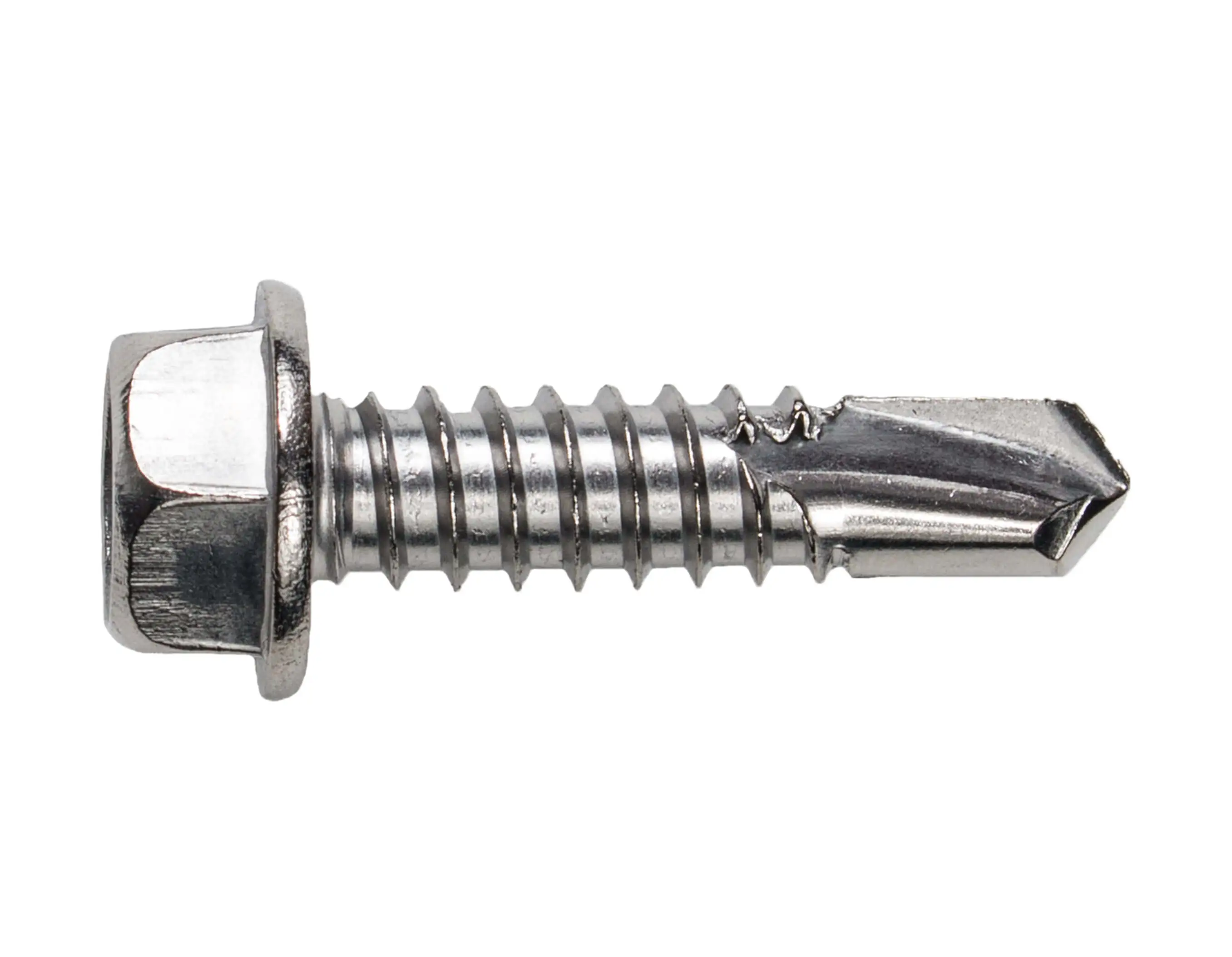
Cold Forged Precision Automotive Fasteners Production Line

8 – 25 mmWire Thickness
150 mmWire Length
2–4 SecCycle time
900-1800 FastenersOutput/Hour
Dimensional accuracy held tightly
Surface finish optimized perfectly
Internal voids closed completely
Tensile strength increased substantially
Thread quality improved drastically
Scrap material eliminated totally
High volume repeatability ensured
03 — Die / Mold System

Precision Cold Forged Precision Automotive Fasteners Die Mold Engineering

This precision tooling system utilizes segmented tungsten carbide inserts shrink-fitted into heavy alloy steel casings to withstand extreme internal pressures during cold heading operations. The robust structural design prevents tensile cracking and elastic die expansion, ensuring ultra-tight dimensional limits over millions of cycles.

Technical Specifications (Tooling)

Die Type

  • High precision progressive multi station closed die cold heading and forward backward extrusion tool set assembly
  • Heavy duty multi cavity high pressure cold forming tooling layout engineered for high volume automotive hardware production

Die Materials

  • Premium submicron grain tungsten carbide cobalt matrix inserts providing extreme compressive strength and wear resistance
  • Ultra high strength nickel chromium molybdenum hot work die steel utilized for heavy external reinforcement casings

Tool Configuration & Construction

  • Multi layer prestressed shrink fitted container ring design engineered to counteract massive internal radial splitting stresses
  • Modular quick change cassette layout optimized to minimize production line changeover times and maximize bed utility

Key Tooling Features

  • Integrated ultra fast mechanical positive knockout pin assembly designed for rapid automatic part stripping sequences
  • Advanced internal relief venting channels machined to prevent oil entrapment and avoid high pressure pneumatic locking

Alignment Accuracy

  • Upper punch and lower die axis concentricity concentricity deviation kept strictly under a limit of 0.020 mm
  • Moving slide guiding parallelism variance across the active workspace restricted within a tolerance of 0.010 mm

Process Materials

  • Premium automotive grade carbon steels high tensile chromium vanadium alloys and micro alloyed industrial wire rods
  • Case hardening structural steel metallurgy wire stock matching strict international fastening and bearing component standards

Surface Finish

  • Active mirror polished tungsten carbide forming cavities diamond lapped down to an roughness of Ra 0.05 microns
  • Physical vapor deposition titanium aluminum nitride wear protective surface layer applied to a thickness of 0.003 mm

Tool Life

  • Expected production span of 50000 cycles before requiring mandatory cavity inspection and polishing procedures
  • Total structural tooling lifespan capacity reaching 500000 production cycles before complete carbide insert replacement
Case Study (Die Performance)

Precision Cold Forged Precision Automotive Fasteners Die Mold

PM Tool Steel MatrixDie Material
60–62 HRCHardness
Vacuum Gas HardeningHeat Treatment
Cavity wear resisted fully
Insert cracking prevented totally
Geometric tolerances held consistently
Micro-yielding avoided completely
Surface galling eliminated entirely
Tooling life extended substantially
Part rejection minimized drastically

04 — Product Application

Where Precision Cold Forged Precision Automotive Fasteners Are Used

Precision cold-forged fasteners serve as safety-critical structural connections engineered to hold major assemblies together across the global transportation sector. These high-tensile components undergo intense strain-hardening during production, giving them the exceptional shear fatigue resistance necessary to prevent joint relaxation under continuous mechanical vibration.

Industry Applications

These ultra-reliable cold-forged fasteners are essential across the automotive engine manufacturing, chassis suspension engineering, electric vehicle integration, and high-volume industrial assembly sectors. Their superior thread strength, predictable torque retention, and certified grain flow consolidation allow automotive tier-one suppliers to guarantee long-term joint safety, decrease total vehicle warranty claims, and streamline automated assembly plant throughput.

Automotive Powertrain and Internal Combustion Engine Blocks

High-tensile cylinder head bolts, connecting rod bolts, and main bearing cap fasteners secure critical engine components. Their high work-hardened yield strength prevents thread stripping and maintains absolute clamping force under intense thermal expansion cycles.

Vehicle Chassis Suspension and Steering System Linkages

Heavy-duty ball joint pins, steering knuckle fasteners, and high-precision wheel hub studs stabilize steering geometry. The flawless surface integrity achieved during cold forming eliminates stress concentration points, protecting the chassis against sudden impact fractures.

Electric Vehicle Battery Enclosures and Drivetrain Mounts

Specialized structural rivets, flange nuts, and stepped gearbox shafts anchor high-voltage battery cells and compact electric motors. Unmatched dimensional repeatability ensures zero loose play within robotic assembly lines, providing rigid grounding and reliable crash protection.

Industrial Aerospace and Precision Appliance Assembly Lines

High-accuracy blind rivets, specialized anchoring pins, and miniature bearing blanks lock critical internal structural frameworks. Near-net-shape accuracy eliminates the need for precision post-forge grinding, allowing automated assembly equipment to insert parts rapidly without jamming.

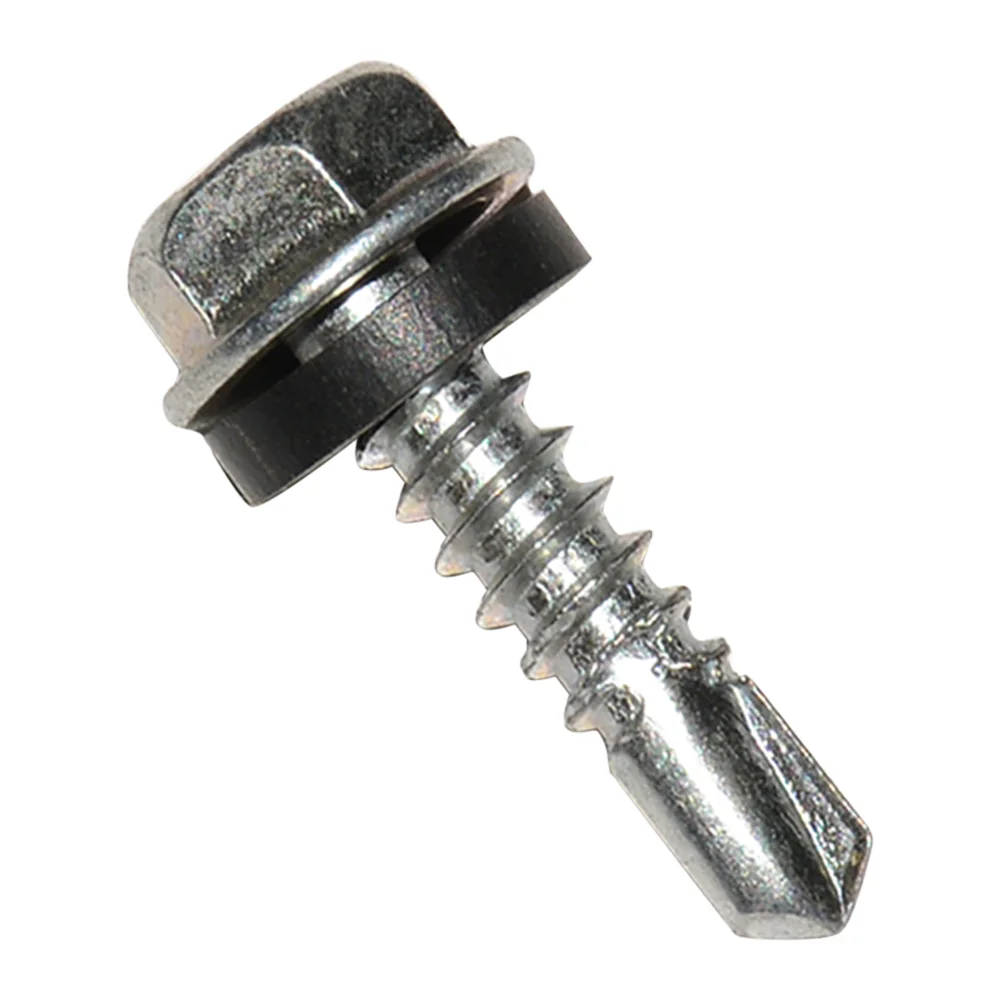
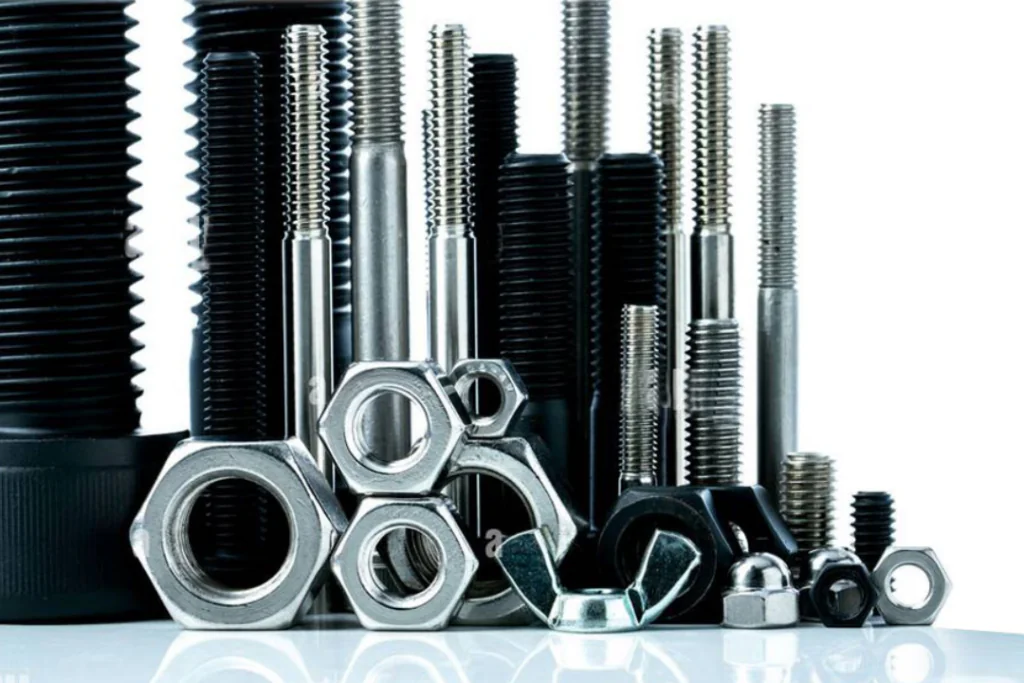
Finished Product Gallery

05 — Key Advantages

Why Choose the 630-Ton Sinter Hydraulic Press

The 630-Ton Sinter Hydraulic Press delivers the immense, concentrated force and exceptional frame rigidity required to form high-tensile fasteners at ambient temperatures. Its micro-precise stroke accuracy and advanced multi-stage velocity profiling ensure flawless material flow into tungsten carbide dies, eliminating secondary machining while keeping part-to-part tolerances razor-thin.

Technical & Commercial Benefits

01

Massive Room-Temperature Compression for High Tensile Work-Hardening

The robust fluid power architecture effortlessly overcomes the initial yield barrier of carbon and low-alloy wire stocks. Deforming metals in a cold state consolidates internal grain structure to significantly elevate the final structural shear strength.

02

Pre-Stressed Four-Column Structural Assembly Limiting Platen Deflection

The highly rigid structural framework mitigates heavy off-center loading stresses generated during progressive multi-station extrusion cycles. Maintaining absolute parallelism preserves delicate tungsten carbide inserts from micro-cracking and prevents parting line mismatch.

03

Micro-Precise Stroke Depth Repeatability for Zero-Defect Fastener Production

Dual non-contact linear transducers continuously track the vertical slide position to control final stroke depth within single-digit microns. This exceptional positioning loop guarantees near-net-shape geometries, eliminating the need for subsequent thread or flange trimming steps.

04

Integrated Ultra-Fast Mechanical Ejectors Maximizing Hourly Production Yields

Synchronized hydraulic knockout pin assemblies immediately release tightly formed fastener blanks from the die cavity upon ram reversal. This swift extraction sequence facilitates rapid automatic part transfer, enabling high hourly throughput to meet aggressive supply schedules.

05

Multi-Stage Extrusion Velocity Profiling to Eliminate Surface Galling

Proportional flow control valves allow the machine to dynamically throttle pressing speeds down to individual millimeters per second. Regulating material displacement velocities prevents excessive friction heat, protecting both workpieces and expensive tooling coatings from thermal failure.

06

Drastic Raw Stock Waste Reduction Driving Substantial Cost Savings

Cold heading components to final dimensions straight from raw wire coils avoids material chips, scraps, and turning waste completely. Maximizing material utilization ratios translates into massive savings on premium alloy steel stock, driving up bottom-line manufacturing margins.