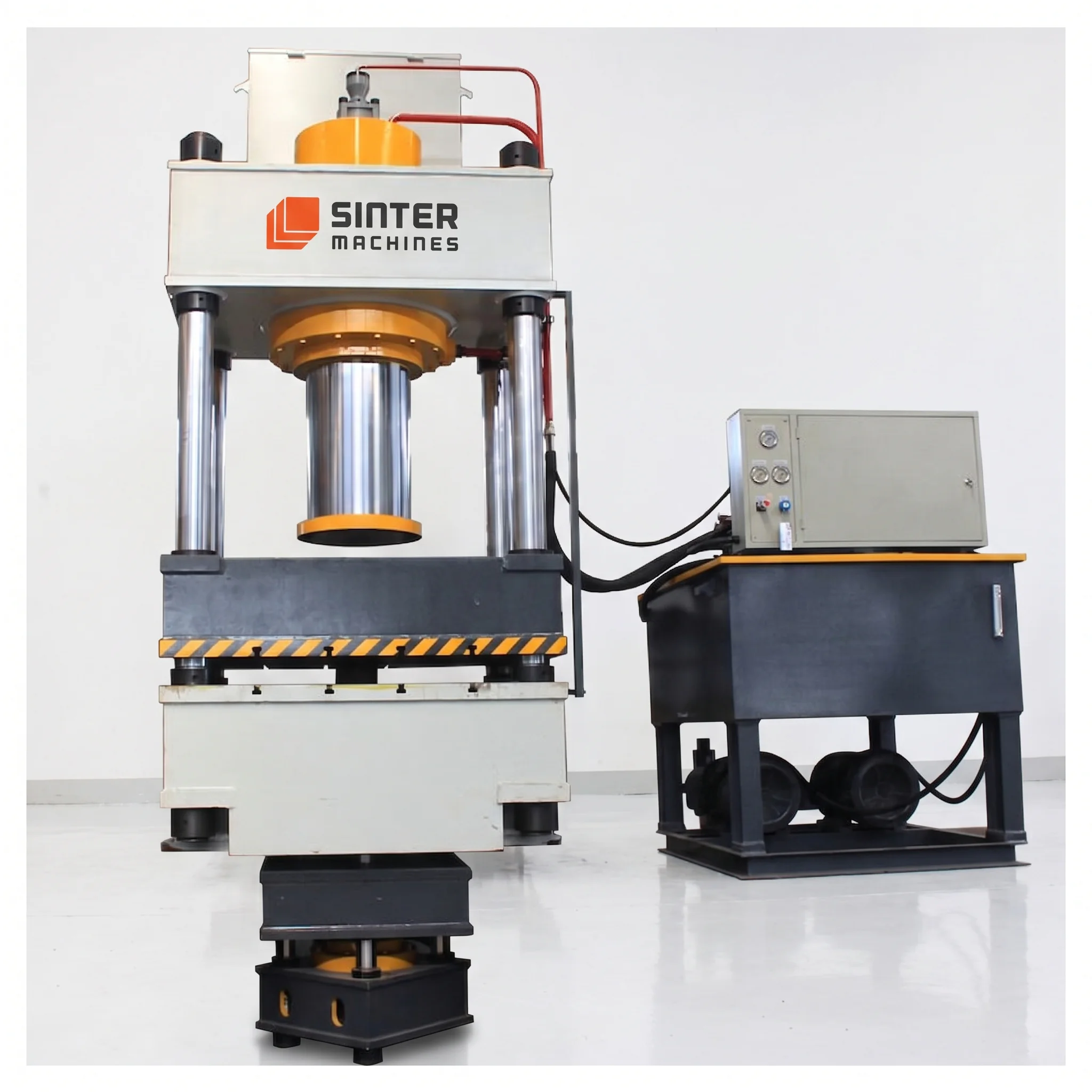
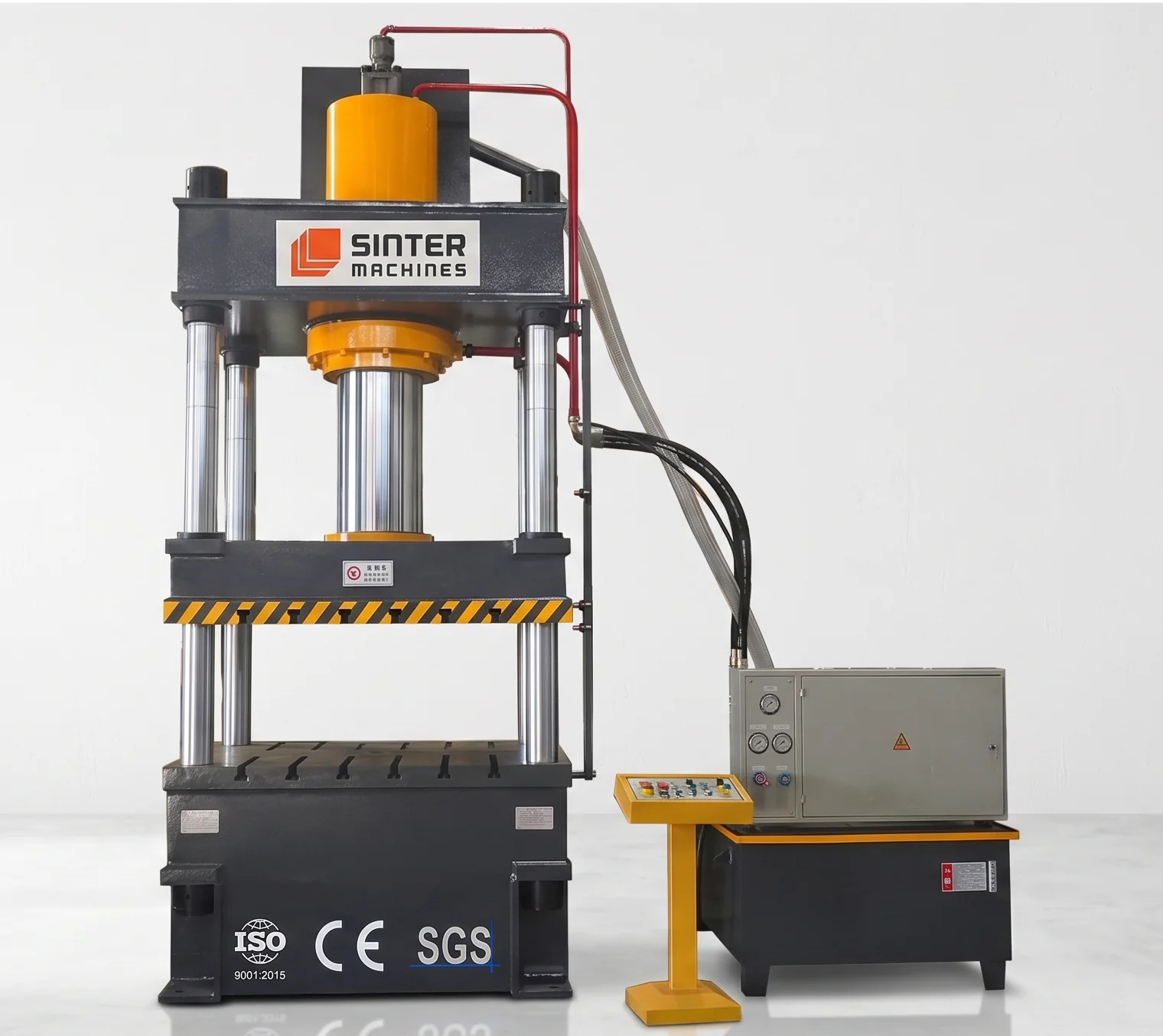
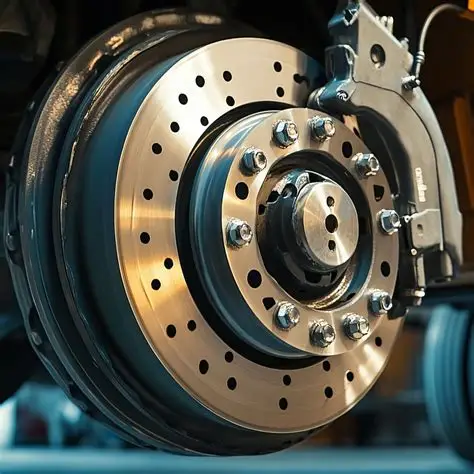
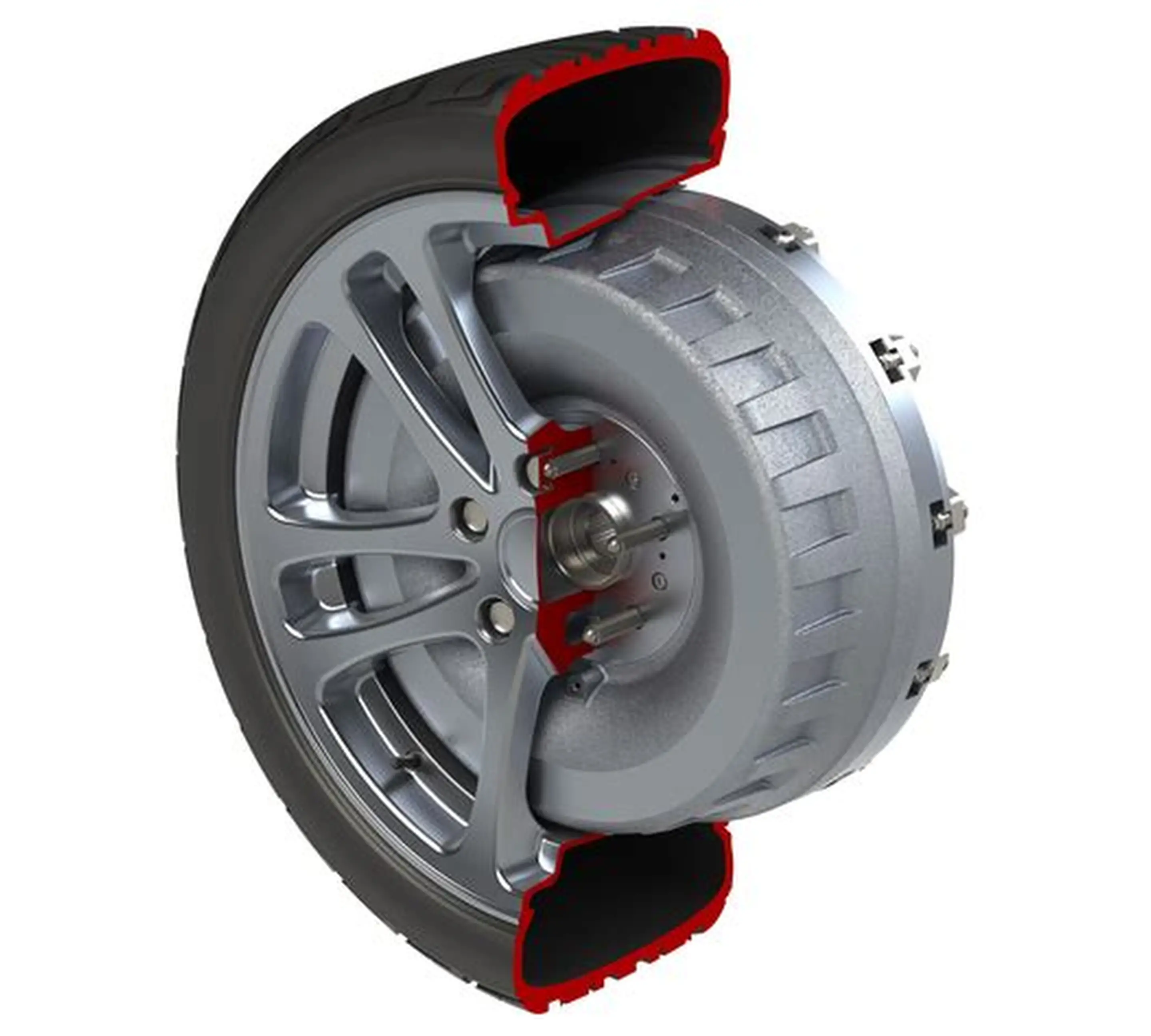
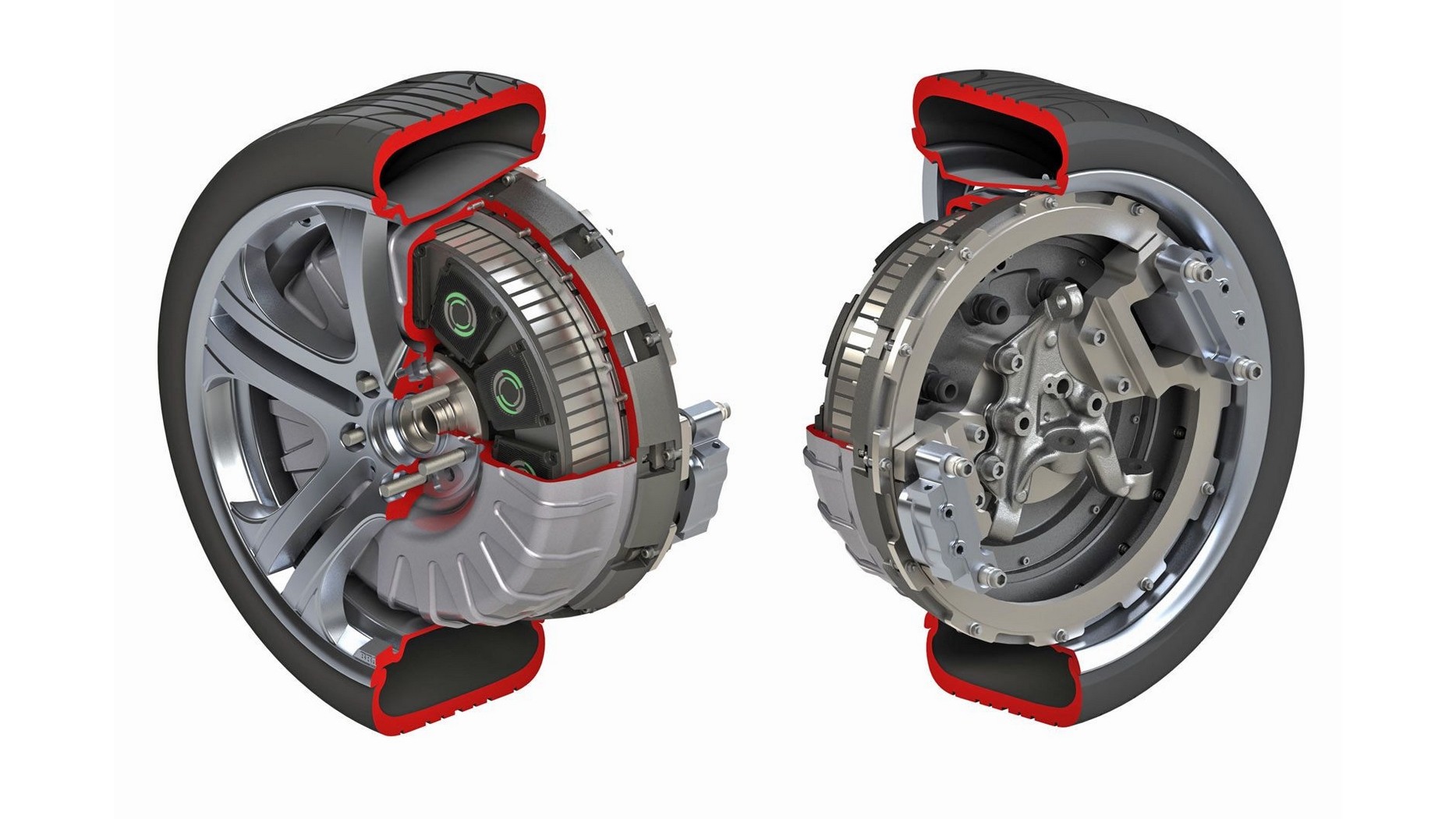
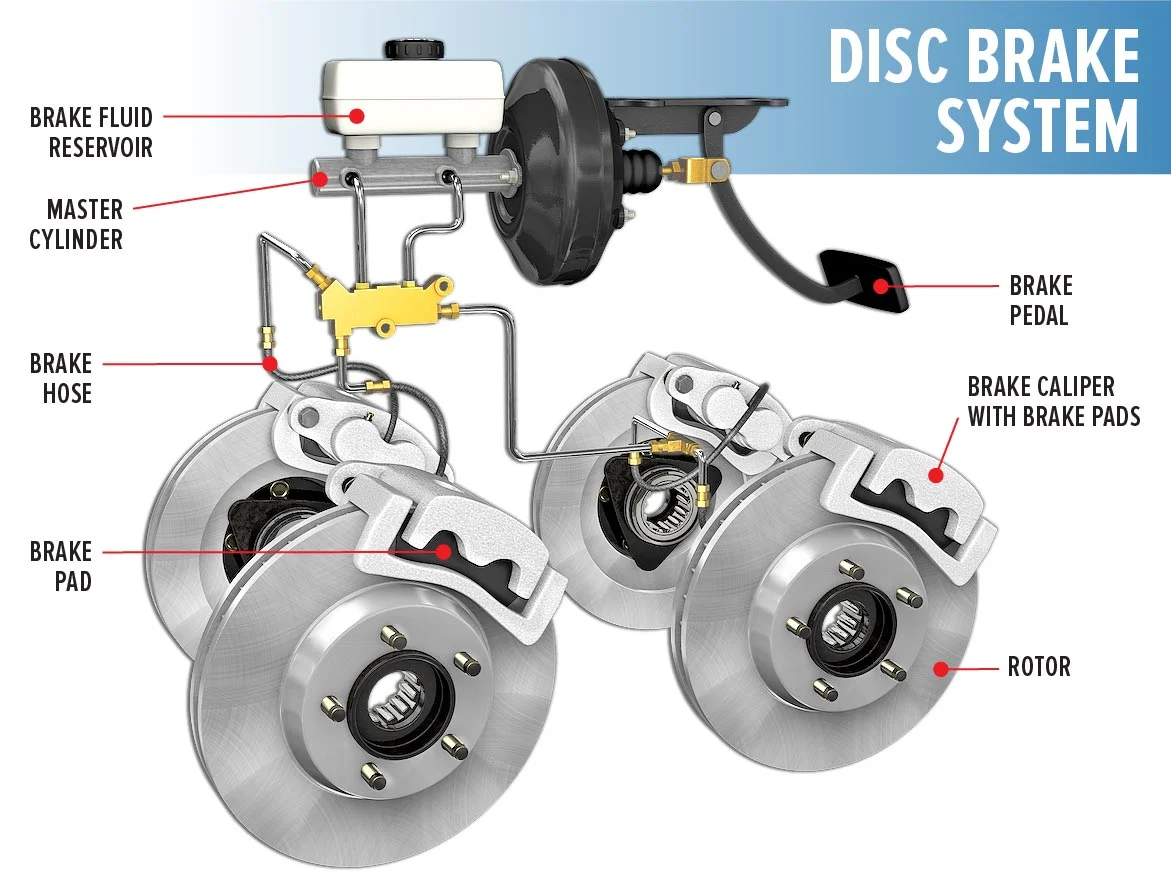
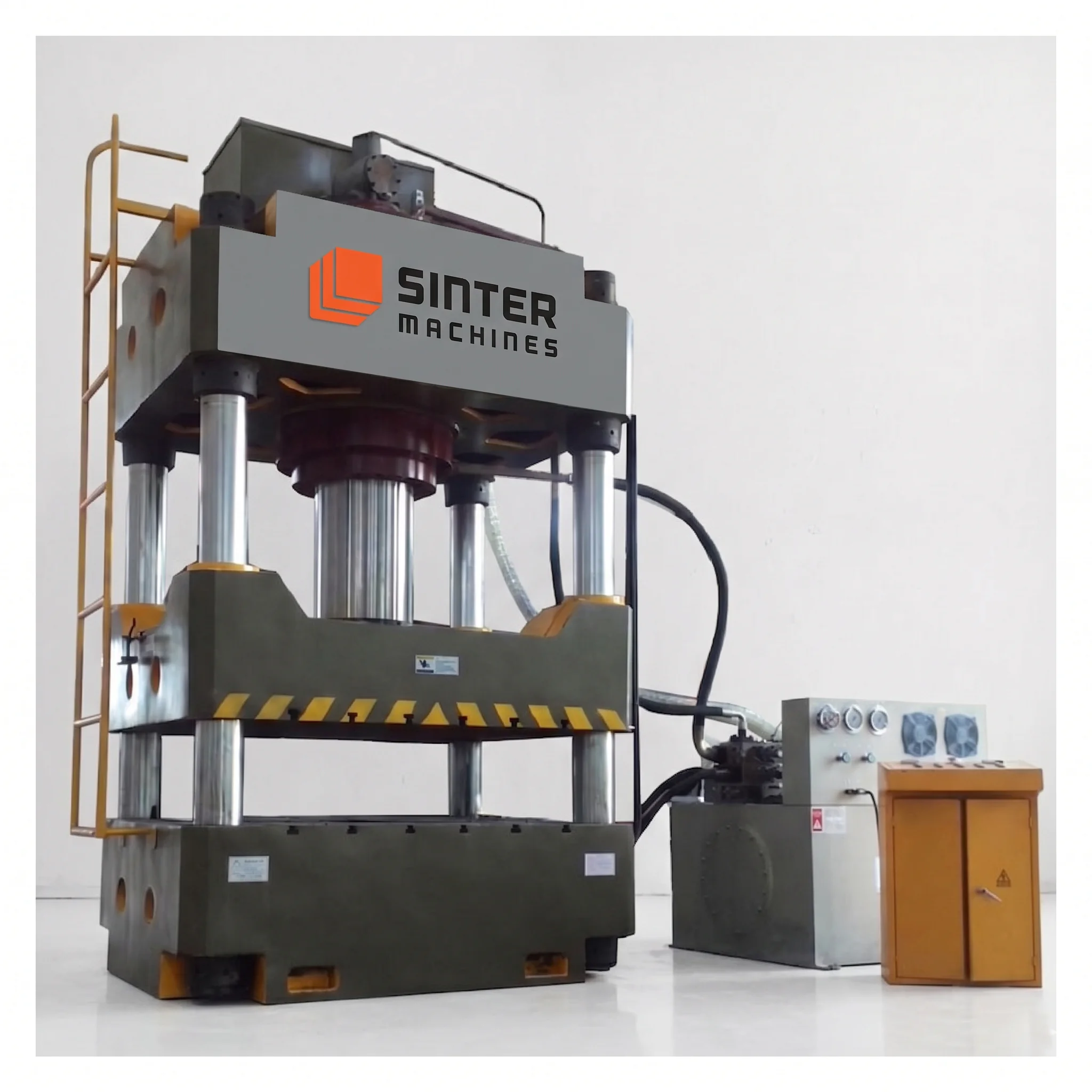
400T Automotive Brake system Press press view 1
Automotive Brake System · Hydraulic Press Machine

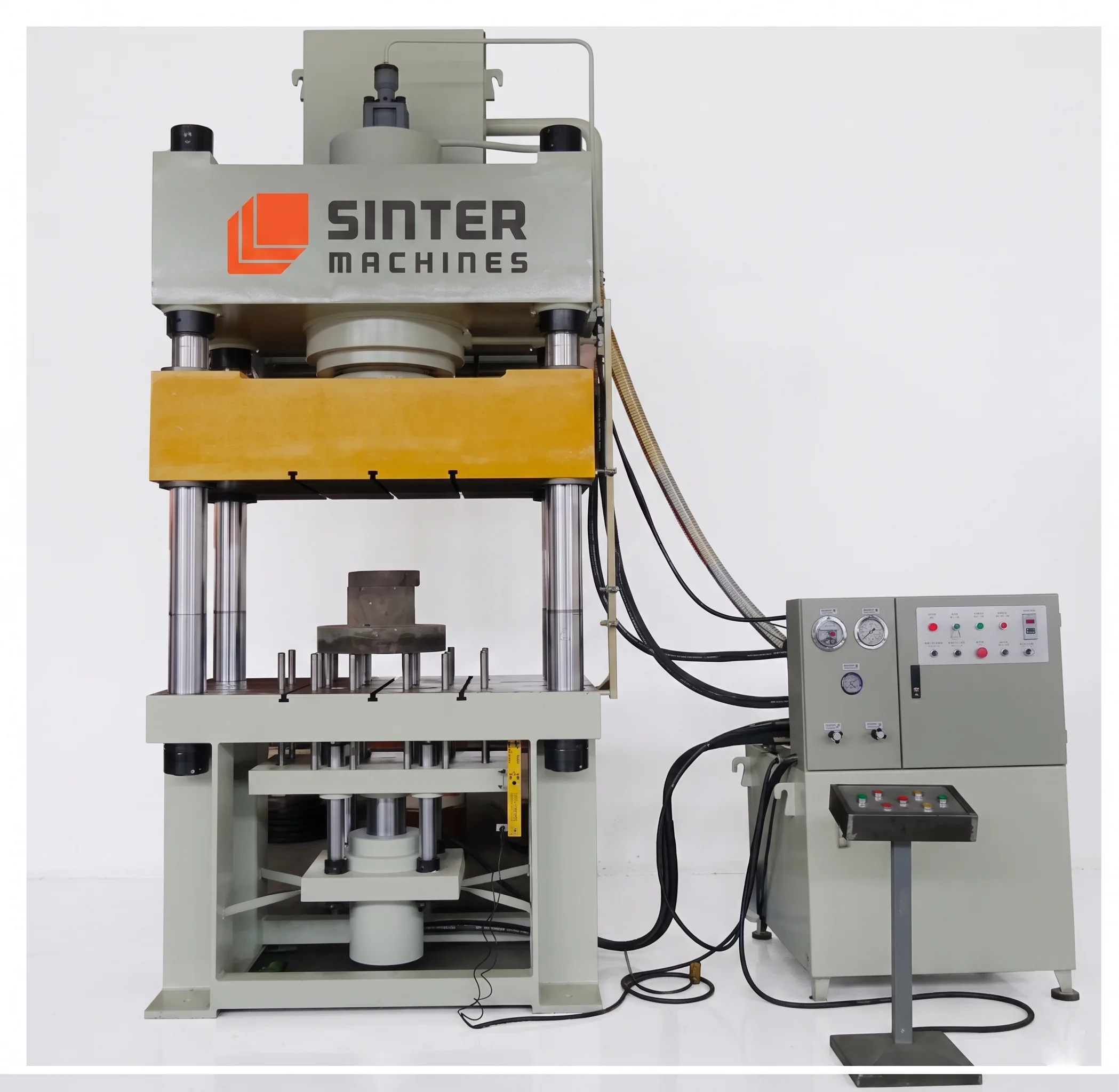
400T Four Column Hydraulic Press for Forming Automotive Brake System

400T Rated Capacity
100 mm/s Slider Down Speed
5–11 mm/s Slider Pressing Speed
100 mm/s Slider Return Speed

01 — Press System

400T Four Column Hydraulic Press Machine

The 400 Ton Four Pillar Hydraulic Press is a robust and precise forming solution engineered for manufacturing automotive brake system parts and structural brackets that require high strength, dimensional accuracy, and consistent quality. Its rigid four-pillar construction and advanced hydraulic control provide uniform force distribution, ensuring reliable production of critical automotive components for demanding safety and structural applications.

Delivering:

  • High forming accuracy and repeatability
  • Stable production for safetycritical components
  • Long die and machine life
  • Costeffective highvolume OEM manufacturing

Use Case

Automotive brake system components and structural brackets are safety-critical parts that must withstand high mechanical loads, continuous vibration, repeated thermal cycles from braking, and strict dimensional requirements. Manufacturing these components requires precise force control, excellent flatness, and consistent repeatability to meet OEM quality standards.

Core Applications

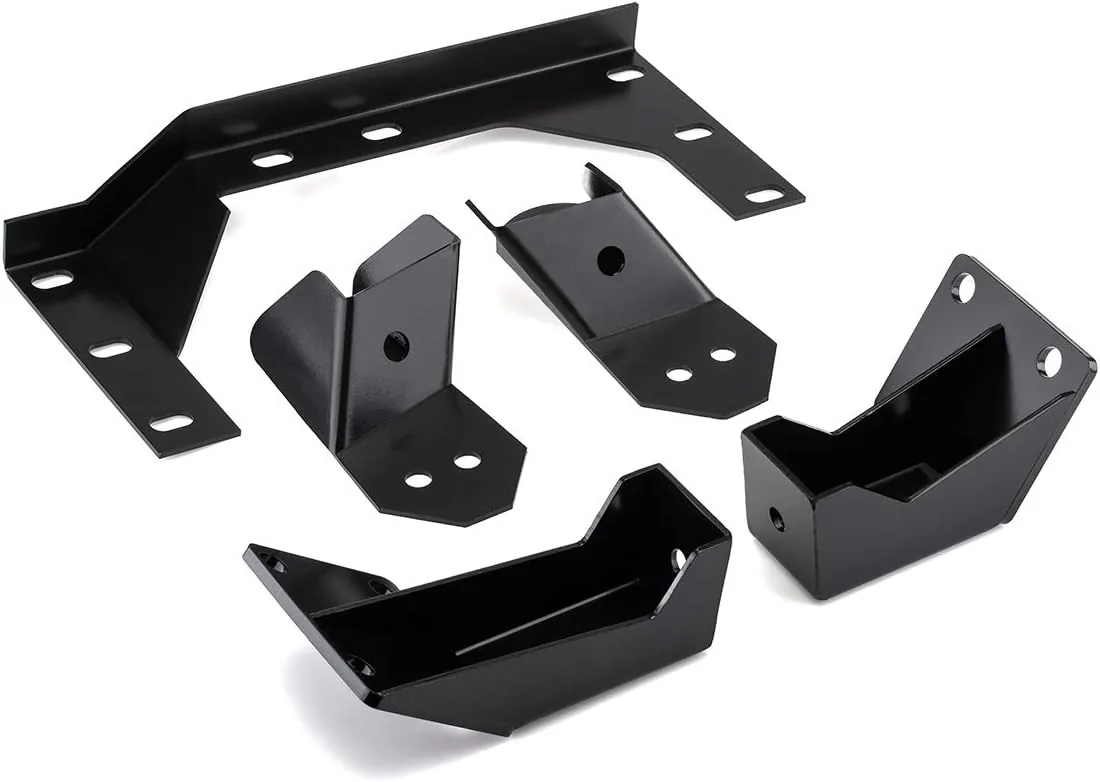
  • Manufacturing of brake backing plates, brake shoe components, caliper brackets, mounting brackets, suspension brackets, chassis supports, and structural reinforcement parts.
  • Suitable for medium to large automotive components requiring high strength, dimensional stability, and safety compliance.

Material

  • Compatible with high-strength steel, low-carbon steel, stainless steel, galvanized steel, and advanced automotive-grade alloys.
  • Supports forming of materials designed for durability, corrosion resistance, and load-bearing performance.

Key Functions

  • Precision forming, stamping, pressing, embossing, flattening, and sizing of brake and structural components.
  • Ensures dimensional accuracy, flatness control, structural integrity, and repeatable production quality.

Why 400 Ton Hydraulic Press?

  • The 400-ton capacity delivers the force required for forming medium to large brake and structural bracket components with minimal deformation.
  • Its four-pillar construction provides superior rigidity, accurate load distribution, improved tooling life, and reliable high-volume manufacturing performance.

02 — Technical Specifications

SM 400 HP – HYDRAULIC PRESS MACHINE COMPLETE TECHNICAL DATA

The SM 400 HP – 400 Ton Hydraulic Press Machine is engineered for manufacturing automotive brake system components and structural brackets, delivering 400 tons of controlled hydraulic force, high frame rigidity, precise ram parallelism, and excellent dimensional accuracy for safety-critical applications. It efficiently performs blanking, punching, bending, embossing, and forming operations on mild steel, high-strength steel, stainless steel, and galvanized steel, ensuring consistent quality, flatness, and high-volume OEM production performance.

Capacity & Structural Design

  • Rated Press Capacity: 400 metric tons (≈ 3,920 kN)
  • Press Type: Fourpillar / fourcolumn hydraulic press
  • Frame Construction: Heavy welded steel frame, stressrelieved
  • Design Duty: Continuous automotive production
  • Structural Safety Factor: ≥ 1.25
  • Deflection at Full Load: ≤ 0.06–0.08 mm
  • Load Distribution: Uniform over full forming area

Hydraulic System

Main Hydraulic Cylinder

  • Type: Doubleacting
  • Bore Diameter: 320–380 mm
  • Stroke: 400–600 mm

Maximum Working Pressure: 25–30 MPa (250–300 bar)

Hydraulic Power Pack

  • Fixed or variabledisplacement piston pump
  • Proportional pressure control valve

Operating Modes

  • Constantpressure forming
  • Strokecontrolled forming
  • Pressure dwell for springback control

Platen & Working Envelope

Upper / Lower Platen Size

  • Standard: 700 × 700 mm
  • Optional: up to 900 × 900 mm

Guide Columns

  • Quantity: 4
  • Diameter: 100–130 mm
  • Finish: Hardened, hardchromed & precisionground
  • Daylight Opening: 800–1,000 mm
  • Platen Parallelism Accuracy: ±0.02–0.03 mm / 300 mm

Controls & Safety

  • Control System: PLC + industrial touchscreen HMI

Monitored Parameters

  • Forming force
  • Stroke position
  • Dwell time
  • Cycle and fault history

Safety Systems

  • Light curtain or full guarding
  • Twohand control (manual mode)
  • Pressurerelief & overload valves
  • Emergency stop (CE / ISO automotiveplant compliant)

SM 400 HP — Model Specifications

  • Nominal Force: 4000 KN
  • Maximum Hydraulic Pressure: 25 MPa
  • Max Opening Height of the Slider: 1250 mm
  • Max Stroke of the Slider: 800 mm
  • Effective Bed Size: 1260 × 1160 mm
  • Slider Down Speed: 100 mm/s
  • Slider Pressing Speed: 5–11 mm/s
  • Slider Return Speed: 100 mm/s
  • Ejector Cylinder Nominal Force: 400 KN
  • Stroke of the Ejection Cylinder: 300 mm
Production Case Study

Automotive Brake System Components and Structural Brackets Production Line

HSLA / CRCA / DDQ SteelRaw Material
150 g to 2,500 gProduct Weight
100 mm x 100 mm to 350 mm x 350 mmBlank Size
3to 8 SecCycle Time
High Tonnage Stamping
Extreme Structural Strength
Precision Blanking Piercing
Continuous Coil Feeding
Consistent Dimensional Tolerance
High Production Throughput
Low Material Scrap

03 — Die / Mold System

Precision Stamped Automotive Brake System Components and Structural Brackets Die Mold Engineering

Precision Stamped Automotive Brake System Components and Structural Brackets Die Mold Engineering utilizes high-accuracy progressive and forming dies to manufacture safety-critical automotive parts with consistent dimensional accuracy, tight tolerances, and repeatable production quality.

Technical Specifications (Tooling)

Die Type: 

Progressive, Compound, and Forming Dies are used for precision stamping of automotive brake components and structural brackets. These dies enable multiple operations in a single setup, improving productivity and dimensional consistency.

Die Materials: 

D2, DC53, SKD11, and Carbide Tool Steels are commonly used for punches, dies, and wear components. These materials provide high wear resistance, strength, and durability under continuous production loads.

Tool Configuration & Construction: 

Multi-station die sets with precision guide pillars, bushings, stripper plates, and hardened inserts ensure stable operation. Modular construction allows easier maintenance, quick replacement of wear parts, and reduced downtime.

Key Tooling Features: 

High-precision cutting edges, optimized material flow design, and robust stripping systems improve part quality. Integrated wear-resistant components ensure consistent performance during high-volume OEM production.

Alignment Accuracy: 

Precision guide systems maintain die alignment within tight tolerances throughout the stamping cycle. Accurate alignment minimizes burr formation, tool wear, and dimensional variation between parts.

Materials Formed: 

Mild Steel, High-Strength Steel (HSS), Stainless Steel, and Galvanized Steel are commonly processed. The tooling is designed to accommodate varying thicknesses and material strength requirements.

Surface Finish: 

Ground and polished die surfaces produce clean edges and high-quality formed surfaces on finished components. Superior surface finish reduces secondary processing requirements and improves part appearance.

Tool Life: 

Hardened tool steels and carbide inserts provide extended service life under demanding production conditions. Proper maintenance and lubrication enable reliable operation over millions of production cycles.
Case Study (Die Performance)

Precision Stamped Automotive Brake System Components and Structural Brackets Die Mold

SKD11, or Cr12MoV /D2Die Steel
1–4 cavitiesTooling layout
54–60 HRCHardness
High Wear Resistance
High Shock Resistance
Superior Fatigue Strength
Extreme Dimensional Stability
Extended Die Life
Low Maintenance Requirement
High Stamping Accuracy

04 — Product Application

Where Stamped Automotive Brake System Components and Structural Brackets Are Used

Stamped Automotive Brake System Components and Structural Brackets are widely used in vehicles where high strength, dimensional accuracy, and durability are essential for safety, stability, and long-term performance. These precision-formed components support critical braking, mounting, and structural functions while meeting stringent automotive OEM quality and reliability standards.

Industry Applications

Brake System Assemblies

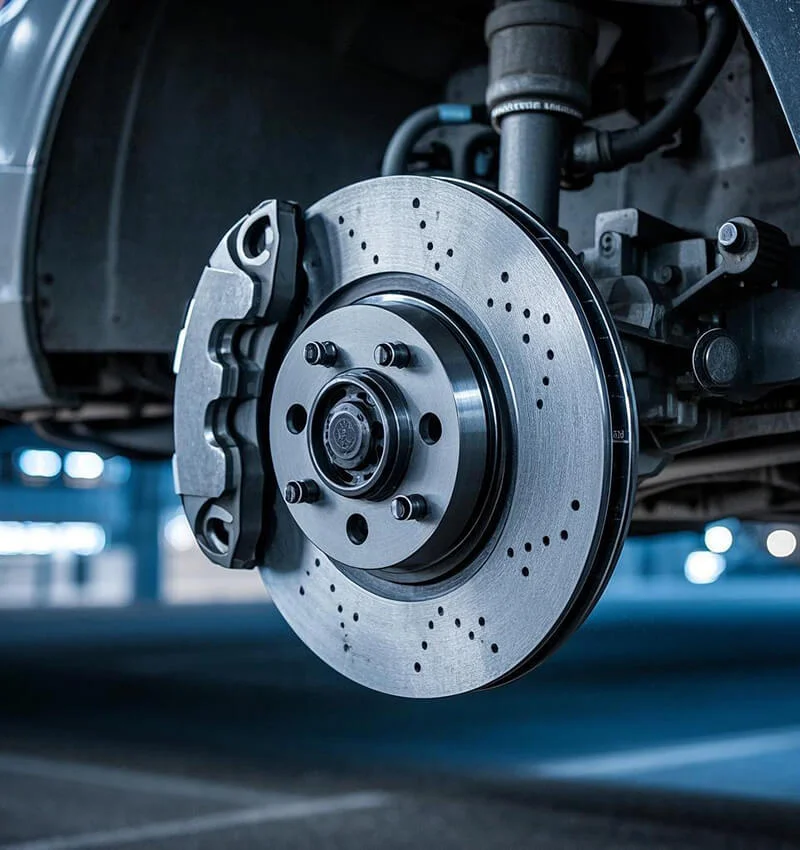
Brake backing plates, caliper brackets, and brake shoe components are manufactured using stamped parts for precise fit and reliable braking performance. They provide structural support and ensure proper alignment of braking system elements under high loads.

Chassis and Suspension Systems

Structural brackets are used to mount suspension, steering, and chassis components securely to the vehicle frame. Their high strength helps withstand vibration, shock loads, and continuous road stresses.

Engine and Powertrain Mounting

Stamped brackets support engines, transmissions, and auxiliary systems while maintaining accurate component positioning. They enhance vehicle durability by reducing movement and distributing operational loads effectively.

Electric Vehicle (EV) and Passenger Vehicle Structures

Precision-stamped brackets are used in battery packs, body structures, and reinforcement assemblies in modern vehicles. They contribute to lightweight construction, improved safety, and efficient high-volume automotive manufacturing.

Finished Product Gallery

05 — Key Advantages

Why Choose the 400-Ton Sinter Hydraulic Press

The 400-Ton Sinter Hydraulic Press is designed to deliver the high force, precision, and reliability required for manufacturing safety-critical automotive brake and structural bracket components. Its robust construction and advanced hydraulic control ensure consistent quality, high productivity, and compliance with stringent OEM standards.

01

High Forming Capacity

The 400-ton pressing force efficiently forms medium to large automotive components made from high-strength materials. This ensures accurate shaping without material distortion or structural defects.

02

Superior Dimensional Accuracy

Precision-guided ram movement maintains tight tolerances and excellent part-to-part consistency. This is essential for brake system components and structural brackets used in safety-critical applications.

03

Excellent Rigidity and Stability

The heavy-duty frame and four-pillar design provide outstanding structural strength during operation. This minimizes deflection and maintains die alignment throughout the production cycle.

04

Versatile Manufacturing Capability

The press supports blanking, punching, bending, embossing, forming, and deep drawing operations. This flexibility allows multiple automotive components to be produced on a single platform.

05

Increased Production Efficiency

Advanced hydraulic controls enable smooth operation, faster cycle times, and repeatable performance. This improves throughput while reducing scrap rates and production costs.

06

Long-Term Reliability and Tool Life

Controlled force application reduces shock loads on dies and tooling components. This extends tool life, lowers maintenance requirements, and ensures dependable OEM-scale production.