400T BALLISTIC ARMOR PLATE PRESS press view 1
Ballistic Armor Plate · Hydraulic Press Machine

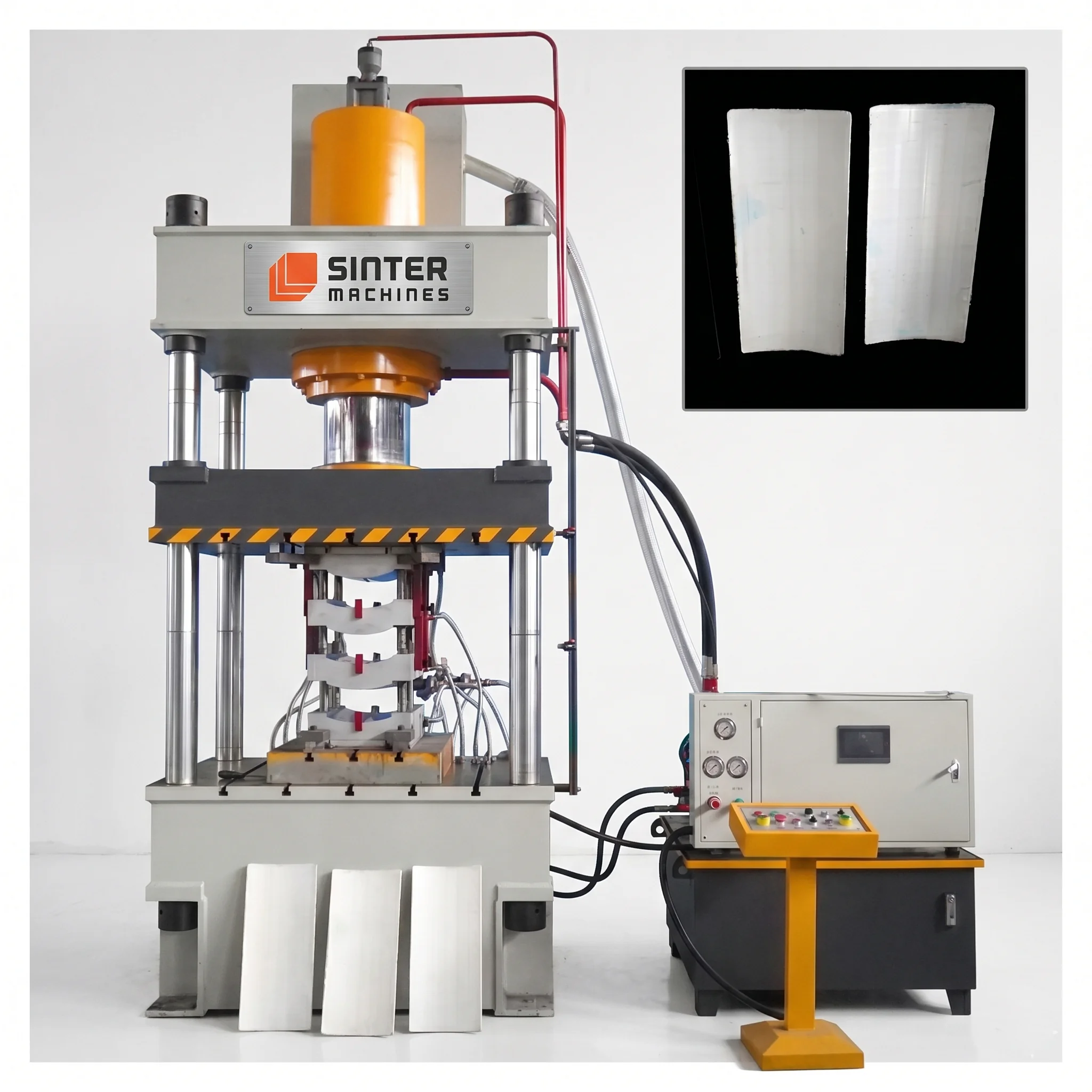
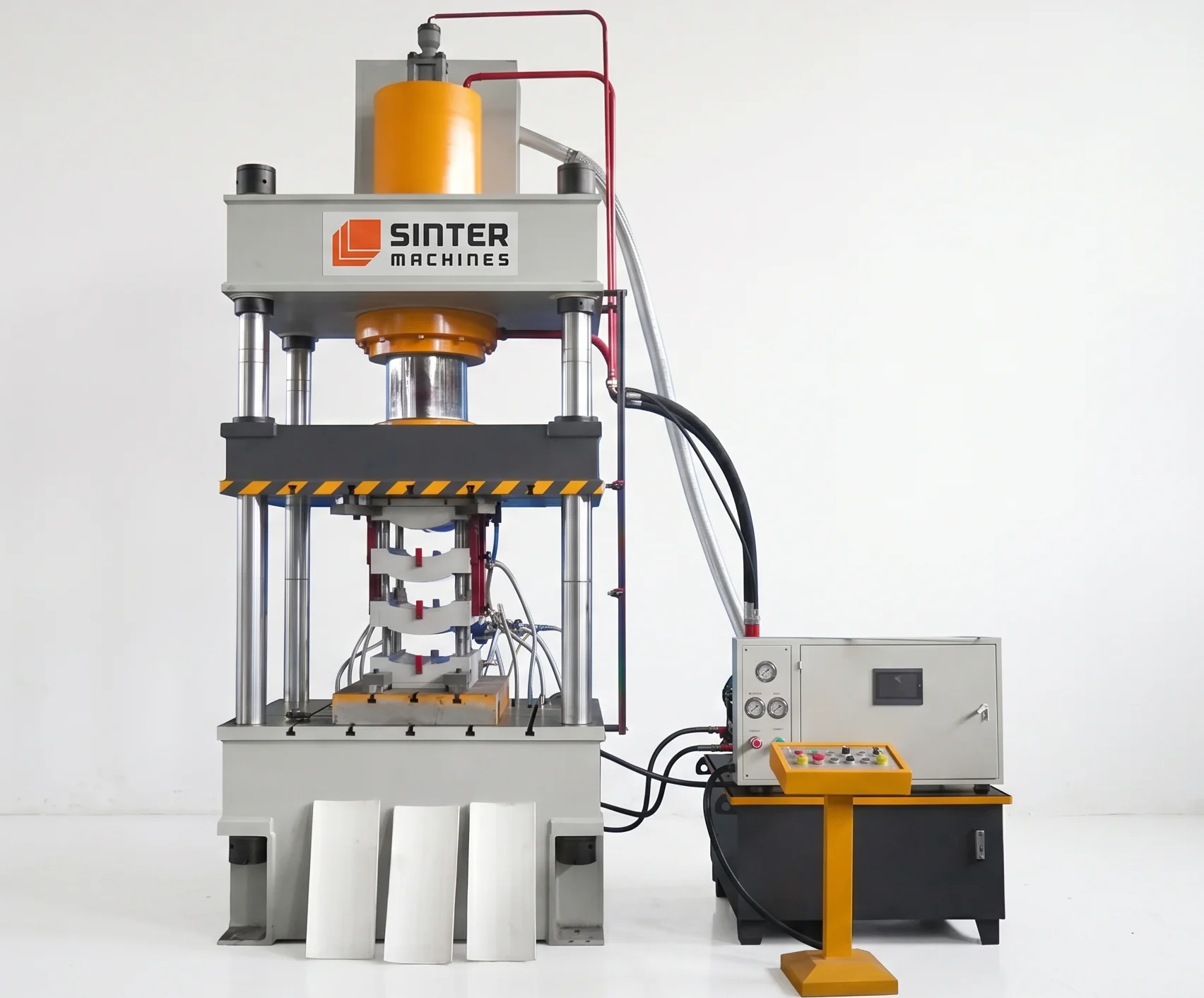
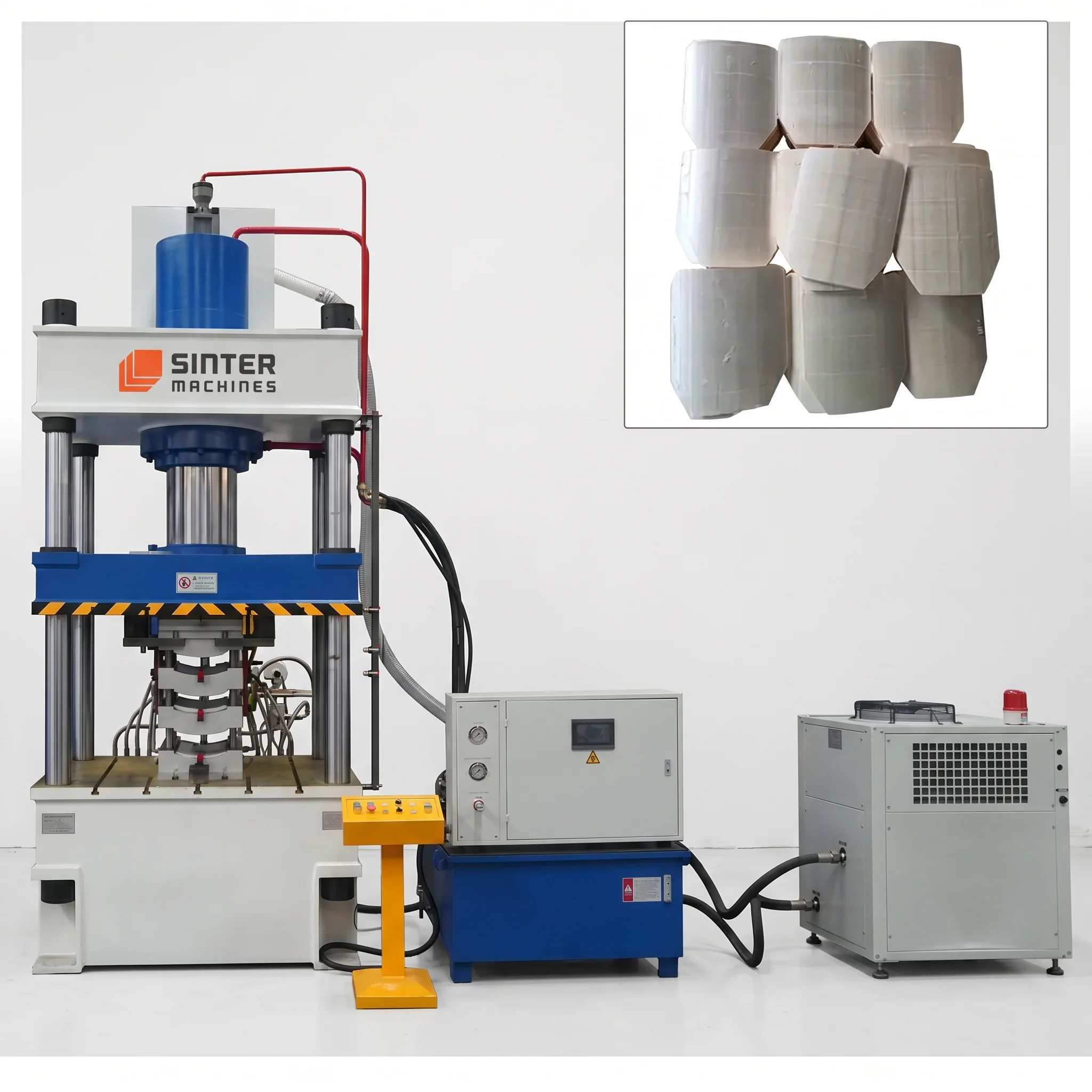
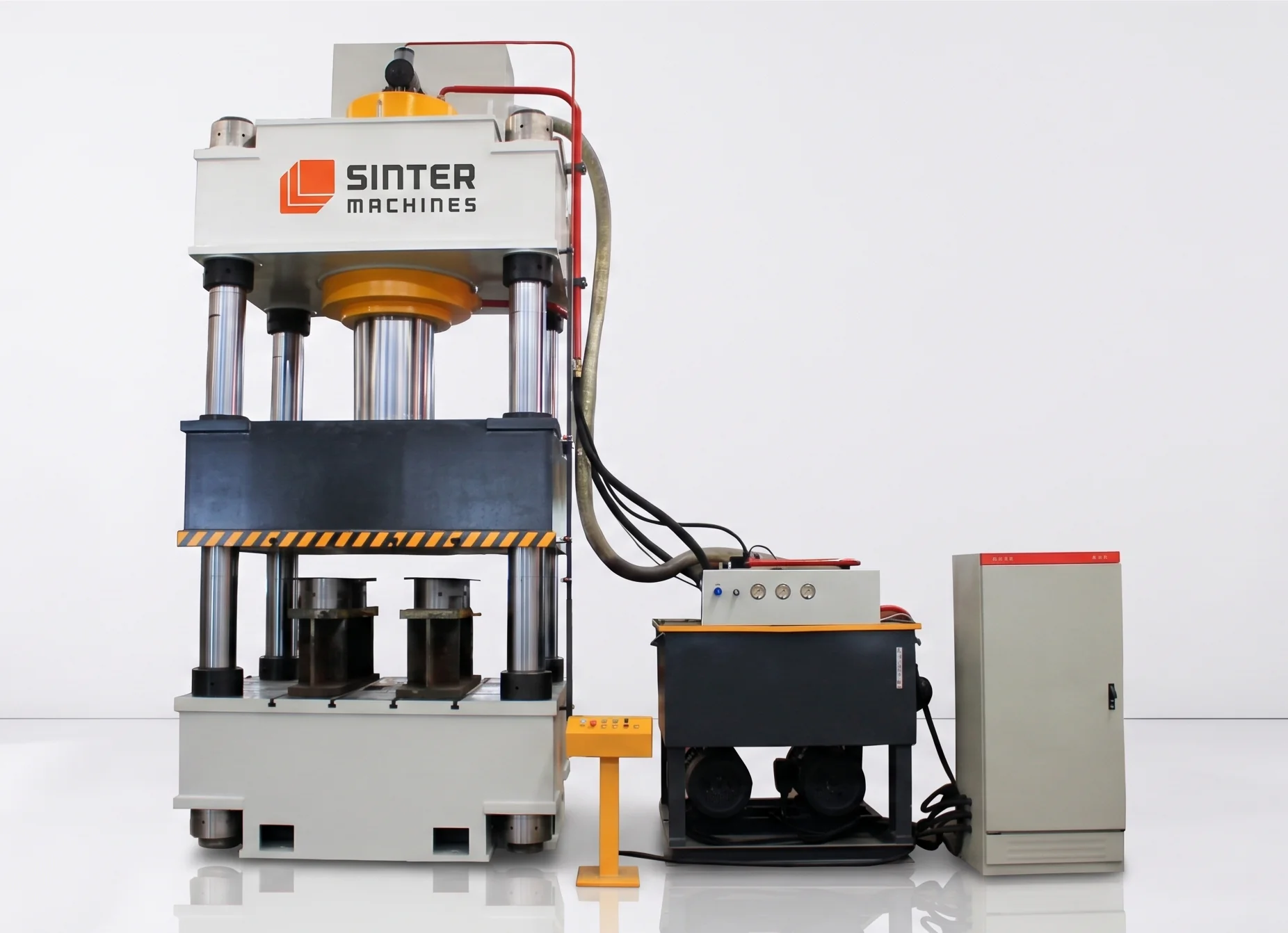
400 Ton Four Column Hydraulic Press for Composite Ballistic Armor Plate

400T Rated Capacity
100 mm/s Slider Down Speed
5–11 mm/s Slider Pressing Speed
100 mm/s Slider Return Speed

01 — Press System

400 Ton Four Column Hydraulic Press Machine

This system produces high density, defect free ceramic and UHMWPE composite armor plates with exceptional ballistic threat resistance. It achieves fast, sustainable, and cost effective manufacturing using an integrated cooling system for rapid cycle times.

Use Case

The 400 ton four column press performs high pressure forming and consolidation of advanced ceramic and fiber composite ballistic armor plates. It delivers maximum material density, uniform structural integrity, controlled curvature, and crack free compacts for defense applications.

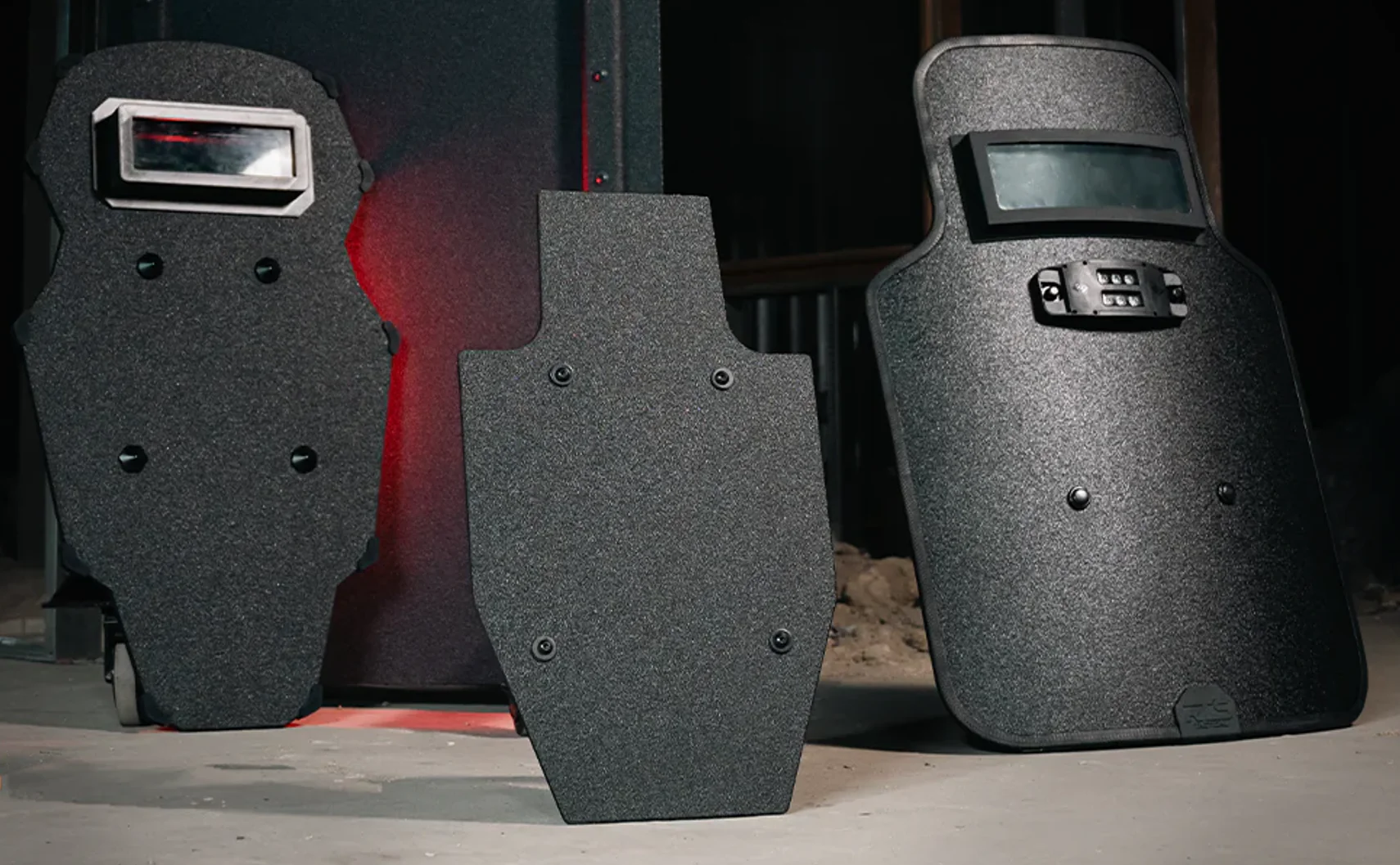
  • Core Applications: High pressure forming of military body armor plates, vehicle composite armor systems, law enforcement ballistic shields, and tactical protective inserts.
  • Material: Advanced ceramics including alumina, silicon carbide, and boron carbide combined with UHMWPE sheets, aramid fibers, and thermoplastic matrices.
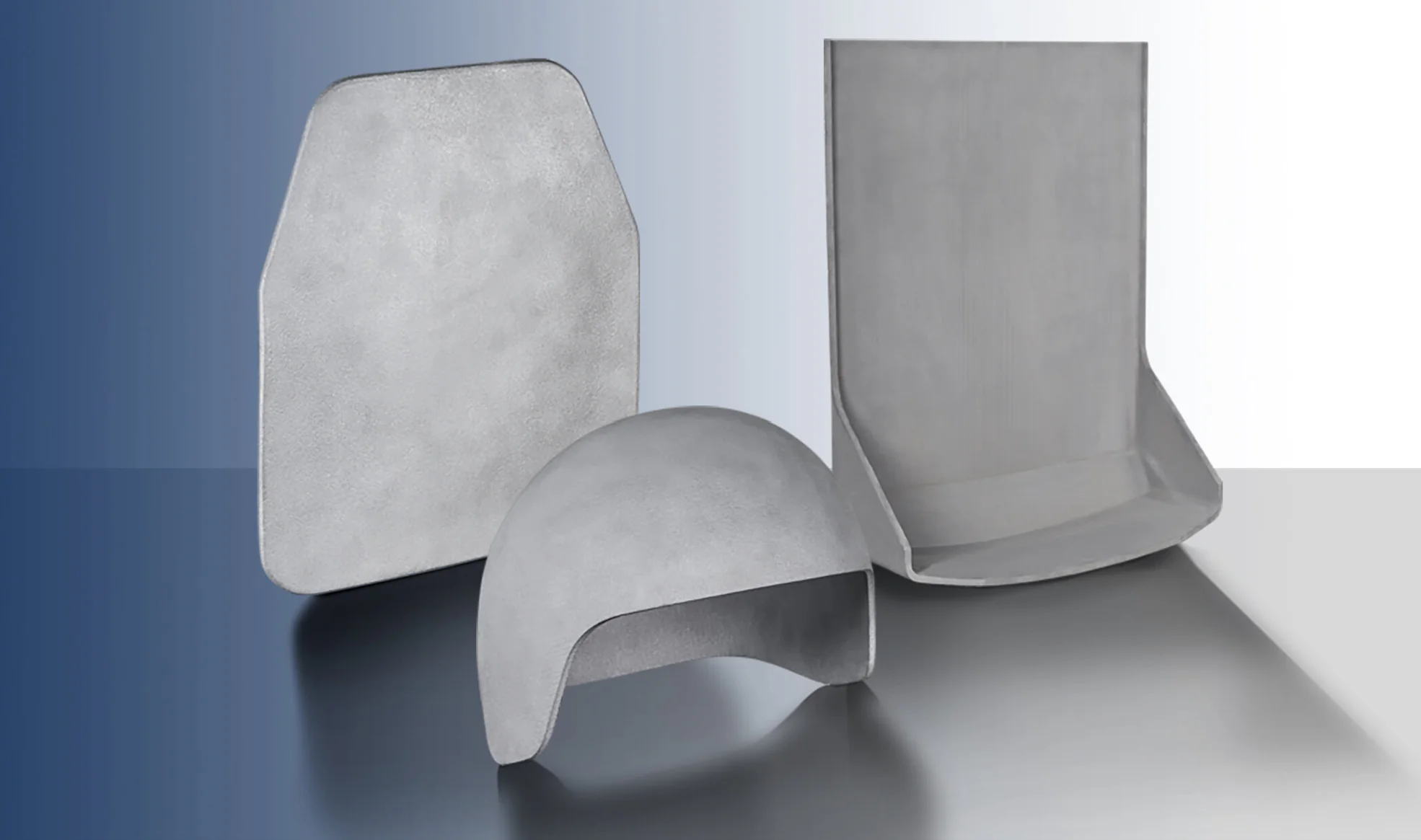
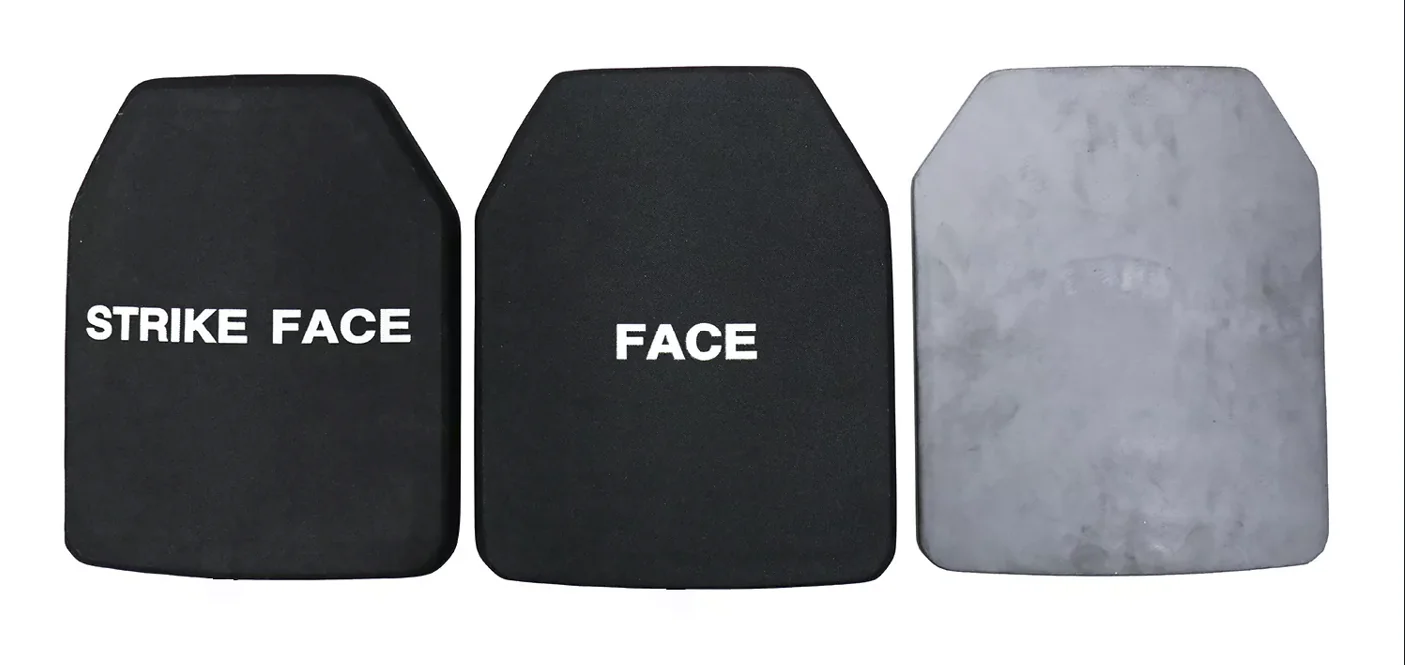
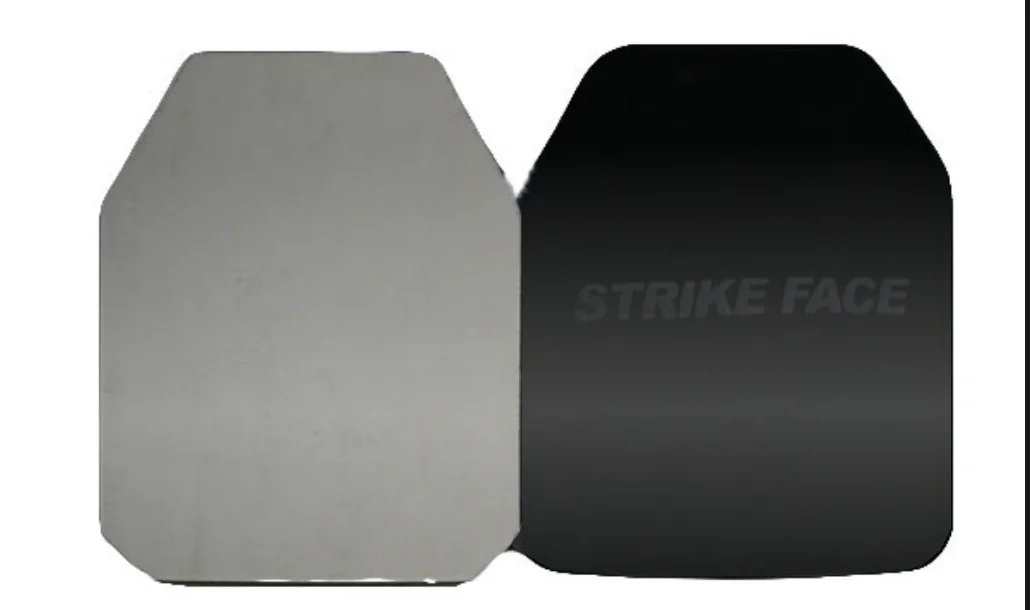
  • Products Processed: Ergonomic curved body armor inserts, ceramic ballistic strike faces, lightweight composite vehicle armor panels, and tactical protective shields.
  • Why 400 Ton Hydraulic Press: Delivers exact pressure, temperature, and dwell control at closing speeds up to 150 mm per Sec, ensuring high density consolidation and volume output exceeding 10 units per Hour.

02 — Technical Specifications

SM 400 HP – HYDRAULIC PRESS MACHINE COMPLETE TECHNICAL DATA

SM 400 HP – Hydraulic Press Machine delivers high-precision and high-load forming capability for ballistic composite armor plates. It ensures uniform compaction, superior structural integrity, and consistent quality in advanced defence-grade applications.

Capacity & Structure

  • Rated Capacity: 400 Tons (≈ 3920 kN)
  • Type: Fourcolumn hydraulic press
  • Frame: Heavy-duty welded steel
  • Safety factor: ≥ 1.35–1.40
  • Parallelism: ≤ 0.03–0.05 mm (critical for ballistic plates)

Hydraulic System

  • Cylinder: Double / multi-action
  • Bore: 350–420 mm
  • Stroke: 300–700 mm
  • Pressure: 28–32 MPa
  • Control: Servo-proportional precision control

Pressing Process Modes

Cold Pressing (Ceramics)

  • Pressure: 100–400 MPa
  • No heating

Hot Pressing (Composites)

  • Temperature: 120–180°C (UHMWPE)
  • Pressure + heat combined

Hybrid Forming: Ceramic + composite bonding stage

Working Envelope

  • Platen size: 600 × 600 mm
  • Optional: 800 × 800 mm
  • Daylight: 600–900 mm
  • Column diameter: 120–160 mm

Control System

  • PLC: Siemens / Beckhoff / Mitsubishi
  • HMI: Advanced process control

Controls:

  • Pressure stages
  • Position control
  • Temperature (if hot press)
  • Holding time

SM 400 HP — Model Specifications

  • Nominal Force: 4000 KN
  • Maximum Hydraulic Pressure: 25 MPa
  • Max Opening Height of the Slider: 1250 mm
  • Max Stroke of the Slider: 800 mm
  • Effective Bed Size: 1260 × 1160 mm
  • Slider Down Speed: 100 mm/s
  • Slider Pressing Speed: 5–11 mm/s
  • Slider Return Speed: 100 mm/s
  • Ejector Cylinder Nominal Force: 400 KN
  • Stroke of the Ejection Cylinder: 300 mm
Production Case Study

Composite Ballistic Armor Plates Production Line

Alumina/SiC/B4C ceramic CompositeRaw Material
250mm x 300mmPlate Size
25 to 45 minsCycle time
140–160°CTemperature
HighPressHydraulicAutoclave
AutomatedCNCWaterjetCutting
PrecisePolymerEpoxyBonding
MultiCurvePlateForming
AutomatedLaserQualityInspection
HighVolumeDailyOutput
NIJStandardQualityControl
03 — Die / Mold System

Precision Ballistic Composite Armor Plate Die Mold Engineering

Technical Specifications

Mold Type

  • Compression mold
  • Flat or curved armor plate mold

Mold Materials

  • Tool steel: H13 / hardened alloy steel
  • For ceramics: High wear-resistant tooling

Mold Construction

  • Upper punch: Plate curvature
  • Lower cavity: Plate base geometry
  • Guide pillars: Alignment accuracy ±0.02 mm

Special Features

  • Curved mold geometry for ergonomic fit
  • High surface finish
  • Pressure distribution plates

Surface Finish

AreaFinish
Plate faceSmooth
EdgesReinforced
Contact surfacePolished

Venting: Micro venting for ceramic powders

Tool Life: 50,000 – 150,000 cycles (ceramic wear dependent)

Case Study (Die Performance)

Precision Ballistic Composite Armor Plate Die Mold

P20, H13, or D2 AlloyDia Steel
52 to 58 HRCHardness
Vacuum HardeningHeat Treatment
HighPrecisionCNCMachining
HighThermalStressResistance
PreciseThermalExpansionControl
HighWearAbrasionResistance
SuperiorSurfaceFinishPolishing
ExtendedProductionToolLife
UniformHeatDistributionDesign

04 — Product Application

Where Ballistic Composite Armor Plaste Are Used

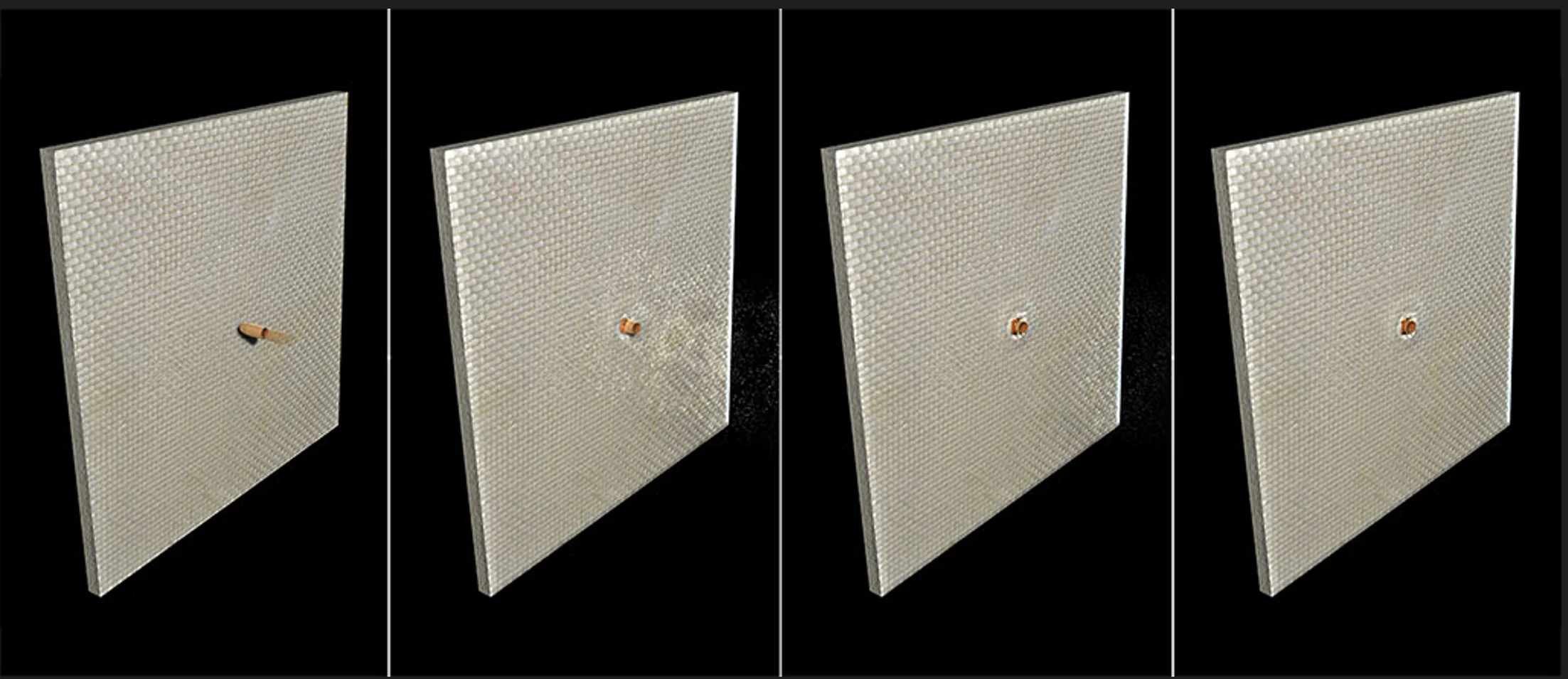
Ballistic composite armor plates are widely used in defence, military, and security applications for protection against ballistic threats. They are commonly used in military vehicles, body armor, armored vehicles, and protective infrastructure systems requiring high-impact resistance and durability.

Industry Applications

Defence & Military

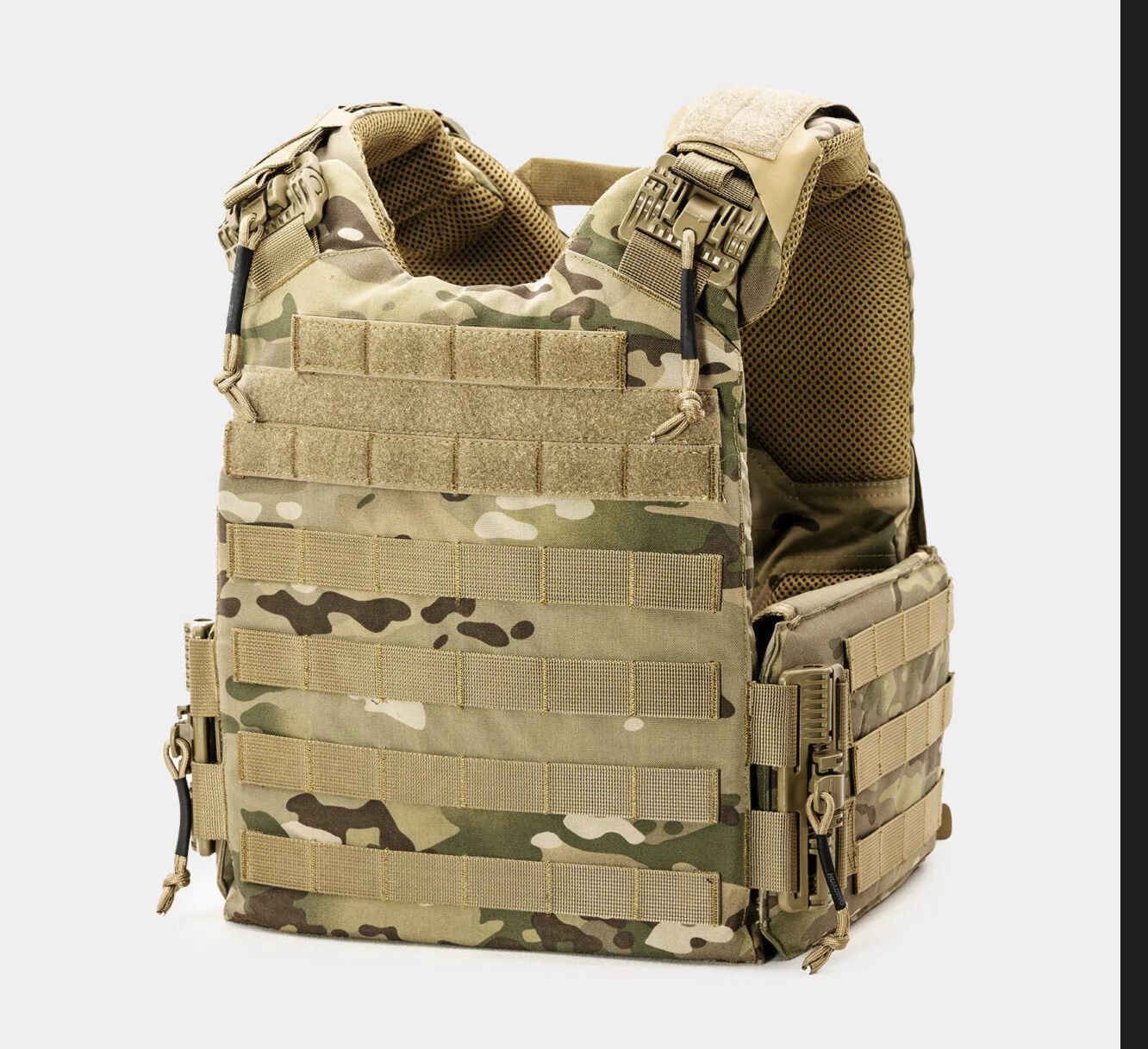
In defence & military applications, ballistic composite armor plates are used in body armor plates, tactical vests, and vehicle armor inserts to provide high-impact resistance and protection. They ensure reliable safety against ballistic threats with enhanced strength and durability.

Law Enforcement

In law enforcement, ballistic composite armor plates are used in bulletproof vests and riot protection gear to ensure personnel safety. They provide high-impact resistance, lightweight protection, and reliable defense against ballistic threats.

Industrial Security

In industrial security, ballistic composite armor plates are used for protective panels and blast-resistant components. They provide strong impact resistance and reliable protection in high-risk environments.

Automotive / Defence Vehicles

In automotive and defence vehicles, ballistic composite armor plates are used in armored vehicle panels and protective structures. They provide high-strength, lightweight protection with excellent resistance to ballistic impact and external threats.

IndustryScenario
Military Personal armor plates
Law enforcement Bulletproof vests
Security Protective panels
Automotive Armored vehicles
Industrial Blast-resistant panels

Finished Product Gallery

05 — Key Advantages

Why Choose the 400-Ton Sinter Hydraulic Press

It delivers high-pressure precision and uniform compaction for dense ceramic and composite layers. Designed for defense-grade applications, it ensures superior strength, structural integrity, and consistent performance in high-impact protection systems.

01

High-pressure precision compaction

Ensures accurate high-pressure application for dense and uniform material compaction. It enhances structural integrity, impact resistance, and overall performance of ballistic armor plates.

02

Uniform density critical for ballistic performance

Ensures consistent material density across the armor plate. This delivers reliable ballistic resistance, structural integrity, and enhanced protection performance.

03

Capability for both ceramic & composite plates

Efficiently processes both ceramic and composite materials with uniform pressure. It ensures optimal bonding, high strength, and reliable performance for advanced ballistic protection applications.

04

High ballistic resistance

Produces armor plates with superior resistance to high-velocity impacts. It ensures reliable protection and durability in critical defense and security applications.

05

Accurate geometry for ergonomic fit

Ensures precise shaping of armor plates for improved ergonomic design. It enhances comfort, fit, and mobility while maintaining high protection performance.

06

Advanced materials capability

Efficiently handles high-performance ceramic and composite materials. It ensures optimal bonding, strength, and precision for advanced ballistic protection applications.