01 — Press System
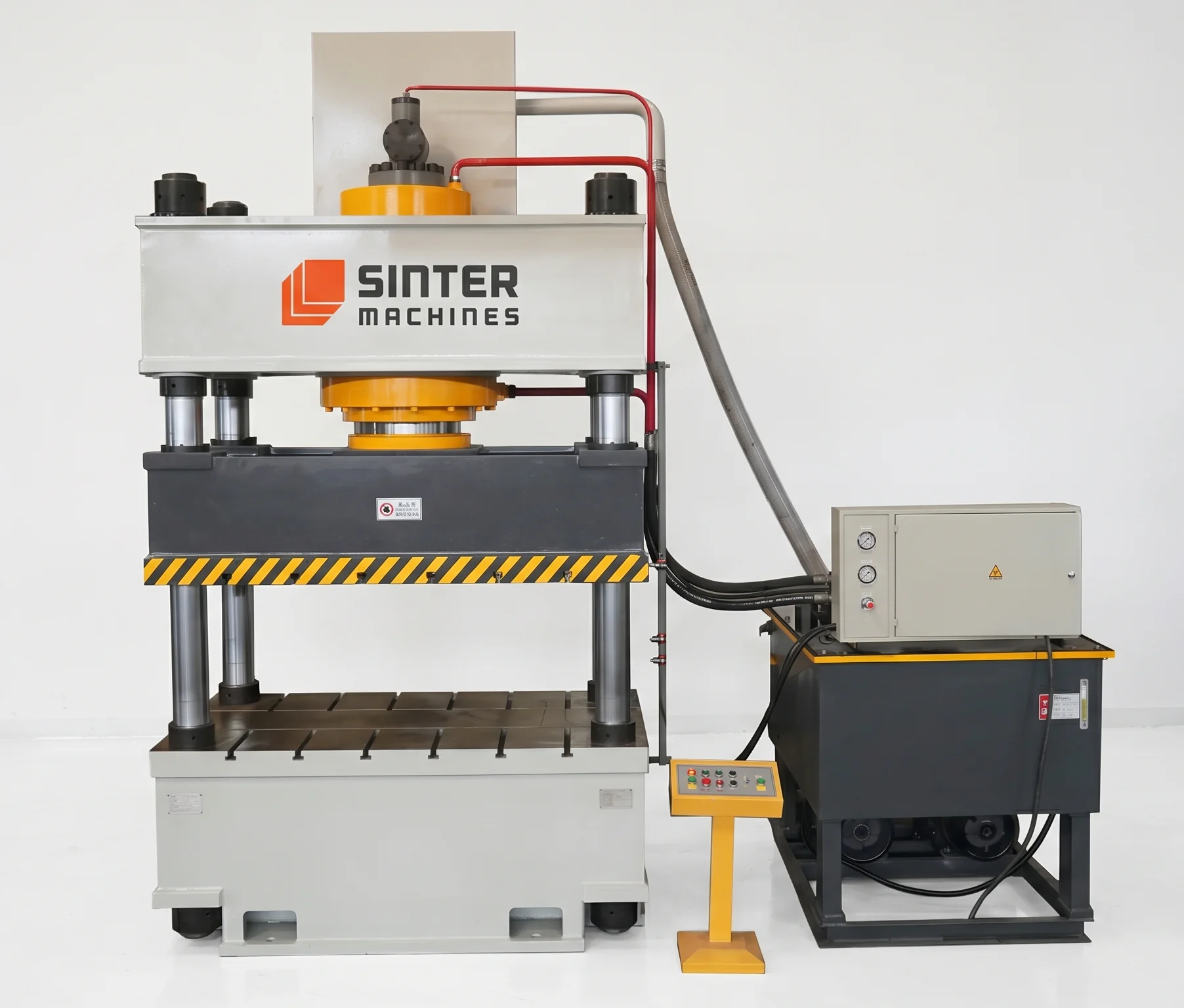
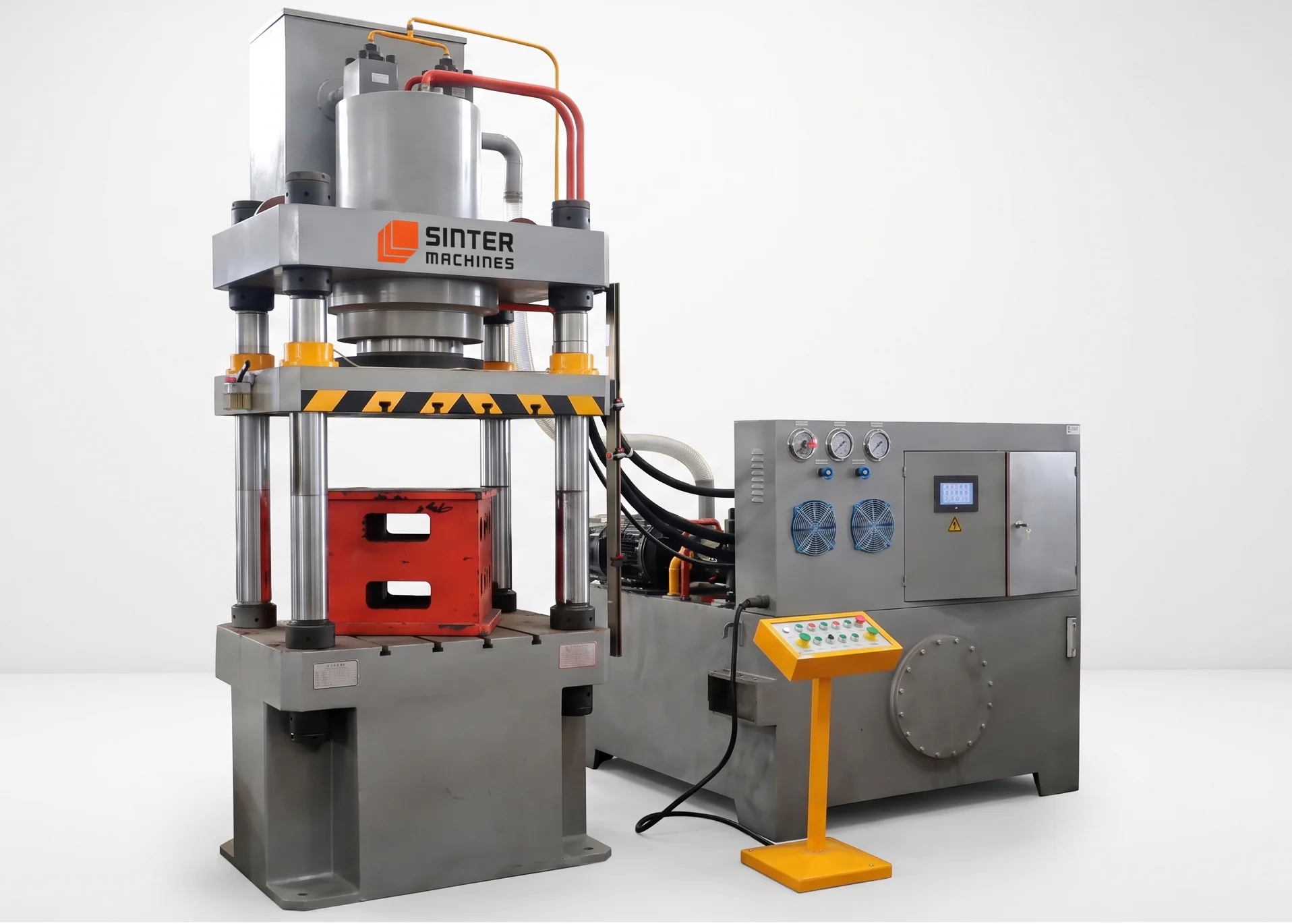
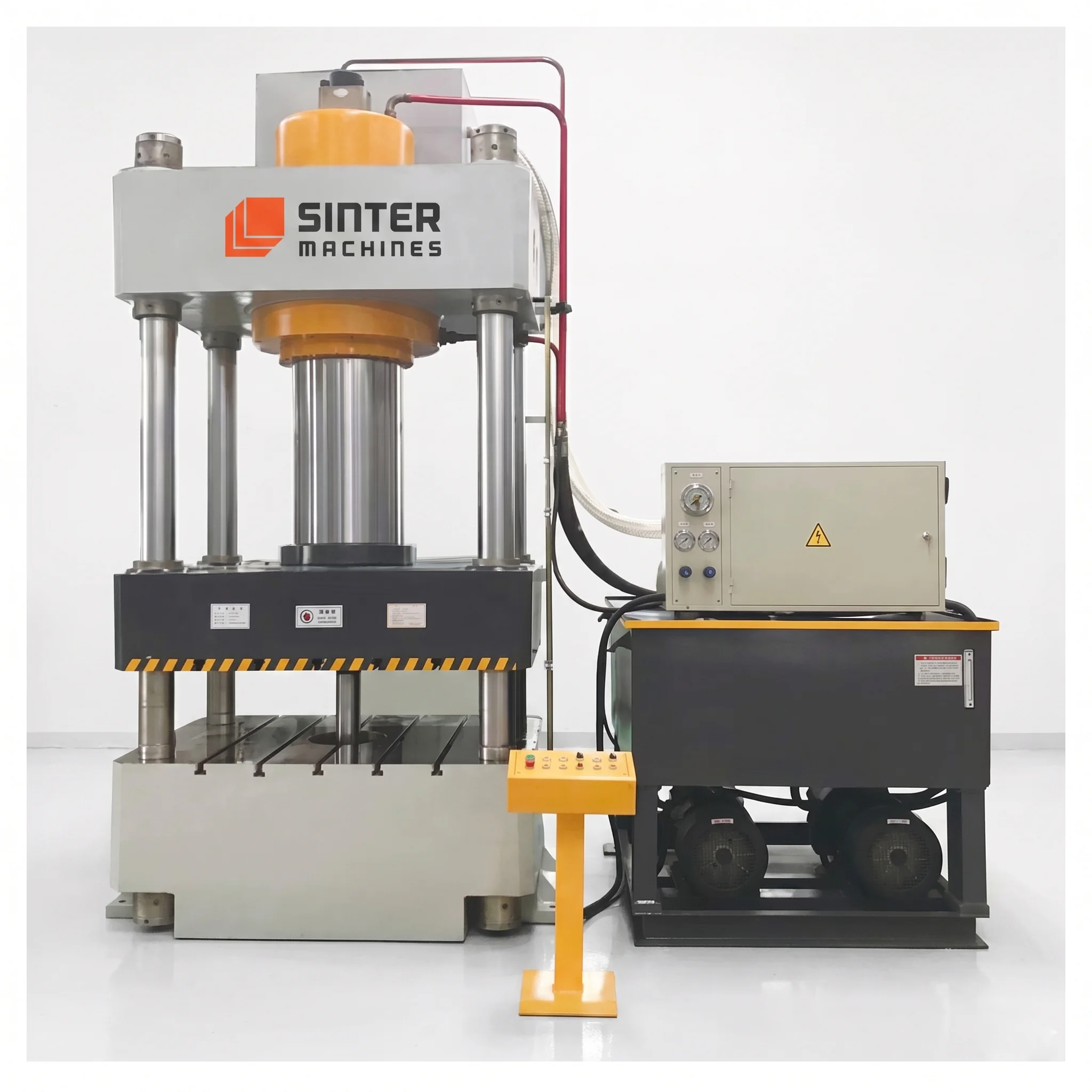
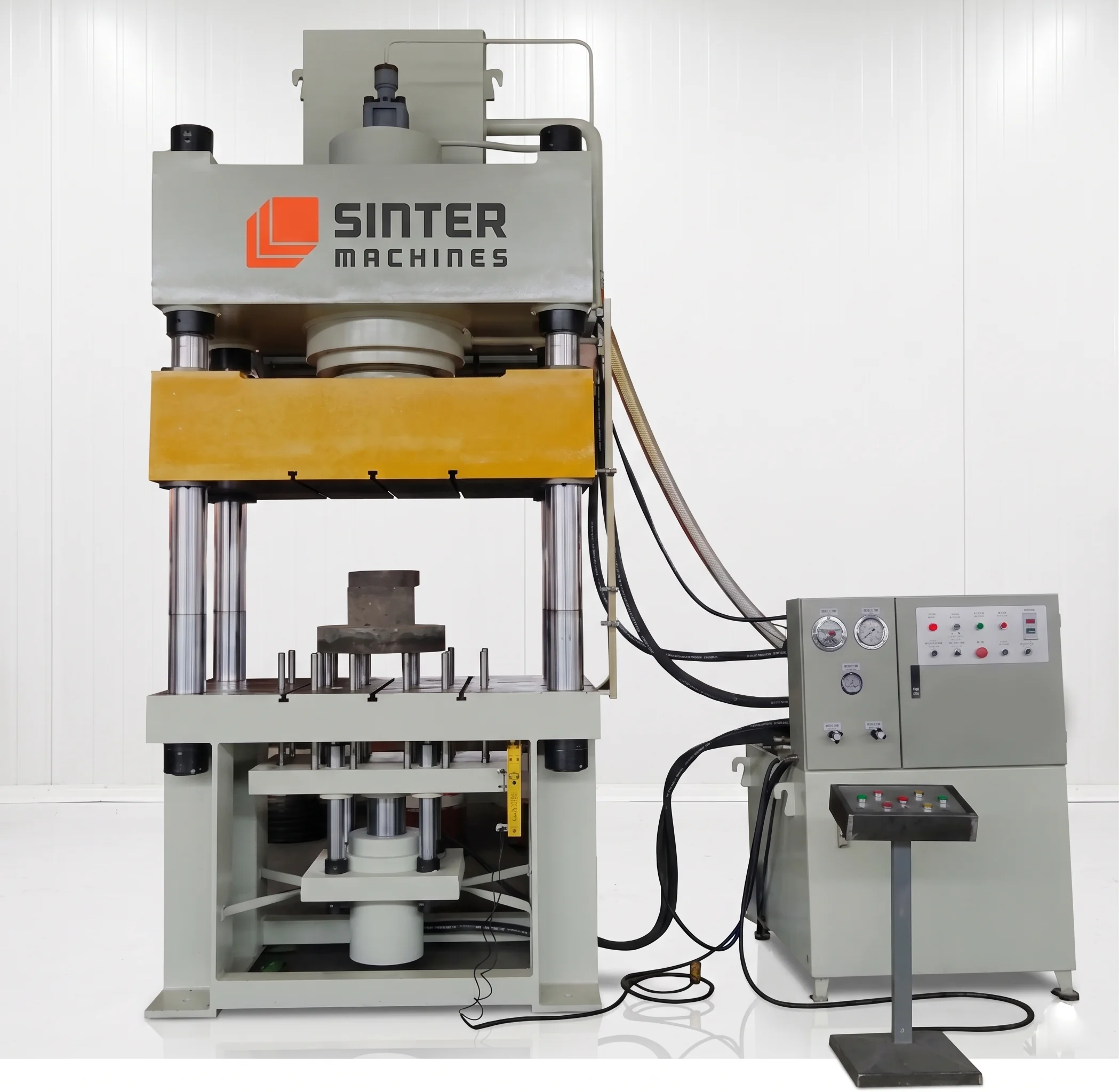
630T Four Column Hydraulic Press Machine
The 630-ton four-column hydraulic press features heavy-duty structural rigidity and proportional hydraulic control for compacting large powder metallurgy components. Its balanced four-column guidance ensures uniform force distribution and precise alignment under heavy compaction loads.
Use Case
This system is engineered for high-density compaction of large-diameter bearings, thick-walled bushings, and heavy-duty structural sleeves. It delivers high pressing force over broad surface areas to produce strong green compacts suitable for oil impregnation and sintering.
- Core Applications: Engineered for heavy commercial vehicles, off-highway machinery, industrial equipment, and renewable energy gear systems. It manufactures large-scale self-lubricating journal bearings, high-load suspension sleeves, and heavy wear rings.
- Material: Processes iron-based, bronze (Cu-Sn), iron-copper alloys, and stainless steel powders blended with graphite, lubricants, and binding agents. These formulations ensure consistent green strength and optimal matrix porosity for subsequent oil impregnation.
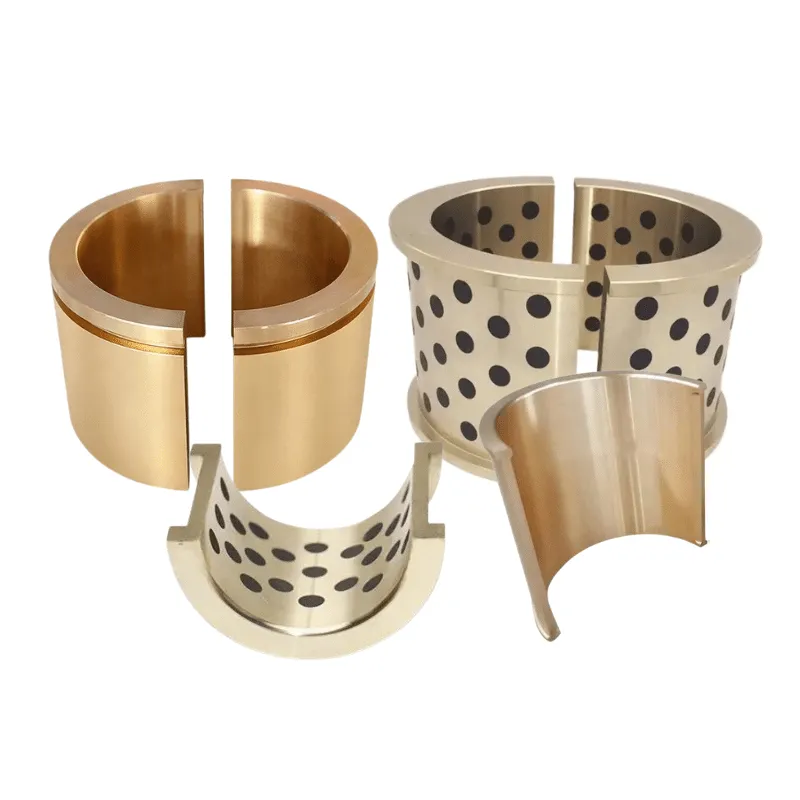
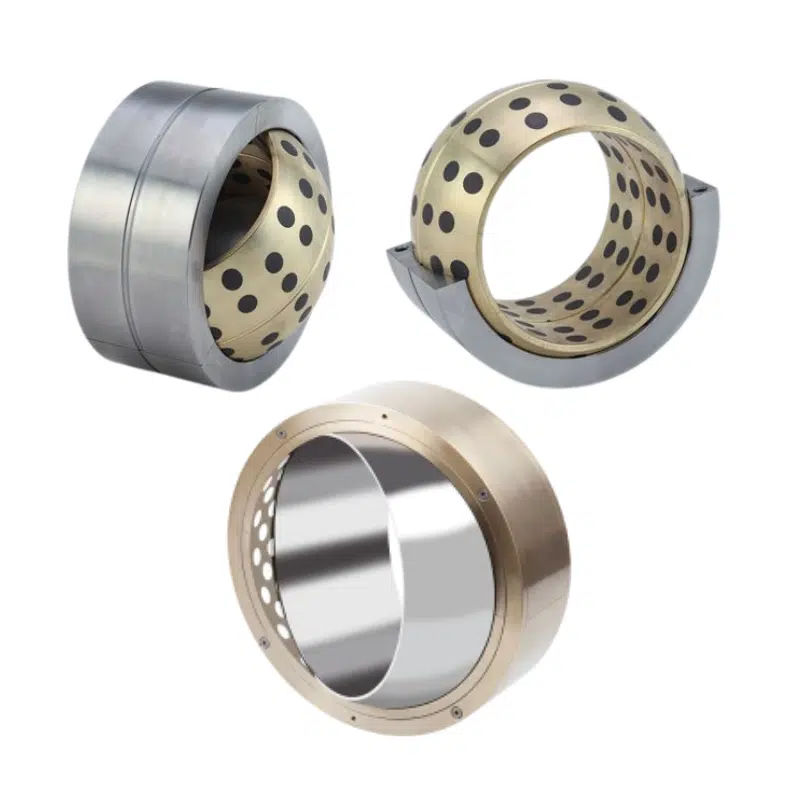
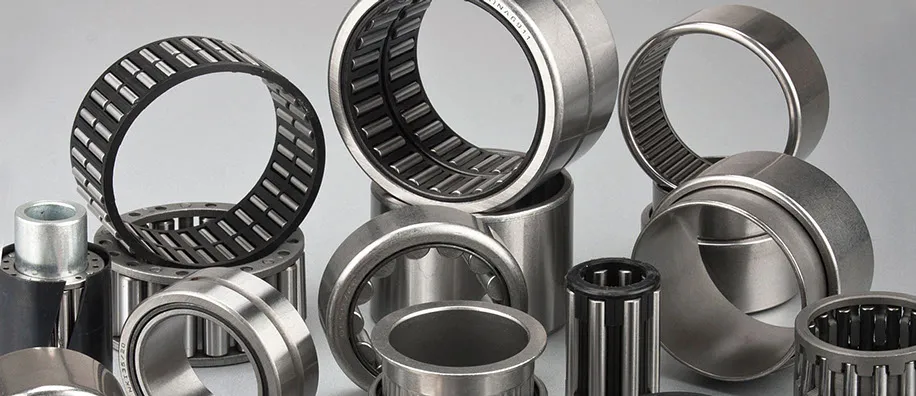
- Products Processed: Compacts large flanged journal bearings, thick-walled cylindrical bushings, heavy drive-shaft sleeves, guide bushes, and split-bearing liners. It produces complex multi-level geometries with strict concentricity and wall-thickness requirements.
- Why 630-Ton Hydraulic Press: Delivers the high tonnage required to achieve uniform target green density across large cross-sectional pressing areas without overloading tooling. Its controlled pressing velocity and multi-stage hydraulic ejection prevent laminar cracks and density gradients in long or thick-walled parts.
02 — Technical Specifications
SM 630 HP – HYDRAULIC PRESS MACHINE COMPLETE TECHNICAL DATA
The SM 630 HP – 630 Ton Hydraulic Press Machine is designed for manufacturing large powder metallurgy (PM) bushings and heavy-duty bearings, delivering high compaction force and dimensional accuracy. Its robust hydraulic system ensures uniform density distribution, improved green strength, and consistent part quality for large-component production.
Capacity & Structural Design
- Rated Capacity: 630 Tons (≈ 6180 kN)
- Type: Fourcolumn hydraulic PM press
- Frame: High rigidity welded steel structure
- Safety factor: ≥ 1.35–1.40
- Parallelism accuracy: ≤ 0.02–0.05 mm
Hydraulic System
- Cylinder: Multi-action hydraulic cylinders
- Bore: 420–520 mm
- Stroke: 500–900 mm
- Working pressure: 30–32 MPa
- Control: Servo-proportional precision control
Multi-Level Compaction System
- Independent upper punch control
- Independent lower punch control
- Floating die (optional)
- Multi-stage compaction pressure
Benefits
- Eliminates density gradients
- Ensures uniform porosity distribution
- Supports thick and complex geometries
Compaction Cycle
- Powder filling into cavity
- Upper & lower punch approach
- Pre-compaction (air removal)
- Main compaction (high pressure densification)
- Holding stage
- Controlled decompression
- Ejection of green component
Working Envelope
- Platen size: Standard: 800 × 800 mm
- Daylight: 800–1200 mm
- Column diameter: 180–220 mm
Control System
- PLC: Siemens / Beckhoff / Mitsubishi
- HMI: Advanced control panel
Controls:
- Pressure profile
- Stroke and position
- Multi-stage compaction
- Density monitoring
Features:
- Real-time monitoring
- Data logging (QA traceability)
- Industry 4.0 integration
- Safety PLC
SM 630 HP — Model Specifications
- Nominal Force: 6300 KN
- Maximum Hydraulic Pressure: 25 MPa
- Max Opening Height of the Slider: 1500 mm
- Max Stroke of the Slider: 900 mm
- Effective Bed Size: 1500 × 1500 mm
- Slider Down Speed: 150 mm/s
- Slider Pressing Speed: 9–18 mm/s
- Slider Return Speed: 200 mm/s
- Ejector Cylinder Nominal Force: 500 KN
- Stroke of the Ejection Cylinder: 300 mm
03 — Die / Mold System
Precision Powder Metallurgy Large Bushings & Bearings Die Engineering
Precision Powder Metallurgy Large Bushings & Bearings Die Engineering focuses on the design and development of high-accuracy dies for producing large PM bushings and heavy-duty bearings with tight dimensional tolerances. Advanced die engineering ensures uniform powder compaction, optimized density distribution, and enhanced tool life for large, complex components.
Technical Specifications (Tooling)
Tool Type
- Heavy-duty cylindrical PM tooling system
- Multi-level compaction die
Tool Materials
- Tool steels: H13 / D2 / Powder metallurgy tool steel
- Carbide inserts: Used for high wear zones
Hardness: 58–64 HRC
Tool Construction
- Upper punch → outer profile
- Lower punch → base and support
- Die cavity → OD control
- Core rod → inner bore (critical)
Core Rod System
- Precision ground rods
- Replaceable inserts
- High wear resistance
Ensures:
- Accurate bore
- Smooth surface
- Reduced friction
Multi-Level Tooling
- Split punches for thick sections
- Floating die system
- Controlled compaction zones
Alignment Accuracy: ±0.01–0.02 mm
Surface Finish
| Area | Finish |
| Inner bore | Polished (Ra ≤ 0.4 µm) |
| Outer | Smooth |
| Bearing surface | Precision ground |
Lubrication
- Powder lubrication (internal)
- Die coating (TiN, DLC optional)
Tool Life: 200,000 – 400,000 cycles
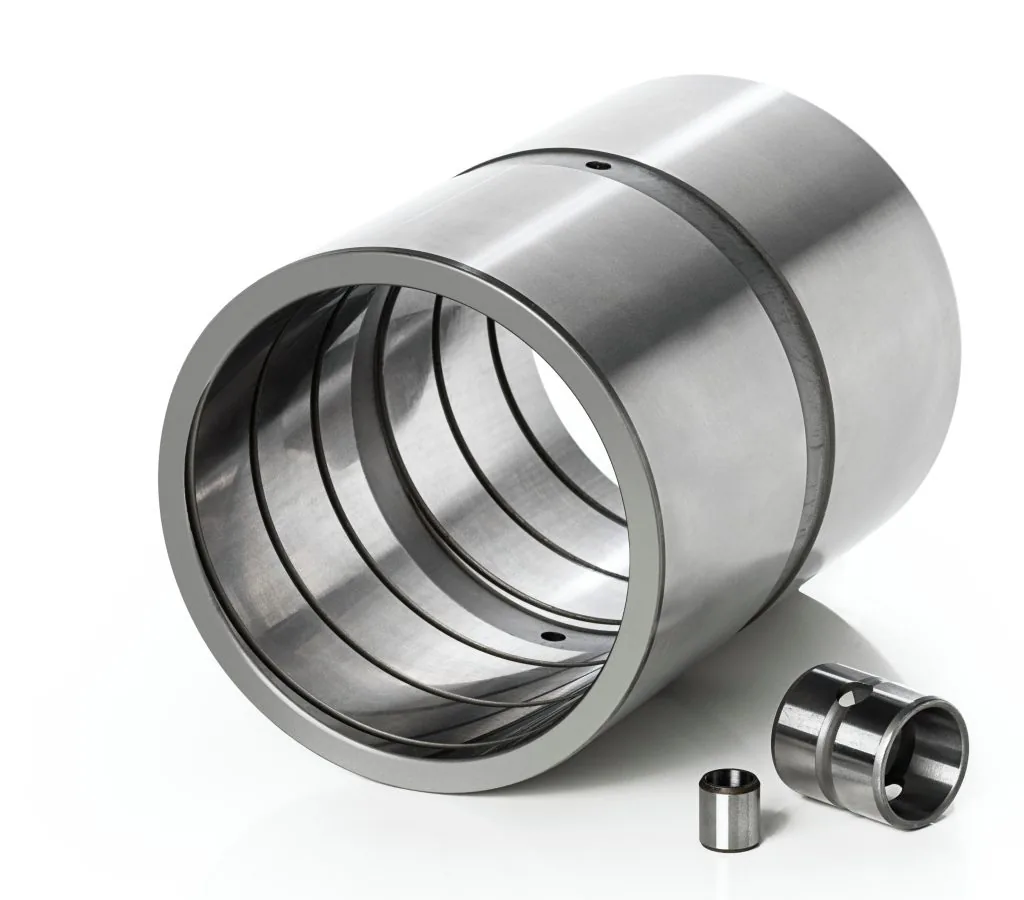
Precision Powder Metallurgy Large Bushings & Bearings Die Tooling
04 — Product Application
Where Powder Metallurgy Large Bushings & Bearings Are Used
Powder Metallurgy (PM) Large Bushings & Bearings are widely used in heavy-duty industrial applications requiring high wear resistance, load-bearing capacity, and reliable performance. They are commonly found in construction equipment, mining machinery, agricultural vehicles, steel plants, railway systems, and material-handling equipment where durability under extreme operating conditions is essential.
Industry Applications
Construction Machinery
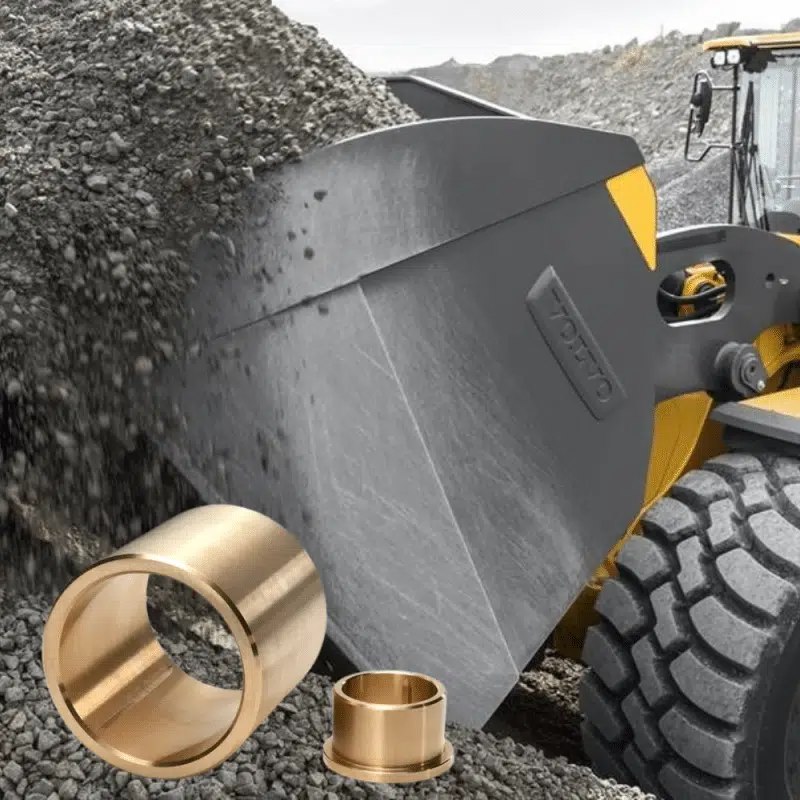
Construction Machinery relies on large powder metallurgy (PM) bushings and bearings to withstand heavy loads, shock impacts, and demanding operating environments. These components are extensively used in excavator bearings, heavy shaft bushings, and hydraulic system bushings, where high wear resistance and dimensional stability are critical.
Aerospace & Defence
Aerospace & Defence applications utilize large powder metallurgy (PM) components for their superior strength-to-weight ratio, precision, and reliability in demanding environments. PM technology is widely used in lightweight sintered bearings, corrosion-resistant bushings, and high-performance rotational components, where durability and consistent performance are critical.
Heavy Machinery
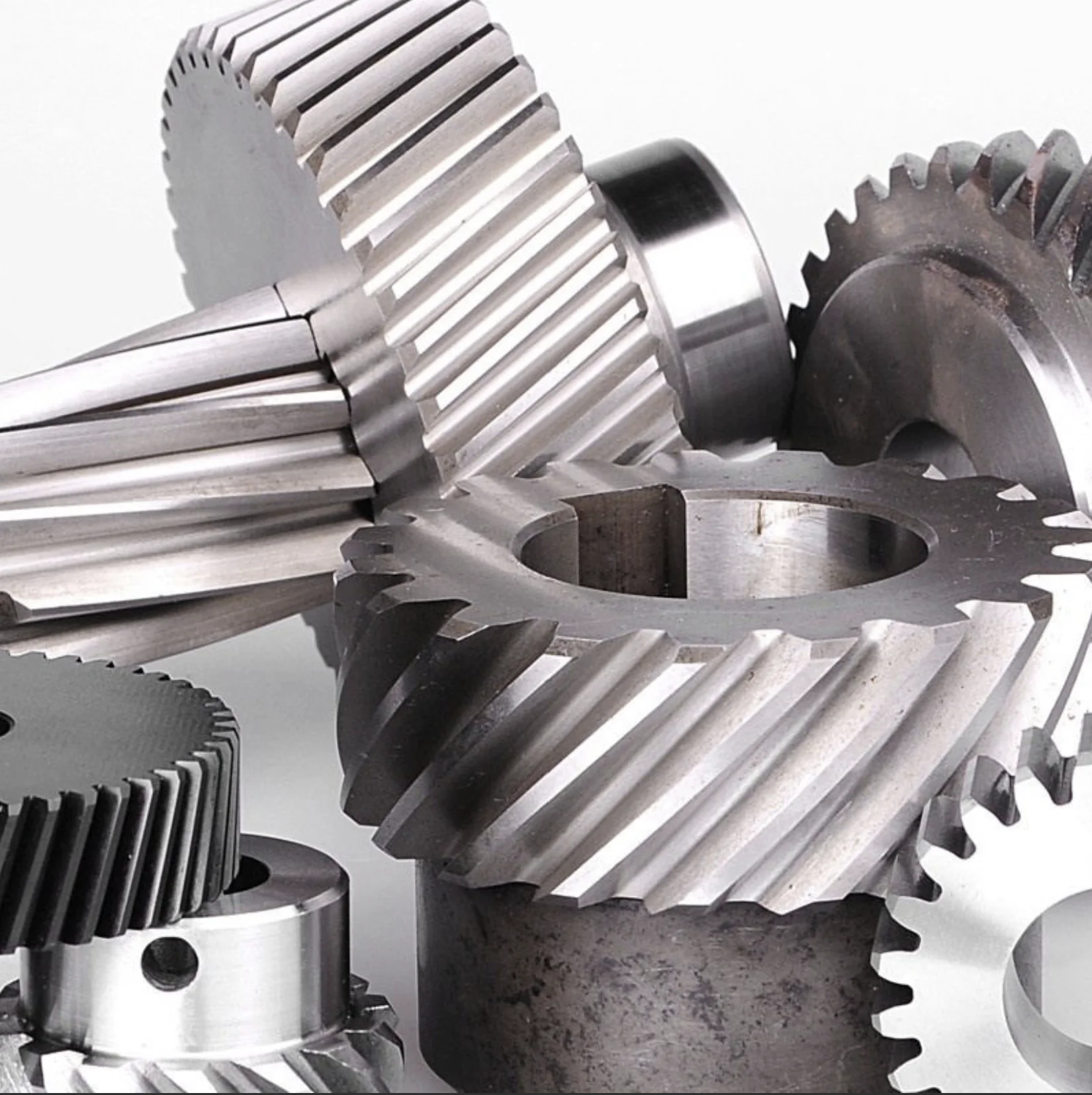
Heavy Machinery applications depend on large powder metallurgy (PM) bushings and bearings to deliver reliable performance under extreme loads, continuous operation, and harsh working conditions. These components are commonly used in mining equipment bushings, conveyor system bearings, and industrial gear assemblies, where high strength, wear resistance, and dimensional stability are essential.
Energy Sector
Energy Sector applications require large powder metallurgy (PM) bushings and bearings that can operate reliably under continuous loads and demanding environmental conditions. These components are widely used in wind turbine bearings and power plant rotating equipment, where high strength, wear resistance, and long service life are essential.
| Industry | Scenario |
|---|---|
| Construction | Excavator & loader bushings |
| Aerospace | Lightweight structural bearings |
| Industrial | Heavy rotating systems |
| Mining | High-load bearing systems |
| Energy | Continuous operation equipment |
Finished Product Gallery
05 — Key Advantages
Why Choose the 630-Ton Sinter Hydraulic Press
The 630-Ton Sinter Hydraulic Press is specifically designed to manufacture large powder metallurgy (PM) bushings and heavy-duty bearings that require high compaction forces and exceptional dimensional accuracy. Its powerful hydraulic system ensures uniform density distribution throughout large components, resulting in superior green strength, improved structural integrity, and consistent product quality.
Multi-level density control
Multi-Level Density Control enables precise regulation of compaction pressure across different sections of large powder metallurgy (PM) components, ensuring uniform density throughout the part. This advanced capability minimizes density variations, reduces defects, and improves dimensional accuracy in complex bushings and bearings.
High load-bearing capacity
High Load-Bearing Capacity enables large powder metallurgy (PM) bushings and bearings to withstand substantial radial and axial loads in demanding operating environments. The high-density compaction achieved by the 630-ton hydraulic press enhances structural strength, wear resistance, and mechanical performance.
Excellent wear resistance
Excellent Wear Resistance is a key advantage of powder metallurgy (PM) bushings and bearings, enabling them to perform reliably under continuous friction and heavy-duty operating conditions. The high-density compaction achieved through the 630-ton hydraulic press produces components with enhanced hardness, strength, and surface durability.
High-value industrial components
High-Value Industrial Components such as large powder metallurgy (PM) bushings, bearings, structural parts, and precision wear components require exceptional density, strength, and dimensional accuracy. The 630-ton hydraulic press provides the high compaction force needed to manufacture these critical components with consistent quality and reliable mechanical performance.
Reduced machining costs
Reduced Machining Costs are achieved through the near-net-shape manufacturing capability of powder metallurgy (PM), which produces components close to their final dimensions. This significantly minimizes secondary machining operations, reducing material waste, production time, and overall manufacturing expenses.
Strong demand in heavy industries
Strong Demand in Heavy Industries drives the need for large powder metallurgy (PM) bushings and bearings that can withstand extreme loads, continuous operation, and harsh working environments. Industries such as mining, construction, steel production, power generation, and material handling rely on these components for their durability, wear resistance, and reliable performance.