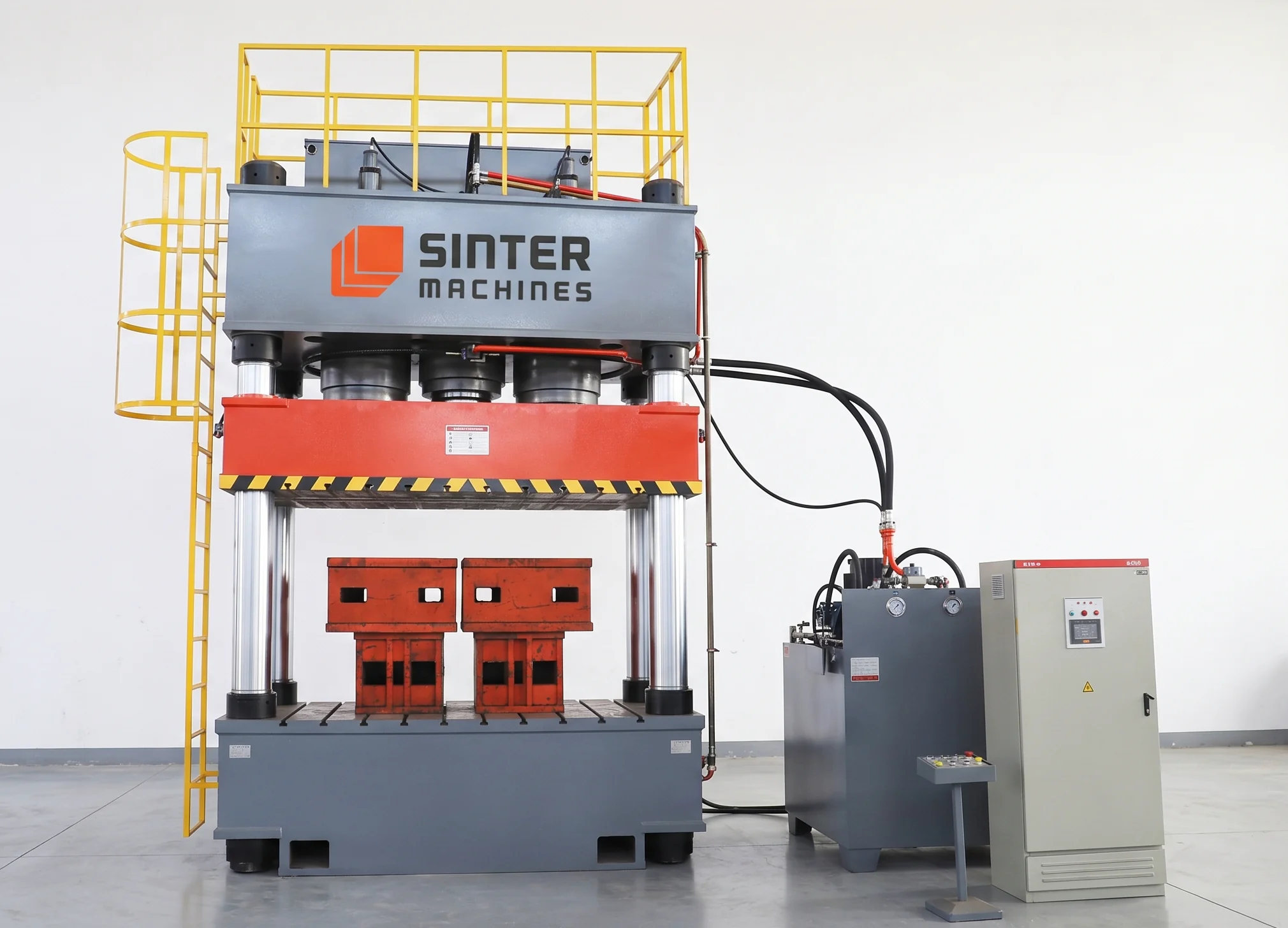
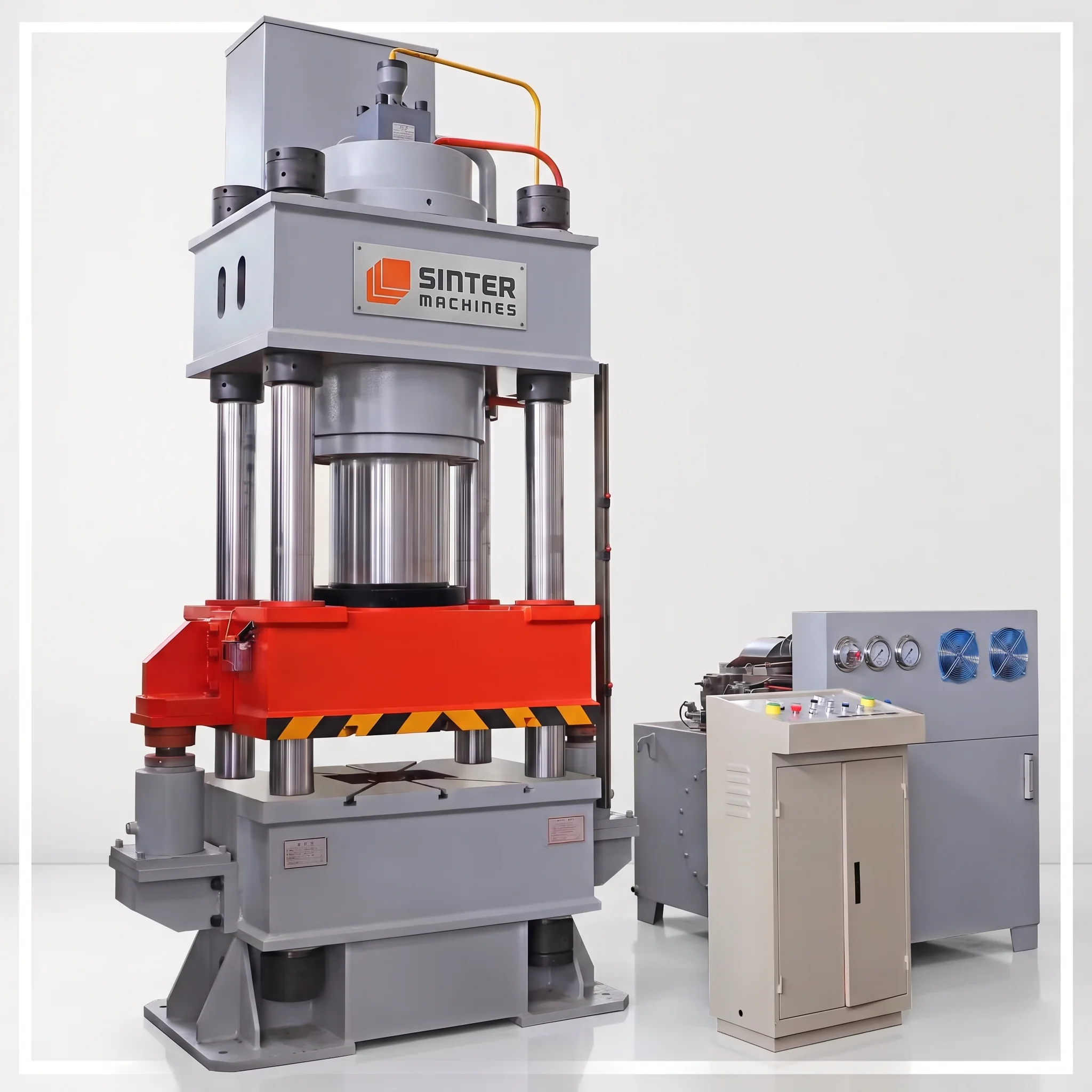
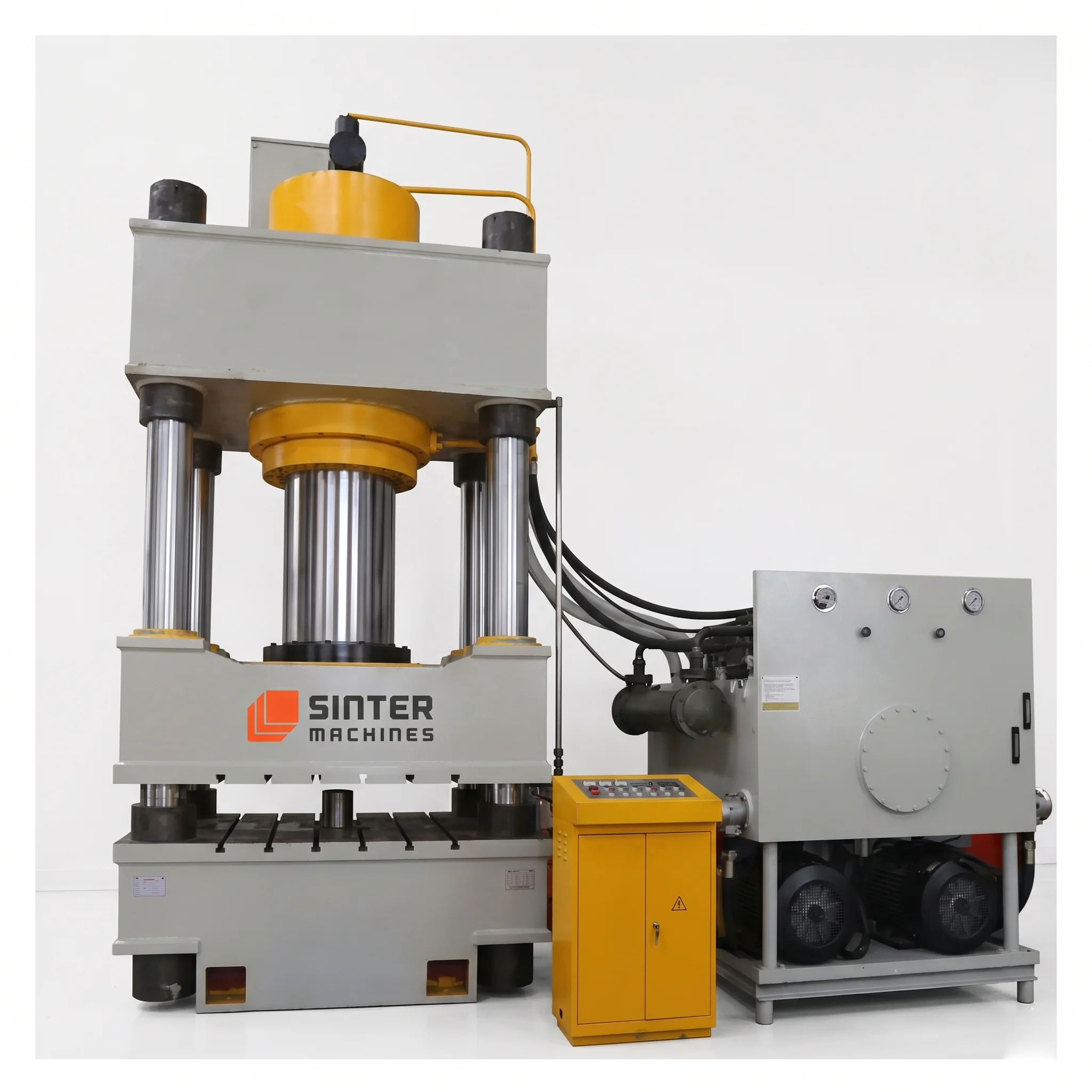
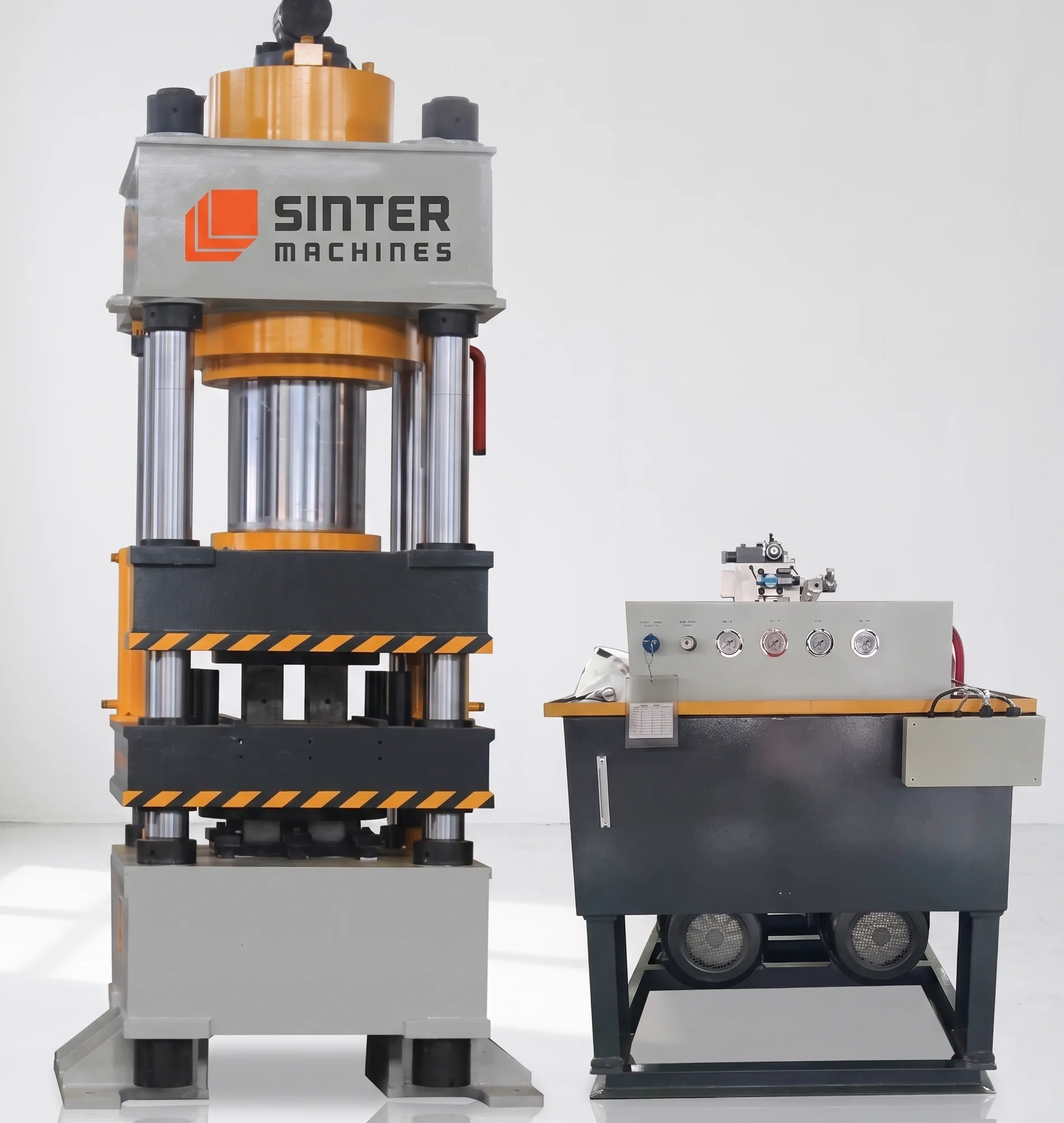
1250T Automotive Panels Press press view 1
Automotive Composite Panels · Hydraulic Press Machine

1250 Ton Four Column Hydraulic Press for SMC & DLFT Automotive Composite Panels

1250T Rated Capacity
180 mm/s Slider Down Speed
6–15 mm/s Slider Pressing Speed
200 mm/s Slider Return Speed

01 — Press System

1250 Ton Four Column Hydraulic Press Machine

This system produces high strength, lightweight Class A surface SMC and DLFT composite panels for automotive applications. It achieves fast, sustainable, and cost effective manufacturing using an integrated cooling system for rapid cycle times.

Use Case

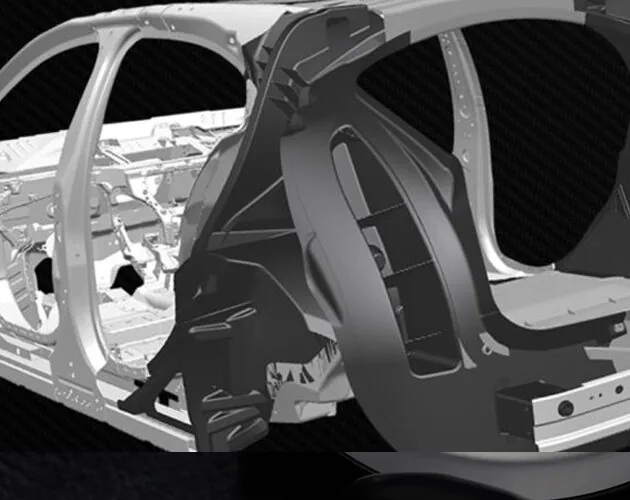
The 1250 ton four pillar press performs high tonnage compression molding of advanced SMC thermosets and DLFT thermoplastics into structural automotive parts. It delivers high stiffness to weight ratio, crash resistance, superior surface finish, and tight dimensional accuracy for large vehicles.

  • Core Applications: Precision compression molding of automotive body panels, structural frames, crash resistant components, and battery enclosures requiring high strength to weight ratios.
  • Material: Glass fiber reinforced thermoset polyester or vinyl ester resins alongside long glass fiber thermoplastic polypropylene, polyamide, and polybutylene terephthalate matrices.
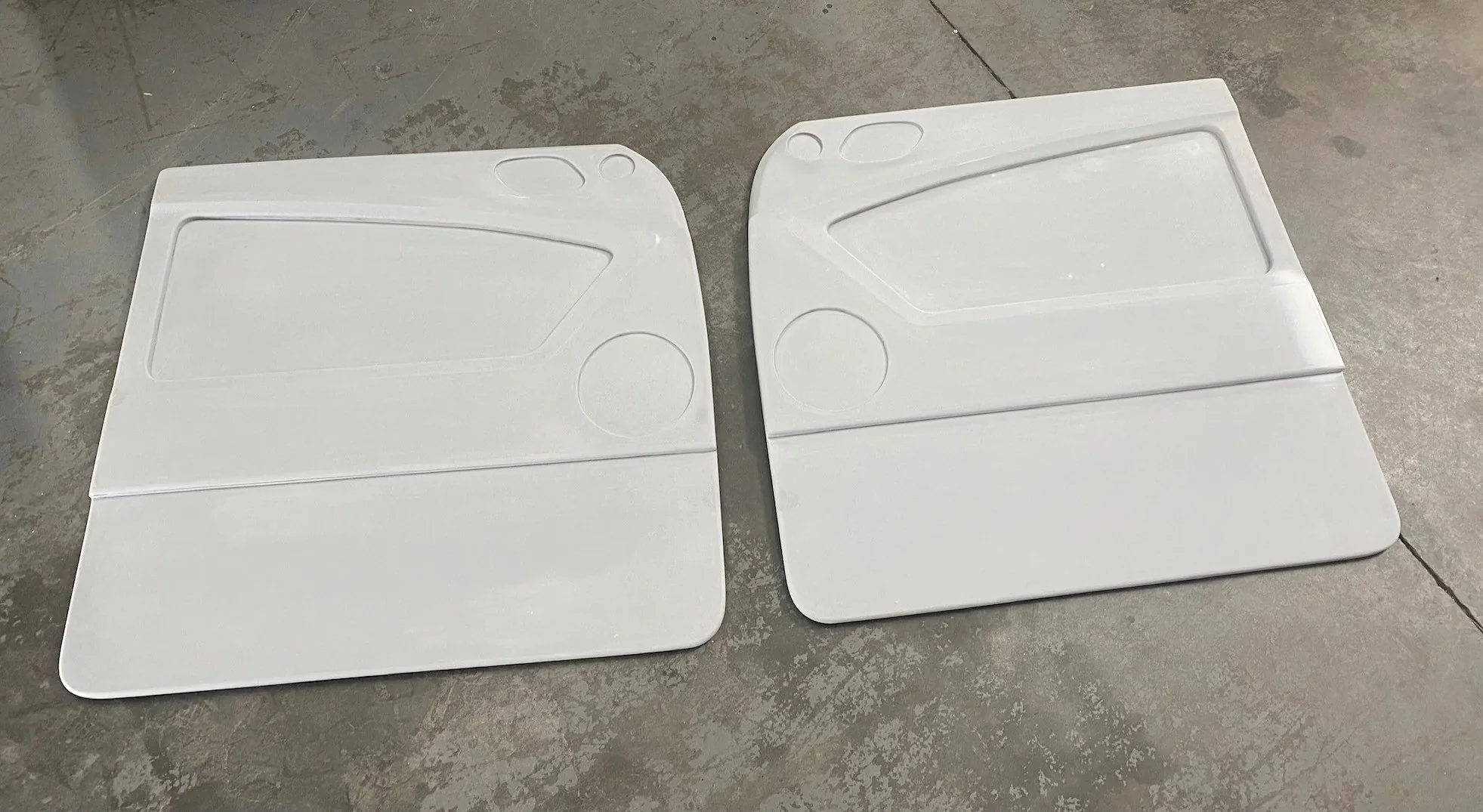
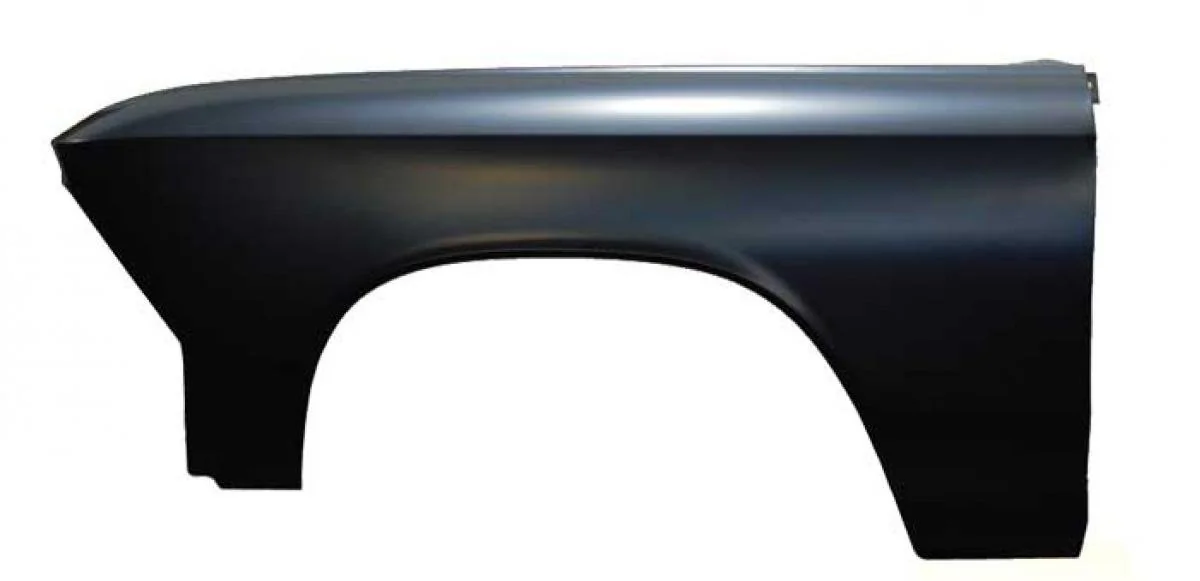
  • Products Processed: Class A exterior body panels, underbody shields, battery housing enclosures, structural seat frames, and inner door panels.
  • Why 1250 Ton Hydraulic Press: Delivers exact pressure, temperature, and curing control at closing speeds up to 150 mm per Sec, ensuring uniform fiber flow and high volume output exceeding 10 units per Hour.

02 — Technical Specifications

SM 1250 HP – HYDRAULIC PRESS MACHINE COMPLETE TECHNICAL DATA

SM 1250 HP – Hydraulic Press Machine delivers high-performance and precision composite molding for SMC & DLFT automotive panels with complete technical reliability. It ensures uniform curing, excellent surface finish, and strong structural integrity for large automotive components.

Capacity & Structural Design

  • Rated Capacity: 1250 Tons (≈ 12,260 kN)
  • Type: Fourpillar hydraulic hot press
  • Frame: Ultra-rigid welded steel (stress-relieved)
  • Safety factor: ≥ 1.35–1.40
  • Deflection: ≤ 0.08–0.10 mm

Hydraulic System

  • Main cylinder: Doubleacting
  • Bore: 600–750 mm
  • Stroke: 900–1400 mm
  • Operating pressure: 30–32 MPa
  • Control: Servoproportional hydraulic (automotive standard)

Compression Cycle (SMC / DLFT)

  1. Rapid mold closing
  2. Pre-compression (material distribution)
  3. High-pressure compression
  4. Thermal curing (SMC) / consolidation (DLFT)
  5. Dwell stage (3–10 min depending on part)
  6. Controlled decompression
  7. Mold opening

Heated Platen System

  • Heating type: Thermal oil circulation
  • Temperature range:
    • SMC: 130–170°C
    • DLFT: 180–230°C (depending on polymer)
  • Accuracy: ±2–3°C
  • Multi-zone heating control

Working Envelope

  • Platen size:
    • Standard: 1600 × 1600 mm
    • Optional: 2000 × 1500 mm
  • Daylight: 1600–2200 mm
  • Column diameter: 220–280 mm

Controls & Automation

  • PLC (Siemens / Mitsubishi)
  • Touchscreen HMI
  • Multi-stage pressure profiles
  • Real-time process monitoring
  • Data logging (automotive QA traceability)
  • Safety PLC + interlocks

SM 1250 HP — Model Specifications

  • Nominal Force: 12500 KN
  • Maximum Hydraulic Pressure: 25 MPa
  • Max Opening Height of the Slider: 1500 mm
  • Max Stroke of the Slider: 900 mm
  • Effective Bed Size: 1600 × 1600 mm
  • Slider Down Speed: 180 mm/s
  • Slider Pressing Speed: 6–15 mm/s
  • Slider Return Speed: 200 mm/s
  • Ejector Cylinder Nominal Force: 600 KN
  • Stroke of the Ejection Cylinder: 200 mm
Production Case Study

SMC & DLFT Automotive Composite Panels Manufacturing Plant

SMC/DLFT CompositMaterial
1200 x 2000 mmPanel Size
60 to 180 SecCycle time
190–220°CTemperature
03 — Die / Mold System

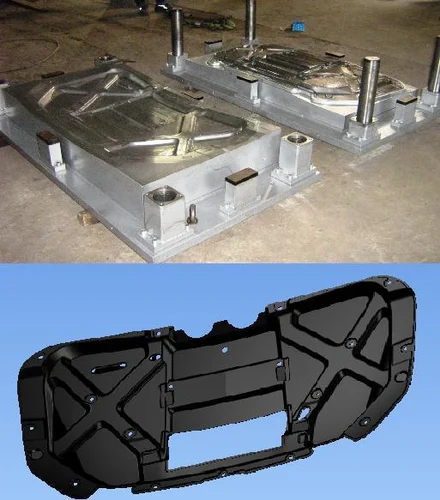
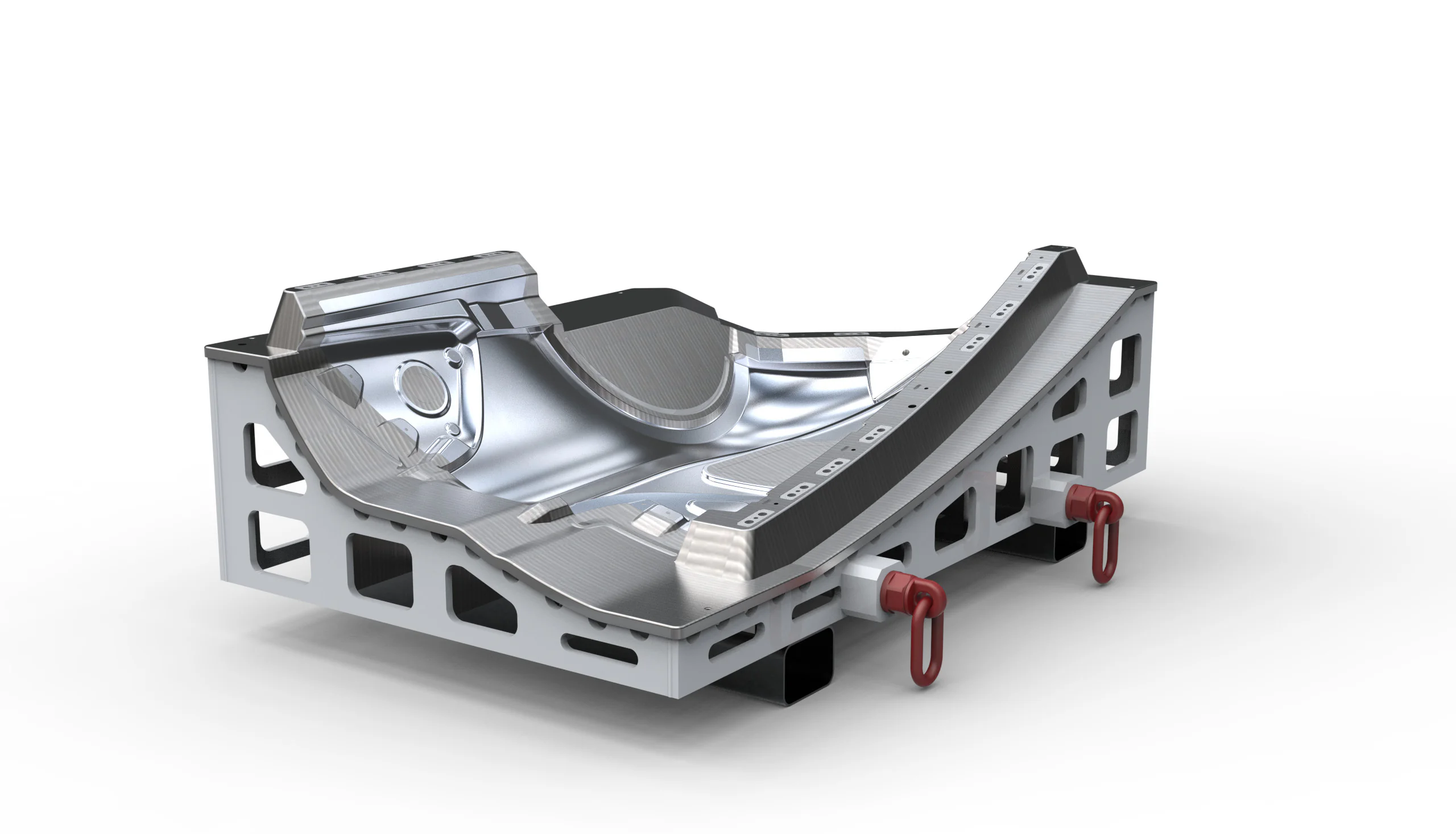
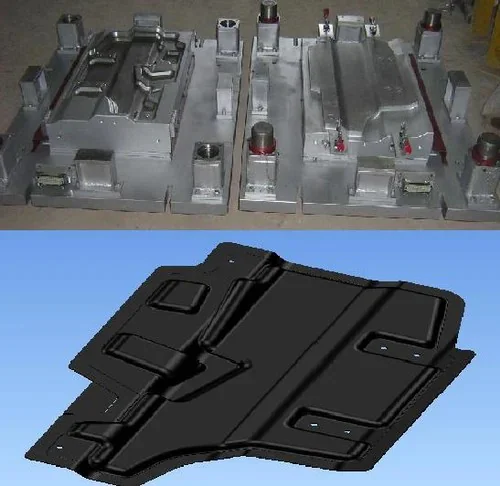
Precision SMC & DLFT Automotive Composite Panels Die Mold Engineering

Precision SMC & DLFT Automotive Composite Panels Die Engineering ensures accurate panel geometry, uniform material distribution, and superior surface finish. It delivers consistent quality, high strength, and durability for advanced automotive applications.

Technical Specifications

Mold Type

  • Heavy-duty compression mold (matched metal die)
  • Suitable for:
    • Thermoset (SMC)
    • Thermoplastic (DLFT)

Mold Materials

  • Tool steel: H13 / P20 / CrMo alloy
  • Hardness: 48–55 HRC
  • Surface treatments: Chrome plating / Teflon coating

Mold Construction

  • Upper mold: Outer panel shape
  • Lower cavity: Structural ribs
  • Guide pillars: Alignment accuracy ±0.02 mm
  • Ejection: Hydraulic ejectors

Heating System

  • Thermal oil heating channels
  • Multi-zone control
  • Uniform temperature distribution

Venting & Degassing

  • Gas escape grooves
  • Vent channels

Prevents:

  • Blisters
  • Voids
  • Air pockets

Surface Finish

ApplicationRequirement
Exterior panelsClass A finish
Structural partsRibbed surface
Internal surfacesSmooth

Mold Life: 200,000 – 400,000 cycles

Case Study (Die Performance)

Precision SMC & DLFT Automotive Composite Panels Die Mold

P20 / H13 AlloyDie Steel
48 to 52 HRCHarness
Vacuum HardeningHeat Treatment
Class A surface finish
High wear abrasion resistance
Precision core cavity alignment
Optimal thermal heat distribution
Extended mold service life
Flawless zero flash control

04 — Product Application

Where SMC & DLFT Automotive Composite Panels

SMC & DLFT automotive composite panels are widely used in vehicle interior and exterior components, structural body panels, and underbody applications. They provide lightweight strength, durability, and high-performance solutions for modern automotive manufacturing.

Industry Applications

Automotive OEM & Tier1 Suppliers

In automotive OEM & Tier1 supply, SMC & DLFT composite panels are used for body panels, battery enclosures, and structural interior components. They offer lightweight strength, durability, and high-performance solutions for modern vehicle design.

Electric Vehicle Industry (EV)

In the electric vehicle (EV) industry, SMC & DLFT composite panels are used for battery box housings, underbody protection panels, and lightweight chassis components. They provide high strength, reduced weight, and enhanced performance for efficient EV design.

Industrial & Heavy Vehicles

In industrial and heavy vehicles, SMC & DLFT composite panels are used for truck panels, bus interiors, and utility vehicle components. They offer high strength, durability, and lightweight performance for demanding transportation applications.

Transportation Infrastructure

In transportation infrastructure, SMC & DLFT composite panels are used in railway interior panels and aviation composite structures. They provide lightweight strength, durability, and reliable performance for advanced transport systems.

IndustryScenario
Automotive Lightweight body panels
EV Industry Battery enclosures
Transportation Bus and rail components
Industrial Structural composite parts
Green Mobility Lightweight sustainable materials

Finished Product Gallery

05 — Key Advantages

Why Choose the 1250-Ton Sinter Hydraulic Press

It delivers high-pressure precision and uniform curing for large, complex automotive panels. Designed for demanding applications, it ensures superior strength, excellent surface finish, and consistent, high-quality production.

01

Precise pressure + temperature control

Ensures accurate control of pressure and temperature during molding and curing. It delivers consistent quality, optimal material properties, and defect-free SMC/DLFT composite panels.

02

Uniform fiber distribution

Ensures even dispersion and alignment of fibers throughout the composite material. This enhances structural strength, durability, and overall performance of SMC & DLFT panels.

03

High impact resistance

Produces SMC & DLFT panels with excellent ability to withstand mechanical stress and impacts. It ensures durability, safety, and long-lasting performance in demanding automotive applications.

04

Improved fuel efficiency

Enables lightweight composite panel production, reducing overall vehicle weight. This contributes to better fuel efficiency and enhanced energy performance in automotive applications.

05

Huge demand in EV & lightweight vehicles

Supports the rising demand for lightweight composite panels in EV and modern vehicles. It enables efficient production of high-strength, weight-reducing components for enhanced performance and energy efficiency.

06

High-value composite product segment

Supports production of premium, high-performance composite panels used in advanced automotive applications. It ensures superior quality, precision, and strong value addition in the composite manufacturing segment.