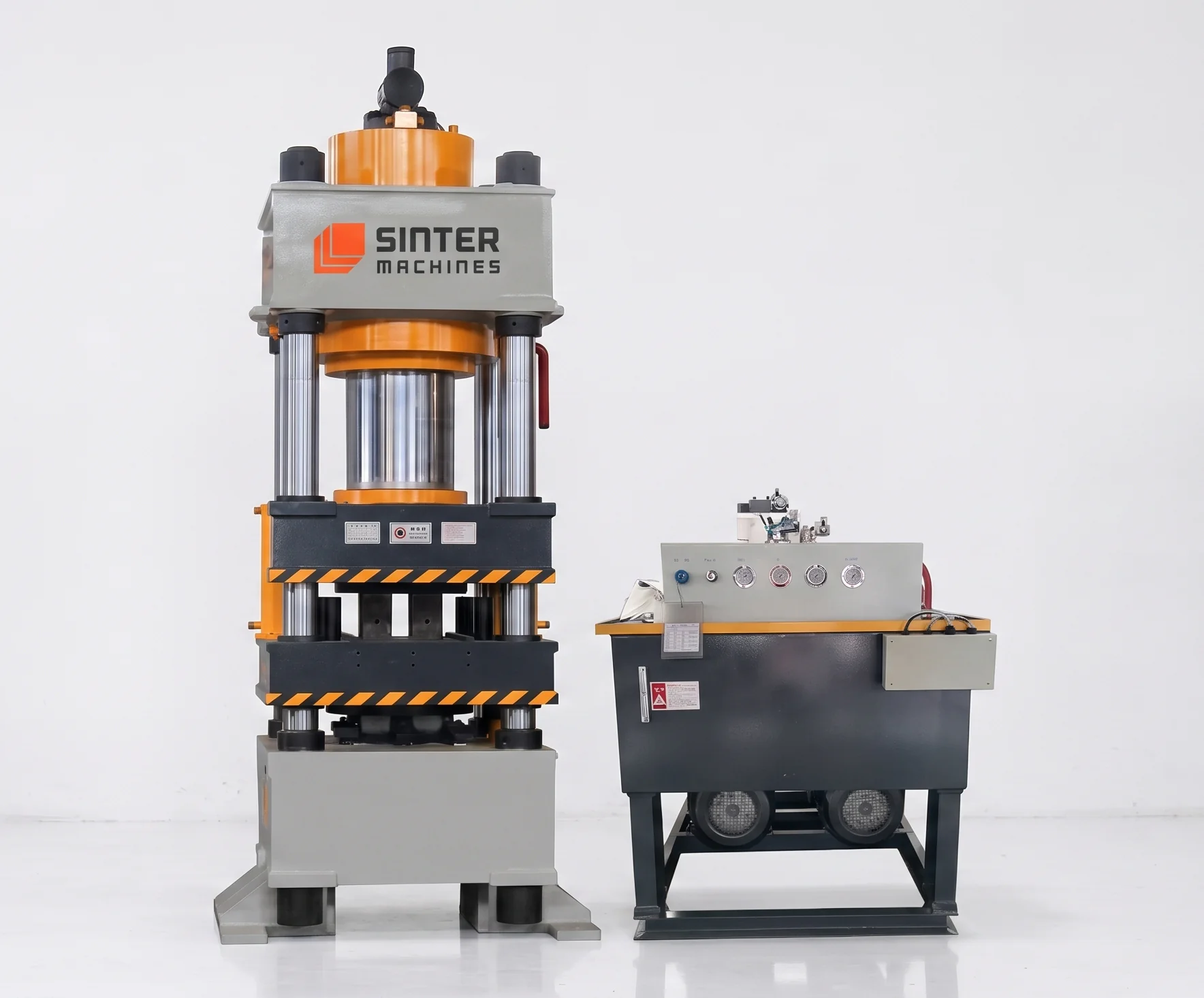
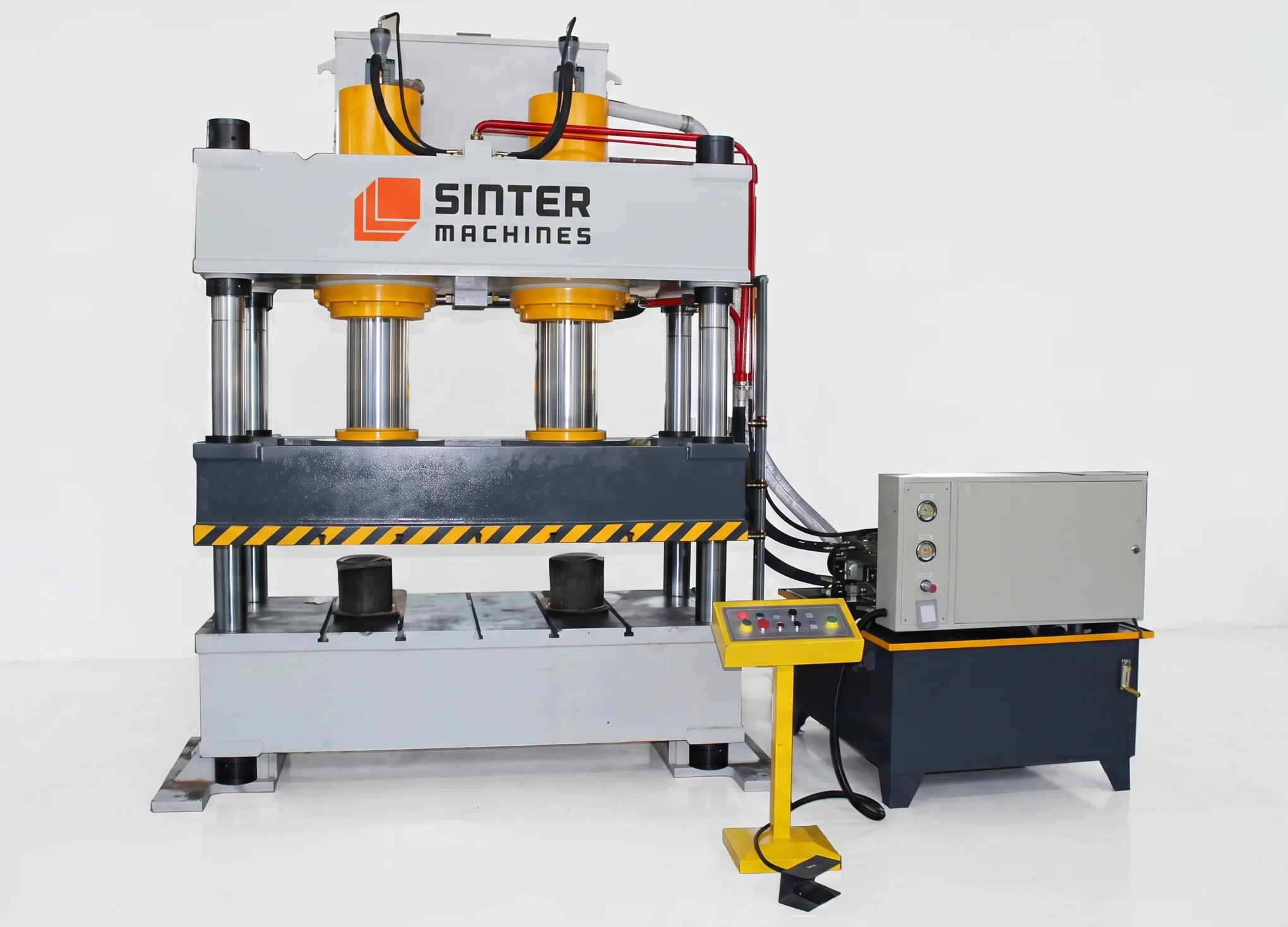
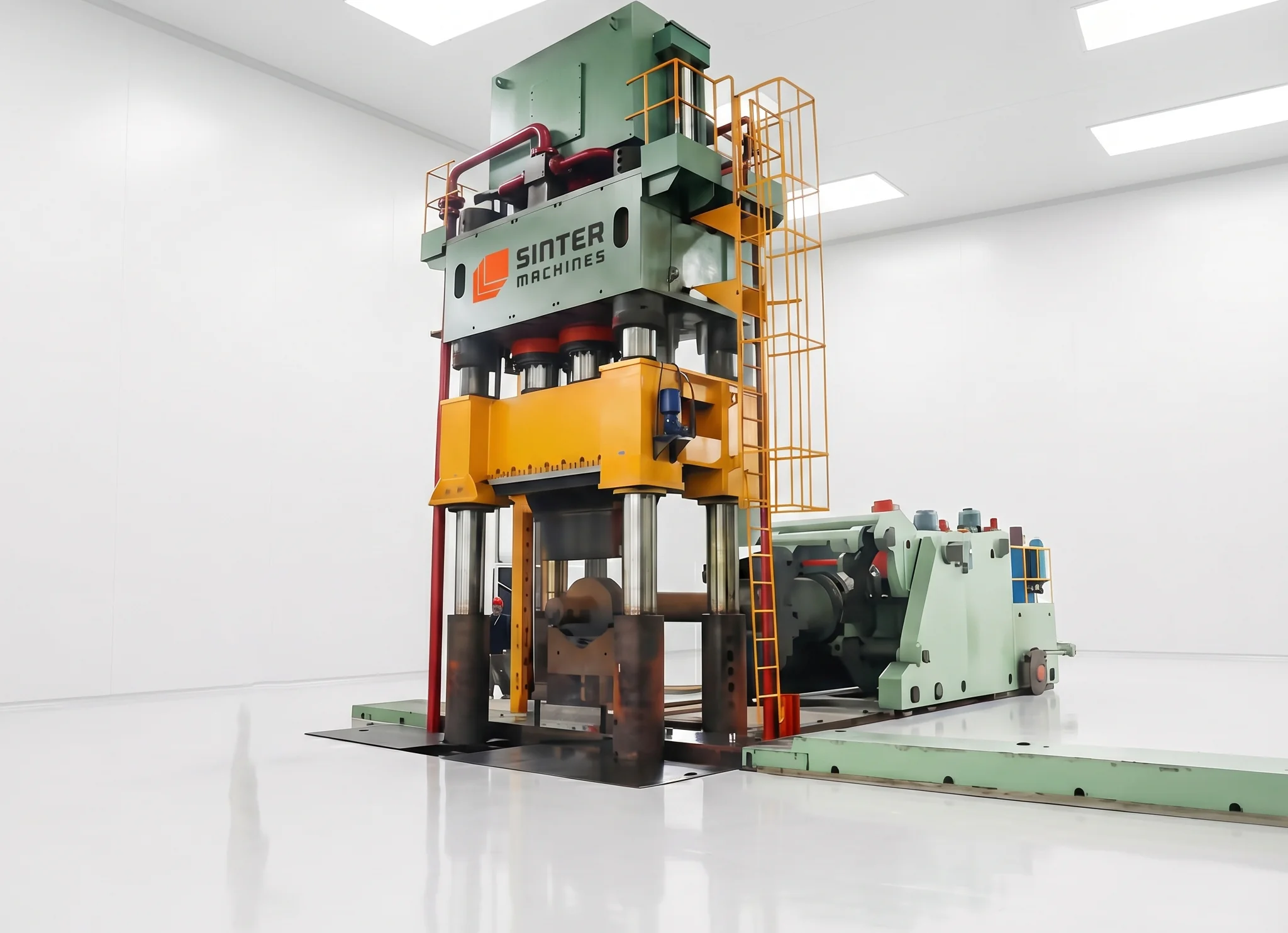
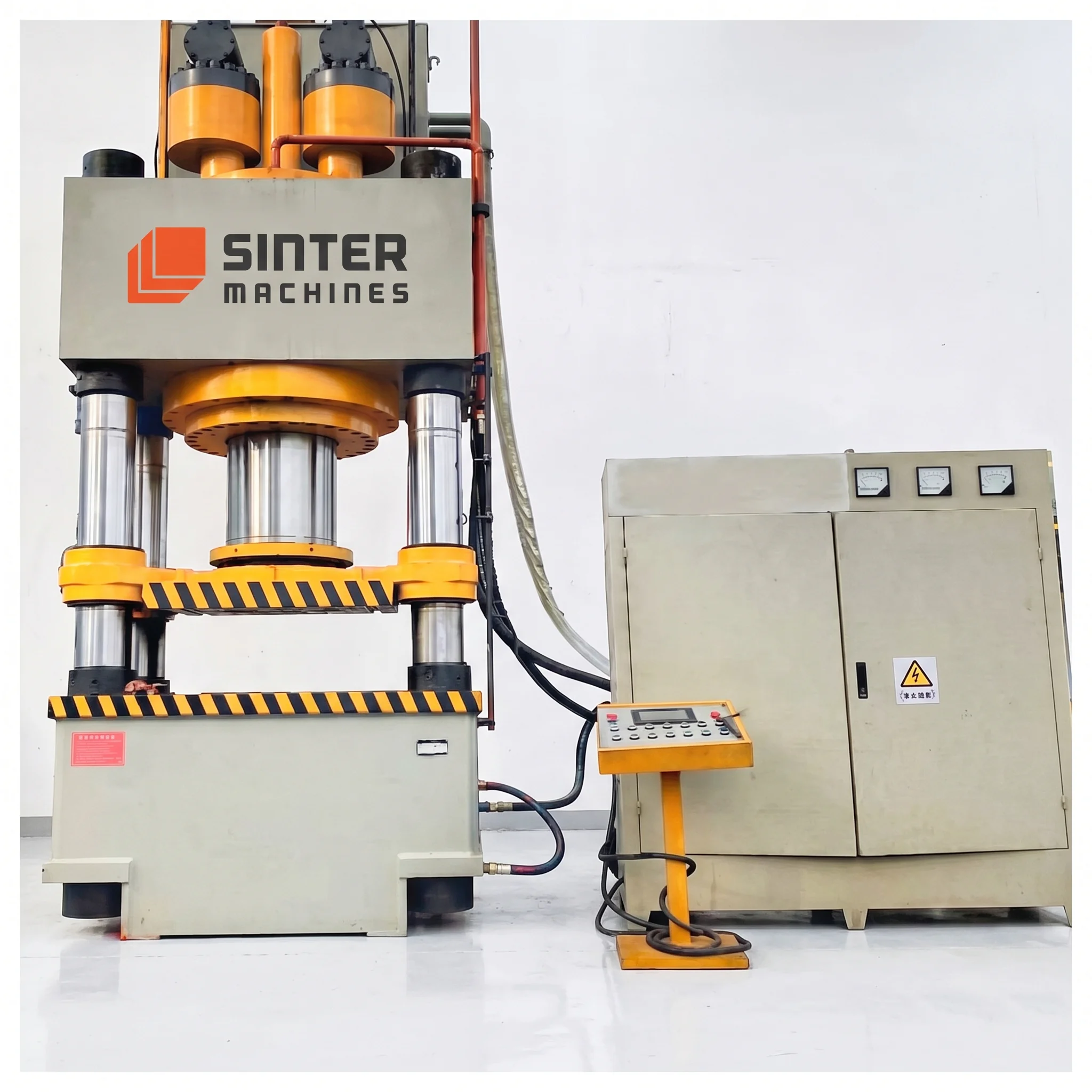
1600T Power plant turbine shafts Press press view 1
Power Plant Turbine Shafts · Hydraulic Press Machine

1600T Four Column Hydraulic Press for Hot Forging Power Plant Turbine Shafts

1600T Rated Capacity
180 mm/s Slider Down Speed
6–14 mm/s Slider Pressing Speed
200 mm/s Slider Return Speed

01 — Press System

1600T Four Column Hydraulic Press Machine

The 1600-ton four-pillar hydraulic press provides a heavy-duty industrial forming platform engineered specifically to process large, high-integrity energy sector components. This robust machine configuration incorporates world-class manufacturing practices to support leading global OEMs, energy contractors, and heavy-forging suppliers.

Use Case

Power plant turbine shafts and deep-well drilling tools demand extreme structural homogeneity to withstand relentless rotational torque and high thermal stresses. This specialized hydraulic press delivers the sustained, controlled compression force necessary to displace thick alloy steel sections without creating micro-cracks or internal voids.

Core Applications

  • Heavy-duty open-die and closed-die hot forging of massive power generation and distribution components
  • Precision upsetting, draw-out elongation, and radial cross-section shifting of thick steel bars
  • High-tonnage preform blanking, mechanical piercing, and high-density consolidation of large alloy steel ingots

Material

  • Premium chromium-molybdenum-vanadium rotor steels and heat-resistant low-alloy structural steels
  • High-strength martensitic stainless steels and specialized nickel-based superalloys for extreme heat zones
  • Advanced high-yield corrosion-resistant alloys engineered to meet specific API and ASME engineering rules

Typical Products Processed

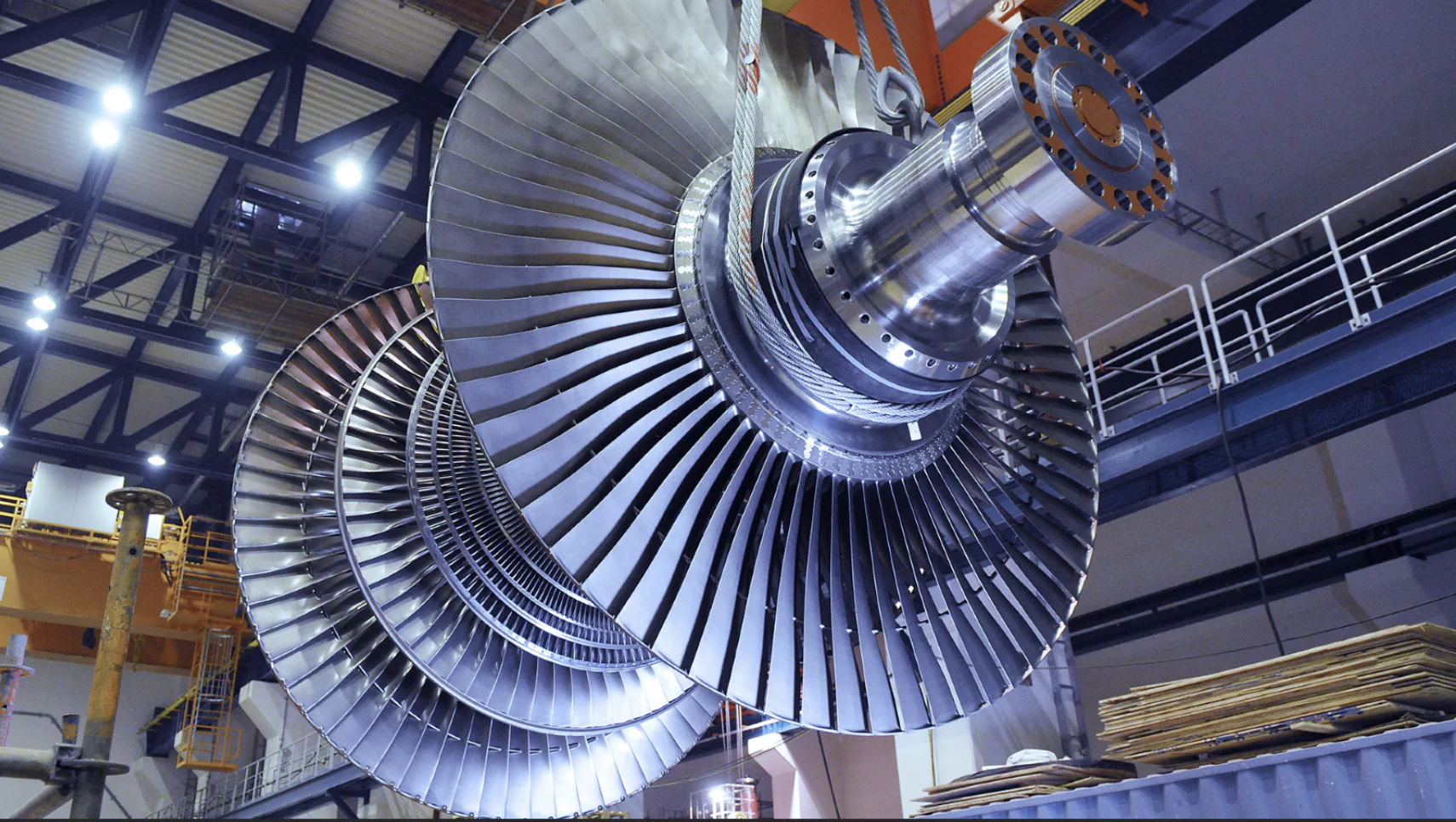
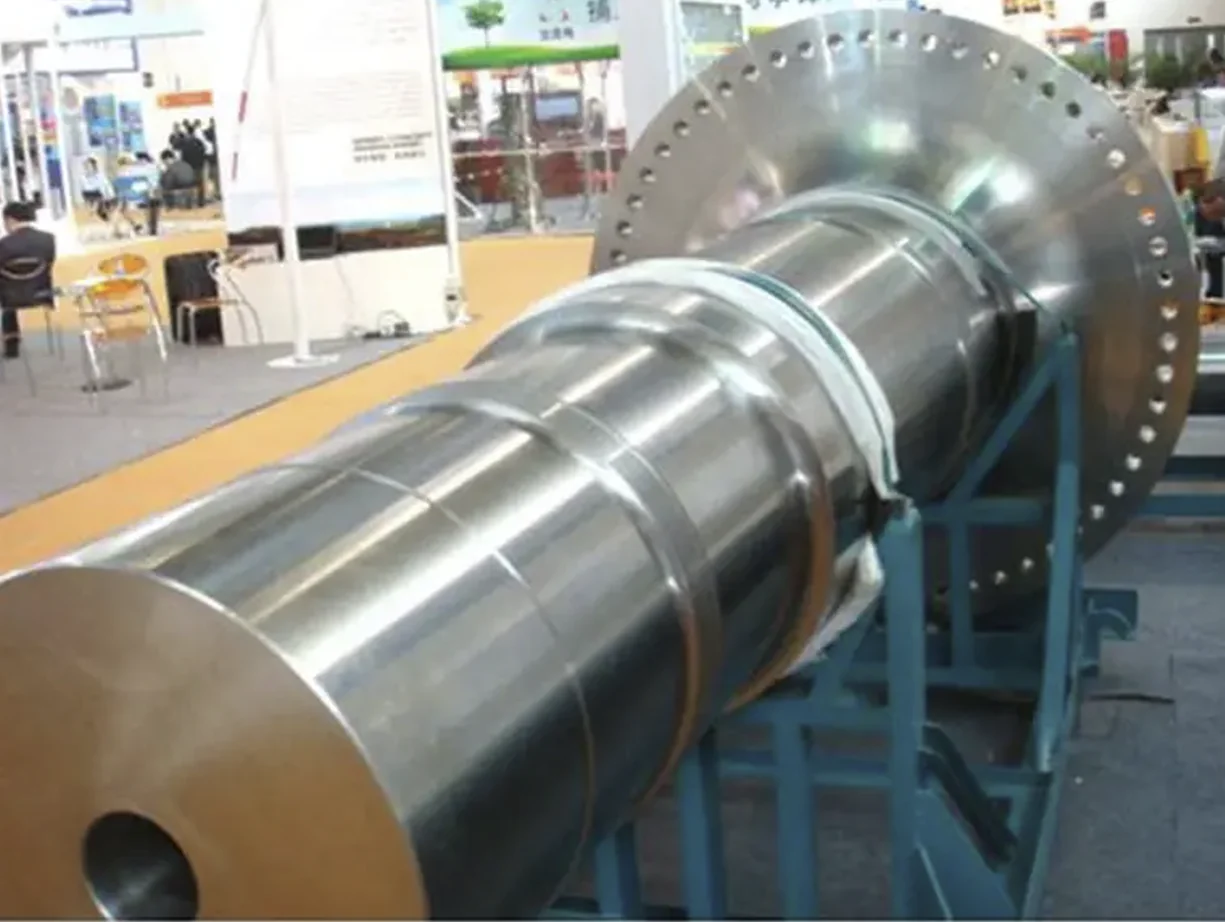
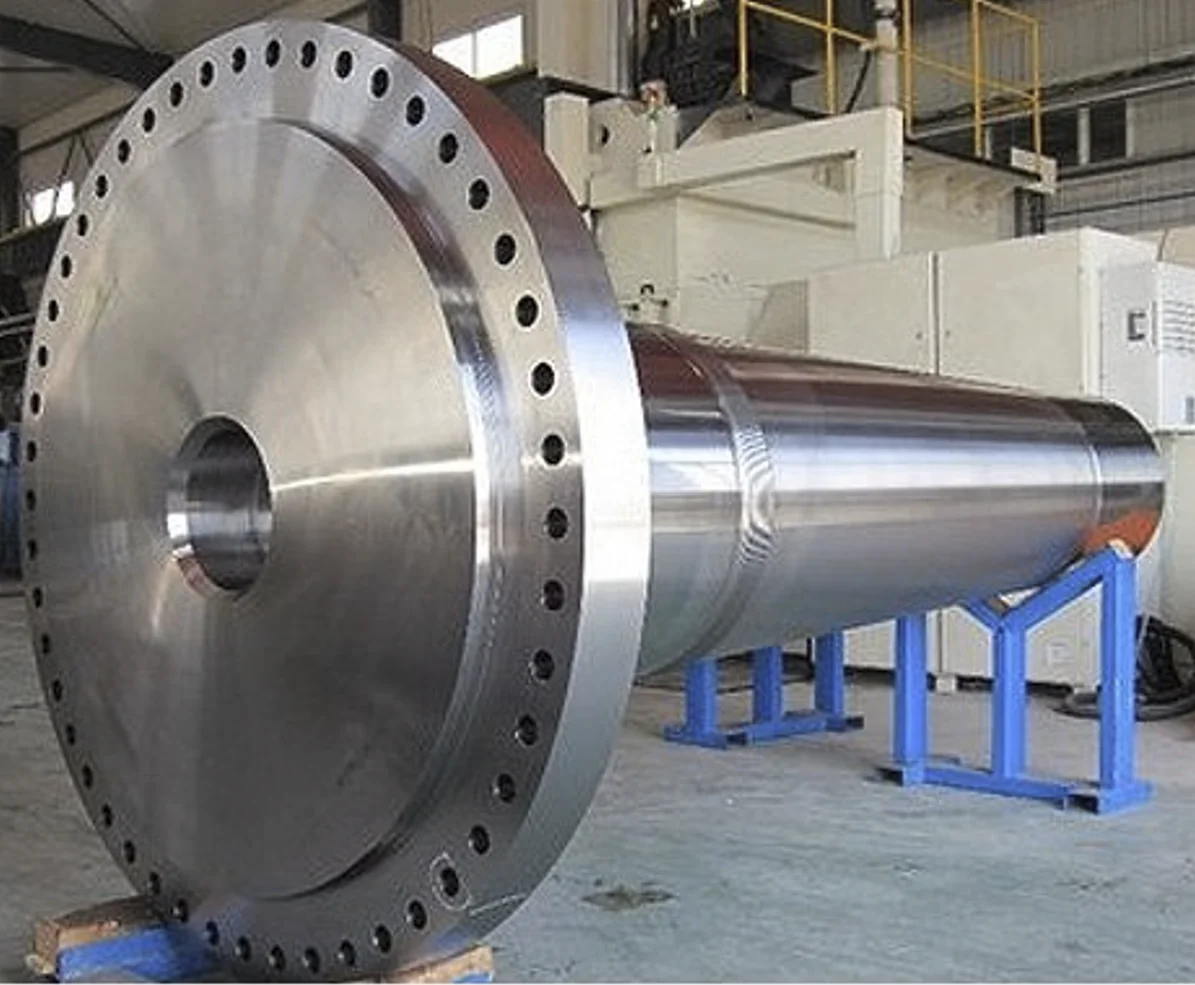
  • Steam and gas turbine rotor shafts, industrial generator shafts, and hydro-turbine runner columns
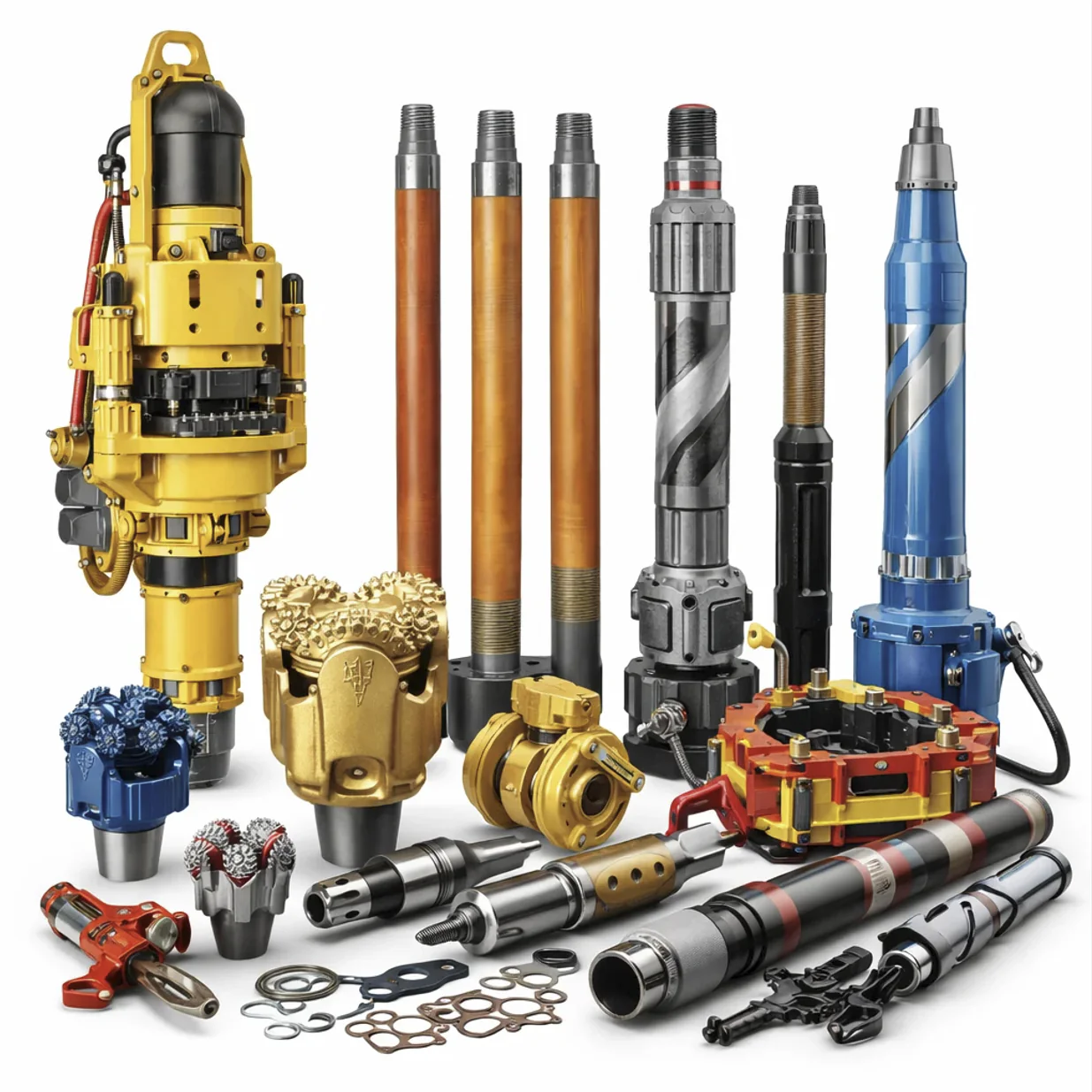
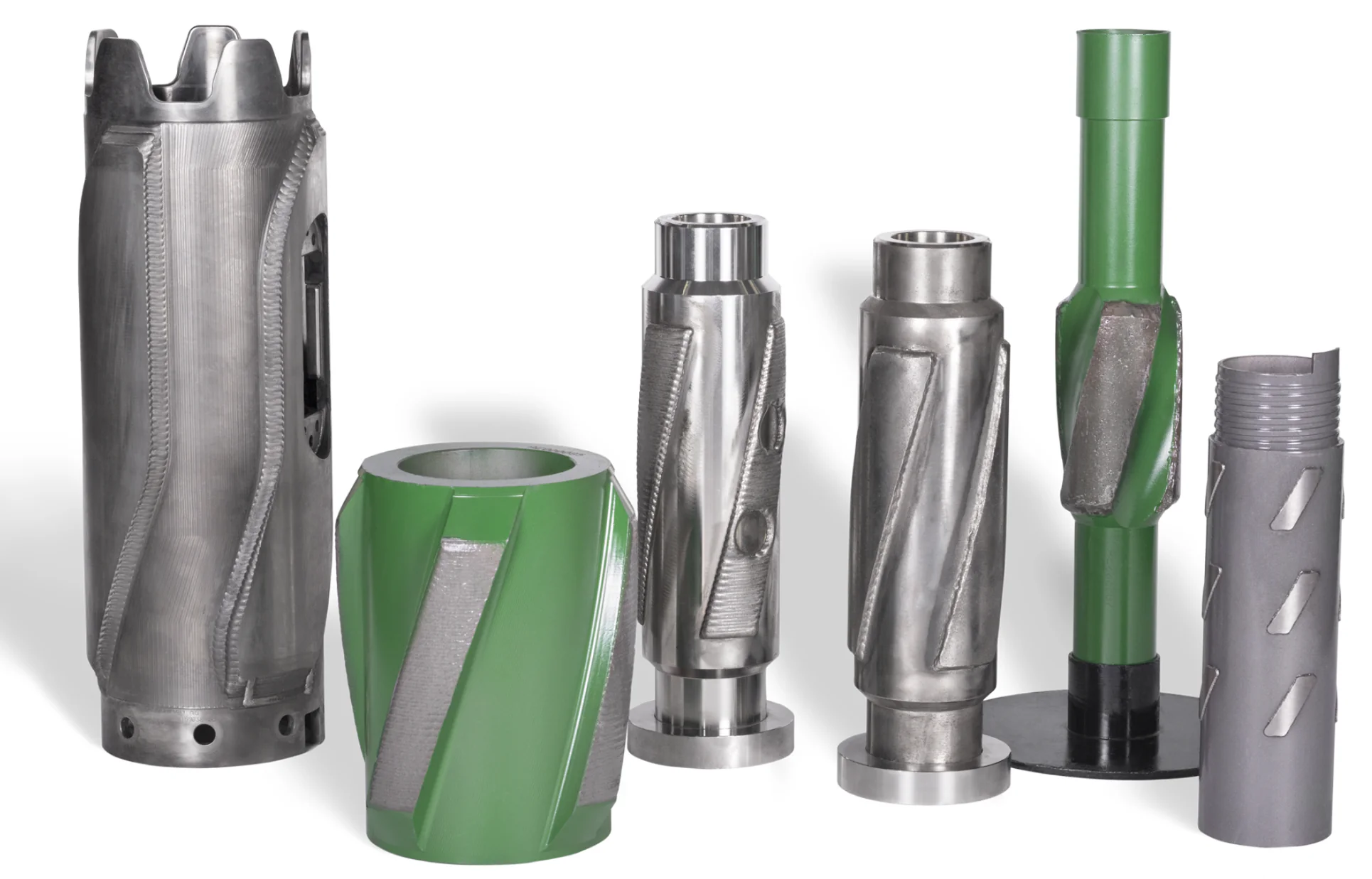
  • High-pressure oil and gas drilling tools, heavy-duty drill collars, and large-diameter drive mandrels
  • Industrial pump shafts, large-scale valve bodies, and high-stress structural fittings for nuclear loops

Key Functions

  • Multi-stage programmable squeezing profile control to manage material displacement speeds dynamically
  • Integrated long-stroke high-tonnage hydraulic knockout assembly for safe and immediate part extraction
  • Real-time automated process data collection loops to simplify compliance verification for quality audits

Why 1600 Ton Hydraulic Press?

  • Provides the massive sustained squeezing force needed to thoroughly refine the center of heavy, thick-section billets
  • Heavy-duty four-pillar guiding assembly completely absorbs off-center bending stresses during progressive forging steps

02 — Technical Specifications

SM 1600 HP – HYDRAULIC PRESS MACHINE COMPLETE TECHNICAL DATA

The SM 1600 HP hydraulic press delivers massive compression capacities and precise velocity control specifically configured for heavy-section power generation forgings. Its rigid guiding framework and high-volume fluid power architecture ensure uniform grain structure across thick steel sections and high volumetric part consistency.

Capacity

  • Maximum continuous hot forging compression force capacity of 16000 kN
  • Dedicated heavy duty bottom ejector stripping force capacity of 1500 kN

Structural Design

  • High fatigue resistant pre stressed four column configuration built for heavy industrial production
  • Finite element analysis structural simulation frame designed to absorb intense thermal shocks

Frame Type

  • Precision aligned solid induction hardened pillar frame guide structure
  • Stress relieved heavy welded steel plate bolster and upper moving slide assembly

Hydraulic System

  • High output variable displacement axial piston pump fluid power assembly
  • Multi stage high capacity offline oil filtration loop with integrated oil coolers

Main Ram Stroke

  • Maximum vertical slide forming travel distance capability of 1200 mm
  • Electronic stroke length limitation positioning resolution accurate within 0.02 mm

Working Hydraulic Pressure

  • Maximum continuous operating main hydraulic system fluid pressure of 315 bar
  • Peak shock safety valve pressure relief calibration threshold limit of 350 bar

Daylight Gap

  • Maximum open vertical daylight window working clearance of 2200 mm
  • Minimum closed shut die height tool workspace space of 800 mm

Approach Speed

  • Accelerated downward advance slide rapid travel speed of 240 mm/Sec
  • Controlled high temperature tool engagement deceleration velocity of 10 mm/Sec

Pressing / Drawing Speed

  • Dynamic high pressure hot forging compression speed of 1 to 18 mm/Sec
  • Maximum resistance continuous metal displacement squeezing velocity of 25 mm/Sec

Return Speed

  • High speed upward ram extraction retraction travel speed of 200 mm/Sec
  • Ultra fast automated hydraulic pre return system decompression cycle timing

Bed / Platen Size Platen

  • Total clear bolster bed width left to right of 2000 mm
  • Total clear bolster bed depth front to back of 1600 mm

Columns

  • Ultra high tensile forged alloy steel pillar diameter of 360 mm
  • Heavy duty heat resistant bronze guide bushings with automatic grease lubrication

Working Envelope

  • Total horizontal internal clear workspace area of 2000 by 1600 mm
  • Maximum permissible upper die tool assembly mass weight of 15000 kg

Control System

  • Industrial programmable logic controller linked with a graphical touchscreen station
  • Dual redundant non contact linear transducer position tracking systems accurate within 0.01 mm

Main Motor Power

  • High efficiency primary hydraulic pump electric drive motor power of 200 kW
  • Dedicated auxiliary cooling and continuous oil filtration motor power of 30 kW

Valves & Hydraulics

  • High dynamic response proportional servo flow control cartridge manifold block
  • Integrated fast acting overhead gravity pre fill oil valve unit assembly

Automation

  • Digital interface connection ports for synchronized industrial robotic billet handling manipulators
  • High temperature hydraulic quick action die clamping system connecting lines

Safety Features

  • Heat shielded front and rear dual channel infrared light curtain barriers
  • Automated heavy duty dual fail safe mechanical anti drop ram safety locking blocks

SM 1600 HP — Model Specifications

  • Nominal Force: 16000 KN
  • Maximum Hydraulic Pressure: 25 MPa
  • Max Opening Height of the Slider: 1500 mm
  • Max Stroke of the Slider: 900 mm
  • Effective Bed Size: 1600 × 1600 mm
  • Slider Down Speed: 180 mm/s
  • Slider Pressing Speed: 6–14 mm/s
  • Slider Return Speed: 200 mm/s
  • Ejector Cylinder Nominal Force: 800 KN
  • Stroke of the Ejection Cylinder: 300 mm
Production Case Study

Hot Forging Power Plant Turbine Shafts Production Line

250 to 600 mmBillet
Thick900–1250 °C Temperature Range
90–180 Se cCycle time
10–30 PartsOutput/Hour
Internal homogeneity achieved
Directional grain aligned
Fatigue resistance maximized
Surface defects eliminated
Dimensional accuracy ensured
Material waste minimized
Quality standards maintained
03 — Die / Mold System

Precision Hot Forging Power Plant Turbine Shafts Die Mold Engineering

This precision tooling system integrates high-durability hot-work die block configurations designed to handle extreme vertical pressures and intense thermal cycles during turbine shaft processing. The rugged structural architecture prevents mechanical fracturing and thermal cracking when forming heavy, dense alloy steel sections.

Technical Specifications (Tooling)

Die Type

  • Heavy duty multi stage open and semi closed hot forging die assembly featuring specialized radial upsetting profiles
  • Thermal shock resistant industrial tooling layout engineered specifically for massive power generation components

Die Materials

  • Premium vacuum arc remelted chrome molybdenum vanadium hot work steel offering extreme thermal fatigue resistance
  • High density cobalt tungsten matrix hardfacing alloys deposited at high wear tool contact radius zones

Tool Configuration & Construction

  • Modular split block insert container system engineered to reduce localized internal thermal stresses
  • Pre stressed heavy tool steel base holder layout optimized for secure heavy crane mounting operations

Key Tooling Features

  • Integrated internal deep cooling channels designed to regulate core tooling temperatures during extended cycles
  • High capacity mechanical locking wedges built to secure massive dies under continuous high tonnage impacts

Alignment Accuracy

  • Upper and lower die half vertical offset deviation held strictly below a limit of 0.300 mm
  • Precision guide assembly parallel guiding concentricity tolerance restricted within a variance of 0.040 mm

Process Materials

  • High strength chromium molybdenum vanadium rotor steels martensitic stainless steels and dense low alloy blocks
  • Premium heavy engineering structural forging metals matching international energy sector component standards

Surface Finish

  • Active molding cavity forming faces precision ground and polished down to Ra 1.60 microns
  • Advanced high temperature gas nitrided wear protective surface layer applied to a depth of 0.400 mm

Tool Life

  • Expected production span of 1500 cycles before requiring mandatory cavity reconditioning procedures
  • Total structural tooling lifespan capacity reaching 12000 production cycles before complete replacement
Case Study (Die Performance)

Precision Hot Forging Power Plant Turbine Shafts Die Mold

Cr-Mo-VDie Material
44-48 HRCHardness
Vacuum Oil QuenchingHeat Treatment
Center cracking eliminated completely
Thermal fatigue minimized significantly
Cavity wear resisted fully
Microstructural stability maintained perfectly
Dimensional deviation prevented totally
Tooling life extended substantially
Component scrap rates minimized

04 — Product Application

Where Precision Hot Forging Power Plant Turbine Shafts Are Used

Precision hot forged power plant turbine shafts serve as high-integrity mechanical foundations engineered to operate under severe rotational torque and thermal loads within the global energy grid. These dense, macro-structural forgings provide absolute reliability under continuous operational fatigue, preventing catastrophic failures in heavy-duty electricity generation and primary power distribution systems.

Industry Applications

These large-scale power sector forgings are critical across the thermal power generation, utility-scale hydroelectric infrastructure, nuclear energy production, and high-pressure oil and gas exploration industries. Their exceptional torsional strength, certified metallurgy, and reliable structural homogeneity allow plant engineering teams to optimize generator performance, lower long-term vibration profiles, and ensure decades of continuous operational service.

Thermal and Gas Turbine Power Generation Stations

Forged rotor shafts serve as the primary spinning cores inside high-capacity thermal gas and utility-scale steam turbines. Their continuous, defect-free grain flow resists severe centrifugal deformation and high-temperature creep during uninterrupted baseload electrical grid supply operations.

Hydroelectric Power Plant Generation Facilities

Heavy-duty vertical and horizontal runner shafts connect massive water turbines directly to electrical power generators. The deep core material consolidation achieved during forging prevents fatigue cracking caused by constant hydrodynamic impacts and high torsional stresses.

Nuclear Power Plant Propulsion and Core Generation Systems

Ultra-pure alloy steel main shaft components drive the high-pressure cooling pumps and steam turbine loops within nuclear generation blocks. These critical shafts satisfy strict international nuclear safety codes, guaranteeing flawless structural homogeneity and zero risk of internal structural separation.

Upstream Oil, Gas, and Geothermal Energy Extraction Infrastructure

High-yield strength drive mandrels, heavy drill collars, and downhole motor shafts operate inside deep-well drilling configurations. The high fracture toughness of the forged metal structure resists sudden shock loads and severe torsional friction in corrosive subterranean environments.

Finished Product Gallery

05 — Key Advantages

Why Choose the 1600-Ton Sinter Hydraulic Press

The 1600-Ton Sinter Hydraulic Press provides the sustained, high-tonnage compression and micro-precise velocity control needed to thoroughly refine heavy-section alloy steel ingots. Its exceptionally rigid four-pillar frame ensures uniform core consolidation and strict concentricity, meeting the stringent metallurgical standards required for international power generation equipment.

Technical & Commercial Benefits

01

Deep Internal Core Compression for Flawless Metallurgical Homogeneity

The robust hydraulic system delivers powerful, sustained squeezing forces that penetrate directly into the center of thick-section shafts. Thoroughly closing internal voids and structural porosity eliminates the risk of hidden defects, ensuring full compliance with ASME and API safety codes.

02

Ultra-Precise Velocity Profiling to Prevent Internal Micro-Cracking

Proportional cartridge manifolds regulate the downward slide speed down to individual millimeters per second during active material deformation. Controlled metal displacement manages internal shear stresses inside sensitive rotor steels, preventing thermal cracking and ensuring uniform grain flow.

03

Heavy Pre-Stressed Four-Column Guidance Restricting Platen Deflection

The highly rigid structural framework effectively absorbs massive off-center loads generated during progressive open-die drawing and upsetting steps. Maintaining strict parallelism prevents uneven tool wear, protects expensive chrome-molybdenum-vanadium dies, and ensures absolute shaft straightness.

04

Extended Vertical Daylight and Long Stroke Capability for Massive Ingots

The large vertical working envelope easily accommodates tall tool configurations, auxiliary die sets, and heavy-diameter alloy forging blanks. This geometric flexibility allows production teams to complete complex, multi-stage forging sequences within a single, optimized thermal heating cycle.

05

Real-Time Digital Process Data Logging for Complete Production Traceability

The advanced control network continuously monitors and records exact tonnage curves, stroke positions, and cycle speeds for every manufactured shaft. Generating this comprehensive data buffer simplifies quality audits, giving energy OEMs and tier-one contractors verified material compliance.

06

Near-Net-Shape Forming Accuracy Minimizing Raw Stock Machining Overhead

Dual redundant non-contact linear transducers control the final vertical slide positioning within small fractions of a millimeter. Forging precise outer cross-sections straight from the press bed saves tons of premium alloy steel and dramatically cuts down rough lathe machining hours.