01 — Press System
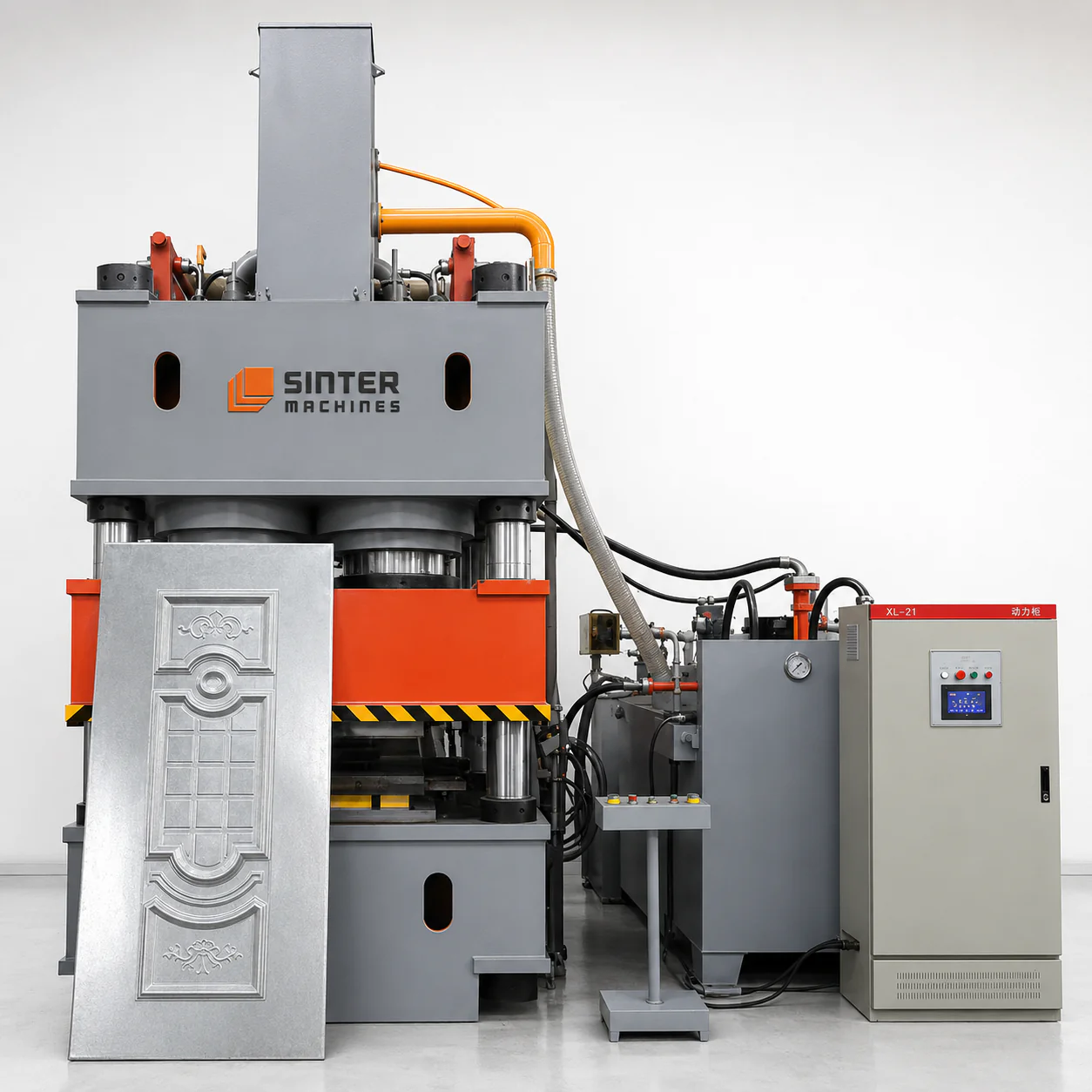
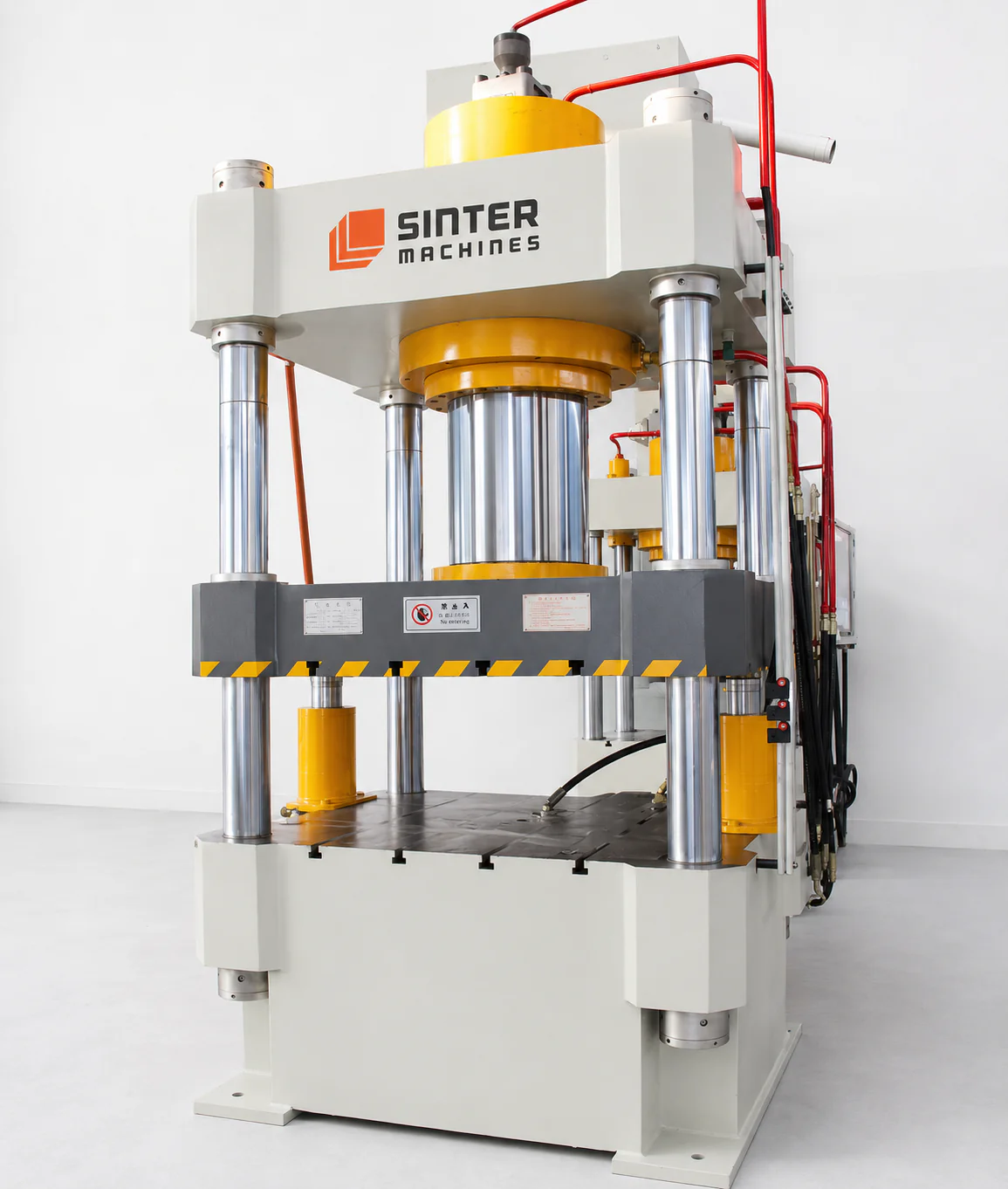
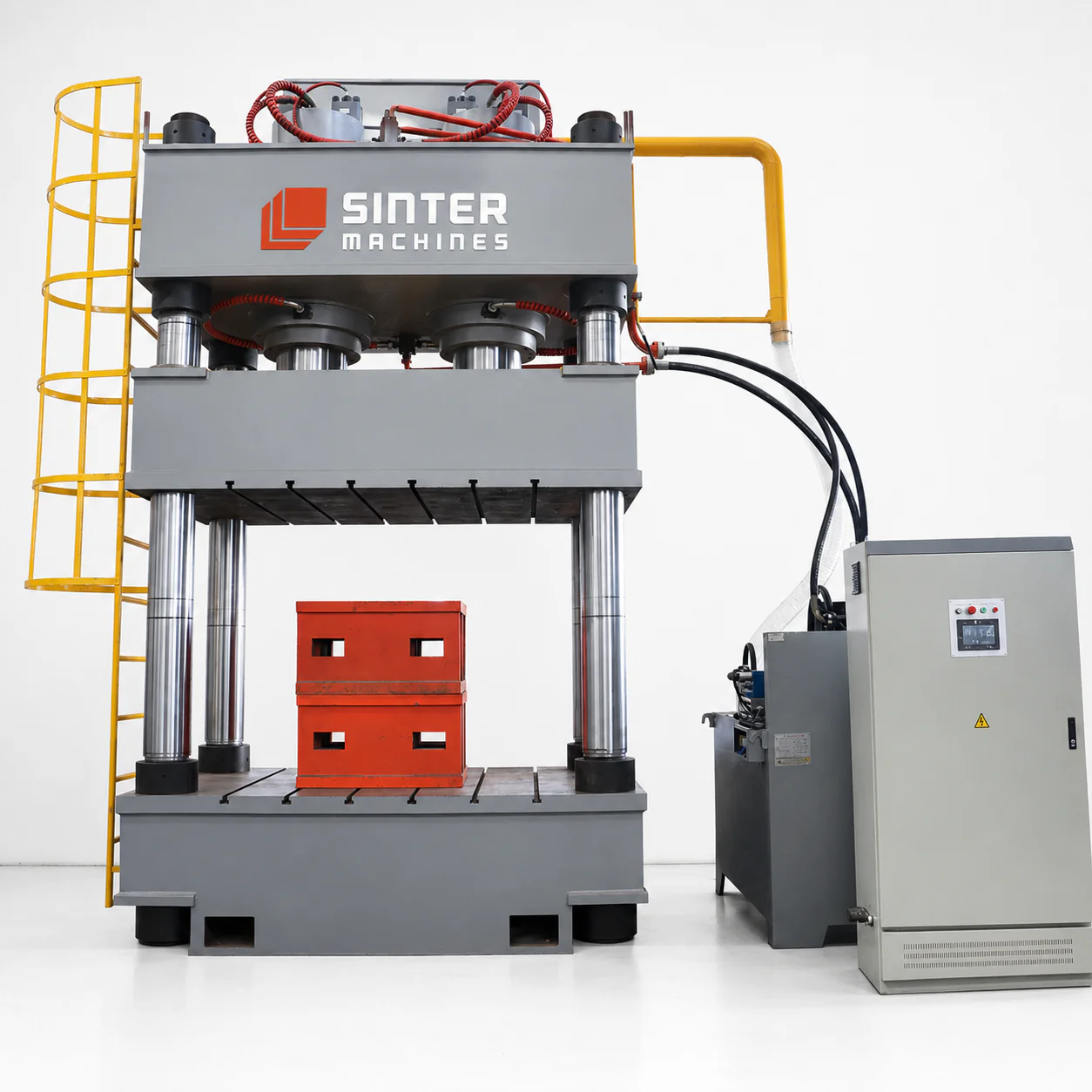
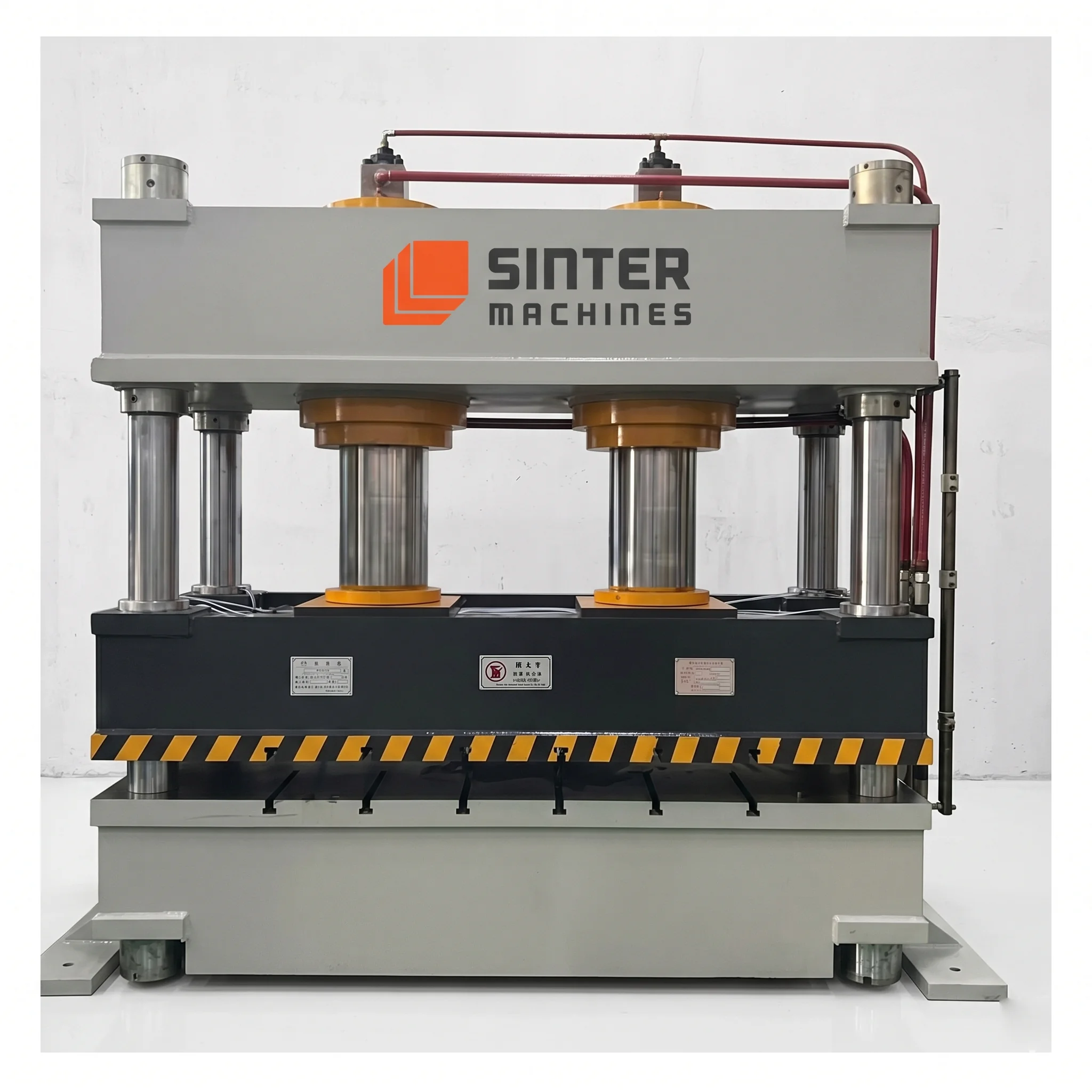
2000T Four Column Hydraulic Press Machine
The 2000T Four Column Hydraulic Hot Press produces high-strength FRP doors with a premium decorative finish and heavy structural panels. Its integrated cooling system enables fast cycle times, minimal warpage, and highly cost-effective mass production.
Use Case
The 2000-Ton Four-Pillar Hydraulic Hot Press is engineered for large-scale, high-pressure thermoset composite molding of solid and sandwich FRP door structures. It applies ultra-high clamping force to ensure void-free curing, smooth surfaces, and uniform fiber consolidation across large panels.
- Core Applications: Solid and sandwich structure FRP doors, heavy FRP panels, industrial enclosures, and heavy-duty composite construction elements
- Material: Glass fiber reinforced plastic containing woven roving, continuous mats, polyester resin, vinyl ester resin, calcium carbonate filler, alumina trihydrate, UV stabilizers, UL94 V0 fire retardants, antibacterial additives, and anti-corrosion agents
- Products Processed: Large-format FRP doors measuring up to 2100 mm by 900 mm, heavy composite enclosure panels, and cable bridge covers cured within 180 seconds to 300 seconds
- Why 2000 Ton Hydraulic Press: Delivers massive clamping tonnage and uniform high pressure across wide surface areas to eliminate voids, prevent panel warpage, and enable production speeds reaching 12 doors to 18 doors per hour
02 — Technical Specifications
SM 2000 HP – HYDRAULIC PRESS MACHINE COMPLETE TECHNICAL DATA
SM 2000 HP – Hydraulic Press Machine delivers ultra-heavy-duty performance with complete technical precision for FRP door manufacturing. It ensures uniform curing, high structural strength, and consistent quality for large-format composite products.
Capacity & Structural Design
- Rated Capacity: 2000 Tons (≈ 1,960 kN)
- Type: Fourpillar hydraulic hot press
- Frame: Ultra-heavy welded + stress-relieved structure
- Safety factor: ≥ 1.40
- Elastic deflection: ≤ 0.10–0.12 mm
Hydraulic System
- Main cylinder: Doubleacting heavy-duty
- Bore: 700–900 mm
- Stroke: 1000–1500 mm
- Working pressure: 30–32 MPa
- Control: Servo-proportional hydraulic control
Compression Cycle
- Rapid mold closing
- Precompression (fiber settling)
- High-pressure compression
- Thermoset curing (heat + dwell)
- Dwell time for cross-linking
- Controlled decompression
- Mold opening
Heated Platen System
- Heating method: Thermal oil circulation system
- Temperature range: 120–180°C
- Uniformity: ±2°C (high precision for door finish)
- Multi-zone heating
Working Envelope
- Platen size:
- Standard: 1800 × 1500 mm
- Large variant: 2200 × 1500 mm
- Daylight: 1800–2500 mm
- Column diameter: 250–350 mm
Control System
- PLC (Siemens / Mitsubishi)
- HMI with programmable recipes
- Real-time monitoring (pressure–temperature–time)
- Data logging (QA & export standards)
- Safety PLC with interlocks
SM 2000 HP — Model Specifications
- Nominal Force: 20000 KN
- Maximum Hydraulic Pressure: 25 MPa
- Max Opening Height of the Slider: 1500 mm
- Max Stroke of the Slider: 900 mm
- Effective Bed Size: 1400 × 1400 mm
- Slider Down Speed: 180 mm/s
- Slider Pressing Speed: 10–18 mm/s
- Slider Return Speed: 220 mm/s
- Ejector Cylinder Nominal Force: 900 KN
- Stroke of the Ejection Cylinder: 300 mm
03 — Die / Mold System
Precision FRP Doors Die Mold Engineering
Precision FRP Doors Die Mold Engineering ensures accurate panel shaping, uniform thickness, and detailed emboss patterns. It delivers consistent quality, high strength, and warp-free FRP doors for durable, large-format applications
Technical Specifications
Mold Type
- Heavy-duty compression mold (matched die system)
- Heated thermoset mold
Mold Materials
- Tool steel: H13 / CrMo / P20
- Hardness: 48–55 HRC
- Optional surface:
- Chrome plating
- Anti-stick coating
Mold Construction
- Upper mold: Decorative pattern (door) or rib geometry
- Lower mold: Base & structure
- Precision guide system: Alignment accuracy ±0.02 mm
- Ejection system: Hydraulic ejectors
Heating System
- Internal thermal oil channels
- Multi-zone heating
- Uniform heat distribution
Venting System
- Air escape grooves
- Resin vent channels
- Prevents:
- Blisters
- Voids
- Dry fiber zones
Surface Finish
Application | Surface |
FRP doors | Decorative wood grain / glossy finish |
Mold Life: 200,000 – 400,000 cycles
Precision FRP Doors Die Mold
04 — Product Application
Where FRP Doors Are Used
FRP doors are lightweight, highly durable, and waterproof door solutions engineered to resist severe environmental exposure, chemicals, and physical impacts across diverse sectors. They provide superior thermal insulation, zero maintenance requirements, and reliable long-term structural performance in demanding residential, commercial, and industrial settings.
Industry Applications
1. Residential and Commercial Buildings
Ideal for high-moisture interior areas such as bathrooms, kitchens, balconies, and coastal properties where wood or metal doors rot or corrode. They offer excellent aesthetic finishes while remaining completely waterproof, termite-proof, and easy to clean over long service lifetimes.
2. Healthcare and Pharmaceutical Facilities
Widely installed in hospitals, cleanrooms, laboratories, and surgical suites due to their smooth non-porous surfaces and seamless construction. They prevent bacterial accumulation, withstand aggressive chemical disinfection routines, and meet stringent hygiene standards without degrading.
3. Industrial and Chemical Plants
Designed for severe industrial environments including chemical processing plants, wastewater treatment facilities, and manufacturing units. Their outstanding chemical resistance protects against acid fumes, high humidity, and harsh chemical exposure that rapidly destroys traditional door materials.
4. Public Infrastructure and Educational Institutions
Extensively used in public schools, universities, railway stations, airports, and sports complexes requiring heavy-duty performance. They endure continuous high-traffic usage, physical impact, and severe weather conditions without warping, cracking, or requiring frequent repainting.
| Industry | Scenario |
|---|---|
| Housing | FRP doors replacing wood |
| Industrial | Corrosion-resistant access doors |
| Infrastructure | Cable bridge systems |
| Coastal | Salt-resistant structures |
| Smart Cities | Sustainable composite solutions |
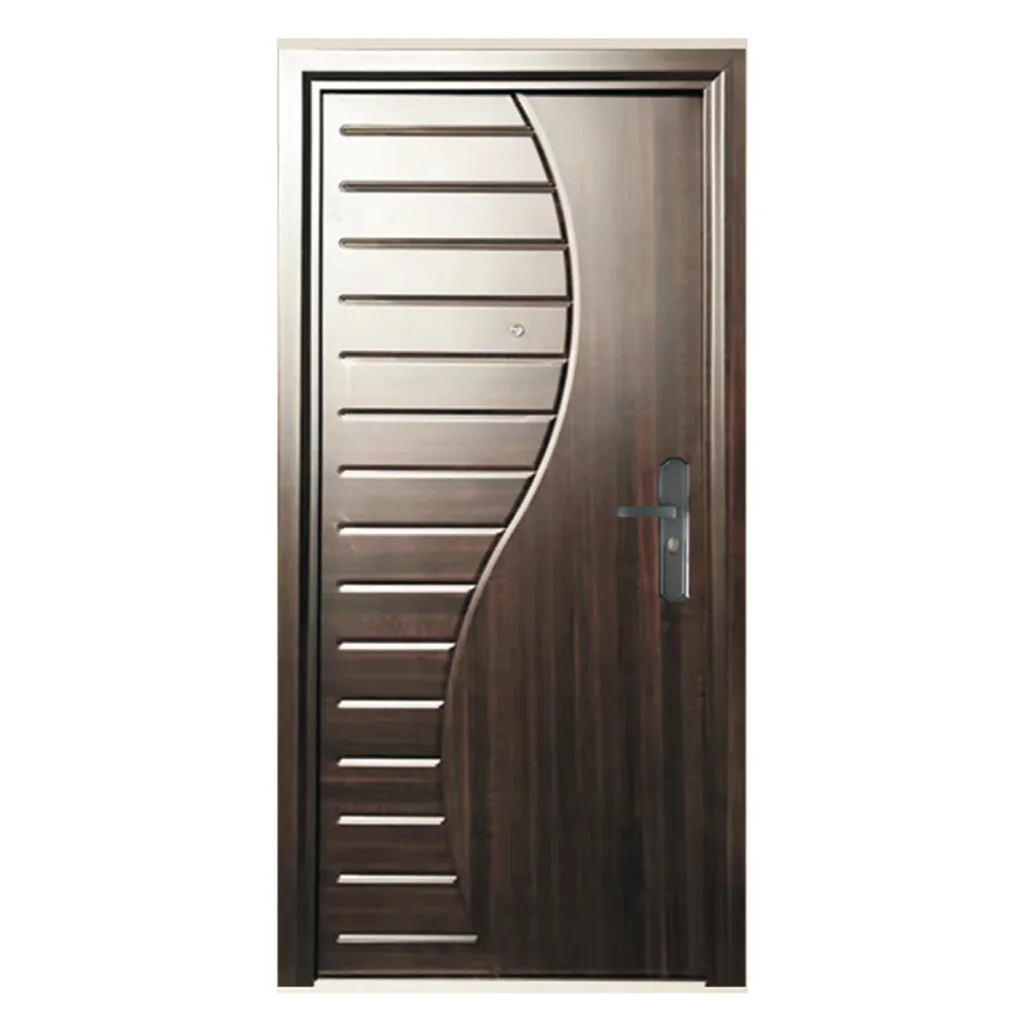
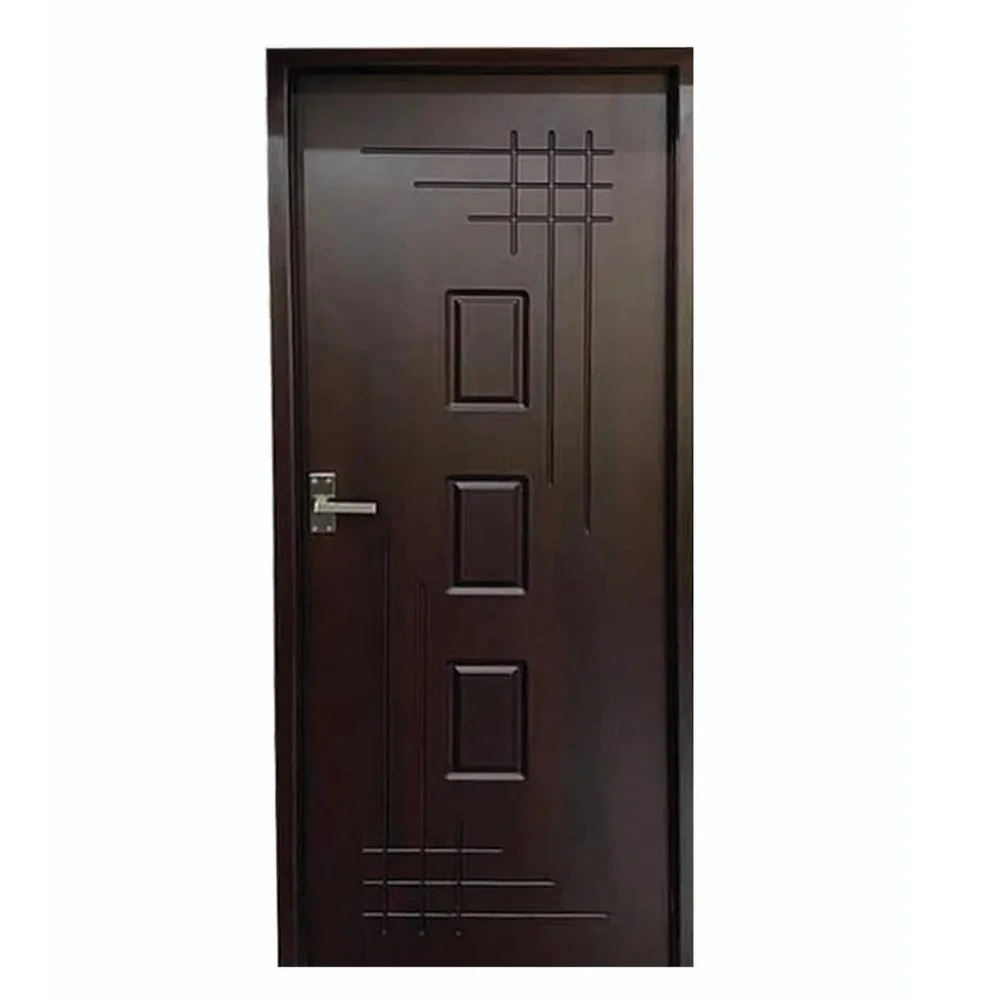
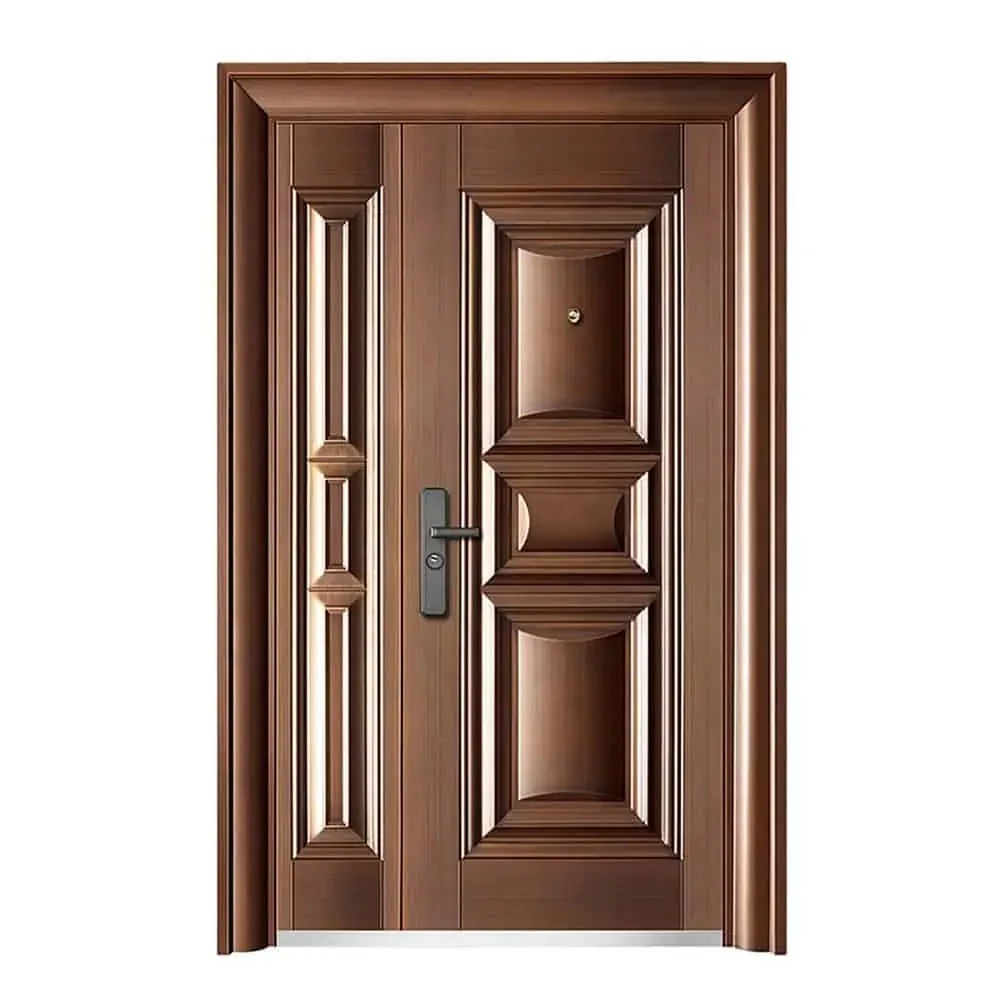
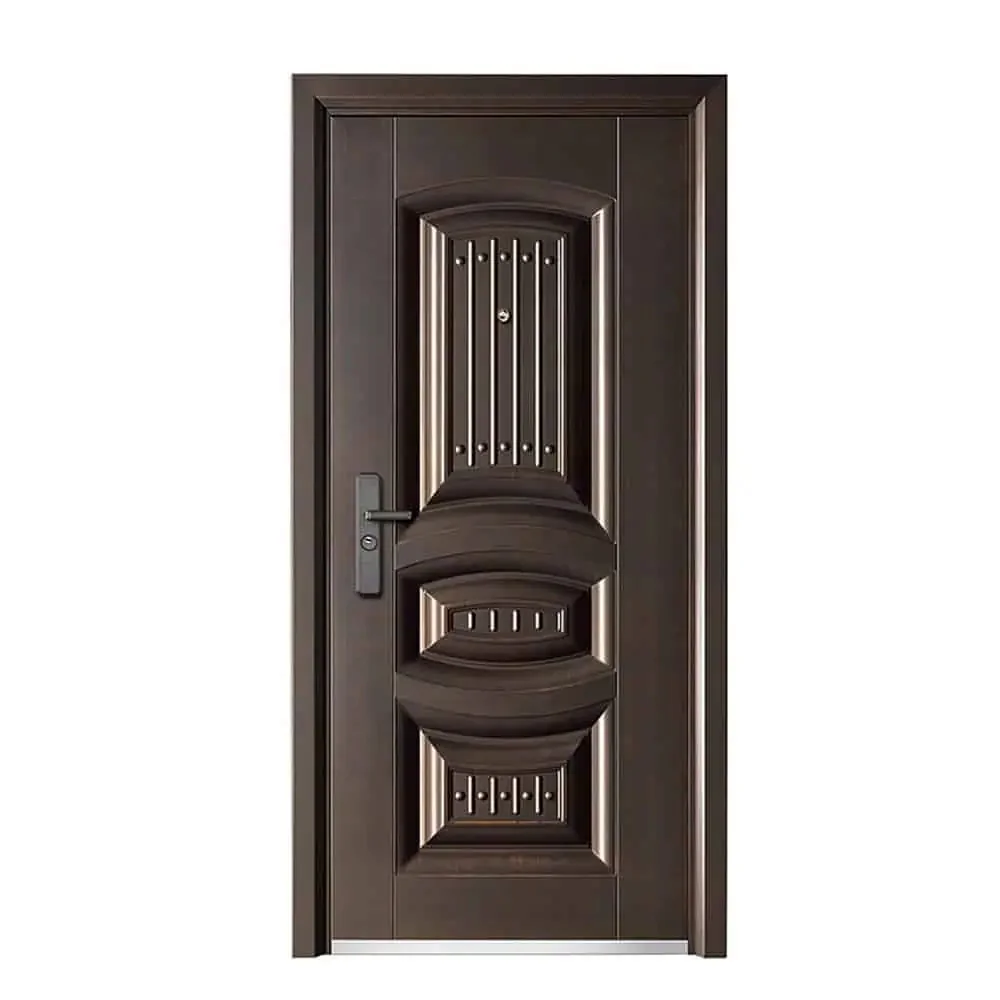
Finished Product Gallery
05 — Key Advantages
Why Choose the 2000-Ton Sinter Hydraulic Press
It delivers ultra-high pressure and uniform curing for large-format FRP doors with superior strength and precision. Designed for heavy-duty performance, it ensures warp-free, durable, and high-quality composite production.
Controlled curing cycle
Ensures precise control over heat and pressure throughout the curing cycle. It delivers uniform material properties, reduces defects, and enhances overall product strength and consistency.
Suitable for large parts
Designed to handle large-format FRP components with uniform pressure distribution. It ensures precise molding, structural stability, and consistent quality in oversized composite products.
Lightweight vs wood/steel
Produces FRP doors that are significantly lighter than traditional wood or steel. This enables easier handling, faster installation, and improved resistance to corrosion and moisture.
Corrosion-free
Produces FRP doors with excellent resistance to rust, moisture, and chemical exposure. This ensures long-lasting performance and minimal maintenance in harsh environments.
Fire retardant
Produces FRP doors with excellent fire-resistant properties. It enhances safety by reducing flame spread and improving performance in fire-prone environments.
High strength
Produces FRP doors with excellent structural strength and durability. It ensures robust performance, impact resistance, and long-lasting reliability in demanding applications.