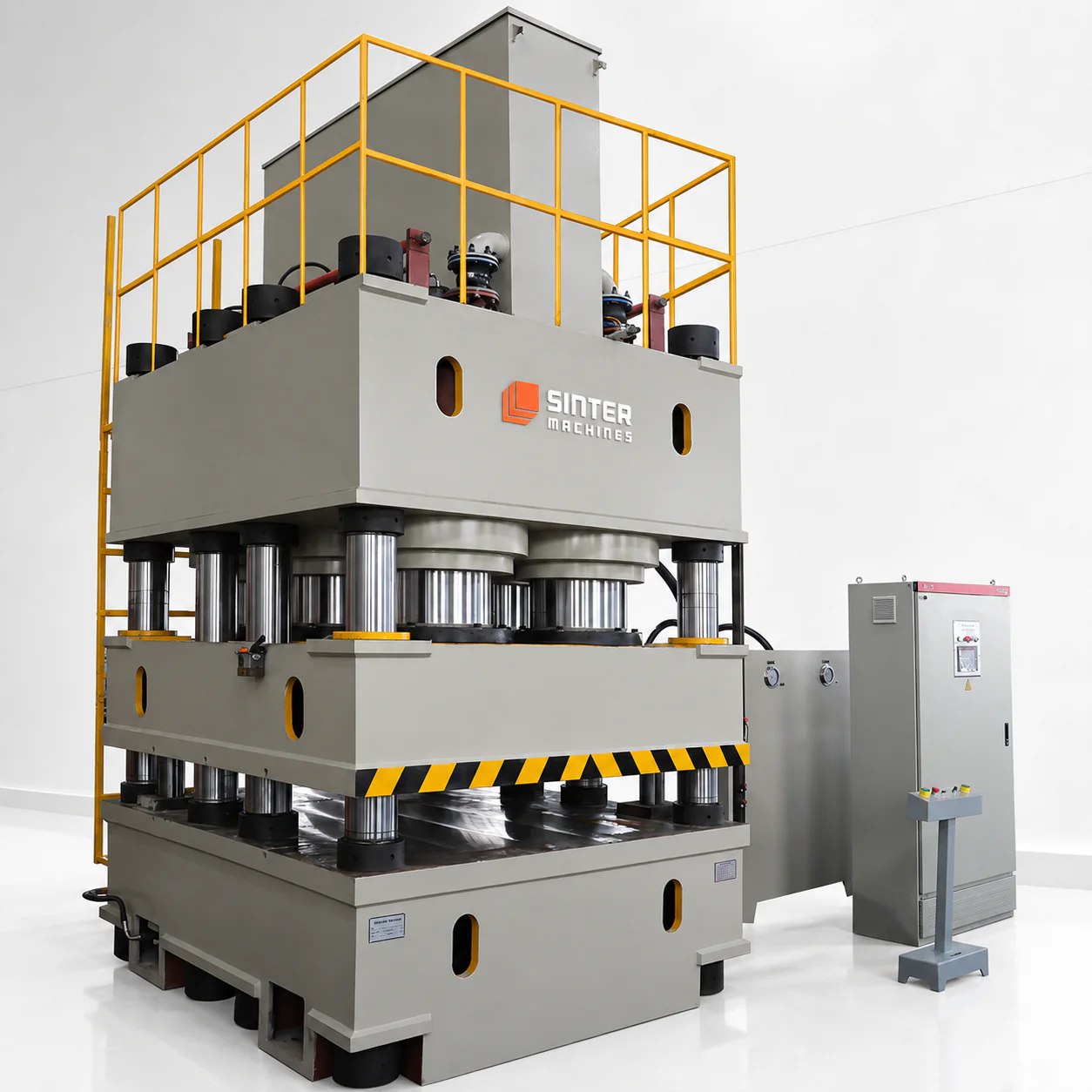
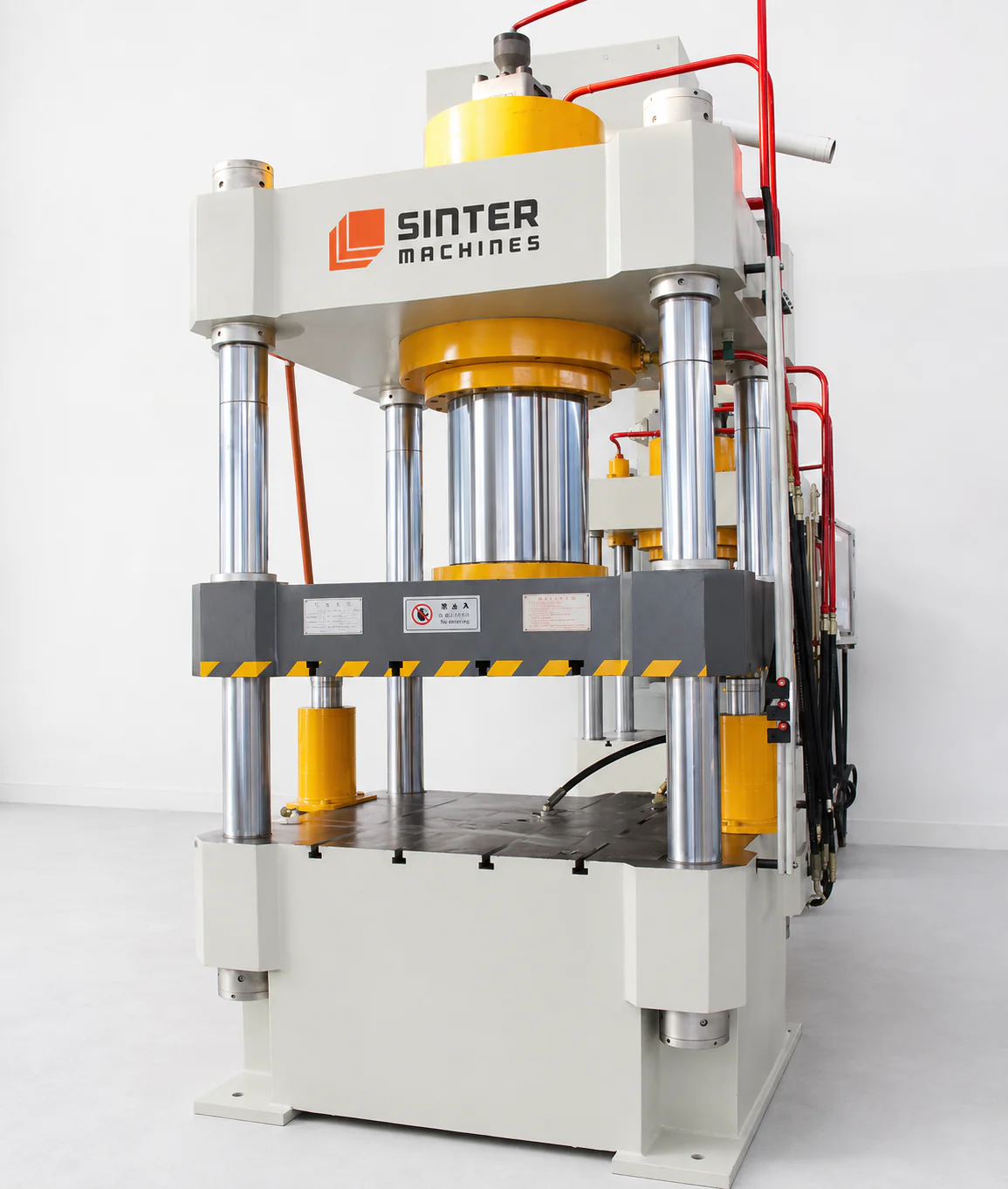
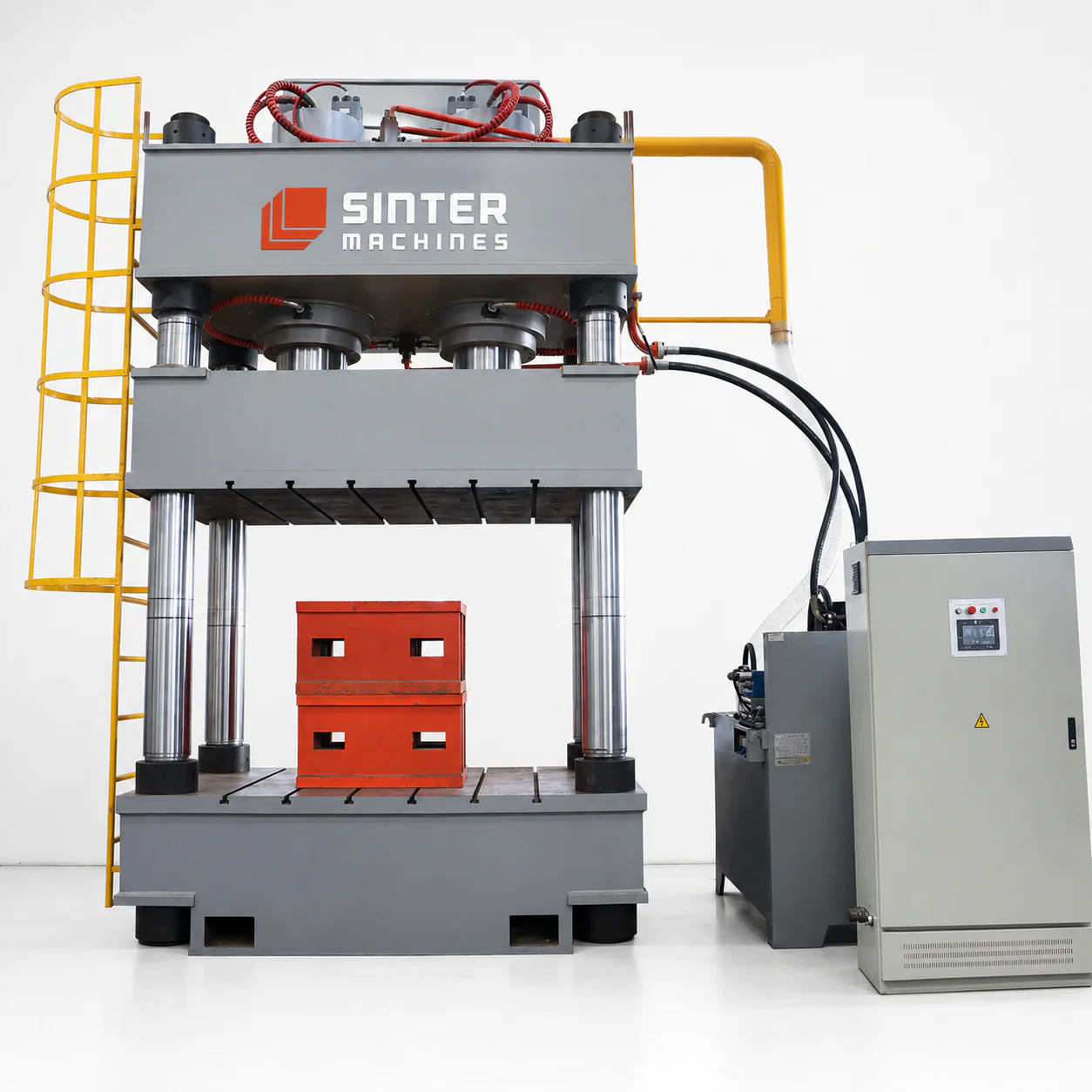
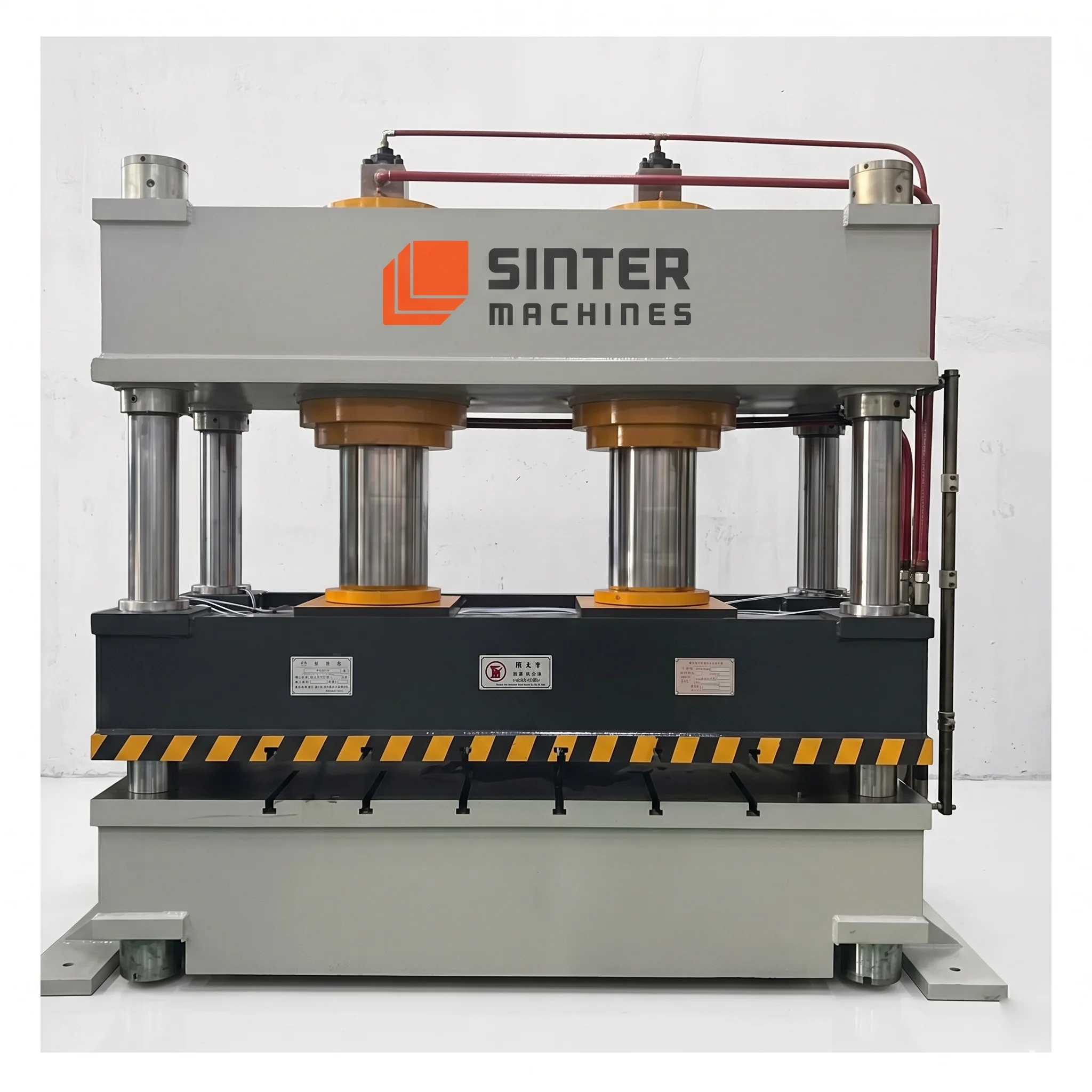
2000T Automotive Door Panels Press press view 1
Automotive Door Panels · Hydraulic Press Machine

2000T Four Column Hydraulic Press for Automotive Door Panels

2000T Rated Capacity
190 mm/s Slider Down Speed
6–14 mm/s Slider Pressing Speed
200 mm/s Slider Return Speed

01 — Press System

2000T Four Column Hydraulic Press Machine

An ultra-high-capacity four-column hydraulic press engineered for high-tonnage compression molding, deep-draw forming, and lamination of lightweight interior trim components. It delivers exceptional platen rigidity, precise multi-zone temperature regulation, and rapid pressure response for consistent high-volume automotive manufacturing.

Use Case

Designed specifically for large-format molding and multi-layer pressing of vehicle inner door cards, side trims, and integrated armrest structures. It enables simultaneous deep forming, vacuum-assisted skin adhesion, and edge wrapping while ensuring flawless Class A aesthetic surfaces.

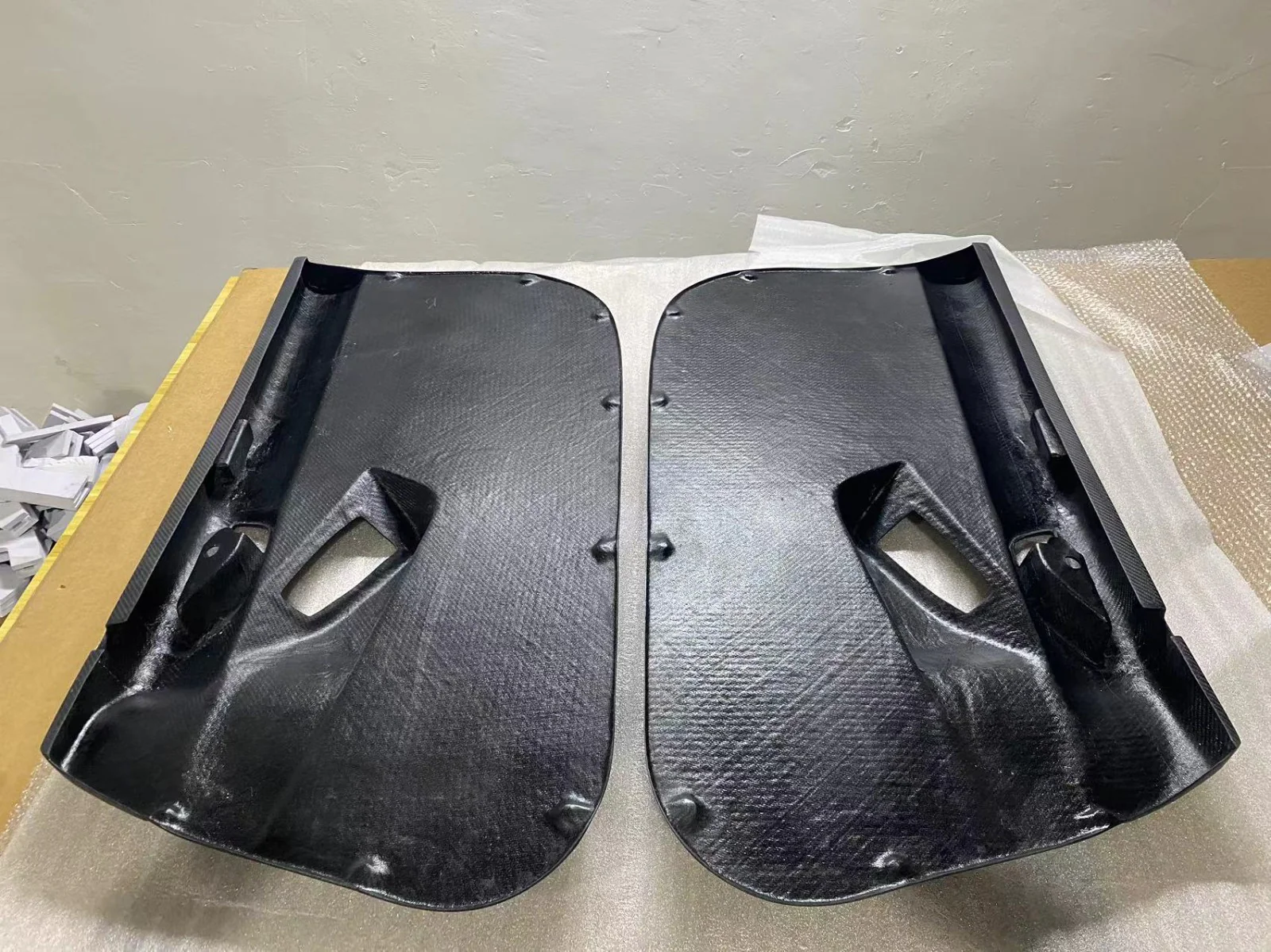
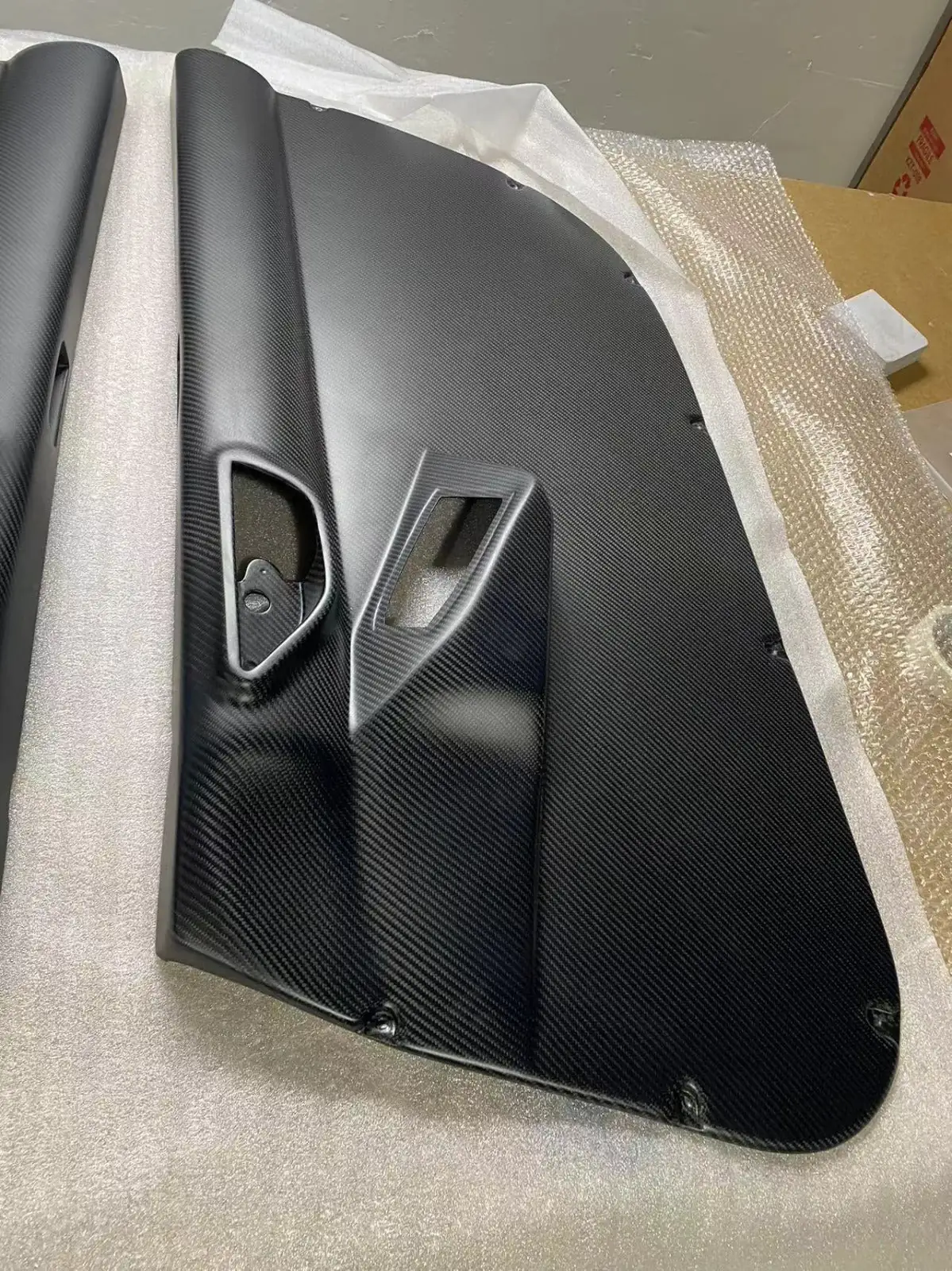
  • Core Applications: Manufacturing front and rear automotive inner door panels, side armrest carriers, and lower door map pocket assemblies. It is also utilized for laminating luxury vehicle interior pillars, cab side linings, and integrated speaker grille housings.
  • Material: Utilizes flexible skin coverings like PVC films, TPO, PU, and synthetic leather combined with eco-friendly natural fiber PP composites (NFPP), ABS, and glass fiber reinforced polypropylene. PU foam backings are routinely incorporated to deliver superior acoustic insulation and a premium soft-touch cushioned feel.
  • Products Processed: Fully integrated multi-material door cards, lightweight eco-composite trim boards, and soft-wrapped side armrests. Additional outputs include acoustic lower door inserts, passenger-side impact panels, and custom luxury vehicle interior side panels.
  • Why 2000-Ton Hydraulic Press: The massive 2000-ton press capacity provides the uniform tonnage required to consolidate large-surface natural fiber and composite substrates without structural density variation. It ensures deep-draw mold cavity filling, prevents skin creasing, and guarantees flawless structural integrity across expansive panel dimensions.

02 — Technical Specifications

SM 2000 HP – HYDRAULIC PRESS MACHINE COMPLETE TECHNICAL DATA

SM 2000 HP – 2000 Ton Hydraulic Press Machine delivers ultra-high capacity and precision thermoforming for automotive door panels. It ensures uniform pressure, superior surface finish, and consistent OEM-grade quality for large, complex interior components.

Capacity & Structural Design

  • Rated Capacity: 2000 Tons (≈ 19,600 kN)
  • Type: Fourpillar hydraulic hot press
  • Frame: Ultra-heavy-duty welded steel
  • Safety factor: ≥ 1.40
  • Parallelism accuracy: ≤ 0.05–0.08 mm

Hydraulic System

  • Main cylinder: Doubleacting heavy-duty
  • Bore: 700–900 mm
  • Stroke: 1000–1600 mm
  • Working pressure: 30–32 MPa
  • Control: Servo-proportional hydraulic system (automotive precision)

Thermoforming & Trimming Cycle

  1. Preheated material loading (robotic/manual)
  2. Controlled mold closing (low-speed forming stage)
  3. Compression thermoforming
  4. Optional vacuum-assisted forming
  5. Cooling under pressure
  6. Integrated trimming & punching stage
  7. Mold opening
  8. Finished part removal

Heated Platen System

  • Heating type:
    • Electric platen heating (fast & precise)
    • Thermal oil system (uniform heating)
  • Temperature range: 140–250°C (material dependent)
  • Accuracy: ±2°C (Class A finish requirement)
  • Multi-zone heating: Critical for uniform forming

Cooling System

  • Integrated cooling channels in mold
  • Chiller integration supported

Cooling range: 200°C → 70–90°C 

Benefits:

  • No warpage
  • High dimensional stability
  • Faster cycle time

Working Envelope

  • Platen size:
    • Standard: 2000 × 1600 mm
    • Optional: 2200 × 1800 mm
  • Daylight: 1800–2500 mm
  • Column diameter: 280–350 mm

Control System

  • PLC: Siemens / Mitsubishi / Beckhoff
  • HMI: Advanced multi-recipe system
  • Monitoring:
    • Pressure
    • Temperature
    • Time
    • Vacuum
  • Features:
    • Data logging (automotive traceability)
    • Industry 4.0 integration
    • Safety PLC + light curtains

SM 200 HP — Model Specifications

  • Nominal Force: 16000 KN
  • Maximum Hydraulic Pressure: 25 MPa
  • Max Opening Height of the Slider: 1500 mm
  • Max Stroke of the Slider: 900 mm
  • Effective Bed Size: 1600 × 1600 mm
  • Slider Down Speed: 190 mm/s
  • Slider Pressing Speed: 6–14 mm/s
  • Slider Return Speed: 200 mm/s
  • Ejector Cylinder Nominal Force: 900 KN
  • Stroke of the Ejection Cylinder: 300 mm
Production Case Study

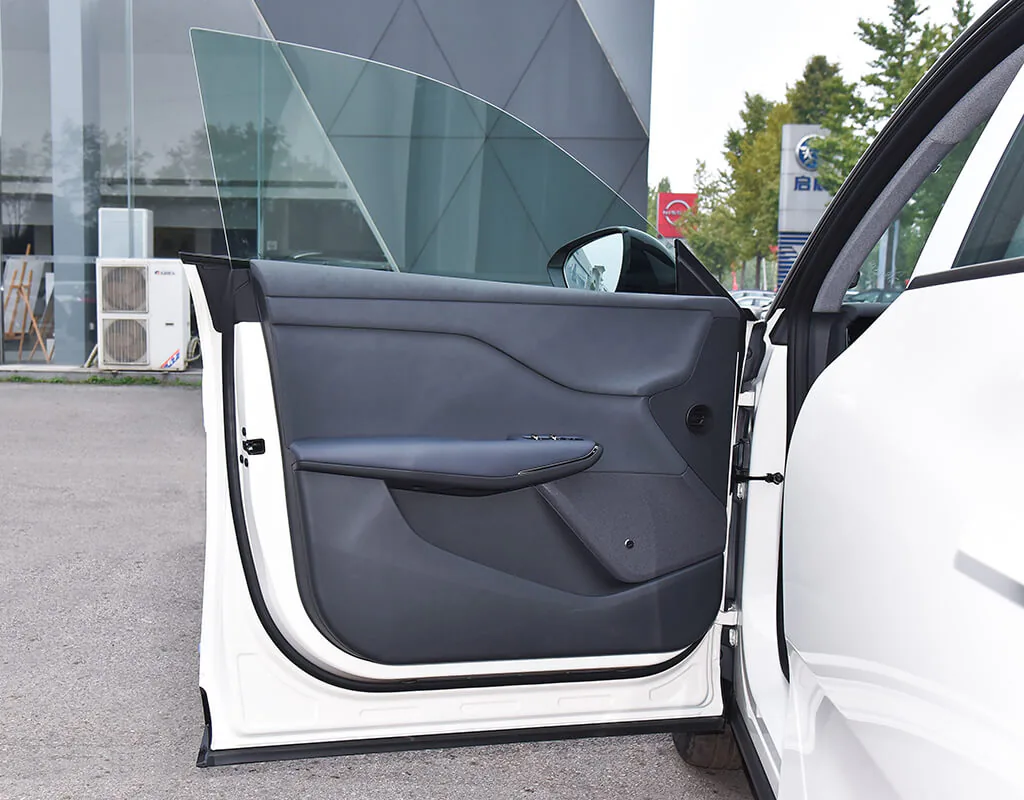
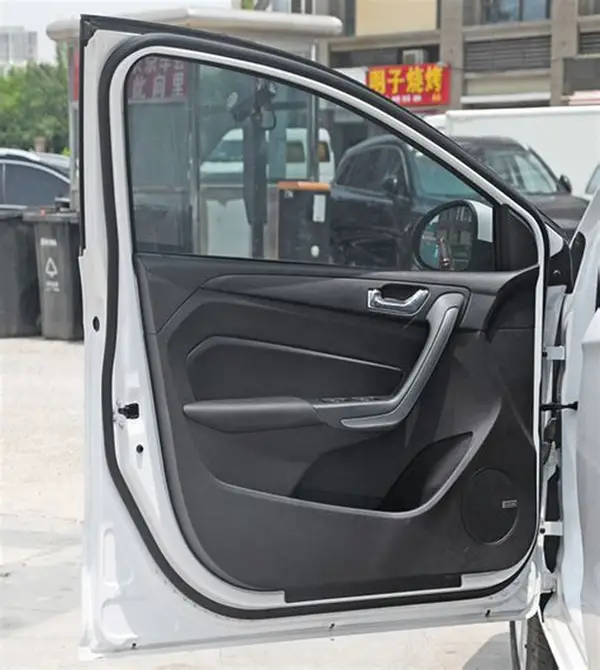
Automotive Door Panels Production Line

PP / NFPP / ABS / PC-ABS / GF-PP / PVC / TPO / PURaw Material
800mm x 600mm to 1200mm x 900mmPanel Size
35–75 SecCycle time
170–220°CTemperature
High Precision Composite Molding
Superior Class A Surface Quality
Flawless Edge Wrapping Lamination
High Structural Bending Rigidity
Excellent Acoustic Thermal Insulation
Reduced Vehicle Overall Weight
Consistent Fast Cycle Output
03 — Die / Mold System

Precision Automotive Door Panels Die Mold Engineering

Precision Automotive Door Panels Die Mold Engineering ensures accurate panel geometry, uniform thickness, and high-quality surface finish. It enables consistent production of complex door panels with superior fitment, strength, and durability.

Technical Specifications

Mold Type

  • Thermoforming + trimming integrated mold
  • Compression-assisted forming system

Mold Materials

  • Aluminum alloy (for high thermal conductivity)
  • Tool steel inserts (cutting edges & wear areas)

Mold Construction

  • Upper mold: Surface finish + texture
  • Lower cavity: Structural geometry
  • Guide system: Alignment accuracy ±0.02 mm

Heating System

  • Embedded heating channels
  • Multi-zone temperature control

Cooling System

  • Water cooling channels
  • Rapid cooling design
  • Ensures:
    • Shape stability
    • Reduced cycle time

Vacuum & Venting System

  • Vacuum ports
  • Micro air vents

Prevents:

  • Air pockets
  • Surface wrinkles
  • Imperfections

Trimming System

  • CNC-machined hardened steel knives
  • Integrated trimming edges
  • Flash-free cutting

Surface Finish

AreaFinish
Visible dashboardClass A grain finish
Internal surfaceStructural matte
EdgeClean trimmed

Mold Life: 150,000 – 300,000 cycles

Case Study (Die Performance)

Automotive Door Panels Die Mold

P20 / 718H AlloyDie Steel
32–38 HRCHardness
Vacuum HardeningHeat Treatment
High dimensional stability
Excellent surface finish
Reduced cycle time
Superior wear resistance
Minimized flash formation
Extended mold lifespan
Low maintenance downtime

04 — Product Application

Where Automotive Door Panels Are Used

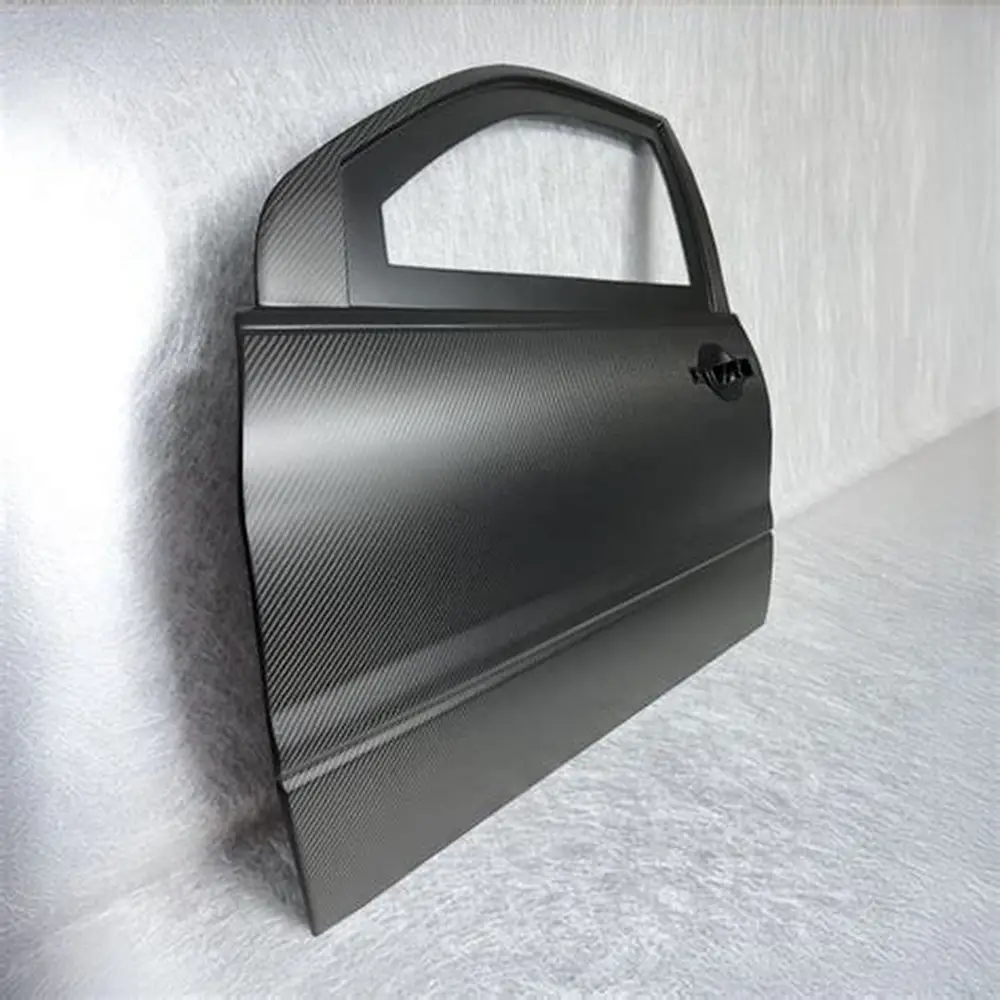
Automotive door panels are widely used in passenger vehicles, SUVs, and commercial vehicles for interior side door structures. They provide functional integration of controls, enhanced aesthetics, and durable performance for modern vehicle interiors.

Industry Applications

Automotive OEM

In the automotive OEM sector, automotive door panels are used in passenger vehicles, SUVs, and premium vehicles. They provide structural support, enhance interior aesthetics, and integrate controls for a refined driving experience.

Electric Vehicle (EV) Industry

In the EV industry, automotive door panels are used as lightweight interior components and sustainable composite structures. They enhance efficiency, durability, and modern design in next-generation electric vehicles.

Commercial Vehicles

In commercial vehicles, automotive door panels are used in trucks, buses, and utility vehicle interiors. They provide durability, functional integration, and reliable performance for heavy-duty transport environments.

Transport & Mobility

In transport & mobility applications, automotive door panels are used in rail coach interiors and advanced mobility systems. They provide lightweight, durable, and aesthetically refined solutions for modern transportation environments.

IndustryScenario
Automotive OEM Door trim panel production
EV Industry Lightweight interior systems
Commercial Durable door panels
Transport Passenger interior panels
Premium Vehicles Luxury interior trims

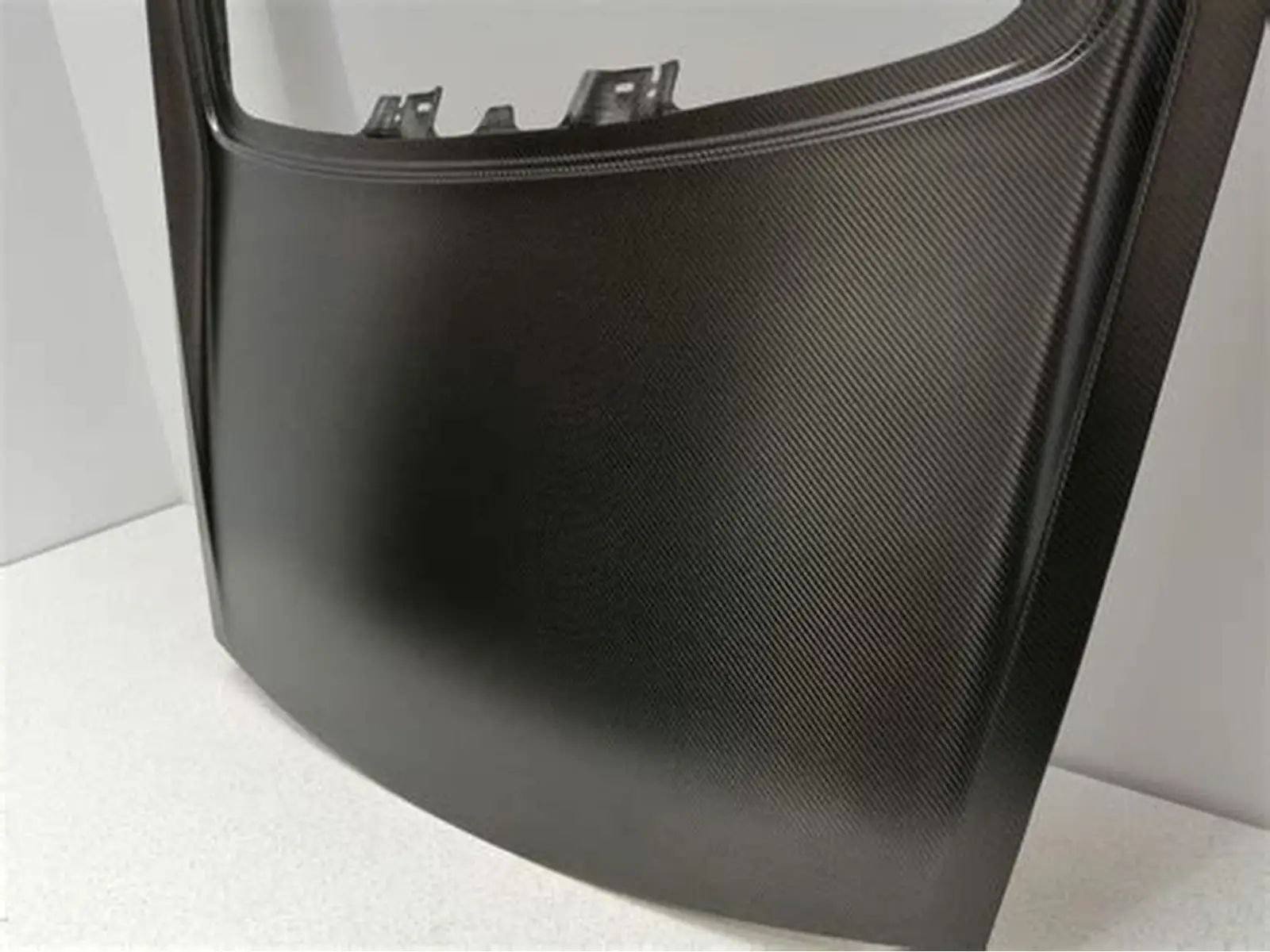
Finished Product Gallery

05 — Key Advantages

Why Choose the 2000-Ton Sinter Hydraulic Press

It delivers ultra-high pressure and precision thermoforming for large, complex door panels. Designed for OEM production, it ensures superior surface finish, structural strength, and consistent high-quality output at scale.

01

Integrated thermoforming + trimming

Enables simultaneous forming and trimming in a single cycle. It enhances precision, reduces production time, and ensures consistent, high-quality door panel output.

02

Reduced secondary operations

Minimizes the need for additional finishing steps by integrating processes. It improves production efficiency, reduces time, and lowers overall manufacturing costs.

03

Faster production cycle

Enables rapid thermoforming and integrated processing, reducing production time. It enhances throughput while maintaining consistent, high-quality output for large automotive door panels.

04

Premium aesthetic finish

Delivers superior Class A surface quality with smooth, flawless detailing. It enhances the visual appeal and premium look of automotive door panels.

05

Excellent dimensional accuracy

Ensures precise forming with tight tolerances for complex door panels. It delivers consistent fitment, alignment, and high-quality OEM-grade components.

06

Improved NVH performance

Produces door panels with enhanced noise, vibration, and harshness (NVH) control. It improves cabin comfort by reducing sound transmission and structural vibrations.