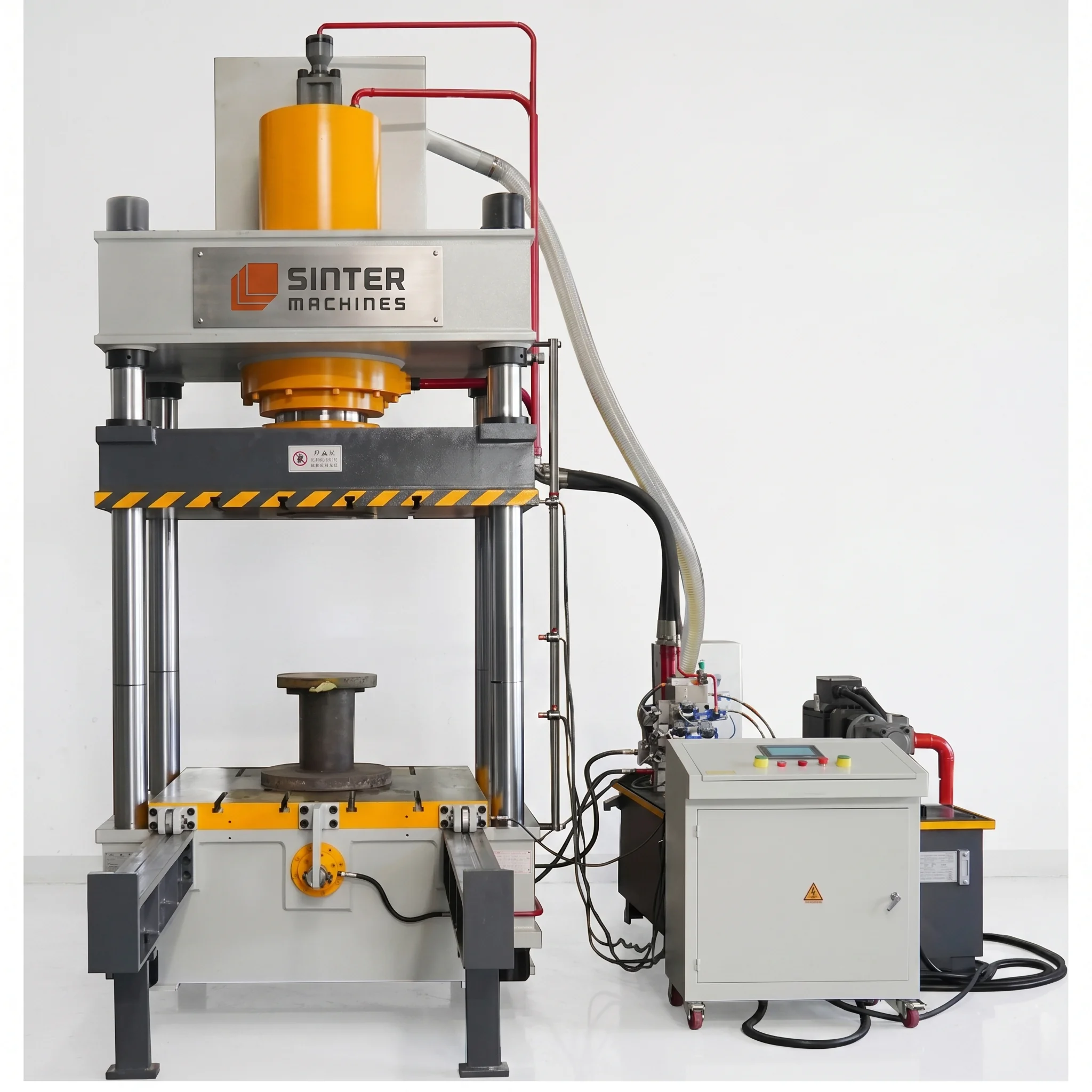
315T Orthopaedic Plates & Rods Press press view 1
Orthopaedic Plates and Rods · Hydraulic Press Machine

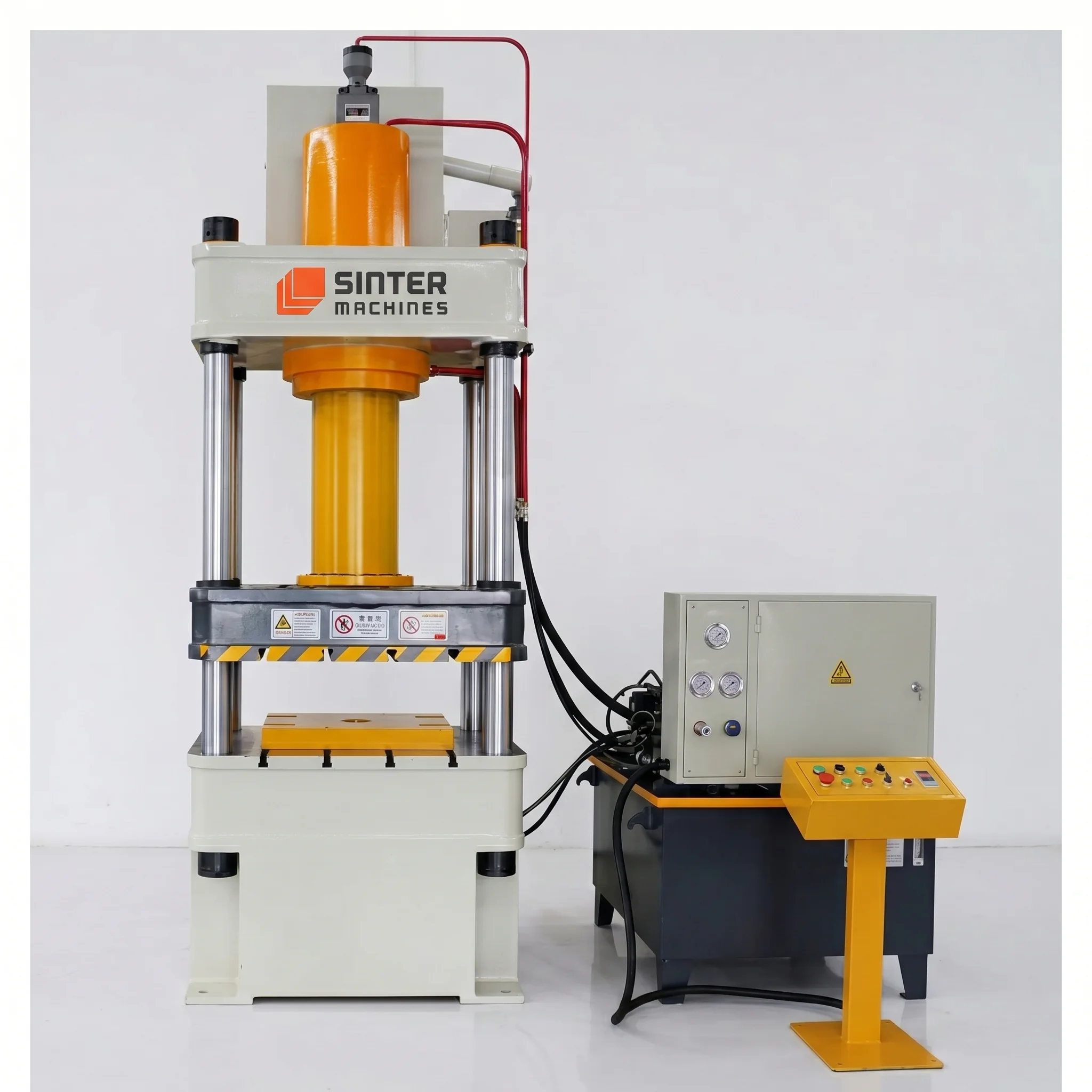
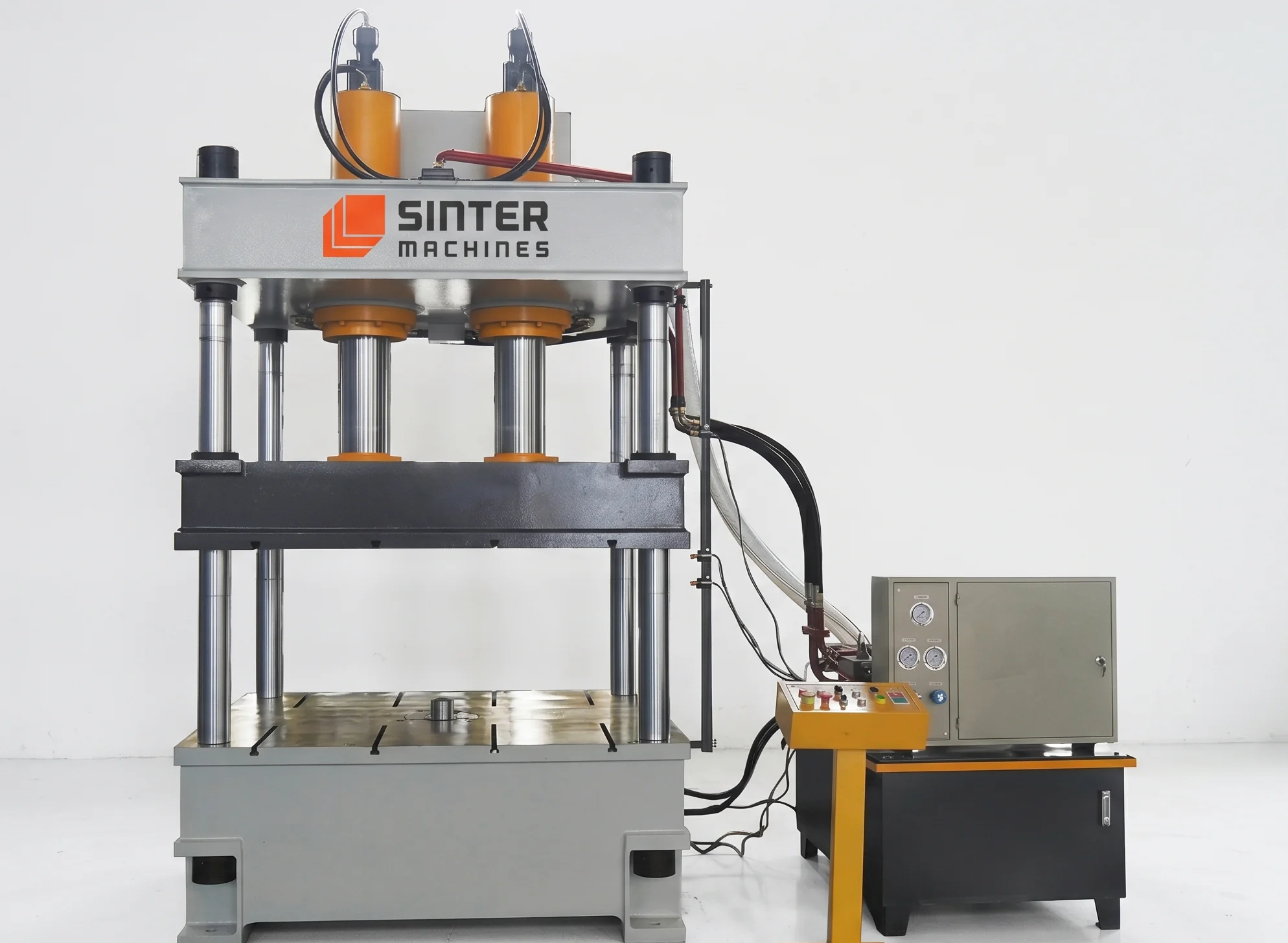
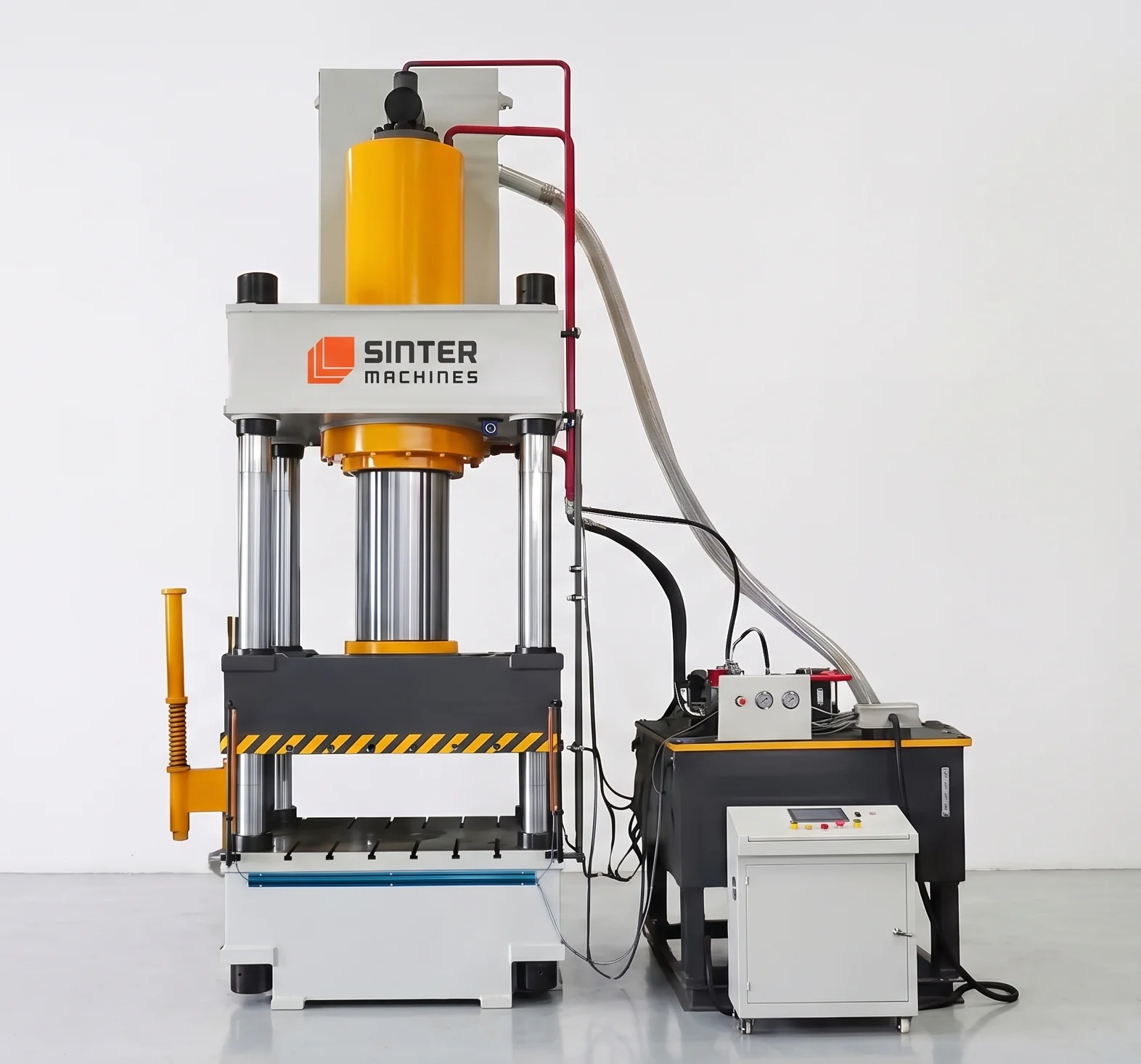
315 T Four Pillar Hydraulic Press for PM Orthopaedic Plates & Rods

315T Rated Capacity
100 mm/s Slider Down Speed
7–12 mm/s Slider Pressing Speed
90 mm/s Slider Return Speed

01 — Press System

315 Ton Four Pillar Hydraulic Press Machine

A mid-range heavy-duty 315-ton four-pillar hydraulic press configured specifically for the medical powder metallurgy compaction of structural orthopedic implants. It incorporates high-rigidity guidance and micro-meter level ram control to deliver uniform compaction along elongated mold cavities.

Use Case

Designed for the cold compaction of medical-grade biocompatible metal powders blended with clean organic additives into high-integrity green preforms. It produces elongated orthopedic plates, structural rods, and trauma fixation components ready for sintering.

  • Core Applications: Essential for manufacturing load-bearing trauma plates, intramedullary rods, spinal reconstruction hardware, and structural orthopedic fixation devices. Widely deployed across medical device manufacturing, orthopedic trauma engineering, and surgical implant production lines.
  • Material: Processes high-purity medical-grade powders including Ti-6Al-4V titanium alloys, cobalt-chromium, stainless steel (316LVM), and specialized biocompatible alloys. Blended with clean-burning organic binders, lubricants, and compaction aids to achieve precise density distribution and residue-free sintering.
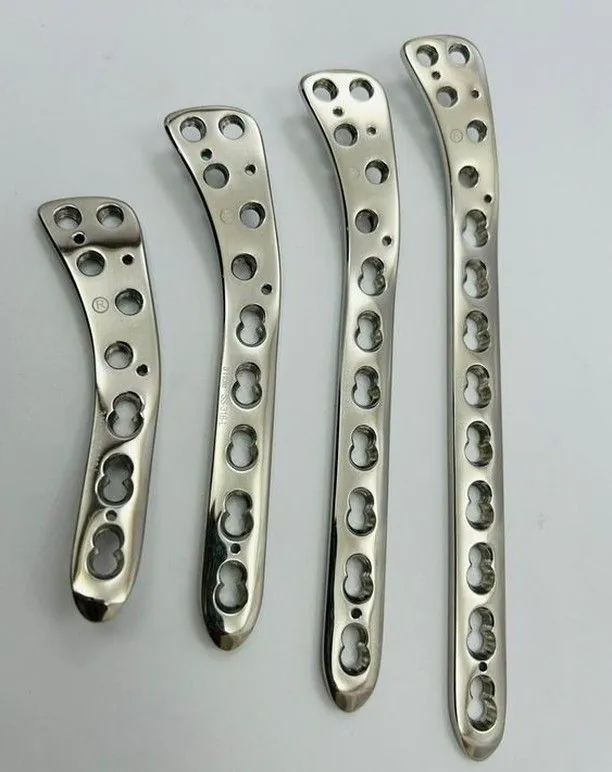
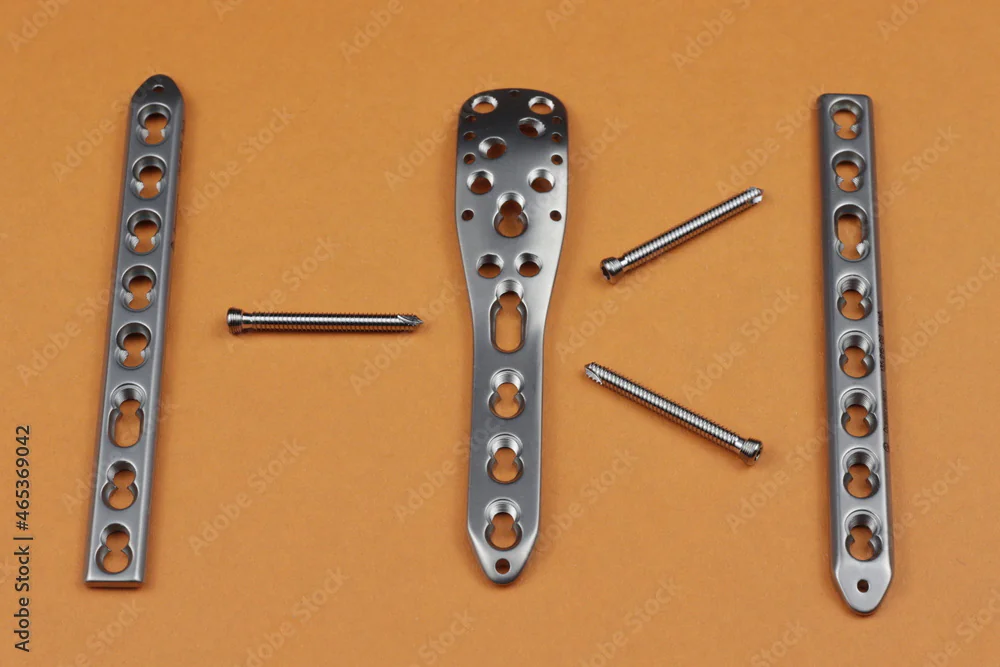
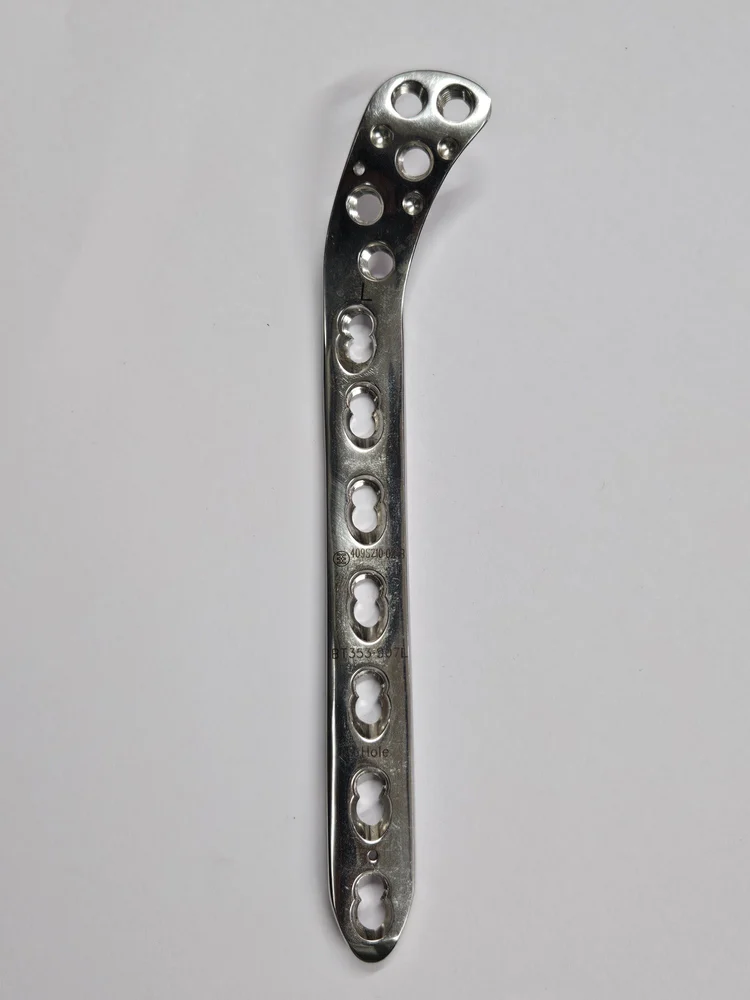
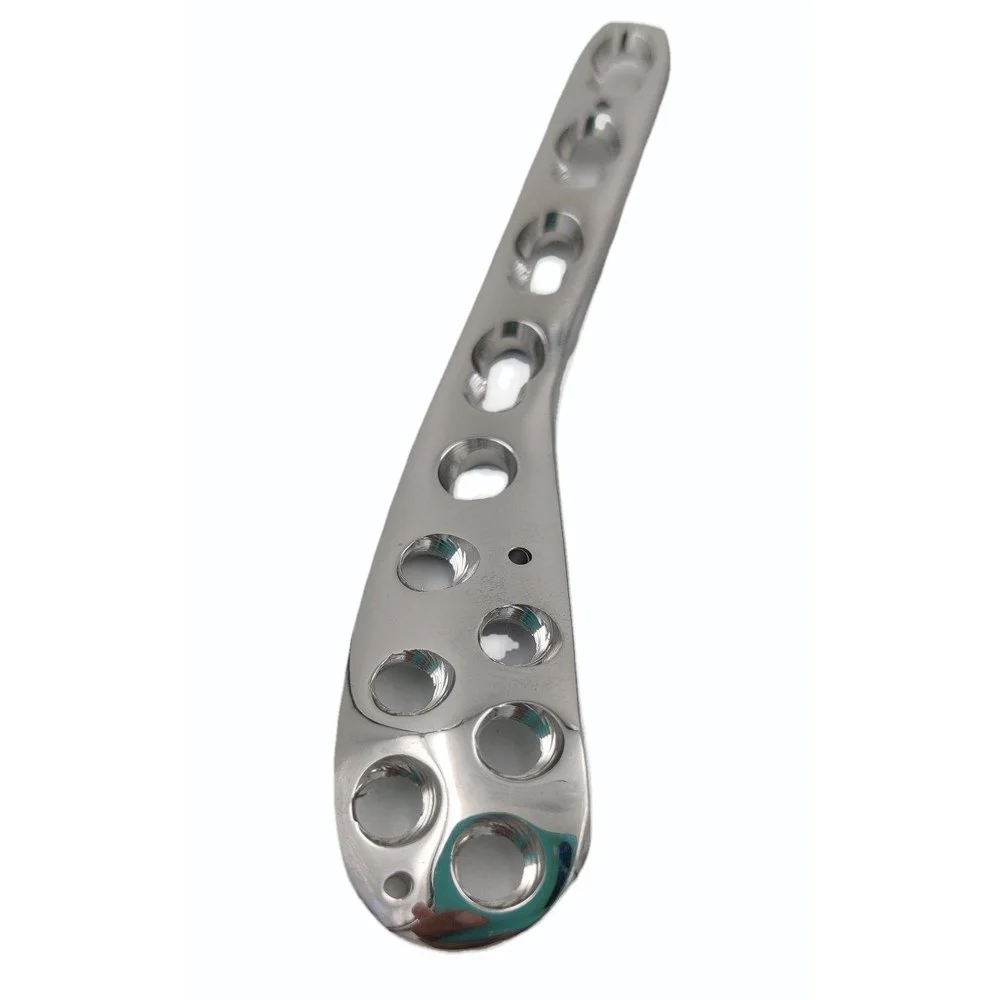
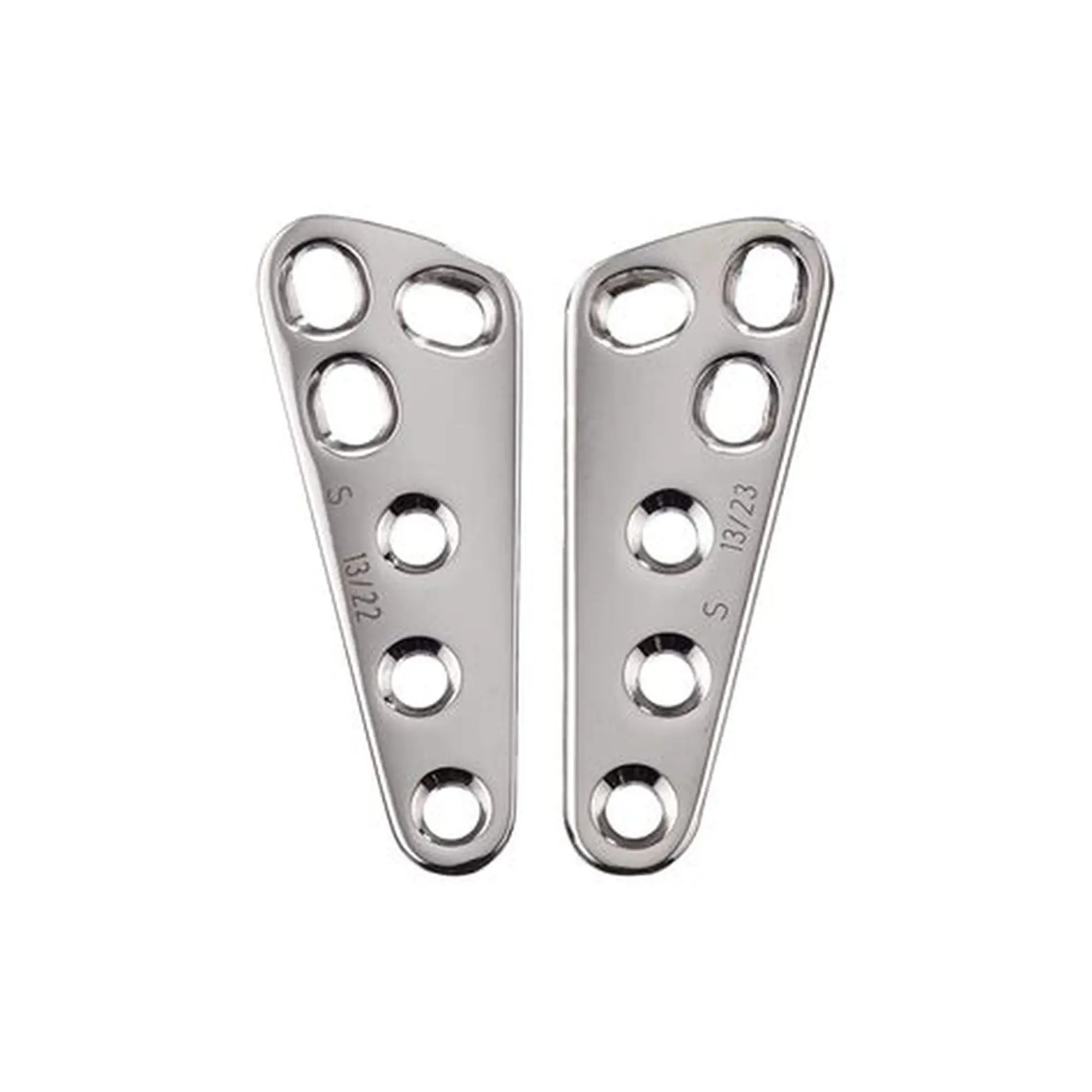
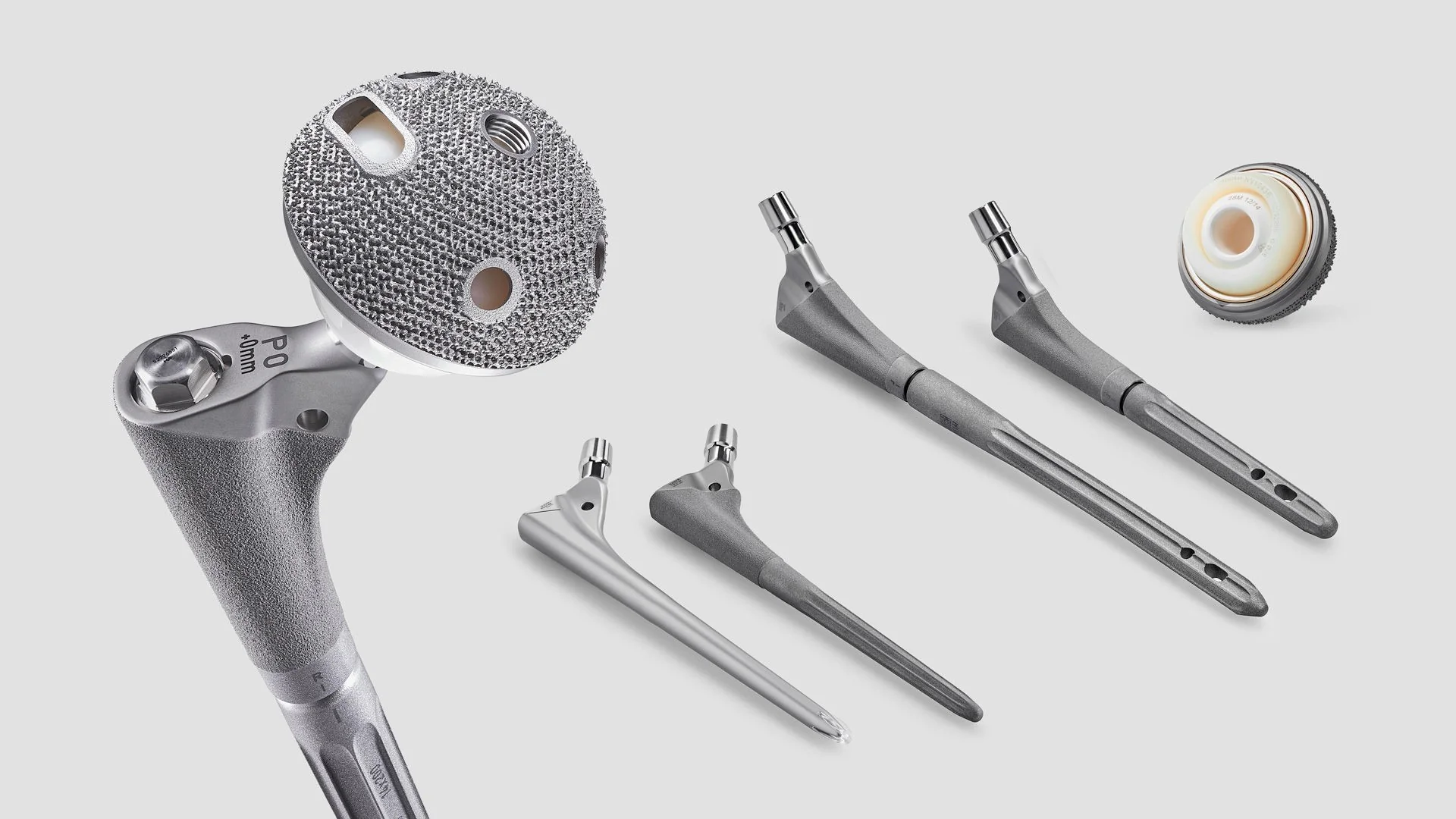
  • Products Processed: Produces straight and contoured bone plates, spinal stabilization rods, pediatric trauma pins, dynamic hip screws, and reconstructive bone brackets. Delivers near-net-shape green preforms with excellent edge retention and uniform density along long axes.
  • Why 315-Ton Hydraulic Press: Provides the optimal pressing force required to compact long, thin geometries uniformly without density gradients or bow warping. Ensures rigid deflection resistance across wider platen areas to maintain exact dimensional tolerances for critical surgical hardware.

02 — Technical Specifications

SM 315 HP – HYDRAULIC PRESS MACHINE COMPLETE TECHNICAL DATA

The SM 315 HP – 315 Ton Hydraulic Press Machine is a high-performance four-pillar Powder Metallurgy (PM) compaction press engineered for manufacturing medium-size medical implants such as hip stems, bone plates, spinal rods, trauma fixation devices, and orthopaedic structural components. Its robust frame construction, precise hydraulic control, and uniform force distribution ensure reliable production of dense, dimensionally accurate, and biocompatible implant parts.

Capacity & Structural Design

  • Rated Press Capacity: 315 metric tons (≈ 3,090 kN)
  • Press Architecture: Fourpillar / fourcolumn guided hydraulic press
  • Frame Construction: Welded steel, fully stressrelieved
  • Duty Rating: Continuous precision PM production (medical)
  • Structural Safety Factor: ≥ 1.30
  • Elastic Deflection at Full Load: ≤ 0.05–0.07 mm
  • Load Distribution: Highly uniform across platen (critical for implant consistency)

Hydraulic System

Main Compaction Cylinder

  • Type: Doubleacting, precisionguided
  • Bore Diameter: 300–350 mm
  • Stroke: 350–500 mm
  • Maximum Working Pressure: 25–30 MPa (250–300 bar)

Hydraulics

  • Proportional or servo pressure control
  • Closedloop force & position feedback

Pressing Modes

  • Constantpressure compaction
  • Positioncontrolled compaction
  • Multistage pressure + dwell (density equalization for thick sections)

Platen & Working Envelope

Upper / Lower Platen Size

  • Standard: 600 × 600 mm
  • Optional: up to 750 × 750 mm

Guide Columns

  • Quantity: 4
  • Diameter: 90–120 mm
  • Finish: Hardened, hardchromed & precisionground
  • Daylight Opening: 700–900 mm
  • Platen Parallelism Accuracy: ±0.02 mm / 300 mm

Controls, Monitoring & Safety

  • Control System: PLC + medicalgrade HMI

Process Monitoring

  • Force vs stroke (each cycle)
  • Dwell time & pressure
  • Ejection position
  • Cycle data (SPCready)

Safety Systems

  • Twohand control (manual mode)
  • Full guarding / light curtains
  • Pressurerelief & overload protection
  • Emergency stop (medical manufacturing compliant)

SM 315 HP — Model Specifications

  • Nominal Force: 3150 KN
  • Maximum Hydraulic Pressure: 25 MPa
  • Max Opening Height of the Slider: 1000 mm
  • Max Stroke of the Slider: 600 mm
  • Effective Bed Size: 800 × 800 mm
  • Slider Down Speed: 100 mm/s
  • Slider Pressing Speed: 7–12 mm/s
  • Slider Return Speed: 90 mm/s
  • Ejector Cylinder Nominal Force: 300 KN
  • Stroke of the Ejection Cylinder: 300 mm
Production Case Study

Powder Metallurgy (PM) Medium Orthopaedic Plates & Rods Production Line

Production LineMedical-grade Ti-6Al-4V, Cobalt, 316LVM Raw Material
100 g to 1,200 gProduct Weight
4.2 to 4.8 g/cm³Green Density
12 to 28 SecCycle Time
High Structural Integrity
Uniform Length Density
Near Net Shape
Clean Room Compatible
Precision Platen Guidance
Excellent Surface Finish
Zero Internal Flaws

03 — Die / Mold System

Precision Powder Metallurgy (PM) Medium Orthopaedic Plates & Rods Components Die Mold Engineering

Precision Powder Metallurgy (PM) die mold engineering for medium orthopaedic plates and rods is designed to produce high-strength, dimensionally accurate, and biocompatible medical components with consistent density and superior structural integrity. The tooling system enables near-net-shape manufacturing, reducing secondary machining while ensuring reliable performance for orthopaedic and trauma implant applications.

Technical Specifications (Tooling)

Tool Type

  • Precision PM compaction dies designed for medium-sized orthopaedic plates, rods, and fixation components.
  • Compatible with single-level and multi-level powder compaction systems for complex implant geometries.

Tool Materials

  • Die inserts manufactured from tungsten carbide, PM tool steels, and hardened alloy steels for maximum wear resistance.
  • Punches and core components are heat-treated and coated to withstand high compaction pressures.

Tool Construction

  • Modular die assembly incorporating die blocks, upper and lower punches, guide pillars, and support plates.
  • Engineered for easy maintenance, long-term dimensional stability, and reliable high-volume production.

Multi-Level Tooling

  • Multi-level tooling enables the production of stepped profiles, varying thicknesses, grooves, and implant-specific features.
  • Reduces machining requirements while improving dimensional consistency and manufacturing efficiency.

Alignment Accuracy

  • Precision guide systems maintain punch-to-die alignment within ±0.01 mm.
  • Ensures uniform density distribution, improved part quality, and reduced tooling wear.

Powder Filling & Ejection

  • Optimized cavity filling systems provide consistent powder distribution throughout larger implant profiles.
  • Controlled ejection mechanisms minimize stress, cracking, and deformation during component removal.

Compatible PM Materials

  • Suitable for titanium alloys (Ti-6Al-4V), 316L stainless steel, cobalt-chromium alloys, and other biocompatible PM materials.
  • Supports processing of high-performance medical powders used in orthopaedic implant manufacturing.

Surface Finish

  • Die cavity surfaces are precision polished to achieve Ra 0.1–0.4 µm finish.
  • Smooth surfaces reduce friction, enhance powder flow, and improve component surface quality.

Lubrication

  • Uses internal powder lubricants and external die-wall lubrication systems to reduce compaction friction.
  • Improves density uniformity, facilitates clean ejection, and minimizes tooling wear.

Tool Life

  • Typical tooling life ranges from 1 million to over 3 million compaction cycles depending on material and operating conditions.
  • Advanced coatings, precision alignment, and preventive maintenance significantly extend tooling performance and productivity.
Case Study (Die Performance)

Precision Powder Metallurgy (PM) Medium Orthopaedic Plates & Rods Components Die Mold Tooling

Tungsten Carbide / CPM 10V / M4Die Steel
62–65 HRCHardness
Vacuum Cryogenic HardeningHeat Treatment
Wear-resistant carbide tooling
Uniform density distribution
Near-net-shape manufacturing
Reducing secondary machining operations
Improved Product Quality
Higher Productivity
Greater Process Reliability

04 — Product Application

Where Powder Metallurgy (PM) Medium Orthopaedic Plates & Rods Components Are Used

Powder Metallurgy (PM) medium orthopaedic plates and rods are extensively used in medical applications that require high strength, precise dimensions, and long-term biocompatibility. The PM process enables efficient production of durable implant components used in fracture fixation, spinal stabilization, and reconstructive orthopaedic procedures.

Industry Applications

Bone Fracture Fixation Systems

PM orthopaedic plates are widely used to stabilize fractured bones and maintain proper alignment during healing. Their high strength and dimensional accuracy provide reliable support under varying physiological loads.

Spinal Stabilization Implants

PM-manufactured rods and connectors are used in spinal fusion and corrective spinal surgery procedures. These components help maintain spinal alignment while providing long-term structural stability.

Trauma and Reconstruction Devices

Medium-sized PM plates and rods are employed in trauma implants for reconstructing damaged or weakened bone structures. Their biocompatibility and mechanical reliability make them suitable for demanding surgical applications.

Orthopaedic Joint Support Systems

PM components are incorporated into joint reconstruction assemblies and fixation systems used in hip, knee, and limb surgeries. The near-net-shape manufacturing process enables complex geometries while ensuring consistent implant performance.

Finished Product Gallery

05 — Key Advantages

Why Choose the 315-Ton Sinter Hydraulic Press

The 315-Ton Sinter Hydraulic Press is specifically designed for manufacturing medium-sized orthopaedic plates, rods, and fixation components that require high density, dimensional precision, and consistent mechanical properties. Its robust four-pillar construction and advanced hydraulic control ensure reliable, high-volume production of medical-grade PM implant components.

01

High Compaction Force

The 315-ton capacity provides sufficient force to achieve uniform densification of medium-sized orthopaedic components. This results in improved strength, structural integrity, and consistent implant performance.

02

Excellent Dimensional Accuracy

Precision hydraulic controls maintain tight tolerances throughout the compaction process. Produces orthopaedic plates and rods with high repeatability and minimal dimensional variation.

03

Uniform Density Distribution

Controlled pressure application ensures even density throughout complex implant geometries. Reduces porosity and enhances the mechanical reliability of the finished component.

04

Increased Production Efficiency

Automated pressing cycles improve throughput while maintaining consistent product quality. Supports high-volume manufacturing with reduced downtime and optimized productivity.

05

Compatibility with Medical-Grade Materials

Suitable for processing titanium alloys, 316L stainless steel, cobalt-chromium, and other biocompatible powders. Enables production of a broad range of orthopaedic implants and fixation devices.

06

Reduced Manufacturing Costs

Near-net-shape PM processing minimizes material waste and secondary machining requirements. Longer tooling life, efficient operation, and lower scrap rates contribute to significant cost savings.