Beach Bench Planks Press — hydraulic press 1
Composite Beach Bench Lumber Planks · Hydraulic Press Machine

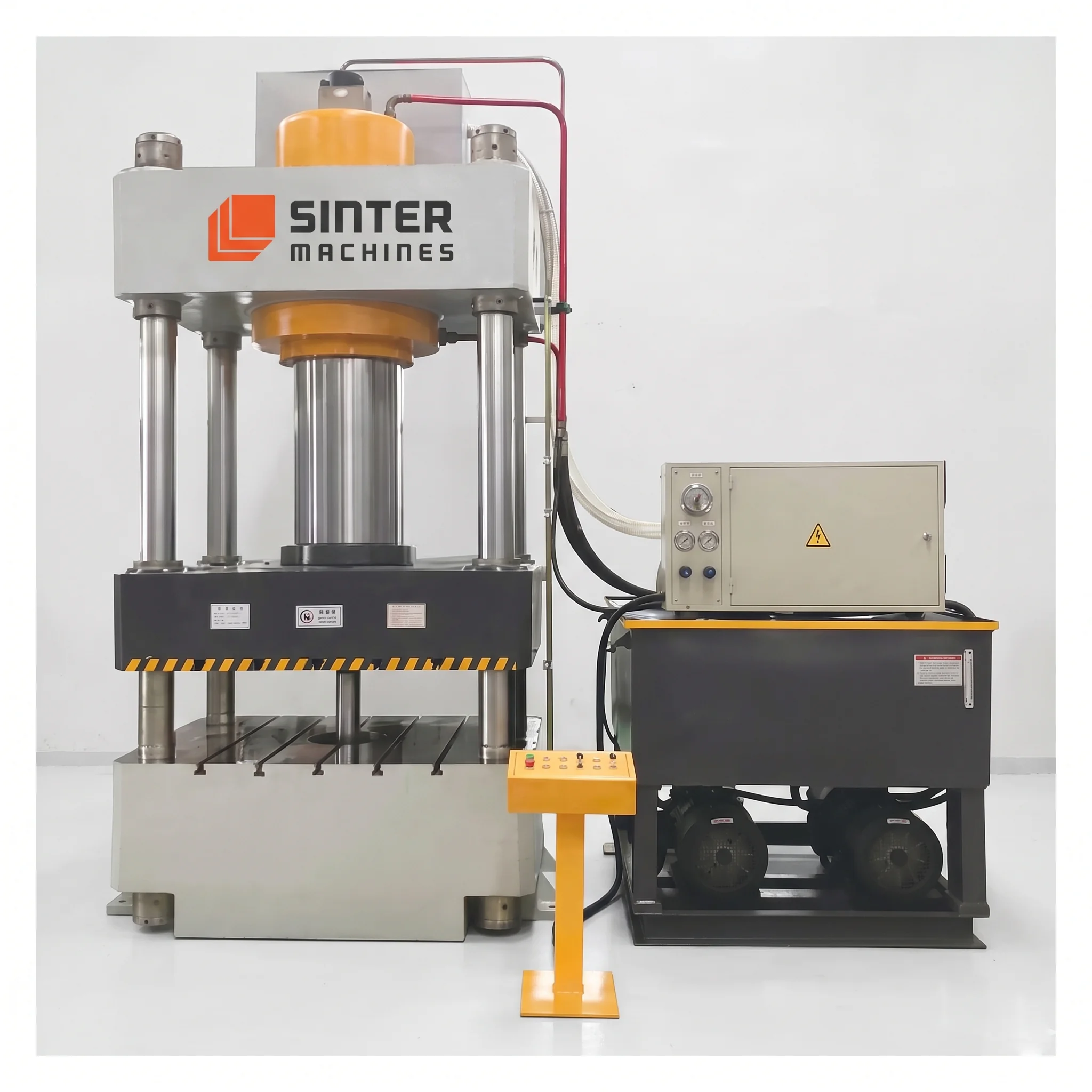
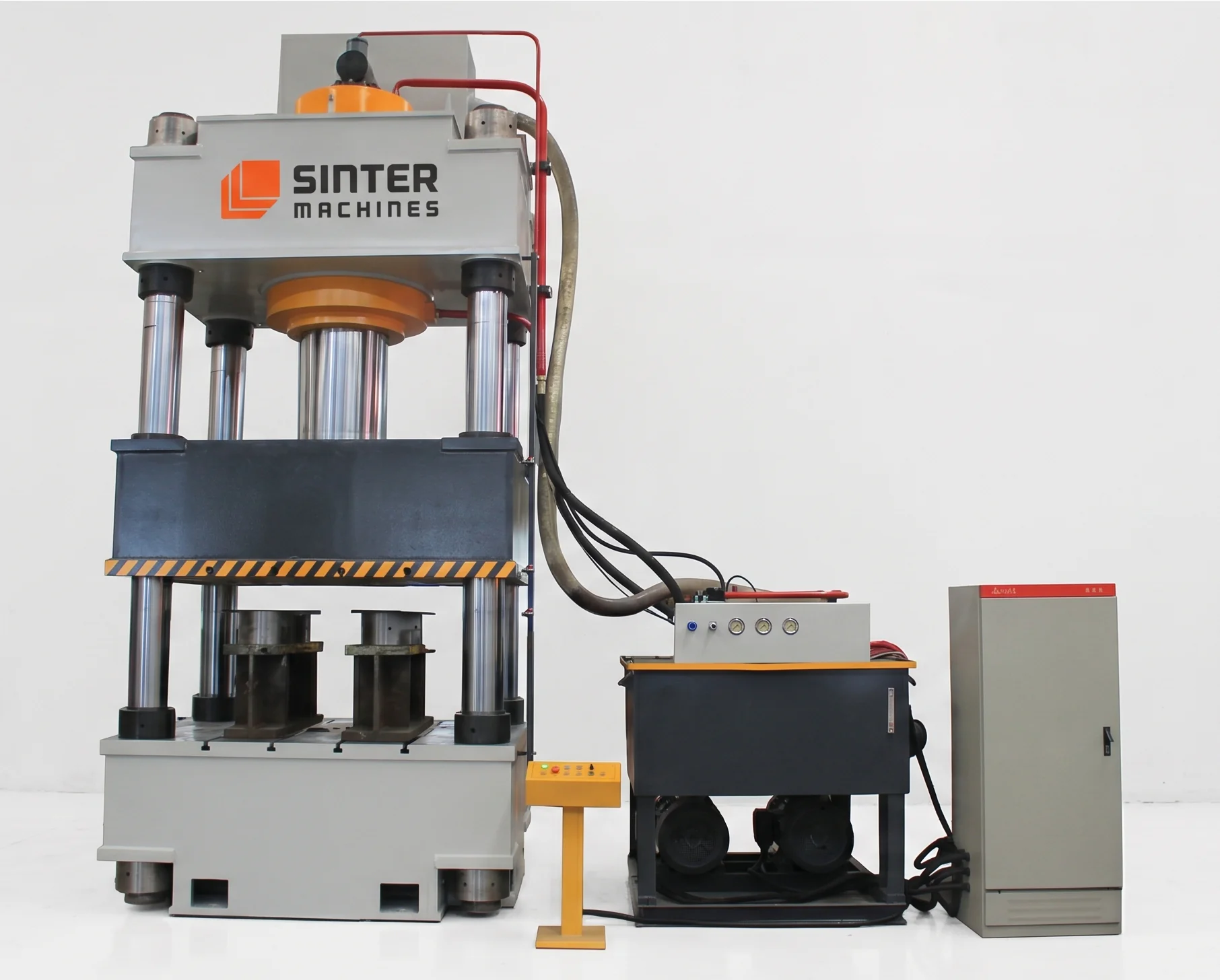
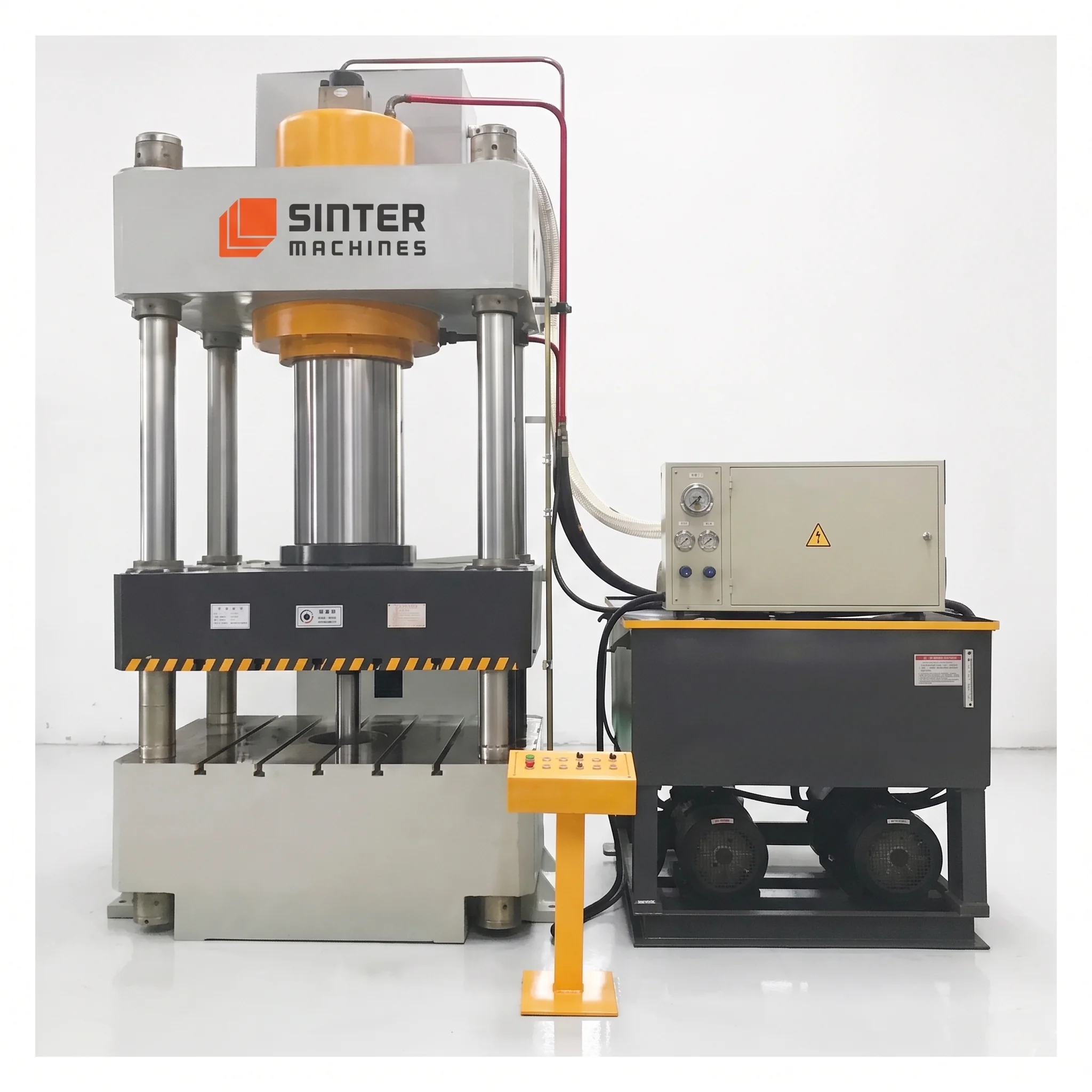
400T Four Column Hydraulic Press for Beach Bench Lumber Planks

400T Rated Capacity
100 mm/s Slider Down Speed
7–12 mm/s Slider Pressing Speed
100 mm/s Slider Return Speed

01 — Press System

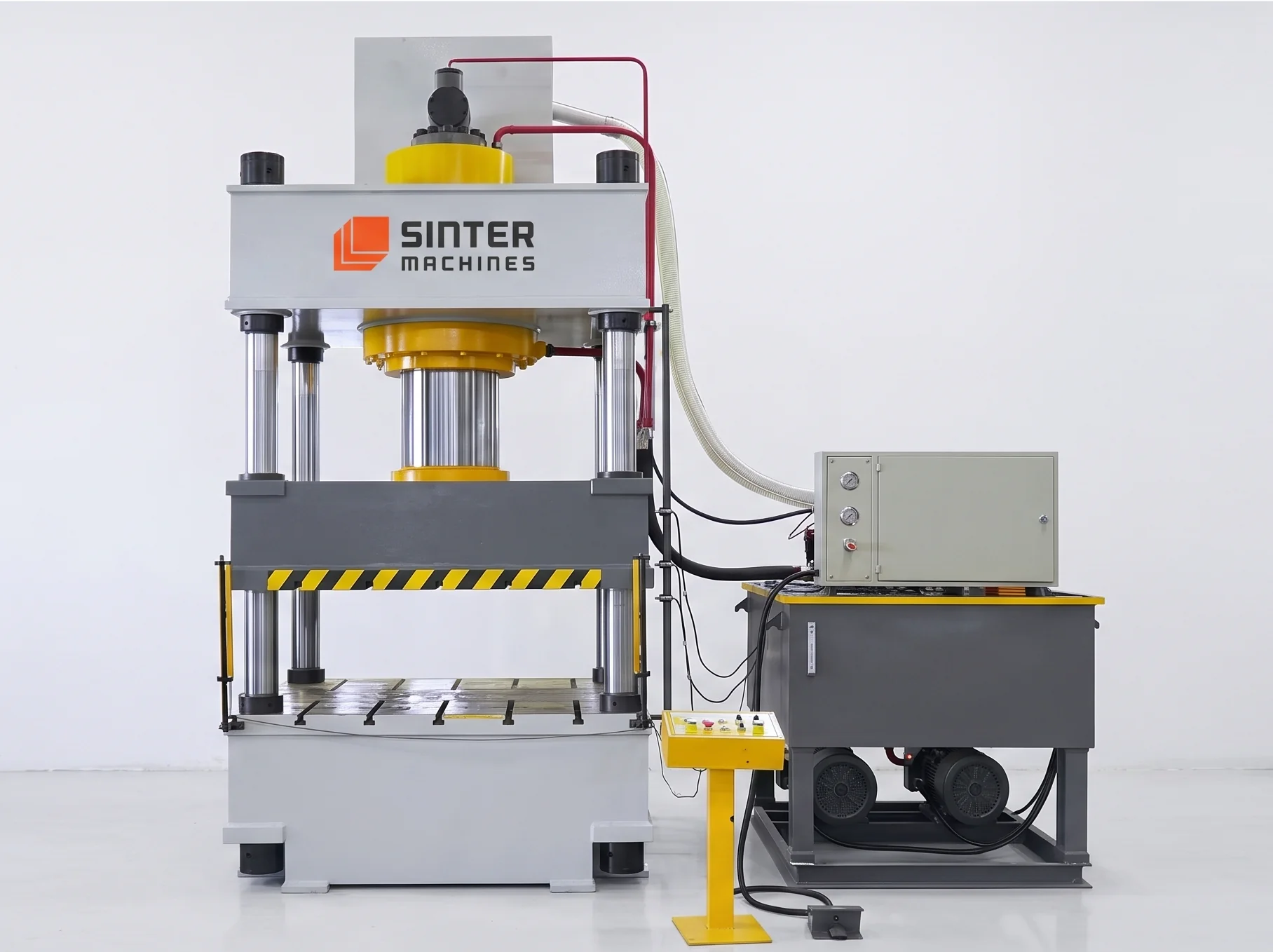
400 Ton Four Column Hydraulic Press Machine

The 400-ton four-column hydraulic press production line offers an automated end-to-end manufacturing solution for dense, weather-resistant composite beach bench lumber planks. By combining extrusion melting, high-pressure hydraulic compaction, and rapid water-chilled cooling, the line delivers durable, high-density profiles with high daily throughput.

Use Case

This integrated line automates the transformation of recycled plastics and crushed stone sand into durable composite bench planks. Utilizing a 400-ton press, it compacts hot molten composite into solid, void-free, weather-resistant lumber profiles with high dimensional stability.

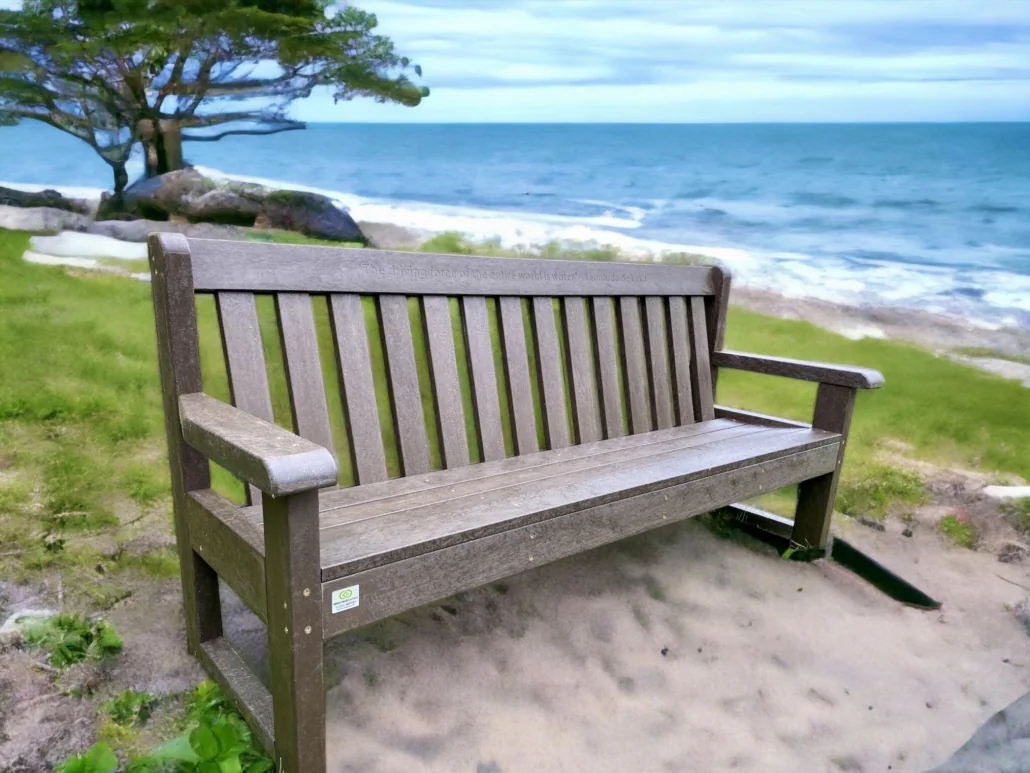
  • Core Applications: Used for coastal boardwalks, outdoor beach benches, park seating, resort furniture, and public infrastructure requiring long-lasting rot-proof lumber.
  • Material: Waste Recycled Plastics + Sand + Pigments: Composed of thirty percent waste recycled plastics, seventy percent granite and marble waste crushed sand, three percent pigment, and UV additives as required for non-corrosive performance.
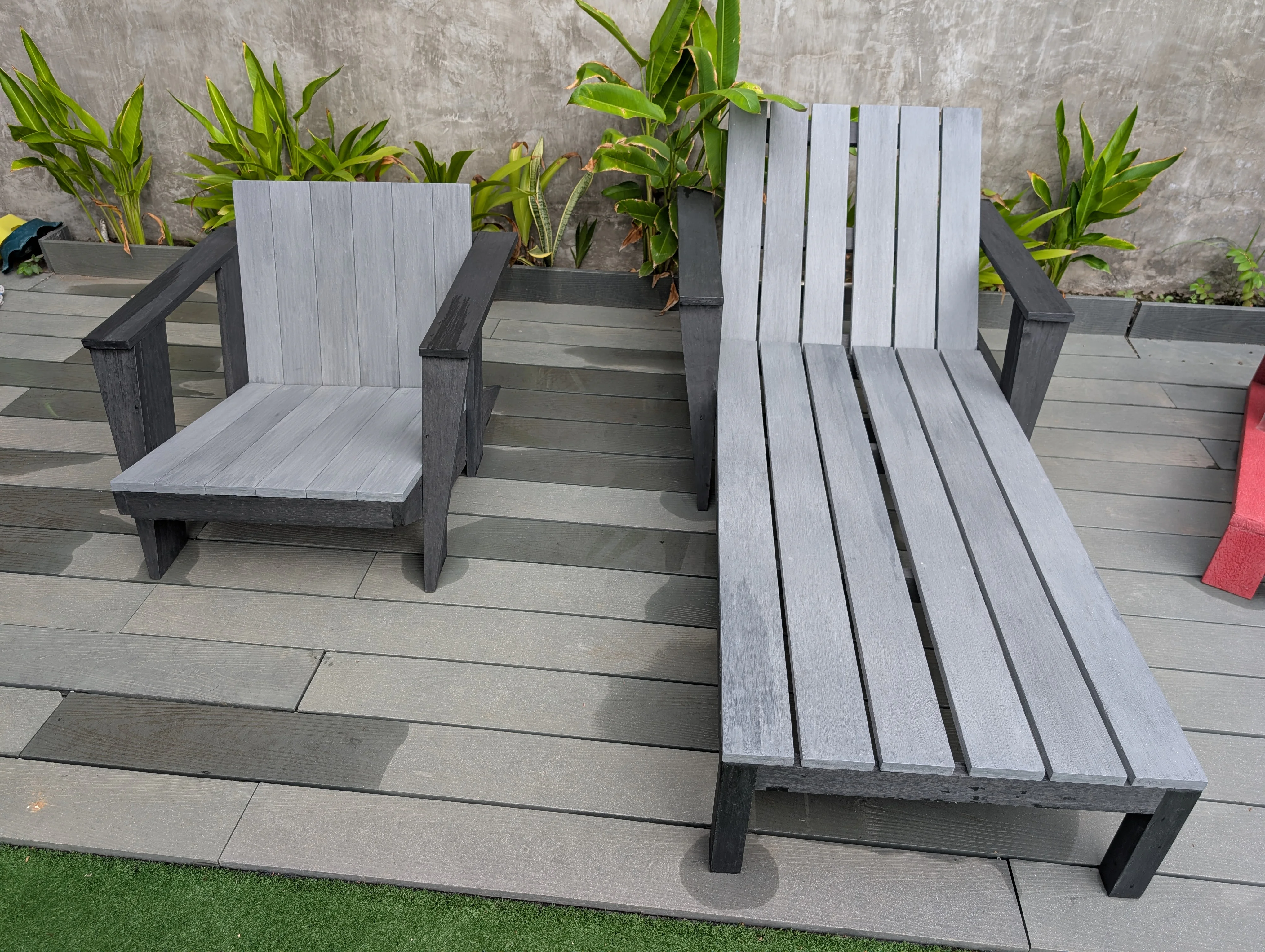
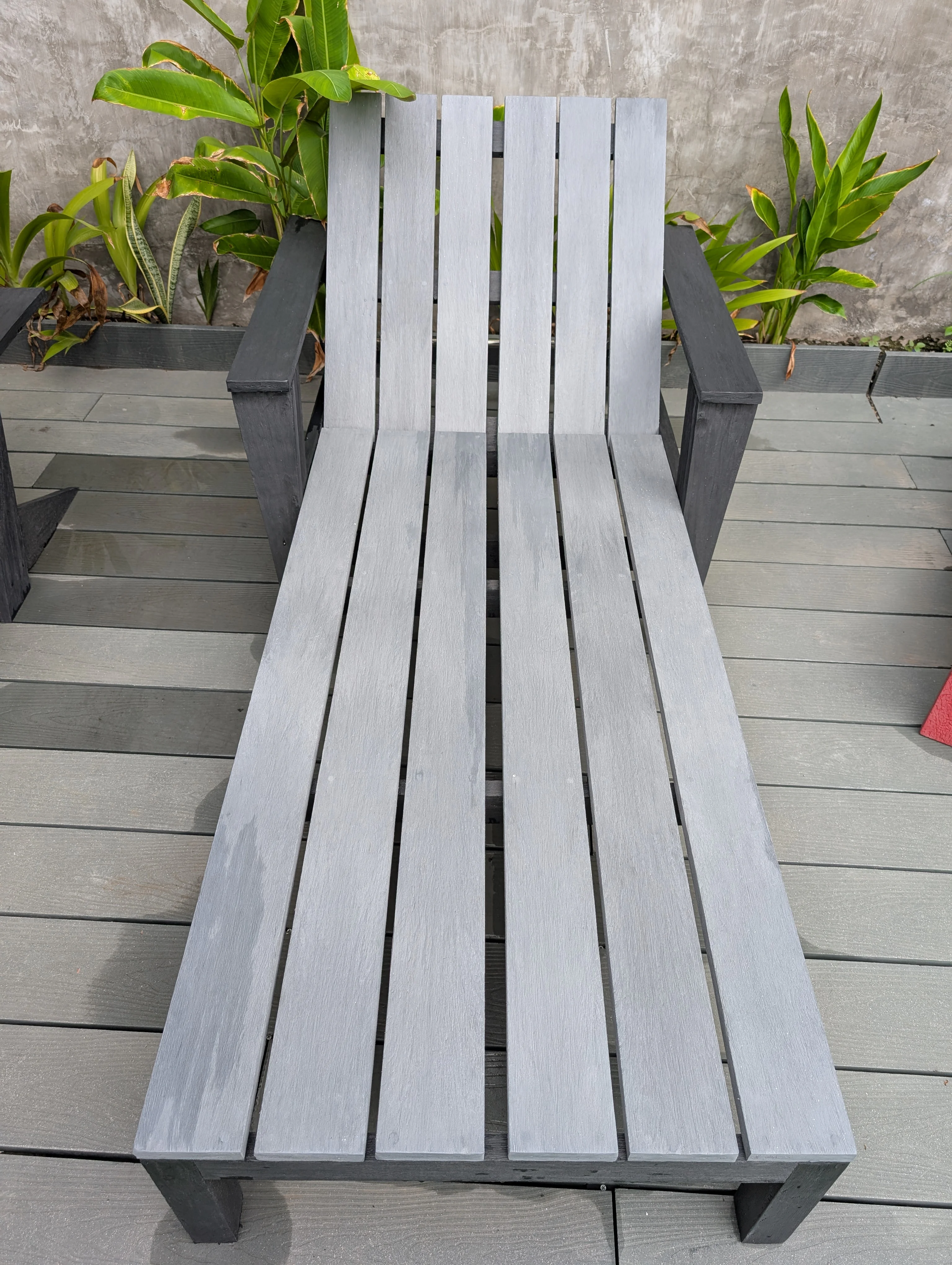
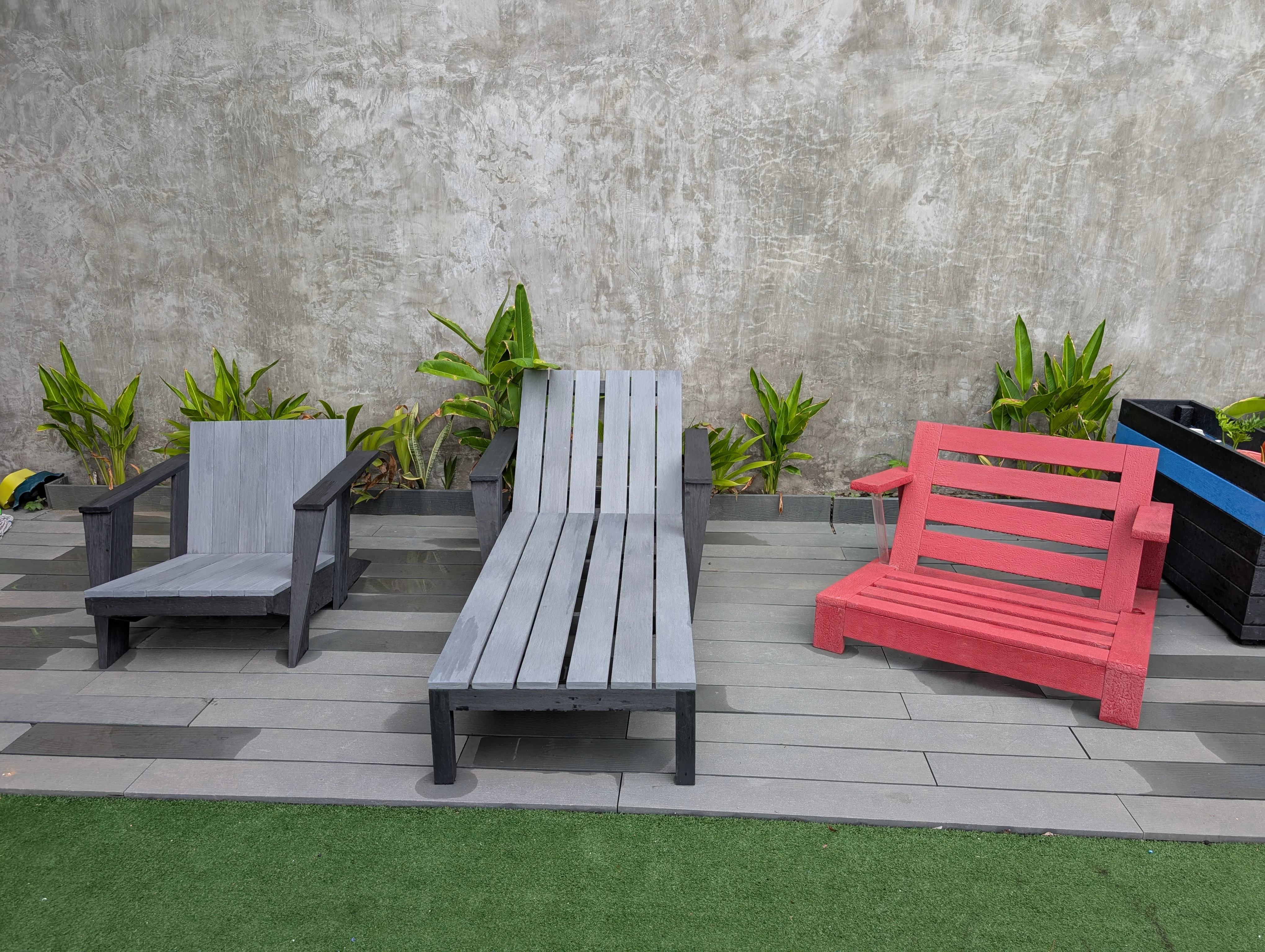
  • Products Processed: Plastic Sand Composite Beach Bench Lumber Planks: Produces multi-color, lightweight composite planks that are thirty to forty percent lighter than concrete, completely waterproof, and immune to saltwater and UV degradation.
  • Why 400 Ton Hydraulic Press: Delivers the high compaction force needed to fully consolidate long, thick plastic-sand planks, eliminating internal voids while maintaining tight tolerances across extended mold lengths.

02 — Technical Specifications

SM 400 HP – Hydraulic Press Machine Complete Technical Data

The SM 400 Hydraulic Press Machine is a heavy-duty industrial compression molding press designed specifically for high-density molding of plastic-sand composite lumber planks and beach benches. It delivers uniform pressure distribution and consistent thermal-compaction cycles to process recycled plastic and sand mixtures efficiently.

Capacity

  • Pressing Force: 400 Ton / 4000 KN
  • Production Rate: 20 Planks per Hour to 30 Planks per Hour

Structural Design

  • Frame Type: Heavy Duty H Frame Closed Box Type Fabricated Steel Structure
  • Columns: 4 Pillar High Tensile Hard Chrome Plated Steel Columns

Hydraulic System

  • Main Ram Stroke: 700 mm
  • Working Hydraulic Pressure: 250 Bar / 25 MPa
  • Daylight Gap: 1000 mm
  • Approach Speed: 100 mm per Sec
  • Pressing / Drawing Speed: 8 mm per Sec to 12 mm per Sec
  • Return Speed: 90 mm per Sec
  • Bed / Platen Size Platen: 2500 mm Length by 1000 mm Width
  • Working Envelope: 2500 mm by 1000 mm by 1000 mm

Control System

  • Main Motor Power: 37 kW / 50 HP Electric Motor
  • Valves & Hydraulics: Manifold Block Assembly with Proportional Control and Overload Relief Valves
  • Automation: Fully Automatic Programmable Logic Controller PLC with Touch Screen Human Machine Interface HMI
  • Safety Features: Photoelectric Light Curtains Emergency Stop Push Buttons Dual Anti Tie Down Two Hand Controls and Overpressure Protection Valves

SM 400 HP — Model Specifications

  • Nominal Force: 4000 KN
  • Maximum Hydraulic Pressure: 25 MPa
  • Max Opening Height of the Slider: 1250 mm
  • Max Stroke of the Slider: 800 mm
  • Effective Bed Size: 1260 × 1160 mm
  • Slider Down Speed: 100 mm/s
  • Slider Pressing Speed: 7–12 mm/s
  • Slider Return Speed: 100 mm/s
  • Ejector Cylinder Nominal Force: 400 KN
  • Stroke of the Ejection Cylinder: 300 mm
Production Case Study

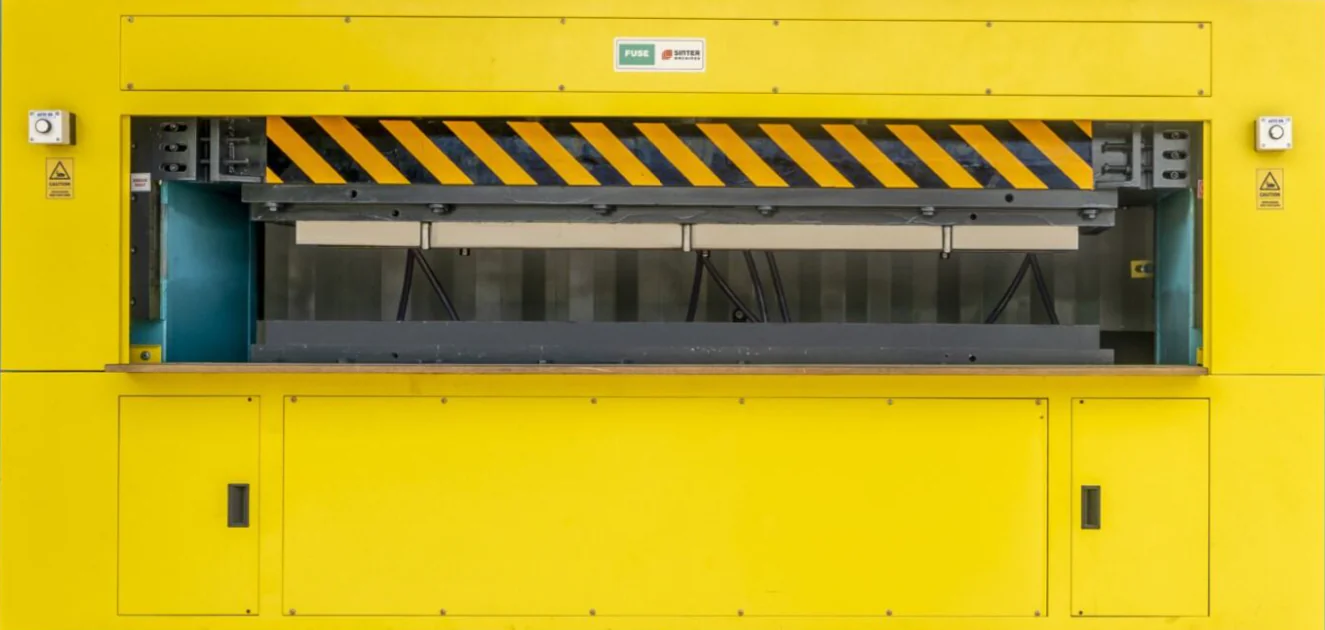
400 Ton Plastic Sand Composite Beach Bench Lumber Planks Production Line

Plastic Sand CompositeMaterial
2000 mm to 2400 mmPlank Length
25 mm to 50 mmPlank Thickness
180 SecondsCycle Time
High daily output capacity
High structural composite density
Zero water absorption achieved
Superior UV weather resistance
Uniform plank dimensional accuracy
Fully automated continuous operation
Eco friendly waste recycling
03 — Die / Mold System

Precision 2 Cavity Composite Beach Bench Lumber Plank Die Mold Engineering

This precision 2-cavity mold system is engineered for simultaneous high-pressure compression molding of composite plastic-sand beach bench lumber planks. It ensures uniform heat distribution, seamless material flow, and exact dimensional consistency across high-volume production cycles.

Die Type

  • Configuration: 2 Cavity Compression Mold

Die Materials

  • Core and Cavity Steel: P20 Pre Hardened Tool Steel or Pre Hardened Die Steel
  • Base Plate Steel: IS 2062 Grade B Structural Mild Steel

Tool Configuration & Construction

  • Overall Mold Dimensions: 2600 mm Length by 950 mm Width by 450 mm Height
  • Cavity Dimensions: 2400 mm Length by 150 mm Width by 40 mm Depth
  • Ejection Mechanism: Hydraulic Ejector Pin System with Guided Ejector Plates

Key Tooling Features

  • Heating System: Integrated Electrical Cartridge Heating Elements or Hot Oil Channels
  • Cooling System: Internal Liquid Cooling Channels for Controlled Thermal Cycles
  • Degassing System: Precision Venting Channels for Air and Gas Escape

Alignment Accuracy

  • Guide Pillars and Bushing Tolerance: 0 point 0 2 mm Alignment Precision

Surface Finish

  • Cavity Texture: Mirror Polished or Textured Grain Finish to Ra 0 point 4 Value

Tool Life

  • Production Cycles: 500000 Cycles to 1000000 Cycles
Beach Bench Planks Press — die mould
Case Study (Die Performance)

Precision 2 Cavity Composite Beach Bench Lumber Plank Die Mold

P20 / H13 AlloyDie Material
58-62 HRCHardness
Vacuum HardeningHeat Treatment
High wear abrasion resistance
Precise dimensional tolerance retention
Fast thermal cycle efficiency
Excellent surface polish retention
Minimal thermal distortion under load
Extended production service life
Low maintenance downtime frequency

04 — Product Application

Where Plastic Sand Composite Beach Bench Lumber Planks Are Used

Plastic sand composite beach bench lumber planks offer an eco-friendly, weather-resistant alternative to traditional timber and plastic timber in demanding environmental applications. Their high structural strength and resistance to moisture, salt spray, and UV decay make them ideal for heavy-duty outdoor infrastructure.

Industry Applications

Coastal and Marine Infrastructure

Plastic sand planks excel along boardwalks, piers, and beachfront walkways where high salinity and moisture rot conventional wood. They resist salt corrosion, splintering, and decay, providing long-lasting decking solutions with zero moisture absorption.

Municipal Parks and Public Spaces

Ideal for public park benches, picnic tables, trash receptacles, and outdoor perimeter fencing across urban recreational areas. These composite planks withstand heavy daily public usage, resist graffiti or impact damage, and require virtually no painting or ongoing maintenance.

Resort and Hospitality Amenities

Widely used in coastal resorts, poolside decking, outdoor lounge seating, and patio furniture installations where aesthetic durability is essential. The material retains its structural integrity under constant sun exposure while maintaining a smooth, splinter-free surface for guest safety.

Industrial and Commercial Landscaping

Applied in heavy-duty retaining walls, walkway borders, garden bed edging, and industrial sound barriers exposed to harsh soil conditions. The composite material resists insect infestation, soil moisture degradation, and chemical runoff without leaching toxic preservatives into surrounding environments.

Finished Product Gallery

05 — Key Advantages

Why Choose the 400-Ton Sinter Hydraulic Press

The 400-Ton Sinter Hydraulic Press provides an optimized balance of high structural force and precise thermal-compaction cycles for plastic sand composite manufacturing. This specialized machinery ensures superior product density, reduced operational energy consumption, and high commercial profitability for industrial composite production.

01

Maximum Structural Density and Mechanical Strength

The continuous 400-ton hydraulic compression force eliminates internal air pockets and voids within the dense plastic-sand mixture. This produces composite planks with high flexural strength, superior load-bearing capacity, and enhanced resistance to heavy impact.

02

High Precision Thermal Compaction Control

Advanced hydraulic proportional valves and automated PLC timing ensure precise dwell pressure during the cooling and setting phases. This prevents dimensional warping, minimizes internal stress, and ensures exact thickness uniformities across every plank.

03

Superior Energy Efficiency and Reduced Operating Costs

Equipped with an optimized hydraulic manifold block and energy-efficient motor system that draws power selectively during pressing cycles. This operational efficiency significantly lowers electrical consumption per plank, directly boosting profit margins.

04

Extreme Weathering and Environmental Durability

By forcing the molten polymer to completely coat every sand grain under intense pressure, the press creates a completely non-porous lumber product. The resulting planks are 100% waterproof, immune to marine salt corrosion, UV degradation, and termite damage.

05

Accelerated Cycle Times and High Yield

High-speed approach and return hydraulics combined with rapid pressure buildup minimize total dry-cycle times during production. This enables high-volume output of up to 30 planks per hour, maximizing overall factory production throughput.

06

Low Maintenance and Extended Machine Service Life

Built with a heavy-duty H-frame structure, hard-chrome plated guide columns, and integrated overpressure safety valves to withstand continuous heavy industrial use. This rugged construction minimizes maintenance downtime and ensures long-term operational reliability.