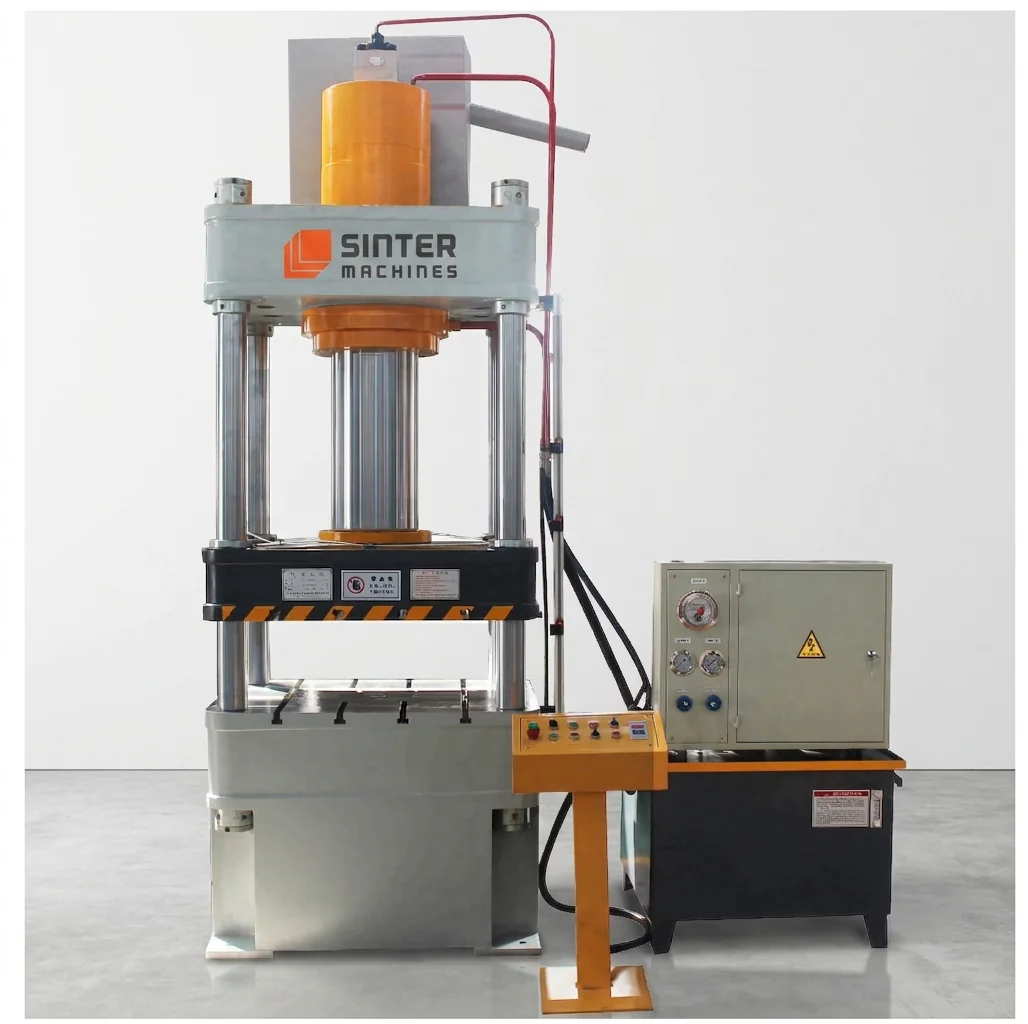
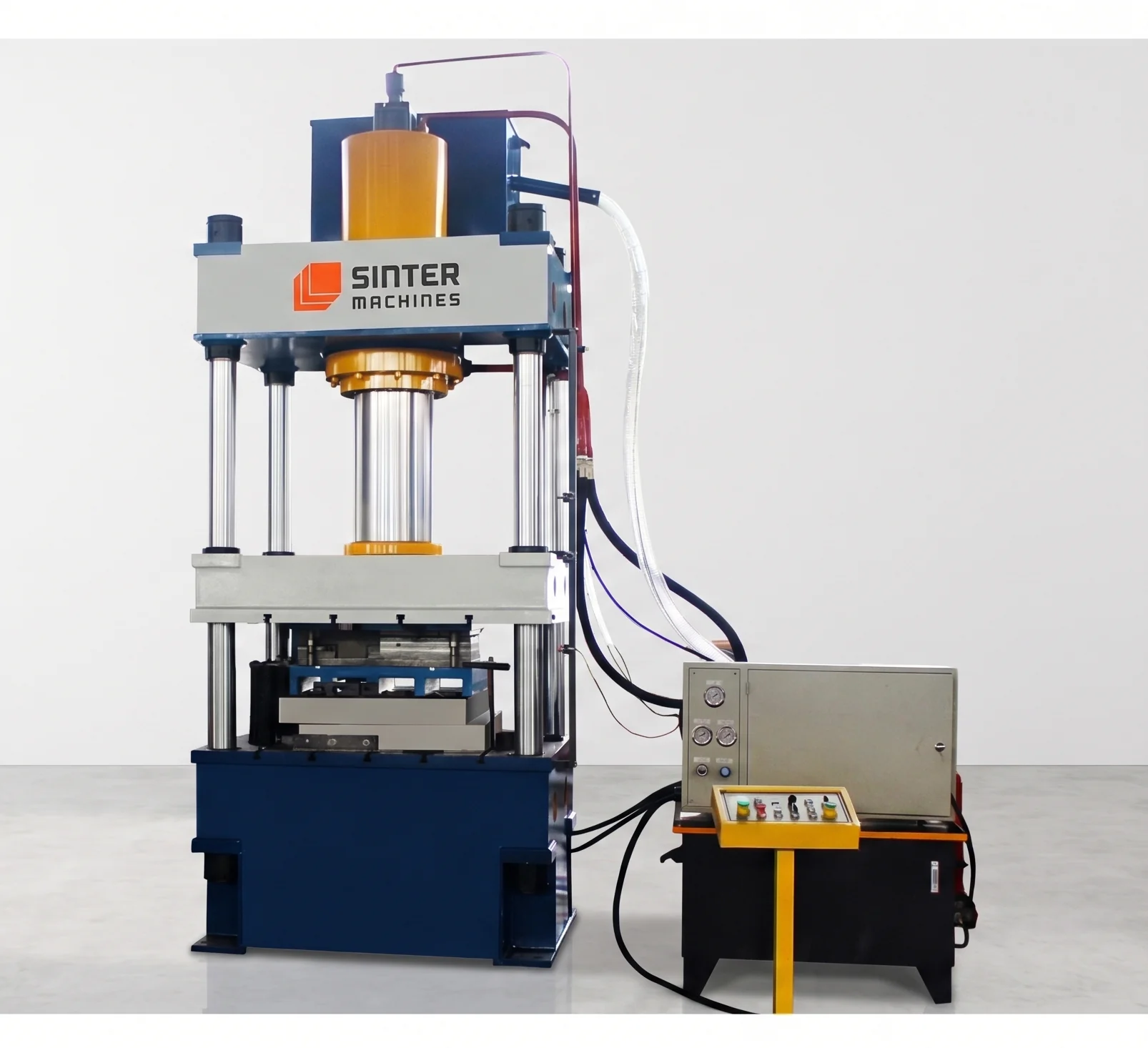
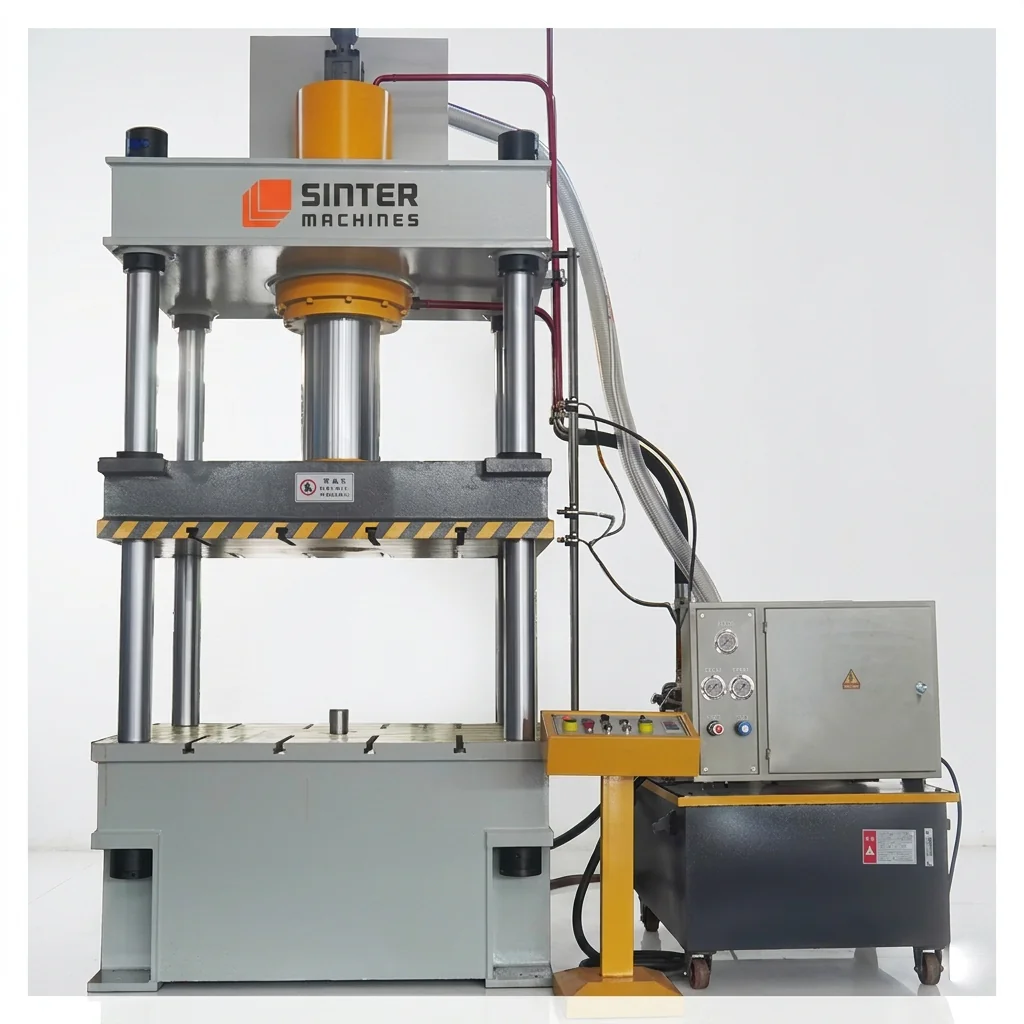
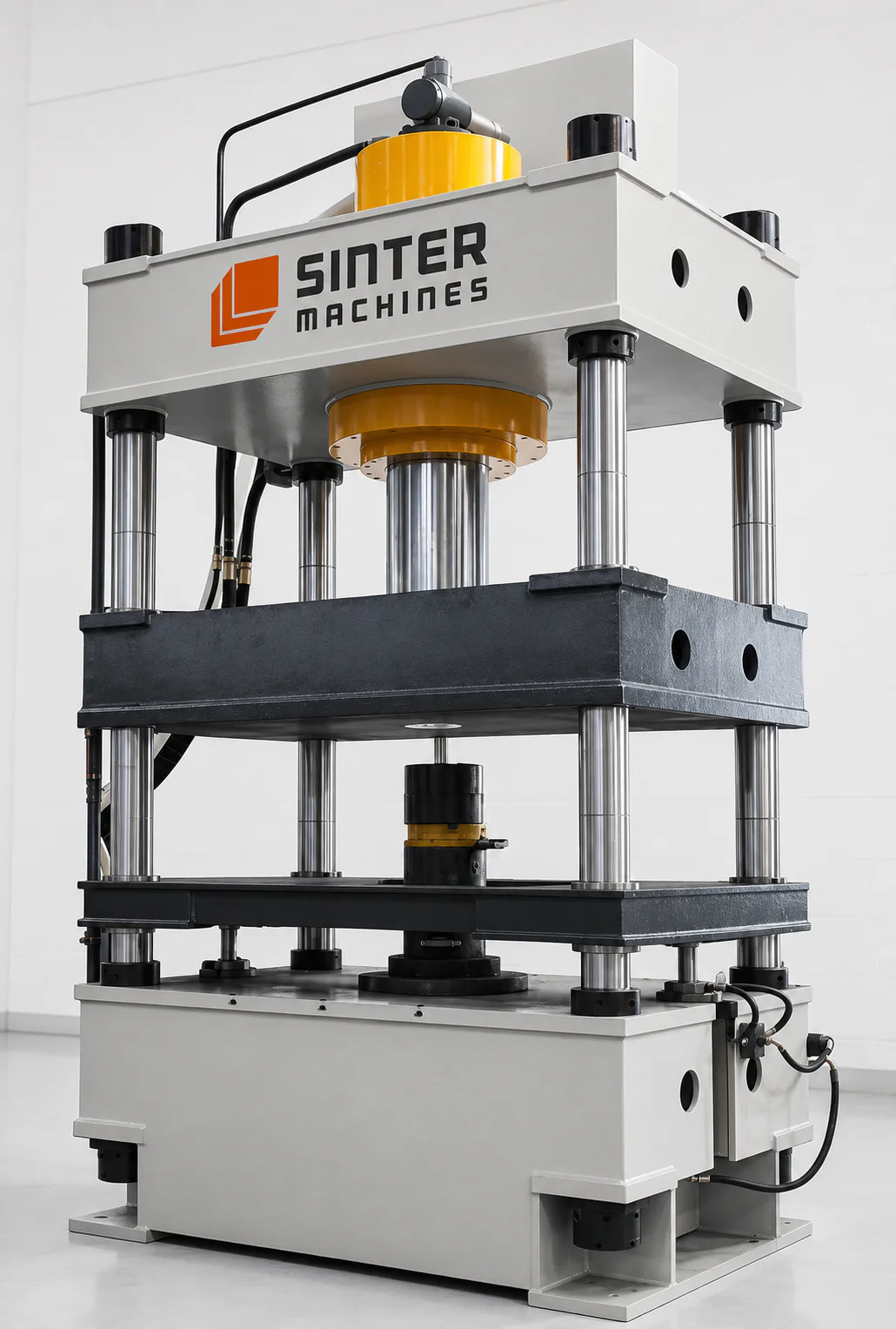
200T Trimming forged & cast parts Press press view 1
Trimming Forged & Cast Parts · Hydraulic Press Machine

200 Ton Four Pillar Hydraulic Press for Trimming excess material from forged & Cast parts

200T Rated Capacity
100 mm/s Slider Down Speed
7–18 mm/s Slider Pressing Speed
90 mm/s Slider Return Speed

01 — Press System

200 Ton Four Pillar Hydraulic Press Machine

The 200-ton four-column hydraulic press from Sinter Hydraulics India provides a highly reliable, precise manufacturing solution engineered for continuous punching and flash trimming operations. This system integrates controlled trimming forces with robust structural guidance to deliver clean cuts, long tooling life, and seamless automated powertrain line compatibility.

Use Case

Forged and cast automotive components require clean flash removal, runner separation, and precision port piercing to achieve target geometries before final machining. The press system maintains exceptionally tight dimensional tolerances across high-volume production batches while processing brittle or high-strength structural alloys.

Core Applications: Automated perimeter flash trimming, casting runner and gate separation, secondary port piercing, mounting hole cutting, and part geometry preparation for downstream CNC machining lines.

Material: High-strength forged carbon steels, alloy steels, structural cast aluminum, ductile iron, and specialized high-temperature powertrain alloys.

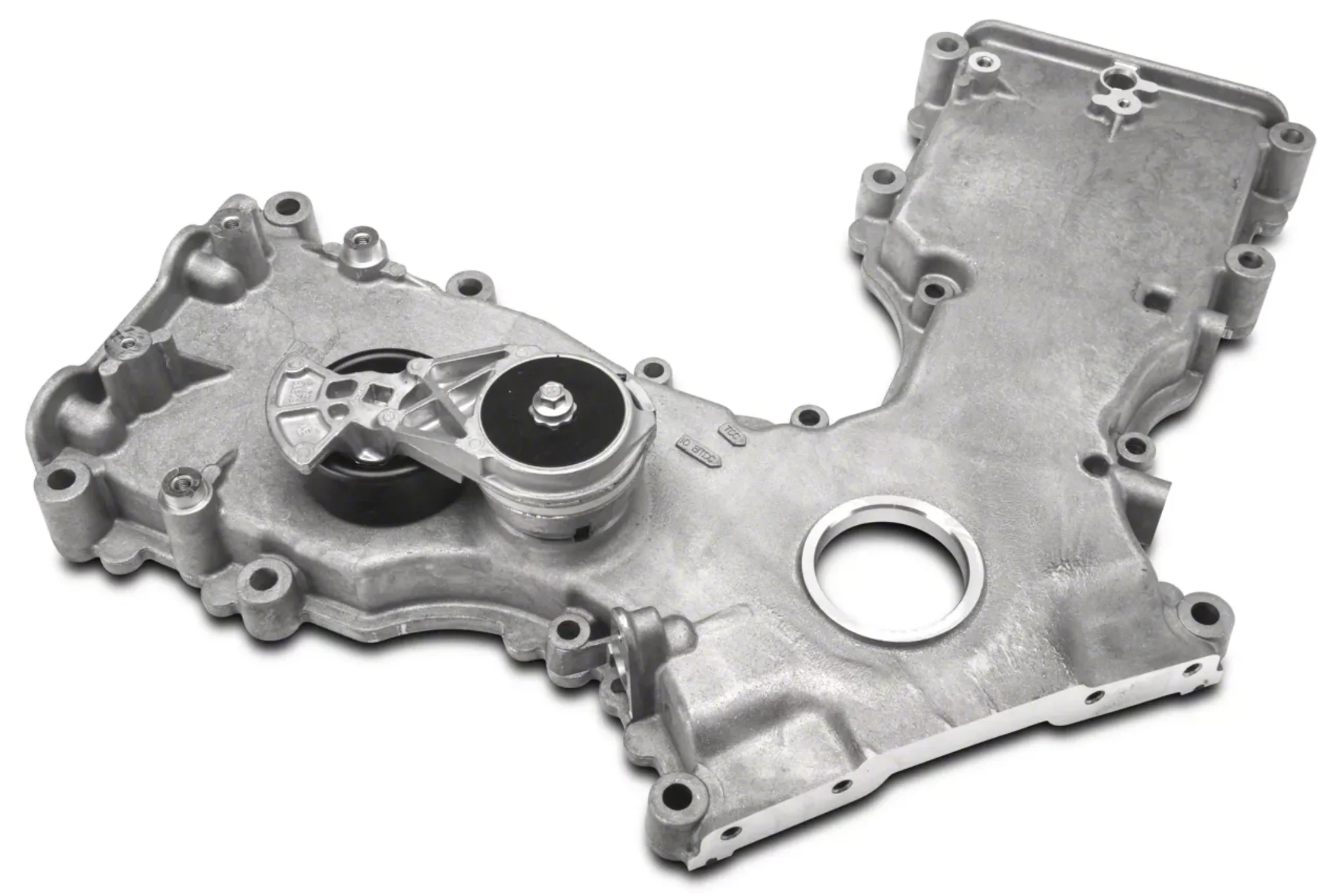
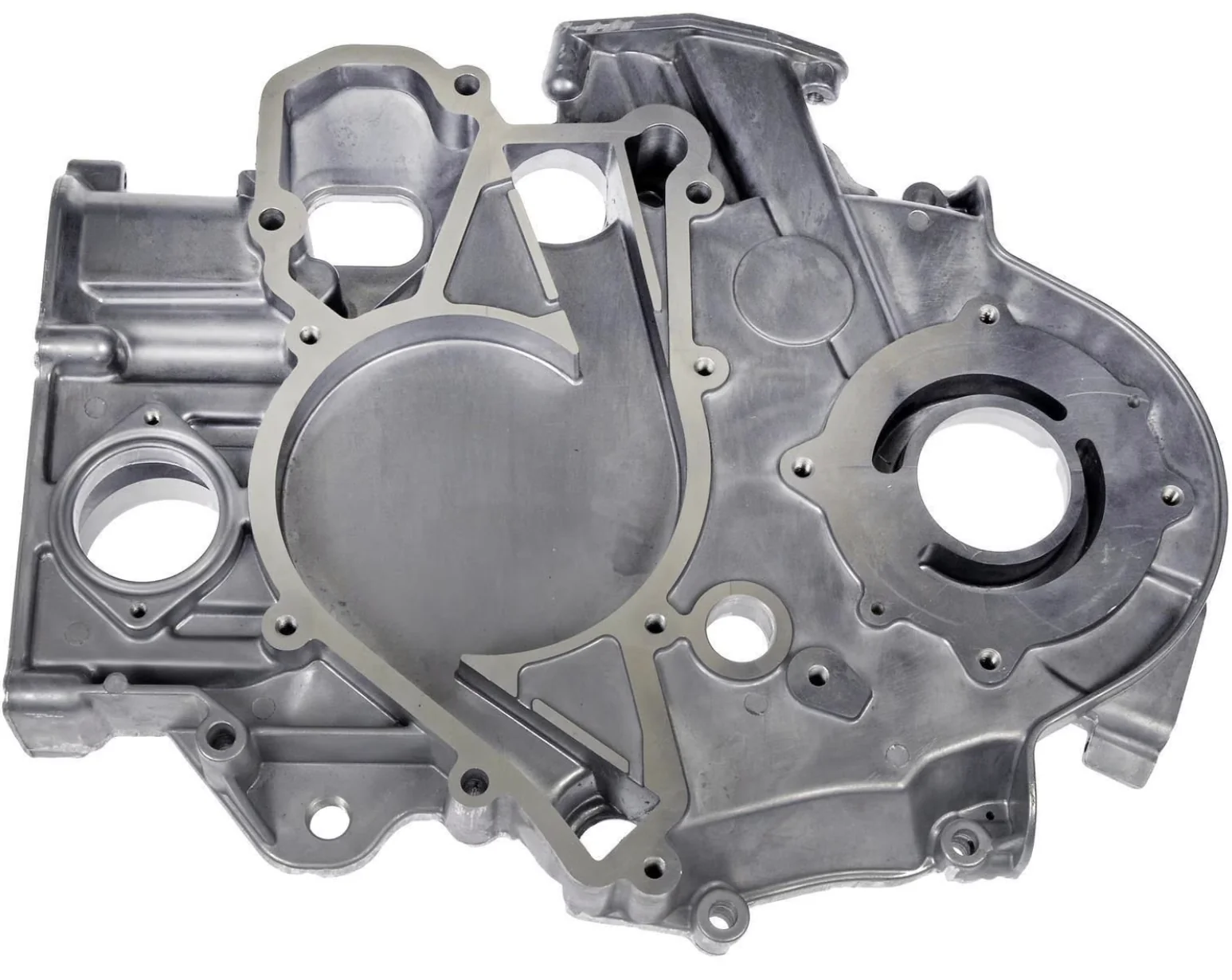
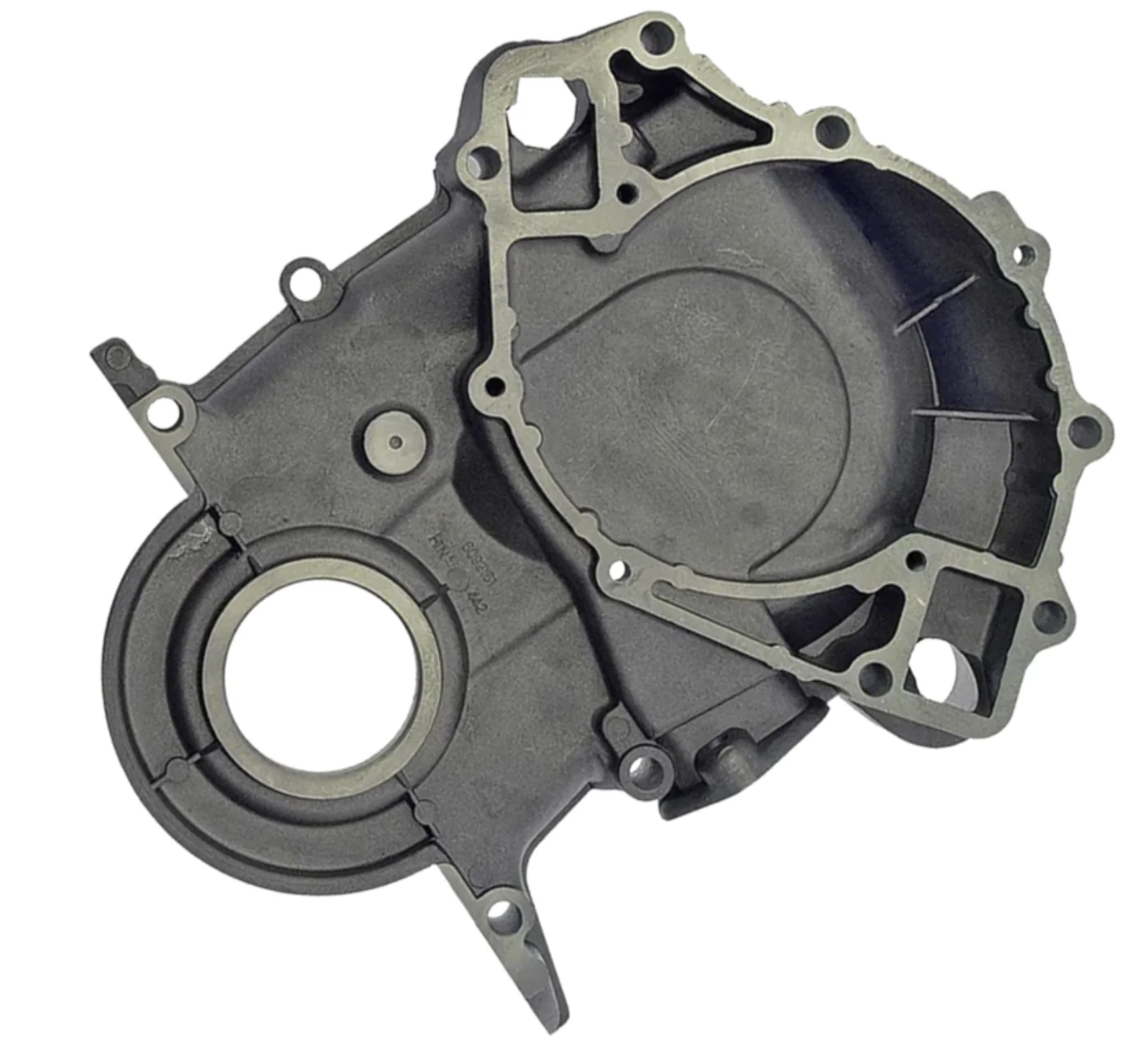
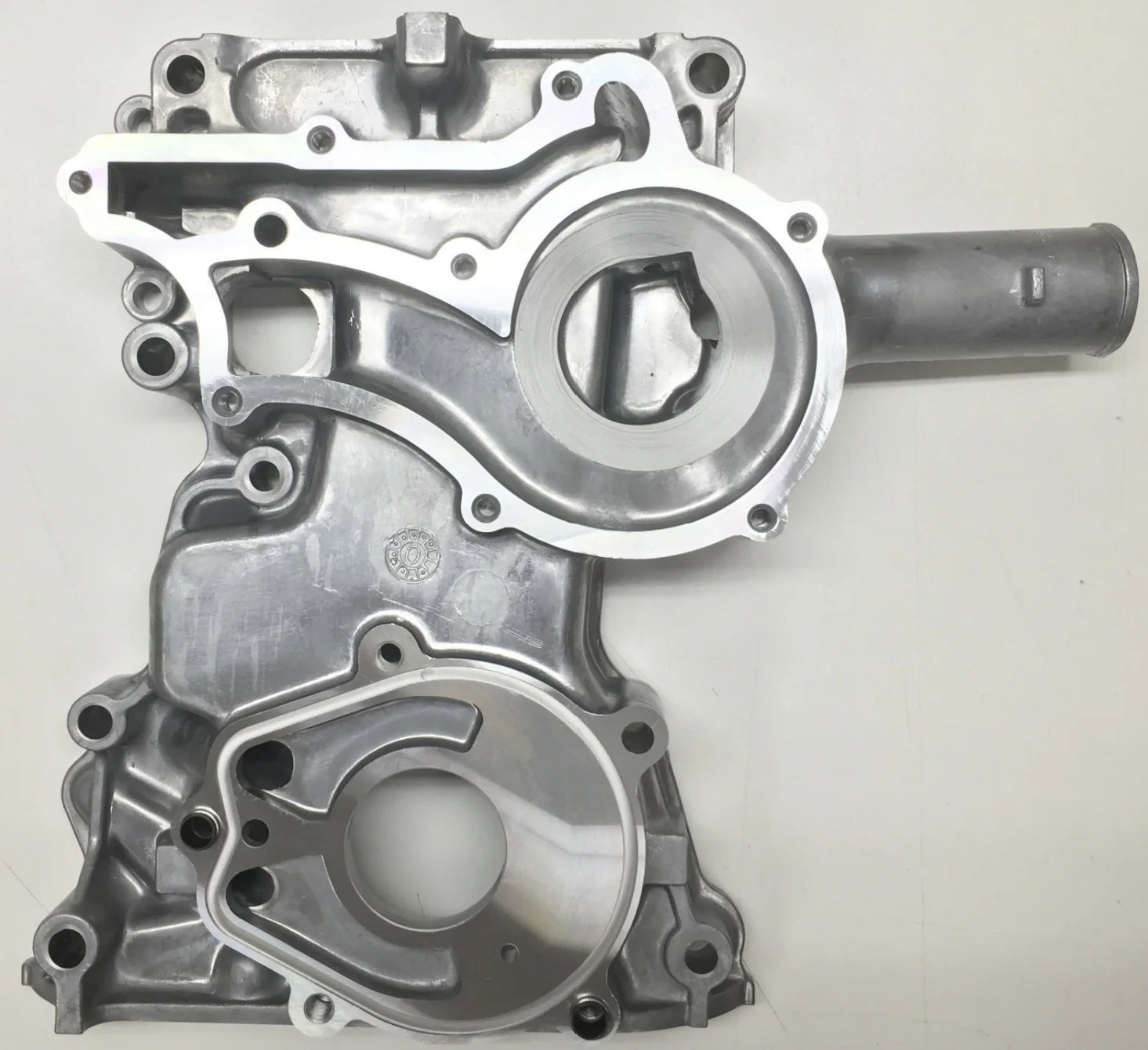
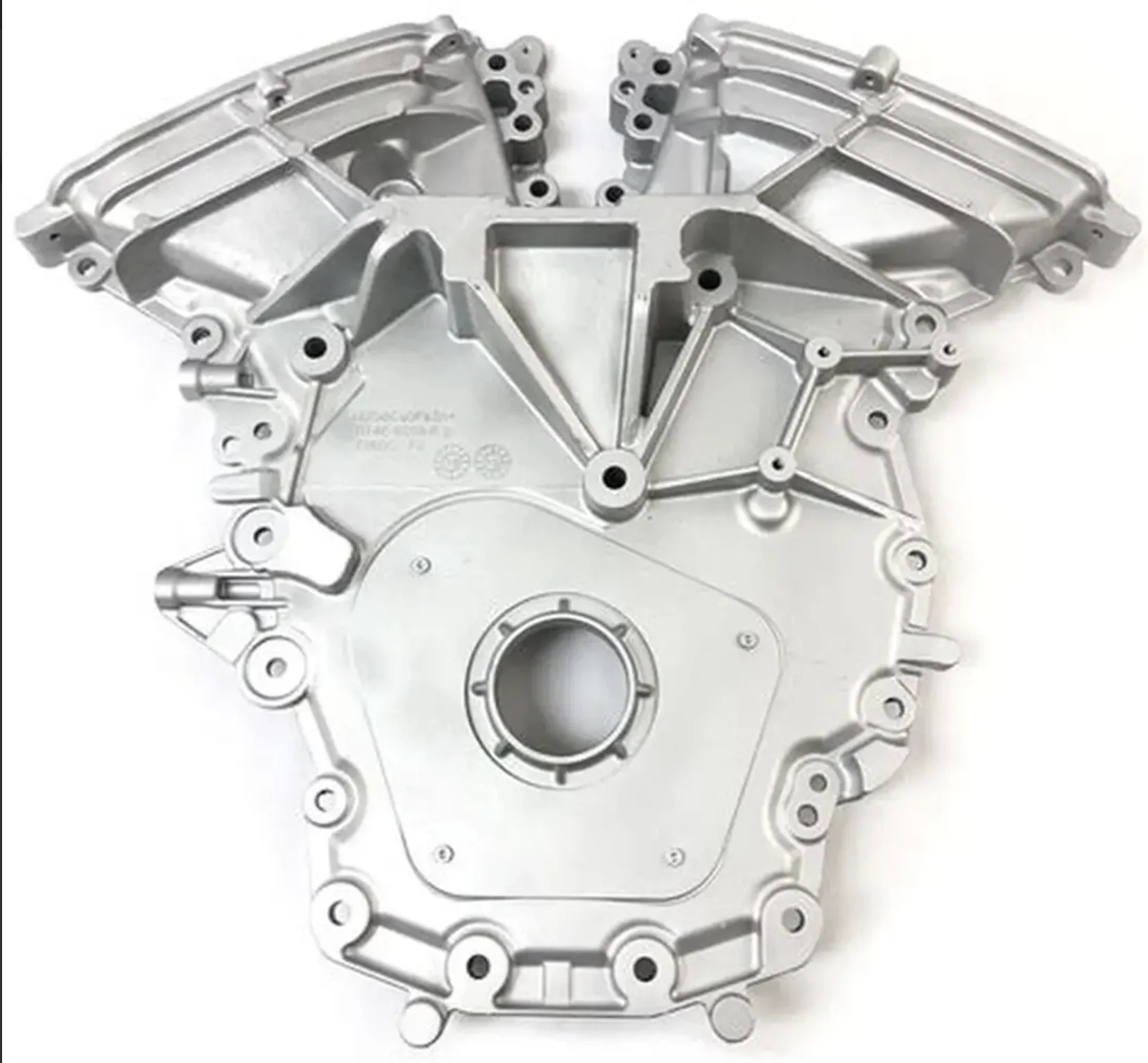
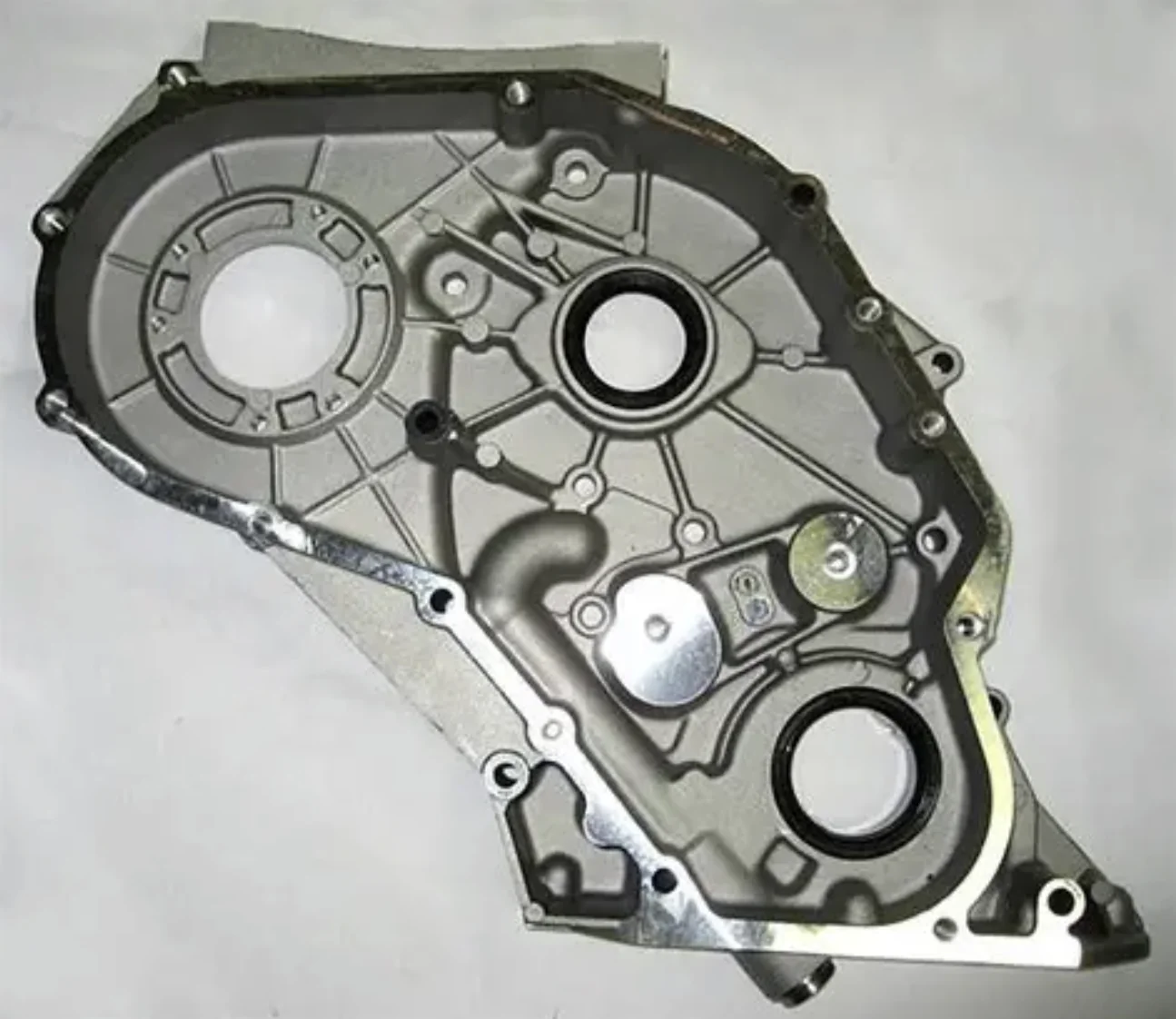
Typical Products Formed: Forged engine connecting rods, transmission housings, steering knuckles, cast valve bodies, suspension control arms, and crankshaft blank configurations.

Key Functions: Supplies heavy concentrated shearing forces, strips parting line flash cleanly, punches oil passages simultaneously, and absorbs high-impact breakthrough shock to protect internal microstructures.

Why 200-Ton Hydraulic Press?: It supplies the optimal tonnage required to shear heavy, irregular forge flash effortlessly, while its rigid four-pillar guidance eliminates lateral slide deflection to prevent stress fractures in delicate cast structures.

02 — Technical Specifications

SM 200 HP – HYDRAULIC PRESS MACHINE COMPLETE TECHNICAL DATA

The SM 200 HP hydraulic press machine incorporates an ultra-rigid four-column architecture engineered specifically for the punishing shock loads of forge flash trimming and cast runner removal. This technical data profile provides the fast cycle speeds, deep strokes, and advanced breakthrough shock absorption required to process irregular heavy components without cracking the material.

Technical Data

Capacity: Nominal press force rating of 200 ton

Structural Design: Heavy duty stress relieved four pillar construction

Frame Type: Rigid upright pillar structural geometry

Hydraulic System: High pressure variable displacement axial piston pump architecture

Main Ram Stroke: Maximum linear travel distance of 450 mm

Working Hydraulic Pressure: Continuous operational fluid limit of 240 bar

Daylight Gap: Maximum vertical open window height of 750 mm

Approach Speed: Rapid downward advance rate of 210 mm/Sec

Pressing / Drawing Speed: High force precision shearing and trimming rate from 12 to 25 mm/Sec

Return Speed: Accelerated upward retract velocity of 170 mm/Sec

Bed / Platen Size Platen: Total structural table footprint of 1000 mm by 900 mm

Columns: Four solid induction hardened steel pillars measuring 135 mm diameter

Working Envelope: Total internal processing volumetric clearance area of 1000 mm by 900 mm by 750 mm

Control System: Central programmable logic controller integrated with real time touchscreen human machine interface

Main Motor Power: High efficiency heavy duty electric drive rated at 30 kW

Valves & Hydraulics: Manifold block assembly equipped with fast acting proportional control and anti shock breakthrough valves

Automation: Integrated hydraulic component ejector mechanism and multi axis pick and place robotic arm interface linkage

Safety Features: Dual hand touch control buttons, digital safety light curtains, and automatic hydraulic pressure relief protection valves

SM 200 HP — Model Specifications

  • Nominal Force: 2000 KN
  • Maximum Hydraulic Pressure: 25 MPa
  • Max Opening Height of the Slider: 900 mm
  • Max Stroke of the Slider: 600 mm
  • Effective Bed Size: 800 × 800 mm
  • Slider Down Speed: 100 mm/s
  • Slider Pressing Speed: 7–18 mm/s
  • Slider Return Speed: 90 mm/s
  • Ejector Cylinder Nominal Force: 200 KN
  • Stroke of the Ejection Cylinder: 200 mm
Production Case Study

Trimming excess material from forged & Cast parts Production Line

3 – 8 mmFlash Thickness
500 × 600 mmBlank Size
5–10 secondsCycle time
500-650 PartsOutput/Hour
Flash perimeters cleanly stripped
Component rework drastically lowered
Micro cracking completely prevented
Production throughput maximized
Tooling life significantly extended
Downstream machining time reduced
Dimensional tolerances perfected

03 — Die / Mold System

Precision Trimming excess material from forged & Cast parts Die Mold Engineering

This system utilizes precision-engineered die sets designed to shear and clean flash from components. It ensures dimensional accuracy and smooth edges on workpieces after the initial shaping process.

Technical Specifications (Tooling)

Die Type

  • Mechanical trimming and piercing die set
  • Hydraulic integration capability for progressive operations

Die Materials

  • Premium AISI H13 hot work tool steel
  • Tungsten carbide inserts in high-wear zones

Tool Configuration and Construction

  • Modular matrix design with easily replaceable punch segments
  • Heavy-duty cast iron die shoes with robust pillar guide setups

Key Tooling Features

  • Integrated scrap cutters to split and drop waste material
  • Dual-acting spring strippers for clean component ejection

Alignment Accuracy

  • Guide pillar clearance maintained under 0.02 mm
  • Punch-to-die concentricity tolerance of 0.01 mm per side

Materials Formed

  • Hot and cold forged carbon steel alloys
  • Die-cast aluminum and zinc components

Surface Finish

  • Working cutting edges polished down to Ra 0.4 microns
  • Nitrided coating layer thickness of 0.1 mm for friction reduction

Tool Life

  • Expected lifespan of 500000 production cycles before major regrind
  • Total structural tool life exceeding 3000000 production cycles
Case Study (Die Performance)

Precision Trimming Excess Material from Forged & Cast Parts Die Mold

AISI H13Die Material
Vacuum HardeningHeat Treatment
52-54Hardness
Production downtime decreased 40 percent
Part rejection rate fell below 0.5 percent
Tool lifespan extended to 600000 cycles
Trimming cycle times reduced by 1.5 seconds
Scrap clearance efficiency improved 25 percent
Regrinding frequency cut by half entirely

04 — Product Application

Where Precision Automotive Forged & Cast Parts Are Used

Industry Applications

Powertrain Systems

Forged crankshafts, connecting rods, and camshafts transmit heavy mechanical loads within the internal combustion engine setup. These high-strength components ensure smooth power delivery and rotational balance under severe operating conditions over long vehicle lifespans.

Chassis and Suspension

Cast aluminum control arms, steering knuckles, and forged wheel hubs attach the vehicle frame directly to the wheel assemblies. They absorb high-impact road forces and maintain precise alignment to deliver predictable handling characteristics and passenger safety.

Drivetrain and Transmission

Precision-forged differential gears, output shafts, and transmission gear blanks transfer engine torque cleanly to the drive wheels. Their tight dimensional tolerances minimize energy losses, reduce cabin noise levels, and prevent premature gear tooth wear.

Braking Components

Heavy-duty cast iron brake calipers, rotors, and mounting brackets provide the structural rigidity needed to squeeze brake pads securely. They manage extreme friction and dissipate high thermal loads effectively to prevent brake fade during sudden stops.

Finished Product Gallery

05 — Key Advantages

Why Choose the 200-Ton Sinter Hydraulic Press

The 200-Ton Sinter Hydraulic Press delivers extreme structural rigidity and precision programmable controls tailored for manufacturing high-density automotive components. It optimizes material compaction to eliminate post-processing steps while maximizing production throughput and cost efficiency.

Technical & Commercial Benefits

01

Superior Microstructure and Part Density

The press exerts uniform pressure distribution across complex geometries to eliminate internal voids and structural porosity in parts. This mechanical consistency yields exceptional fatigue resistance and structural integrity that meets strict automotive safety standards.

02

Micro-Precision Stroke and Repeatability

Advanced proportional hydraulic valves maintain absolute stroke positioning tolerances down to a fraction of a millimeter per cycle. This high level of repeatability keeps component dimensions uniform, significantly cutting down on raw material waste.

03

Multi-Stage Programmable Compaction Profiles

Operators can easily program distinct multi-step velocity and pressure profiles to accommodate complex powder formulations and shapes. This flexibility prevents internal cracking during the critical ejection phase, maximizing yield rates for intricate parts.

04

Rapid Cycle Times and High Throughput

Fast approach and retraction speeds minimize dead time within the pressing cycle to boost daily production volumes. Accelerating the cycle time lowers the per-part manufacturing cost, giving commercial operations a significant competitive edge.

05

Reduced Post-Processing and Machining Costs

The system achieves near-net-shape components straight out of the mold, eliminating the need for extensive secondary machining operations. Saving these processing steps directly reduces labor costs and shortens overall factory lead times.

06

Low Energy Consumption and Long Tool Life

Variable-frequency pump drives scale back power consumption during dwell times when the press is not actively moving. Smooth hydraulic transitions also limit physical shock to the die molds, extending the lifespan of expensive tooling.