01 — Press System
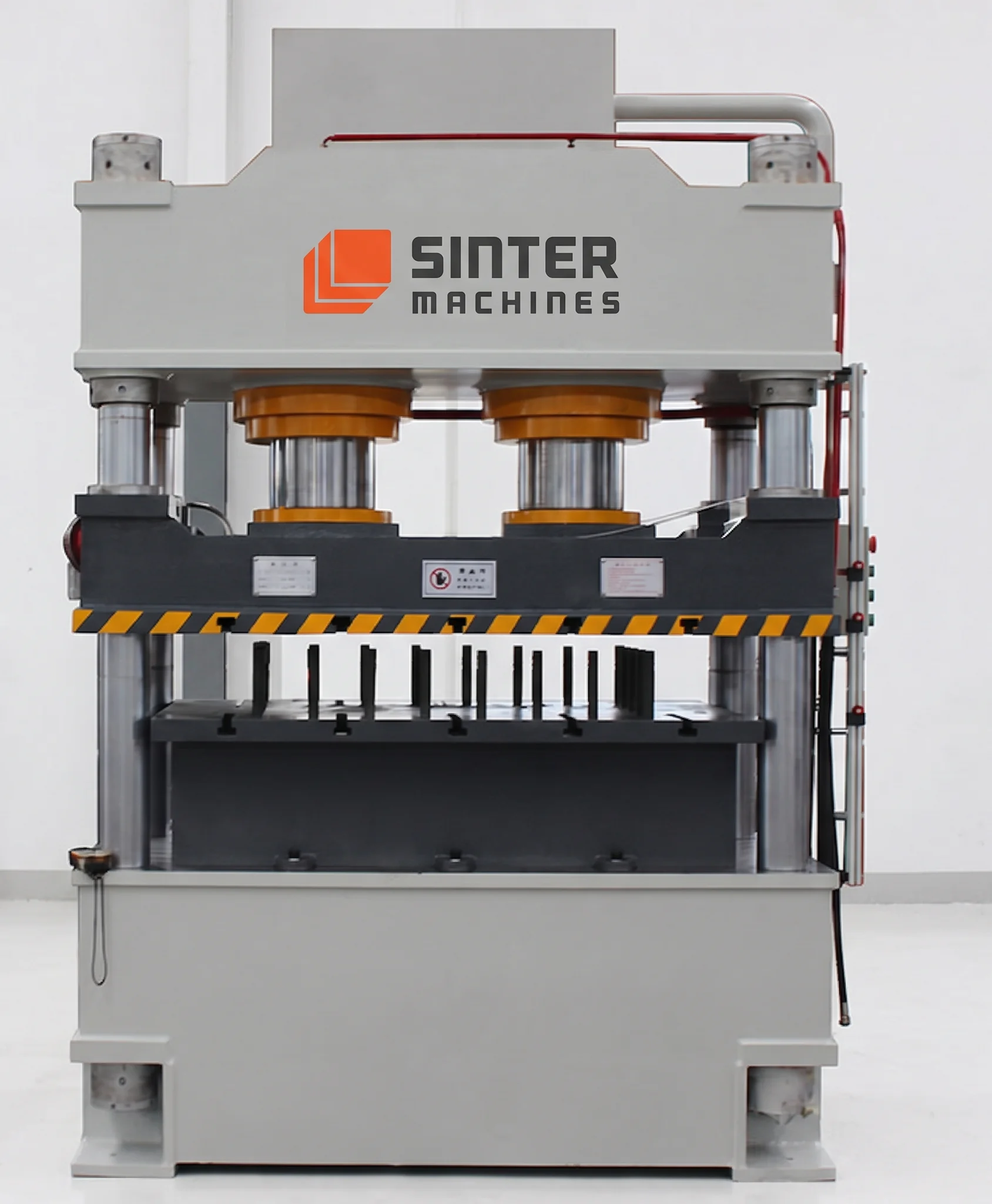
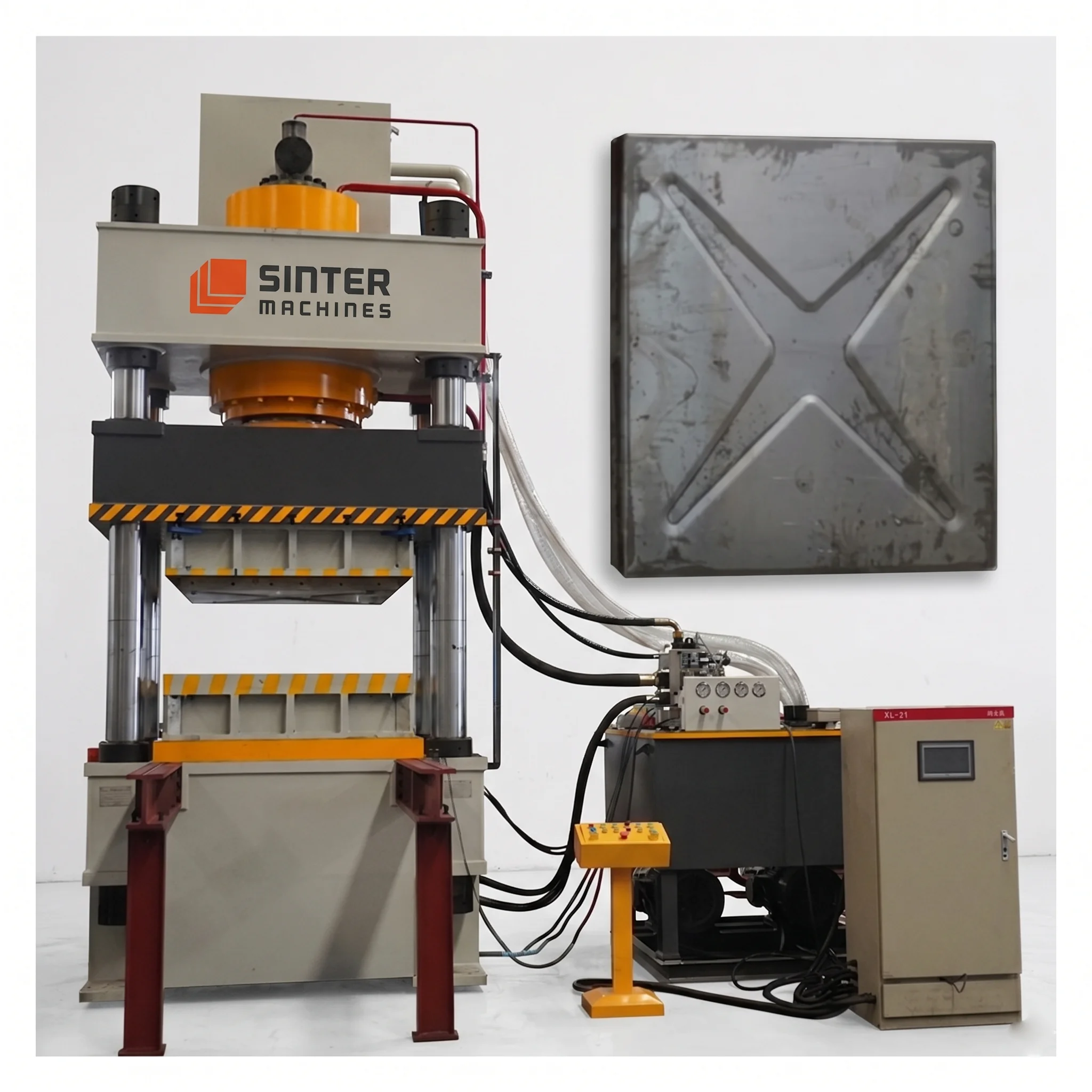
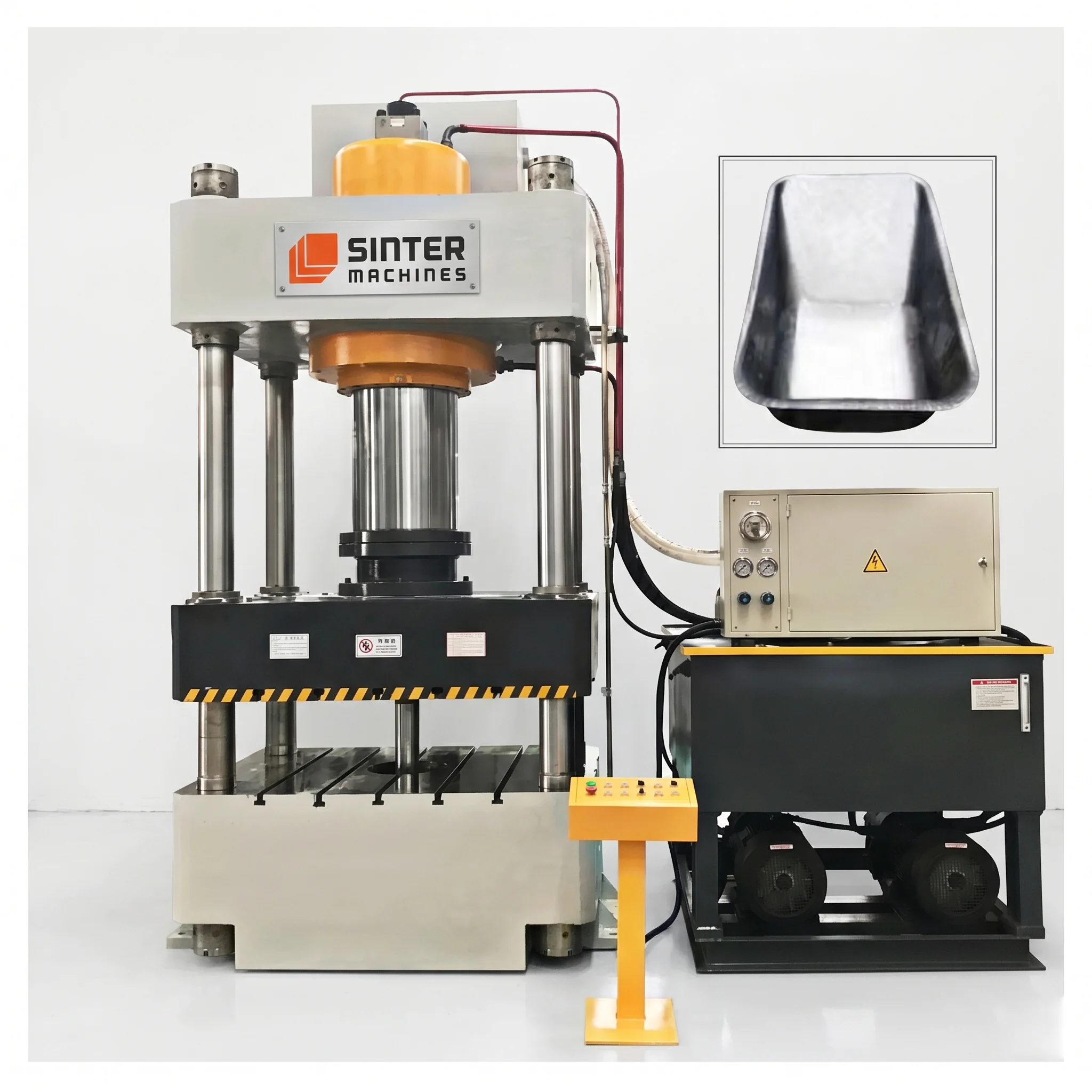
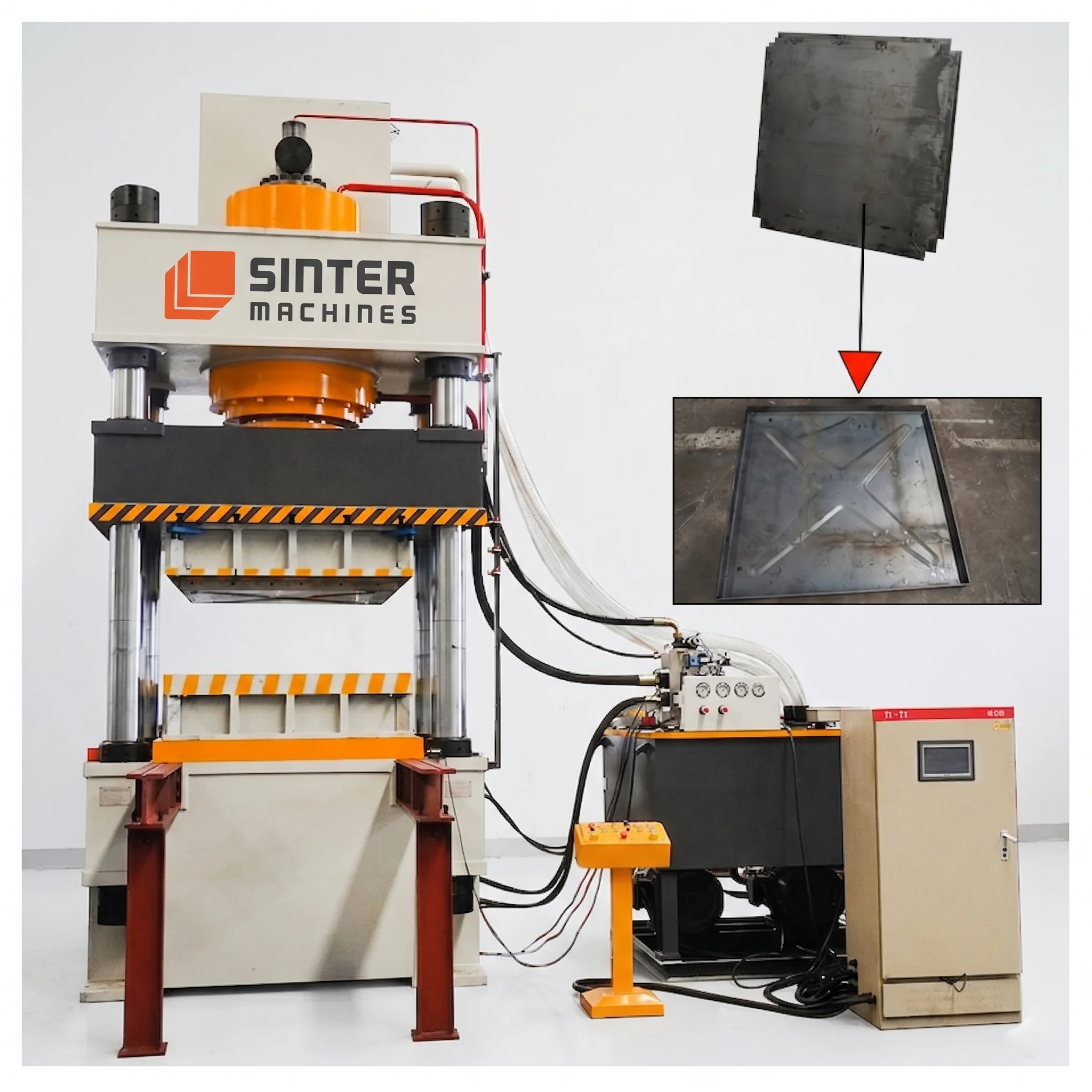
800T Four Column Hydraulic Press Machine
The 800-ton four-pillar hydraulic press is an ideal solution for manufacturing high-precision automotive components, offering exceptional tonnage control and structural stability. It delivers superior forming accuracy, consistent material thickness, and the versatility required to support ICE, hybrid, and EV production lines.
Use Case
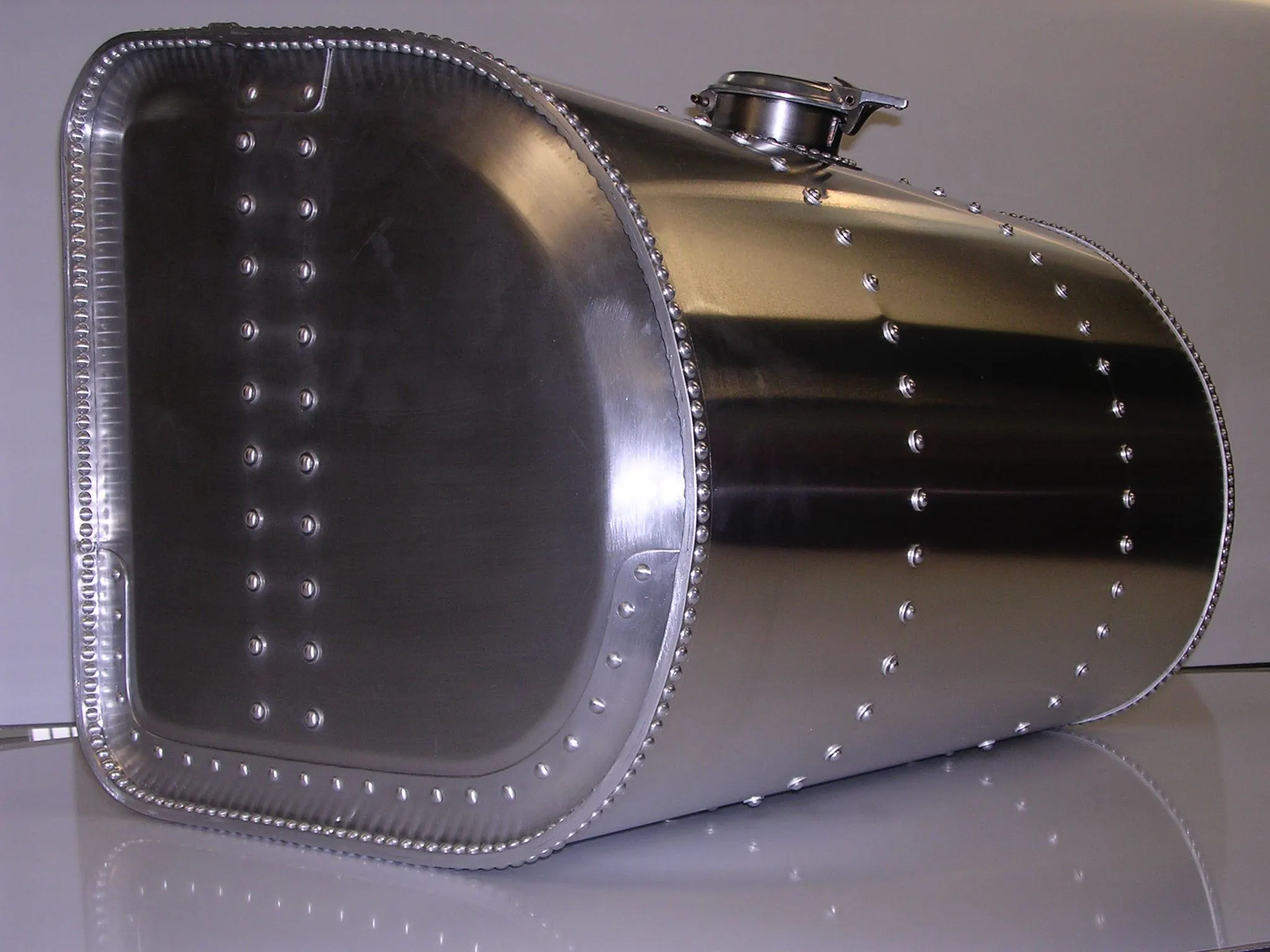
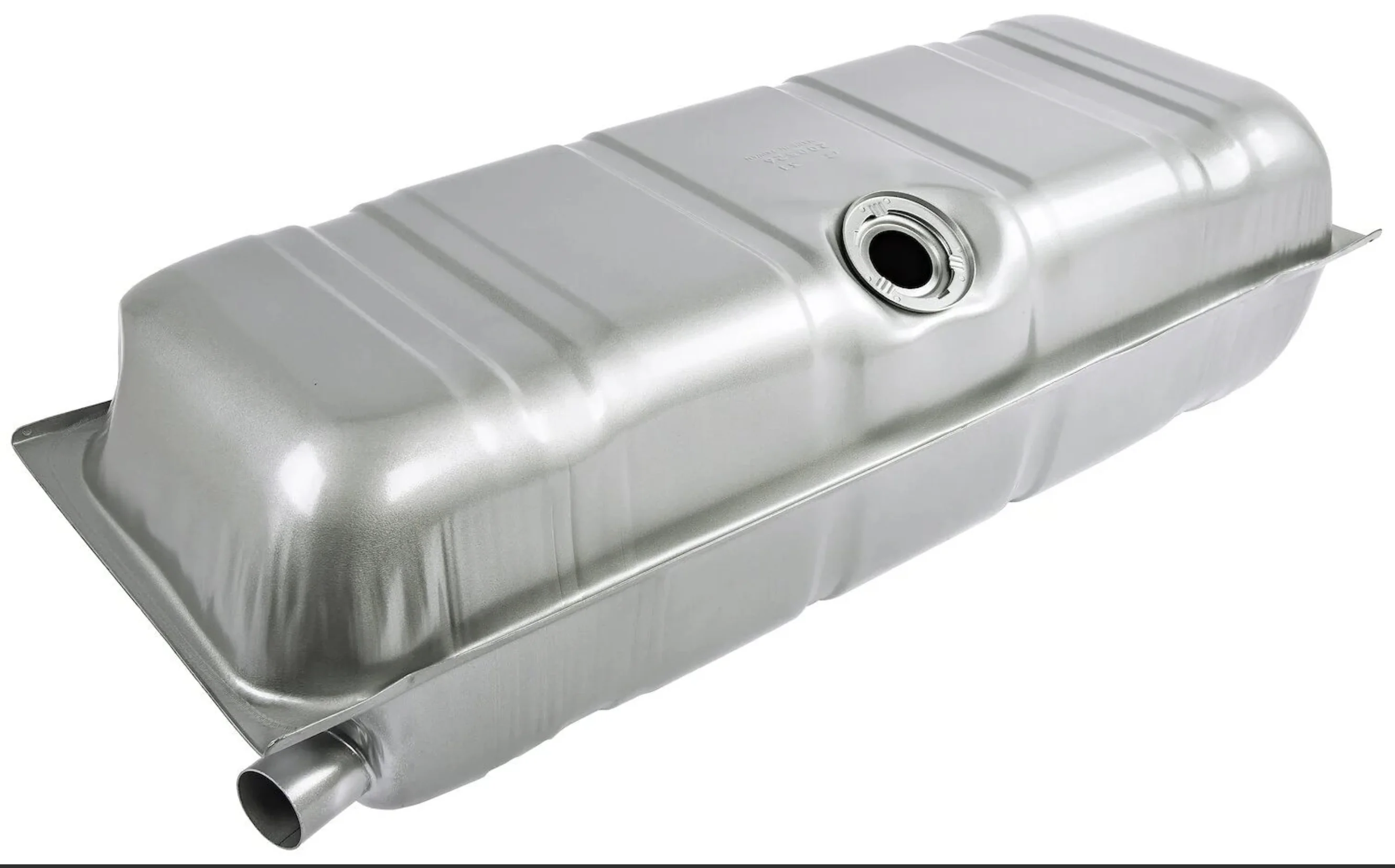
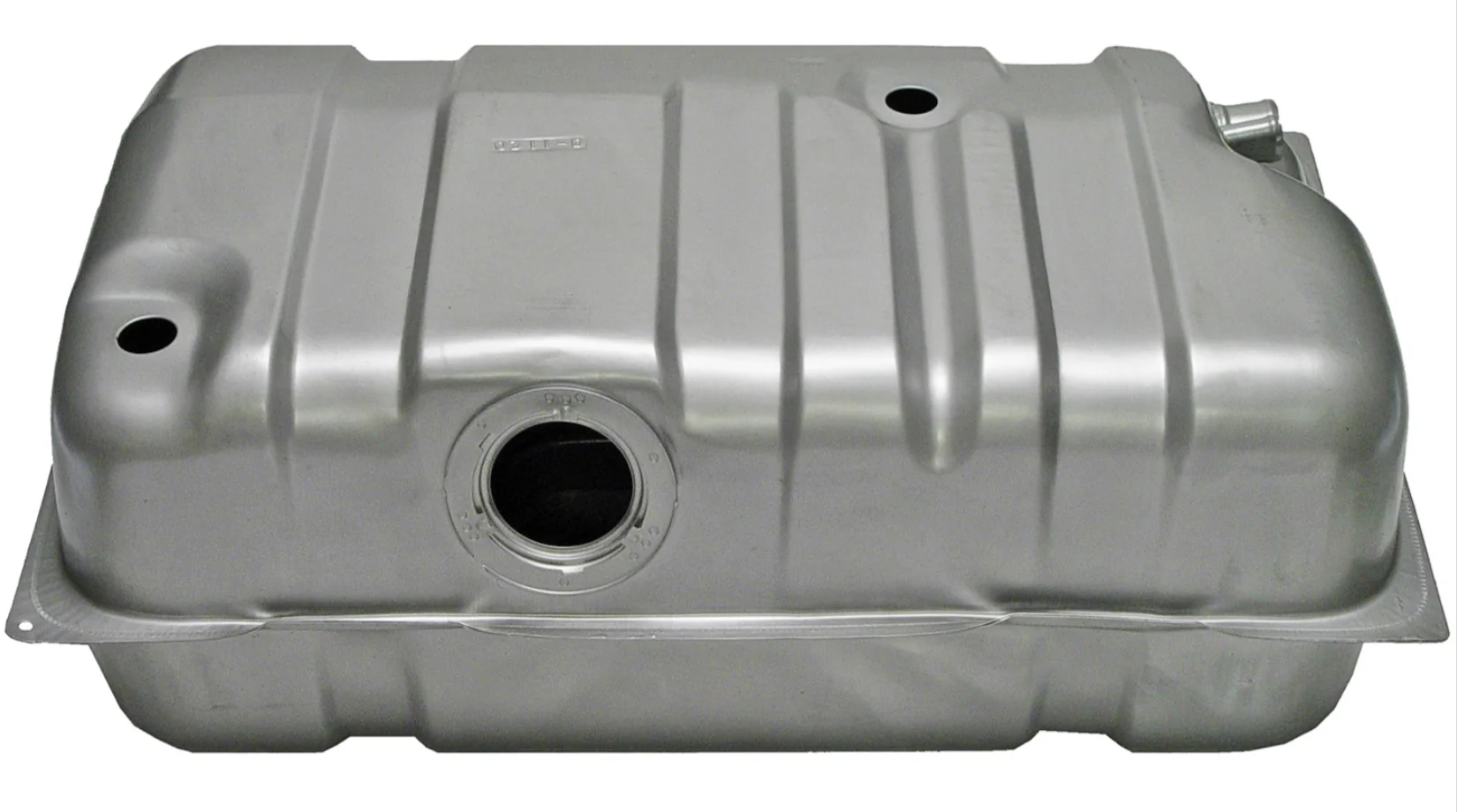
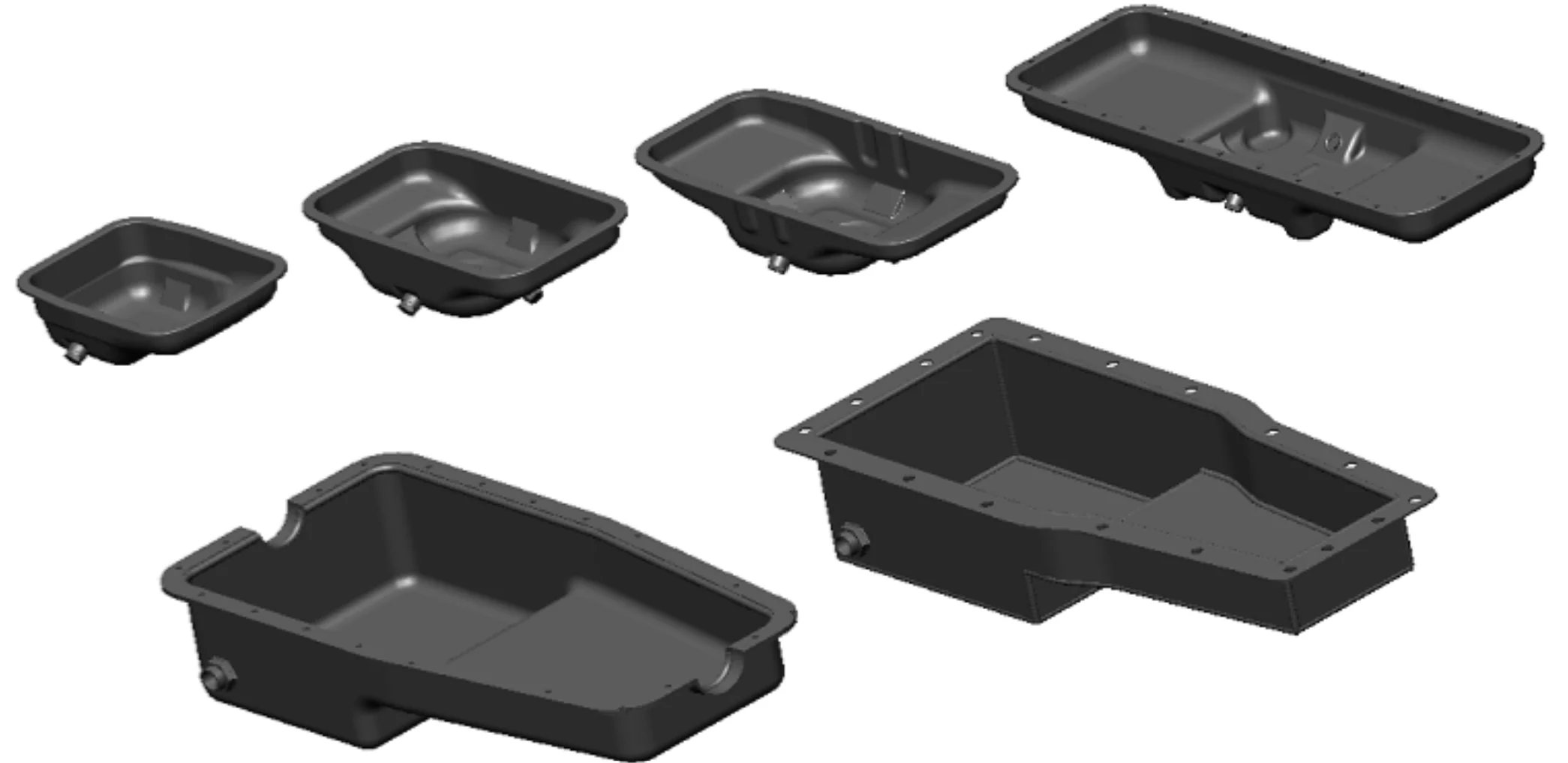
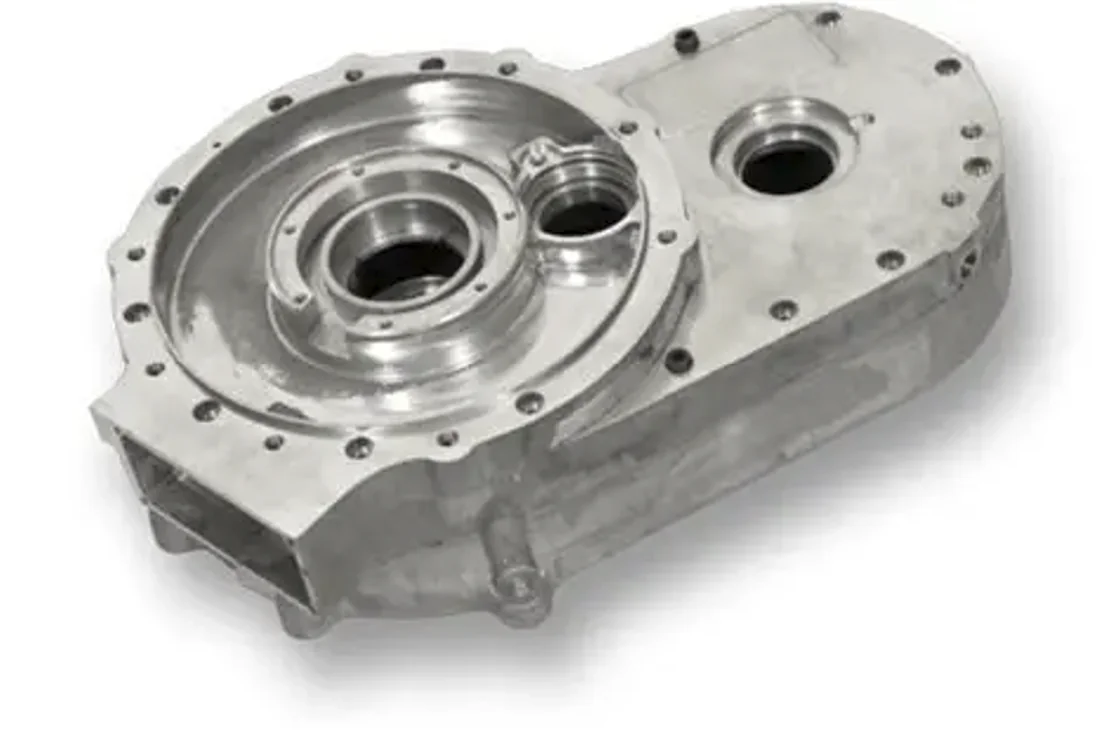
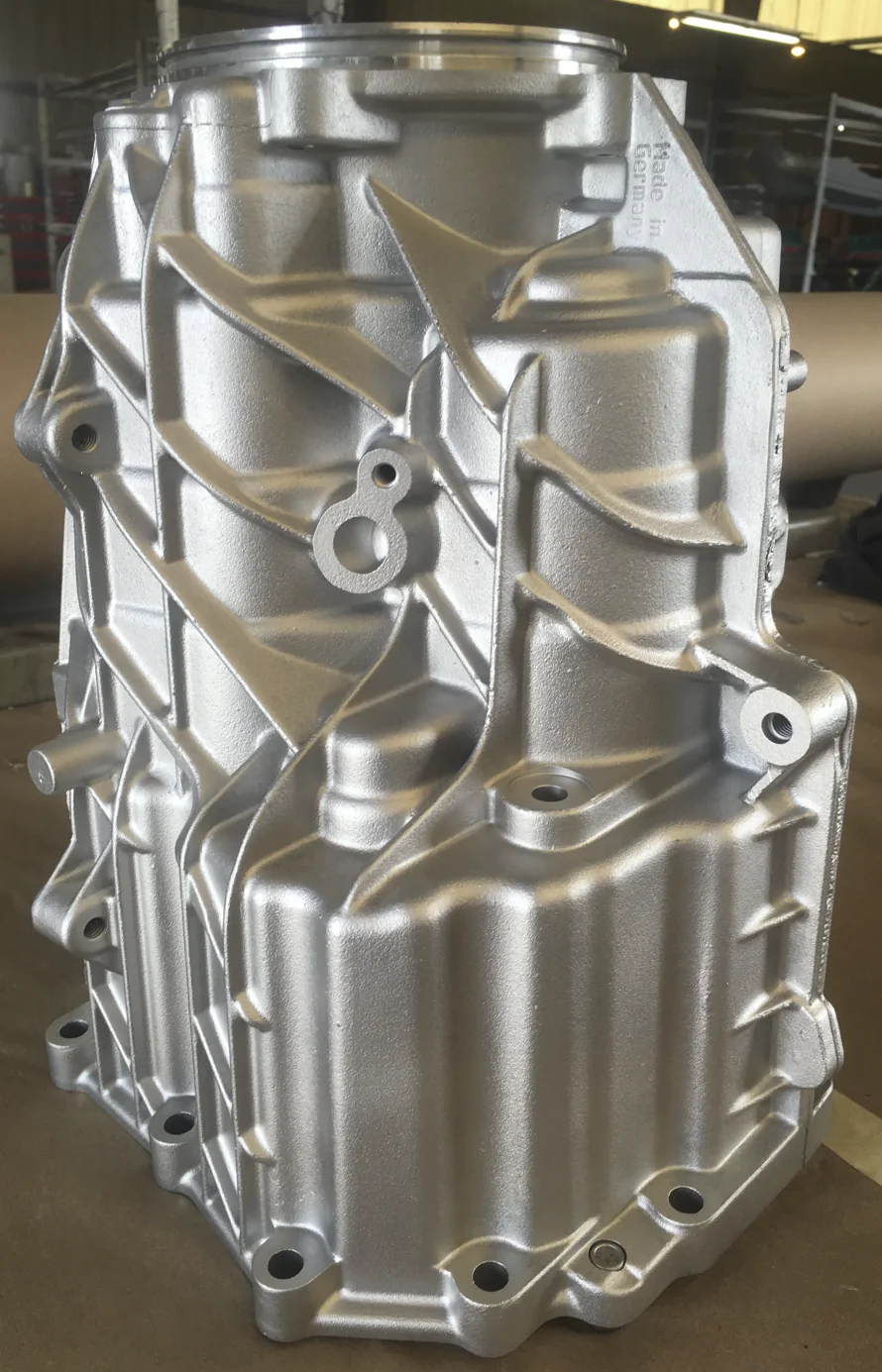
Automotive fuel tanks, engine covers, and transmission housings are critical safety components requiring flawless execution during the deep drawing process. This press ensures high-rigidity alignment and optimized blank-holder force to successfully form complex geometries without cracks, wrinkles, or structural failures.
Key Details
- Core Applications Deep drawing, stamping, and heavy-duty forming of complex automotive structural components and fluid-containing vessels. It is widely used in high-volume production environments that demand tight tolerances and repeatable, leak-proof geometries.
- Material High-Strength Low-Alloy (HSLA) steel, advanced stainless steel, and lightweight automotive-grade aluminum alloys. The press controls the flow of these challenging materials to prevent tearing or localized thinning during deep deformation.
- Typical Products Formed Deep-drawn automotive fuel tanks, heavy-duty engine oil pans, robust transmission housings, and protective EV battery enclosures. These parts are critical to vehicle performance, fluid containment, and structural safety.
- Key Functions Active multi-point blank-holder force control, precise platen parallelism adjustment, and programmable stroke-speed profiling. These functions manage material flow into the die cavity while protecting the tooling from premature wear.
- Why 800-Ton Hydraulic Press? It provides the massive mechanical force and large bed area needed to draw thick-gauge sheets and complex geometries in a single stroke. This tonnage level ensures consistent wall thickness and dimensionally accurate parts, which are vital for automated welding and final vehicle assembly.
02 — Technical Specifications
SM 800 HP – HYDRAULIC PRESS MACHINE COMPLETE TECHNICAL DATA
The SM 800 HP is a comprehensive 800-ton hydraulic press system engineered specifically for the high-precision deep drawing of automotive fuel tanks. This technical datasheet outlines the heavy-duty structural, hydraulic, and automation parameters required to maintain strict automotive manufacturing standards.
Technical Data Sheet
Capacity
- Tonnage: 800 Tons (8000 kN) maximum pressing force to handle heavy-gauge automotive sheets.
- Blank-Holder Force: 300 Tons adjustable cushion capacity for precise material flow control.
Structural Design
- Design Integrity: Finite Element Analysis (FEA) optimized heavy welded steel structure for minimal deflection under full load.
- Guidance System: High-precision 8-side long gib-guidance or 4-column bush guidance to ensure strict platen alignment.
Frame Type
- Configuration: Rigid four-column (four-pillar) heavy-duty monoblock or tie-rod structured frame.
- Stiffness: High structural rigidity designed to withstand severe off-center loading during complex deep draws.
Hydraulic System
- Circuit Type: High-pressure, low-noise closed-loop servo-hydraulic system for energy efficiency.
- Cooling: Integrated industrial oil cooling filtration unit to maintain stable operating temperatures during continuous cycles.
Main Ram Stroke
- Length: 800 mm to 1000 mm adjustable stroke, providing ample clearance for deep-drawn profiles.
- Control: Linear transducer feedback for micron-level positional accuracy of the ram.
Working Hydraulic Pressure
- Maximum Pressure: 25MPa - 31.5 MPa rated operating pressure for reliable force delivery.
- Regulation: Proportional pressure valves for real-time adjustments throughout the pressing cycle.
Daylight Gap
- Maximum Open Height: 1200 mm to 1500 mm maximum separation between the top platen and bed.
- Utility: Provides sufficient space for high-profile deep drawing dies and easy robotic parts extraction.
Approach Speed
- Velocity: 200 mm to 250 mm/Sec rapid idle descent speed.
- Function: Minimizes cycle idle time before the upper die contacts the blank sheet.
Pressing / Drawing Speed
- Velocity: Variable 5 mm/s to 15 mm/s finely controlled forming speed.
- Function: Adjustable speed profiling to prevent material cracking and localized thinning during the draw.
Return Speed
- Velocity: 150 mm/s to 200 mm/s rapid ascent speed.
- Function: Fast retraction to maximize overall hourly production throughput.
Bed / Platen Size
- Dimensions: 2000 mm x 1500 mm generous working surface area.
- Features: T-slots machined to standard DIN specifications for quick, secure die clamping.
Columns
- Quantity & Material: 4 precision-ground, hard-chrome plated solid steel pillars.
- Function: Provides uniform structural guide stability and maintains parallel accuracy under immense pressure.
Working Envelope
- Clearance: Open 4-sided accessibility for seamless integration with automated blank feeders.
- Ejection: Integrated bottom hydraulic die cushion envelope for flawless finished product ejection.
Control System
- Architecture: Siemens or Allen-Bradley PLC paired with a high-definition HMI touchscreen panel.
- Features: Recipe storage for multiple die profiles, real-time pressure-stroke graphing, and remote diagnostics.
Main Motor Power
- Rating: 75 kW to 110 kW high-efficiency main drive motor.
- Configuration: Frequently coupled with variable frequency drives (VFD) or servo motors for minimized power idle consumption.
Valves & Hydraulics
- Components: Cartridge valves and proportional flow control blocks from top-tier brands like Rexroth or Vickers.
- Reliability: High-response configuration ensuring smooth transitions between fast approach, pressing, and return cycles.
Automation
- Integration: Fully compatible with robotic arm loading/unloading systems and automated sheet lubrication units.
- Interface: Standard Profinet/Ethernet communication ports for smart factory and Industry 4.0 data logging.
Safety Features
- Hardware: Dual-channel safety light curtains on front/rear sides and mechanical ram safety locking blocks.
- Systems: Dual-hand operator control buttons, emergency stop circuits, and automatic over-pressure safety relief valves.
SM 800 HP — Model Specifications
- Nominal Force: 8000 KN
- Maximum Hydraulic Pressure: 25 MPa
- Max Opening Height of the Slider: 1500 mm
- Max Stroke of the Slider: 900 mm
- Effective Bed Size: 1600 × 1600 mm
- Slider Down Speed: 180 mm/s
- Slider Pressing Speed: 9–18 mm/s
- Slider Return Speed: 180 mm/s
- Ejector Cylinder Nominal Force: 600 KN
- Stroke of the Ejection Cylinder: 300 mm
03 — Die / Mold System
Precision Deep Drawing Automotive Fuel Tanks Die Mold Engineering
Precision tool engineering for automotive fuel tank deep drawing focuses on managing extreme material stretching and preventing springback. The resulting die mold systems utilize high-grade tool steels and complex multi-piece designs to reliably produce dimensionally stable, leak-proof fuel tank halves.
Use Case
Overview These heavy-duty die mold systems are deployed in high-volume automotive stamping lines to form complex, deep-dish fuel tank geometries from sheet metal. They integrate precise active blank-holding and advanced ejection mechanisms to ensure defect-free production across thousands of consecutive press strokes.
Technical Specifications (Tooling)
Die Type
- Multi stage progressive or single stage heavy duty deep drawing toggle die
- Double action drawing system featuring an integrated draw bead matrix and hydraulic upper cushion interface
Die Materials
- Punch and Die Cavity made of premium SKD11, D2, or Cr12MoV cold work tool steel vacuum heat treated to 58 to 62 HRC
- Blank Holder Ring engineered from durable ductile iron Grade GGG70 or alloy steel flame hardened at high wear radii
Tool Configuration & Construction
- Segmented die insert configuration housed within a heavy duty cast iron die shoe framework
- Quick change interchangeable insert pockets designed for rapid wear zone replacement without complete tool teardown
Key Tooling Features
- Machined active draw beads paired with optimized, polished drawing corner radii to mitigate localized wrinkling
- Built in pneumatic or hydraulic lifter pins and nitrogen gas spring cushion plates for damage free part extraction
Alignment Accuracy
- Precision ground ball bearing guide pillars matched with self lubricating graphite bronze bushings
- Platen to die alignment concentricity maintained within a maximum limit of 0.02 mm to ensure uniform clearance margins
Materials Formed
- High Strength Low Alloy steel and specialized deep drawing quality galvanized steel sheets
- Formable automotive grade 5xxx and 6xxx series lightweight aluminum alloys
Surface Finish
- Mirror polished die radii treated with Physical Vapor Deposition or hard chromium plating coating
- Surface roughness value restricted to a maximum of 0.2 microns to completely prevent metal galling or scoring
Tool Life
- Regrinding and polishing interval required every 100000 to 150000 production cycles
- Total engineered life expectancy reaching up to 1000000 total stamping cycles with regular preventative maintenance
Precision Deep Drawing Automotive Fuel Tanks Die Mold
04 — Product Application
Where Precision Deep Drawing Automotive Fuel Tanks
Precision deep-drawn automotive fuel tanks serve as the primary fluid containment system for modern vehicles. They are engineered to safely store highly volatile fuels under varying pressures while maximizing spatial layout efficiency within the vehicle chassis.
Industry Applications
Passenger Vehicle Manufacturing
These fuel tanks are integrated into high-volume assembly lines for sedans, SUVs, and crossover platforms. The deep-drawn architecture allows the tanks to contour around complex underbody components like exhaust systems and rear axles.
Commercial Transport and Logistics
Heavy-duty transport trucks, delivery vans, and commercial buses utilize these robust containment units. The structural rigidity provided by precision deep drawing ensures the tanks withstand extreme long-haul vibration and heavy chassis loads.
Hybrid Engine Vehicle Production
Specialized steel and aluminum fuel tanks are deployed in modern hybrid electric vehicle architectures. These tanks are engineered to handle the higher internal vapor pressures generated when the combustion engine runs intermittently.
Off-Road and Agricultural Equipment
Tractors, harvesters, construction earthmovers, and all-terrain vehicles rely on these high-durability tanks for field operations. The uniform wall thickness and impact-resistant deep-drawn design prevent hazardous fuel punctures when navigating rugged, debris-filled environments.
Finished Product Gallery
05 — Key Advantages
Why Choose the 800-Ton Sinter Hydraulic Press
Choosing the 800-Ton Sinter Hydraulic Press guarantees premium structural integrity and cost-efficient production for deep-drawn automotive fuel tanks. This robust system seamlessly bridges heavy-tonnage force control with rapid cycle times to meet strict automotive industry standards.
Technical & Commercial Benefits
Optimal Wall Thickness Consistency
The press exerts continuous, highly controlled blank-holder force throughout the entire stroke duration. This prevents localized material thinning and structural micro-cracks in high-stress corner zones.
Flawless Defect-Free Surface Quality
Advanced proportional hydraulic valves manage metal flow speed into the die cavity perfectly. This precise action eliminates surface wrinkling, tearing, and micro-abrasions on the formed blank.
High Tonnage Dynamic Structural Rigidity
The rugged four-column frame limits structural deflection even under extreme off-center loading stresses. This high stiffness ensures long-term platen parallelism for dimensional repeatability across parts.
Accelerated Production Cycle Times
High-speed approach and return hydraulic circuits drastically lower inactive machine dwell intervals. Manufacturers achieve higher hourly throughput targets to fulfill volume-heavy automotive supplier contracts.
Minimized Post-Forming Material Scrap
Precision drawing limits edge deformations and keeps final flange margins highly predictable. Reducing secondary edge-trimming waste lowers overall raw sheet metal expenditures per unit.
Lowered Long-Term Tooling Maintenance Costs
Smooth hydraulic pressure transitions diminish sudden shock impacts on expensive drawing dies. Extending the service lifetime of the mold inserts increases overall factory return on investment.