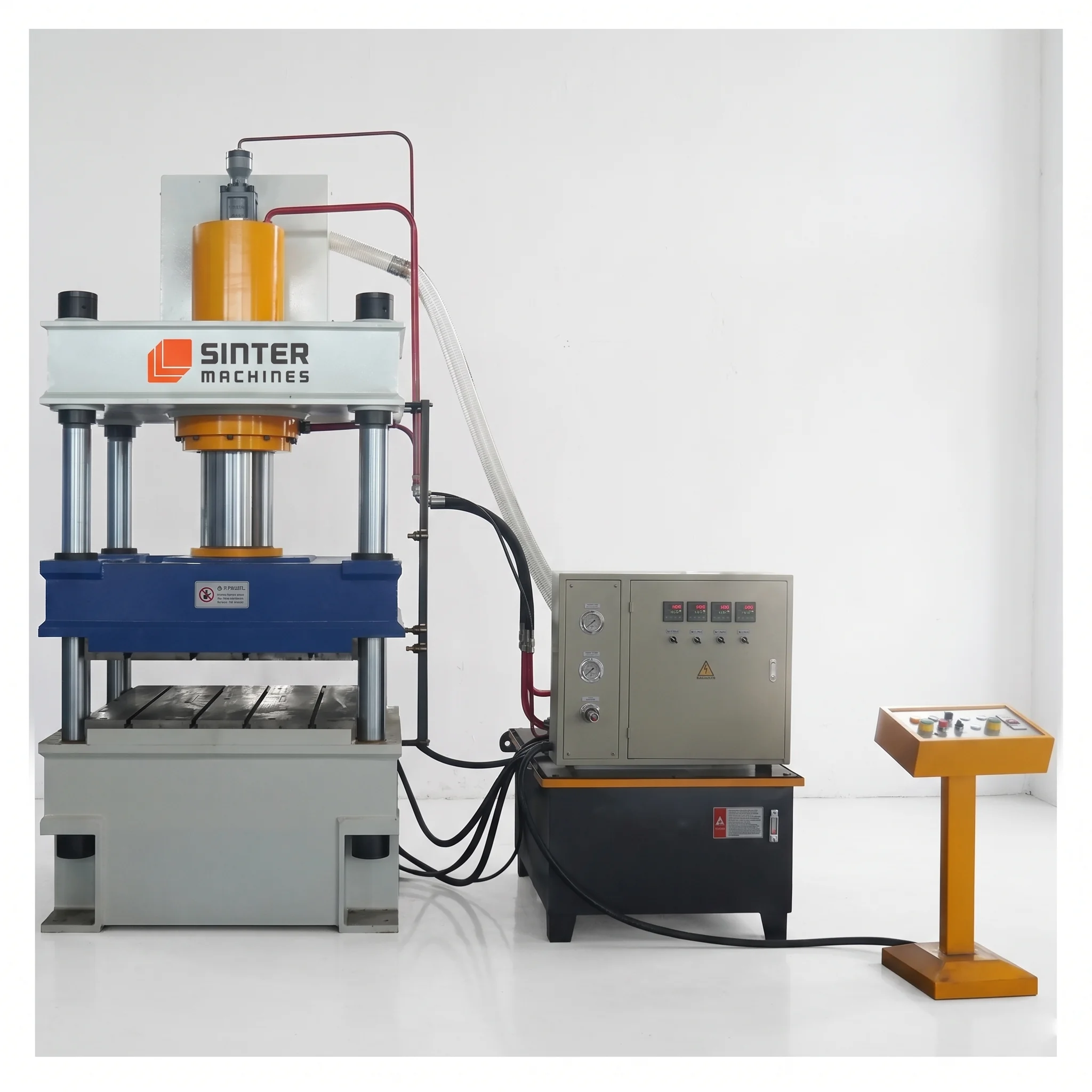
315T Four Pillar Hydraulic Press for Copper Powder Block
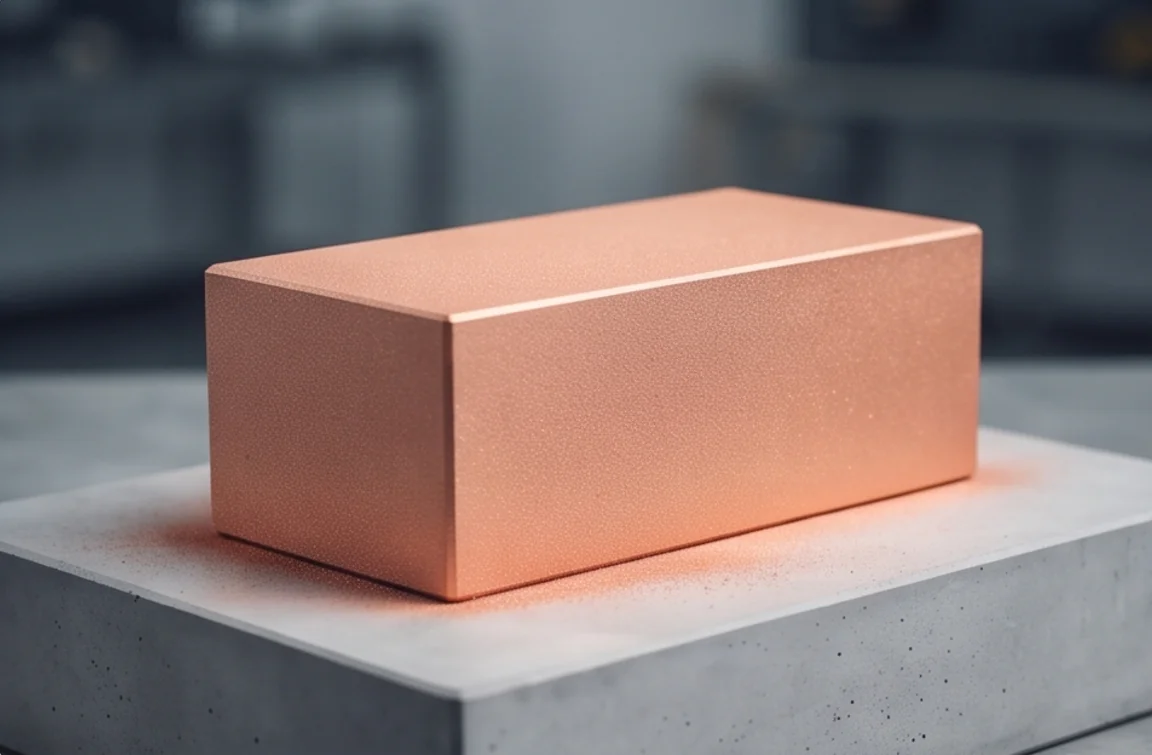
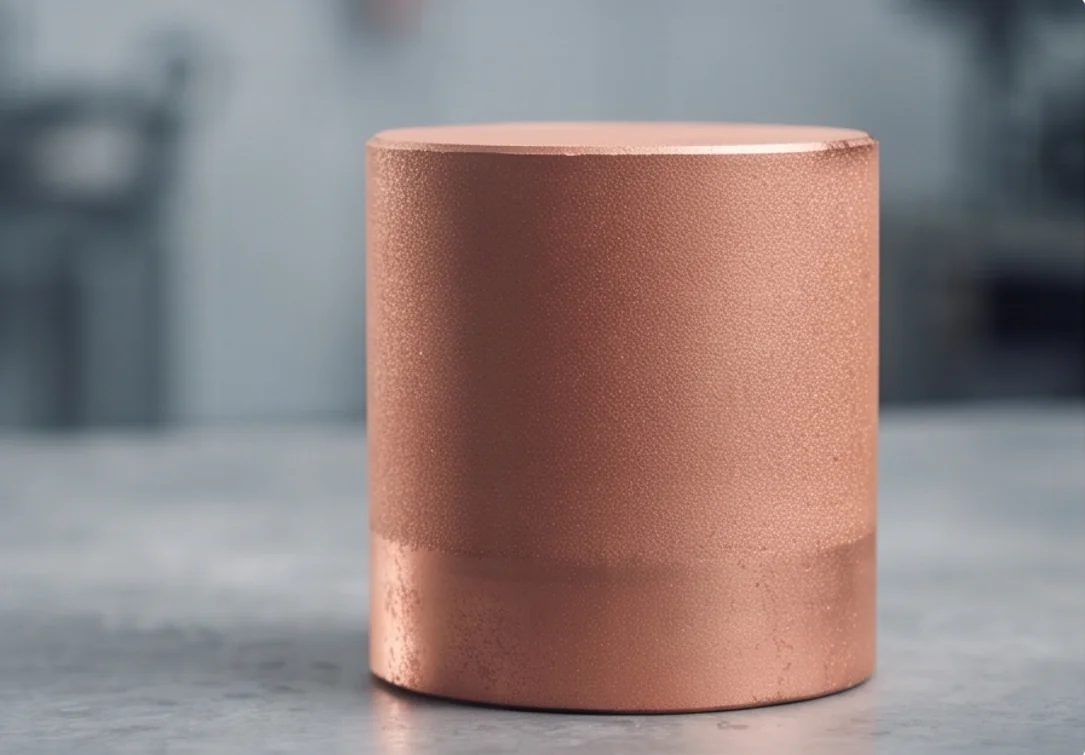
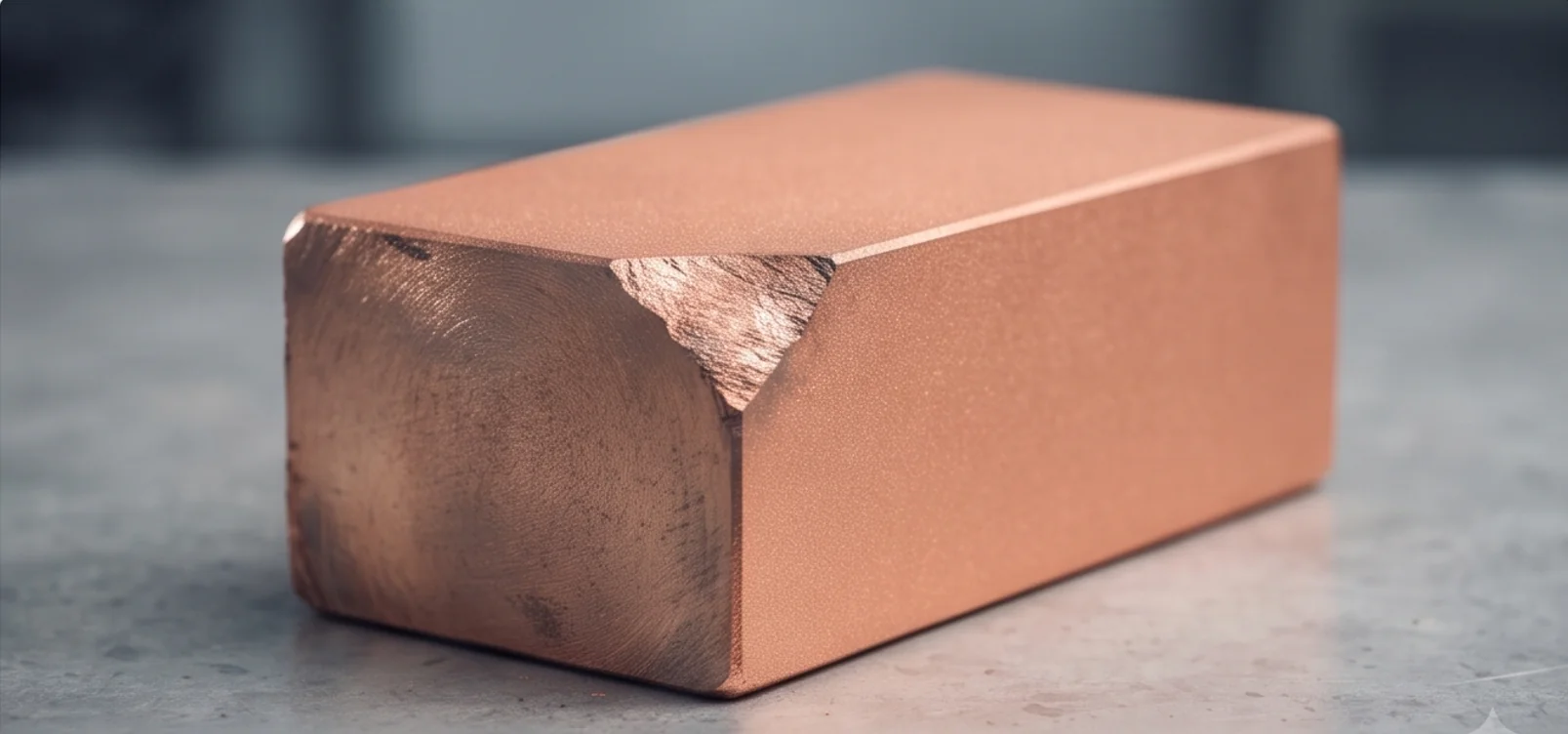
Copper Powder Block Forming 4-Column Hydraulic Press Machine is a specialized heavy-duty industrial compaction system engineered to compress fine copper powder, copper-alloy powders, or electrical contact materials into high-density, uniform solid blocks, tablets, or briquettes.
These machines are essential in powder metallurgy, electrical component manufacturing, and metallurgical recycling for producing parts that undergo subsequent sintering or direct high-temperature processing.
01 — Advantages
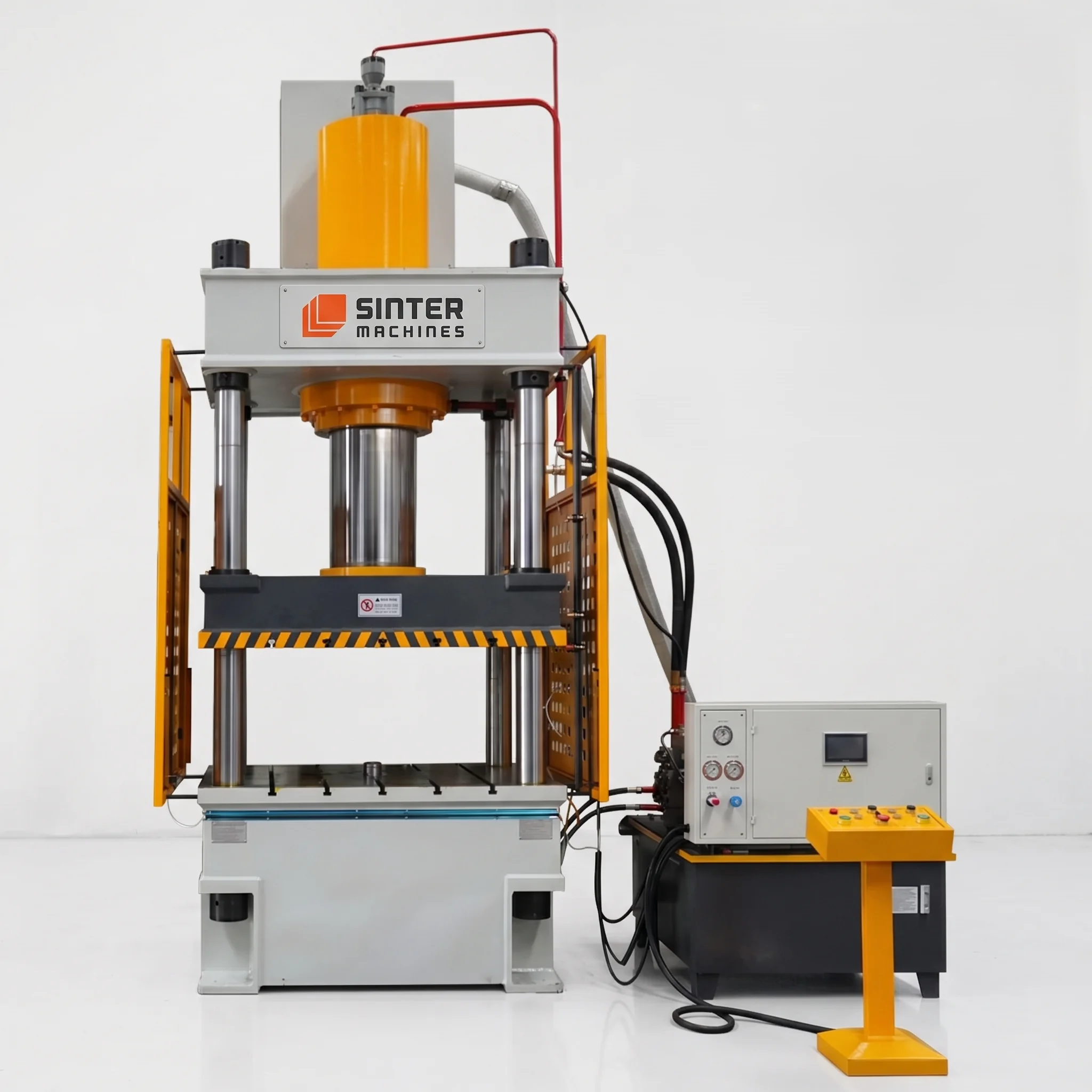
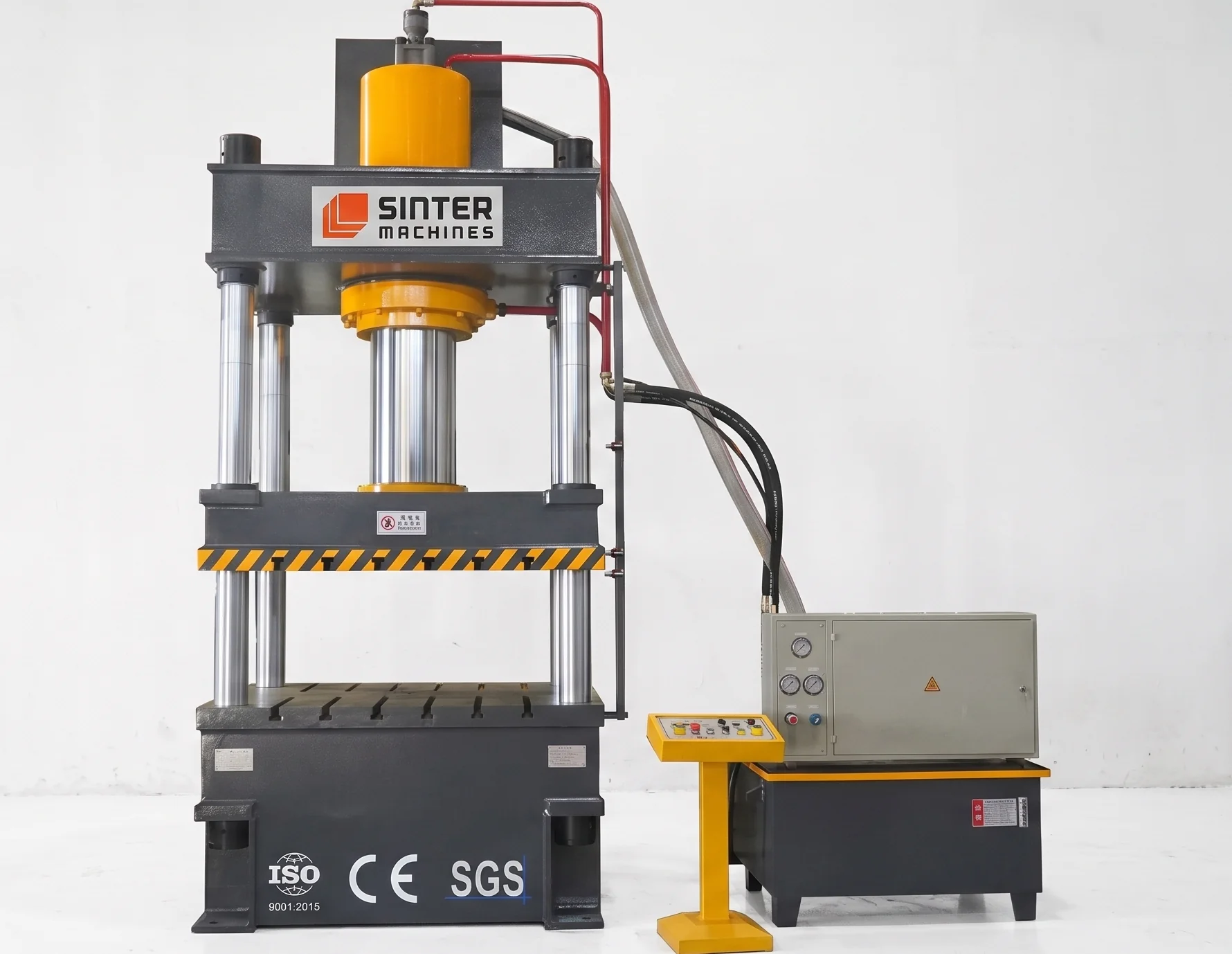
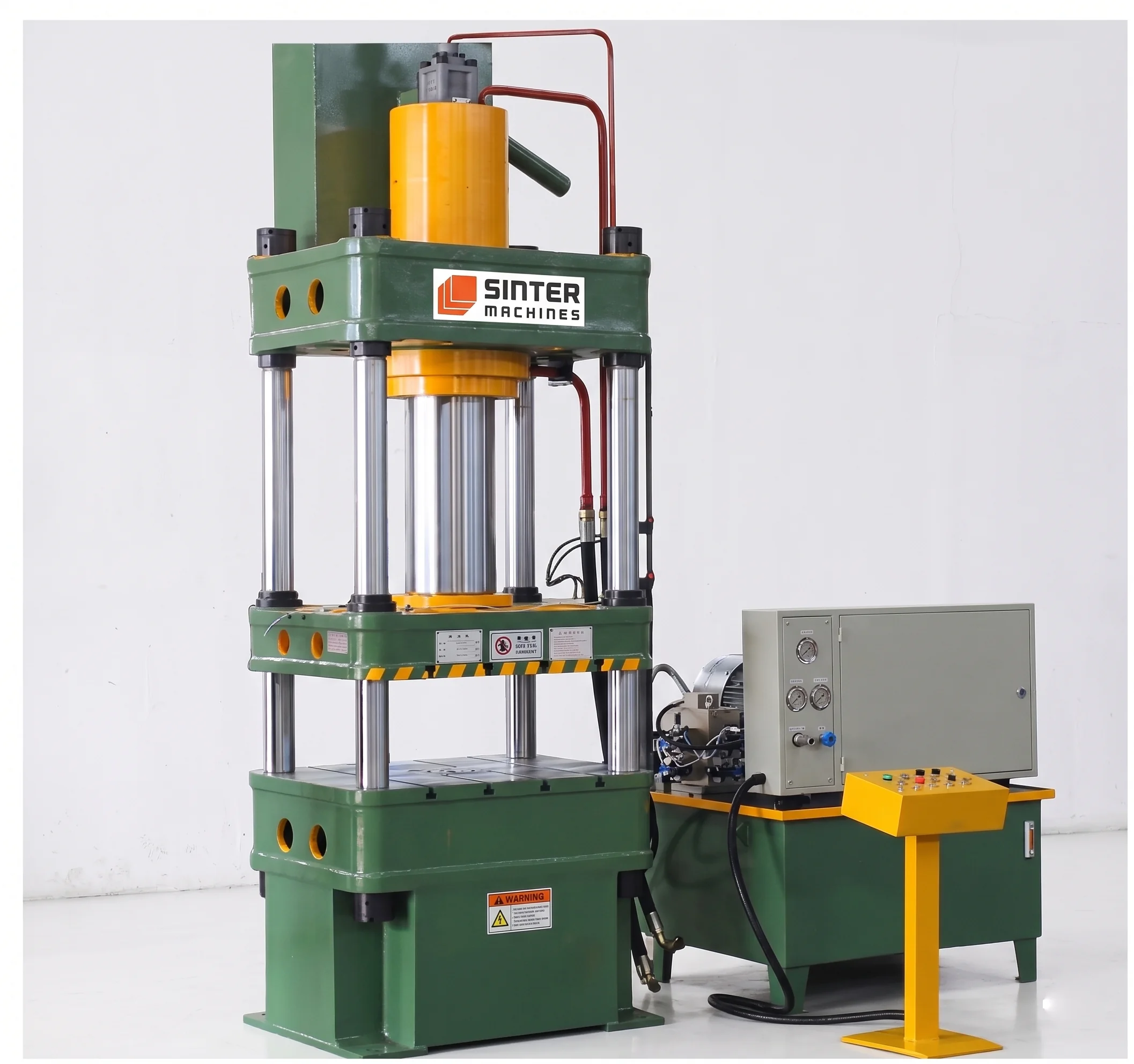
Structural Design & Advantages (4-Column Architecture)
Absolute Platen Parallelism: Fine copper powders require strict control over density gradients to prevent internal micro-cracks or uneven electrical/thermal properties. The four-pillar precision-ground column architecture prevents ram tilt or deflection, ensuring the top and bottom punches apply perfectly vertical, balanced force.
Rigid Load-Bearing Frame: Copper is a relatively dense and ductile metal requiring substantial compaction force. The 4-column structure handles massive cyclic tonnage without structural flexing, maintaining tight tool alignments over years of heavy industrial use.
02 — Technical Specifications
Key Technical Specifications
Feature | Industrial Specification Range |
Nominal Compaction Force | 50 Tons to 500+ Tons (configured according to the required surface area and target green density) |
Guide Structure | 4 Hard-Chromed, Precision-Ground Steel Pillars with low-friction, high-load bushings |
Die & Punch Assembly | High-grade tungsten carbide inserts or hardened alloy tool steel (SKD11/D2) to resist abrasive wear from copper particles |
Hydraulic Drive | Servo-hydraulic or variable displacement piston pumps equipped with proportional pressure and speed control valves |
Control Unit | PLC system integrated with an HMI touchscreen for programmable fill depth, pressing speed, tonnage, dwell time, and automatic ejection |
03 — Operational Workflow
Operational Workflow
- Volumetric Feeding: An automated, precision-calibrated feed shoe moves across the die cavity to evenly fill it with loose copper powder.
- Multi-Stage Compression:
- Fast Approach: The top ram descends rapidly to the material surface.
- High-Pressure Compaction: The system applies heavy, controlled tonnage. A double-action configuration (utilizing both top and bottom moving punches) ensures uniform particle interlocking throughout the entire depth of the copper block.
- Dwell Phase: Peak pressure is held for a preset duration to let trapped air escape and allow the ductile copper particles to securely lock together.
- Controlled Decompression & Ejection: Hydraulic pressure is gradually bled off to prevent elastic springback cracking. A bottom ejection cylinder then cleanly pushes the solid copper block out of the die cavity for transfer to a sintering furnace or handling station.
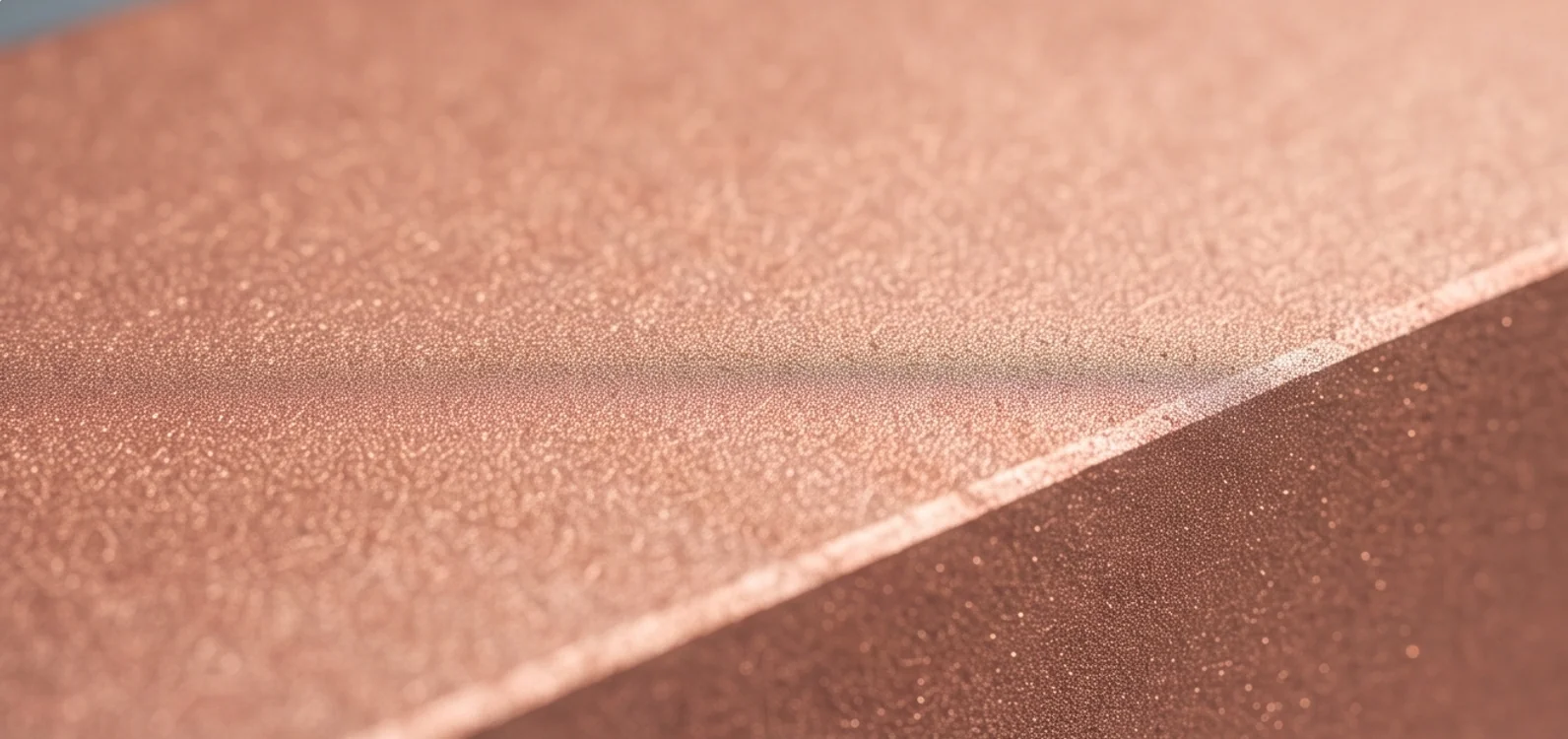
Finished Product Gallery